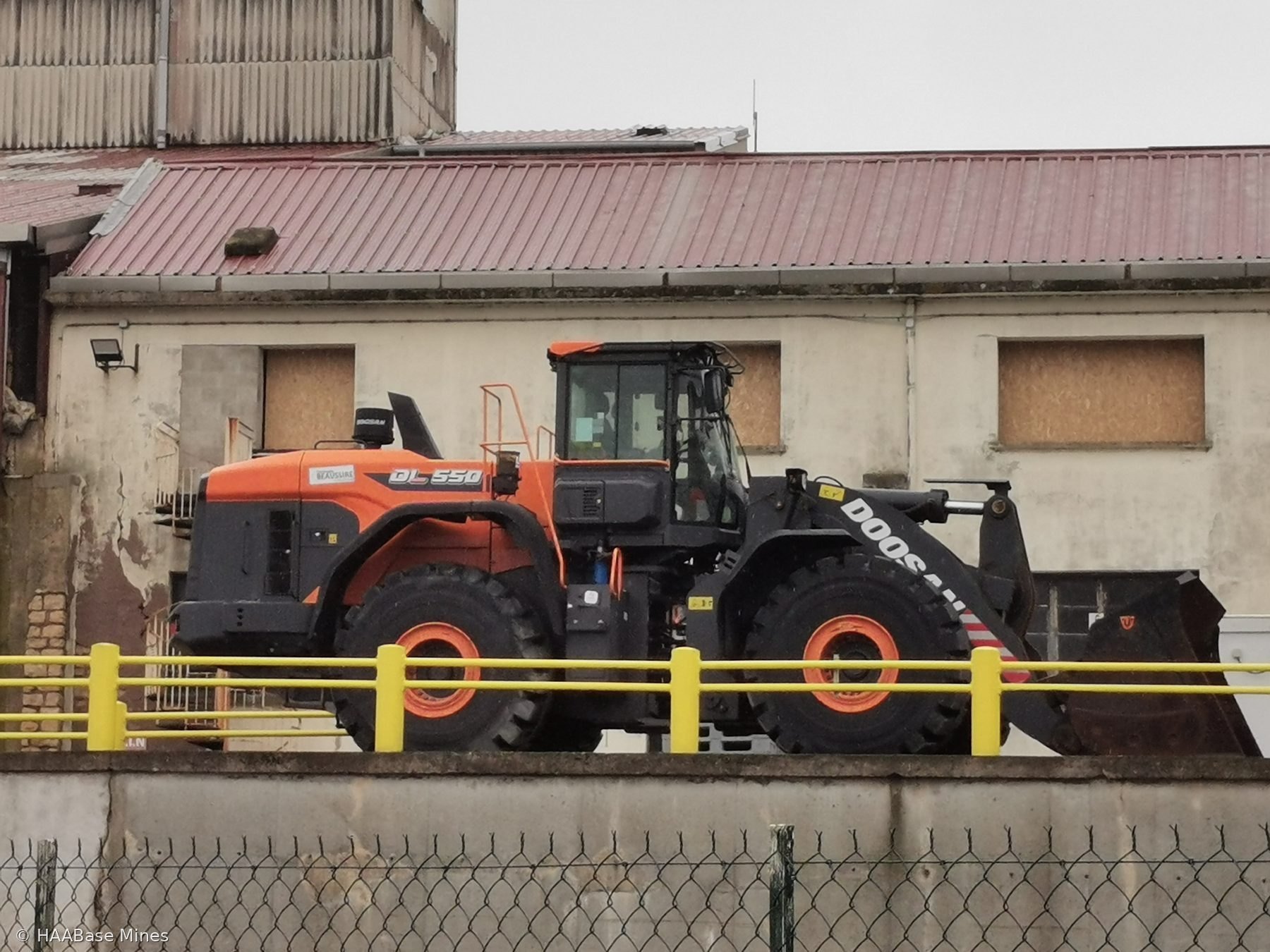
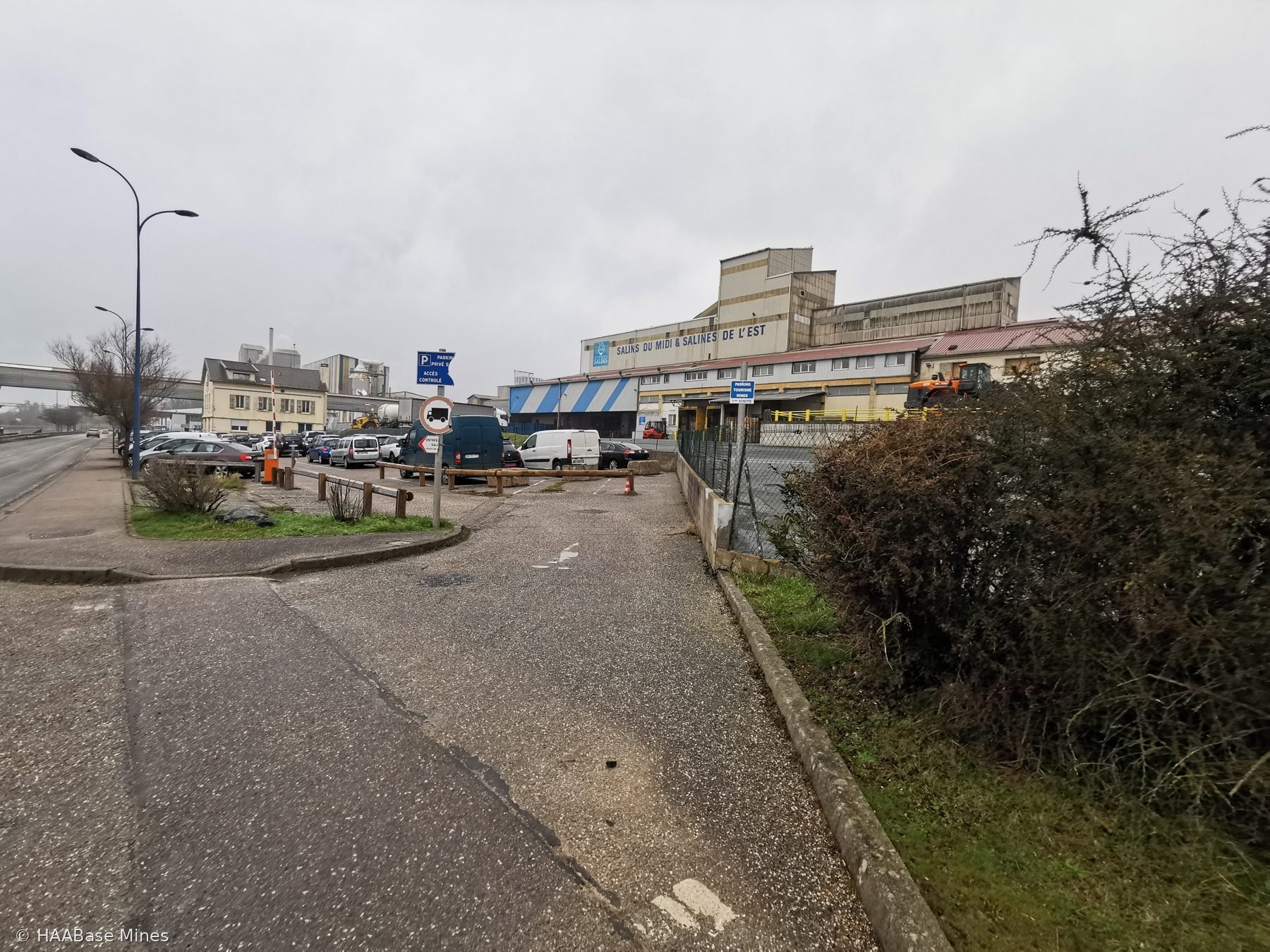
Site overview

The Mine de sel de Varangéville, also known as the mine Saint-Nicolas, is the last working underground salt mine in France, located at Varangéville in the Meurthe-et-Moselle, some 15 kilometres south-east of Nancy. The discovery of rock salt seams at Rosières-aux-Salines in 1820 initiated industrial salt extraction in the region. The Saint-Nicolas concession was granted to Ernest Daguin's Société Daguin et Cie on 13 August 1855.

Sinking of the puits Saint-Maximilien began the same year, and mining commenced in 1856. A second shaft, the puits Saint-Jean-Baptiste, was sunk from 1868, reaching 160 metres depth; it remains the main service and extraction shaft. An underground collapse in the quartier Saint-Maximilien on 31 October 1873, caused by the early method of water-jet cutting, led to the adoption of dry drilling and explosive extraction.

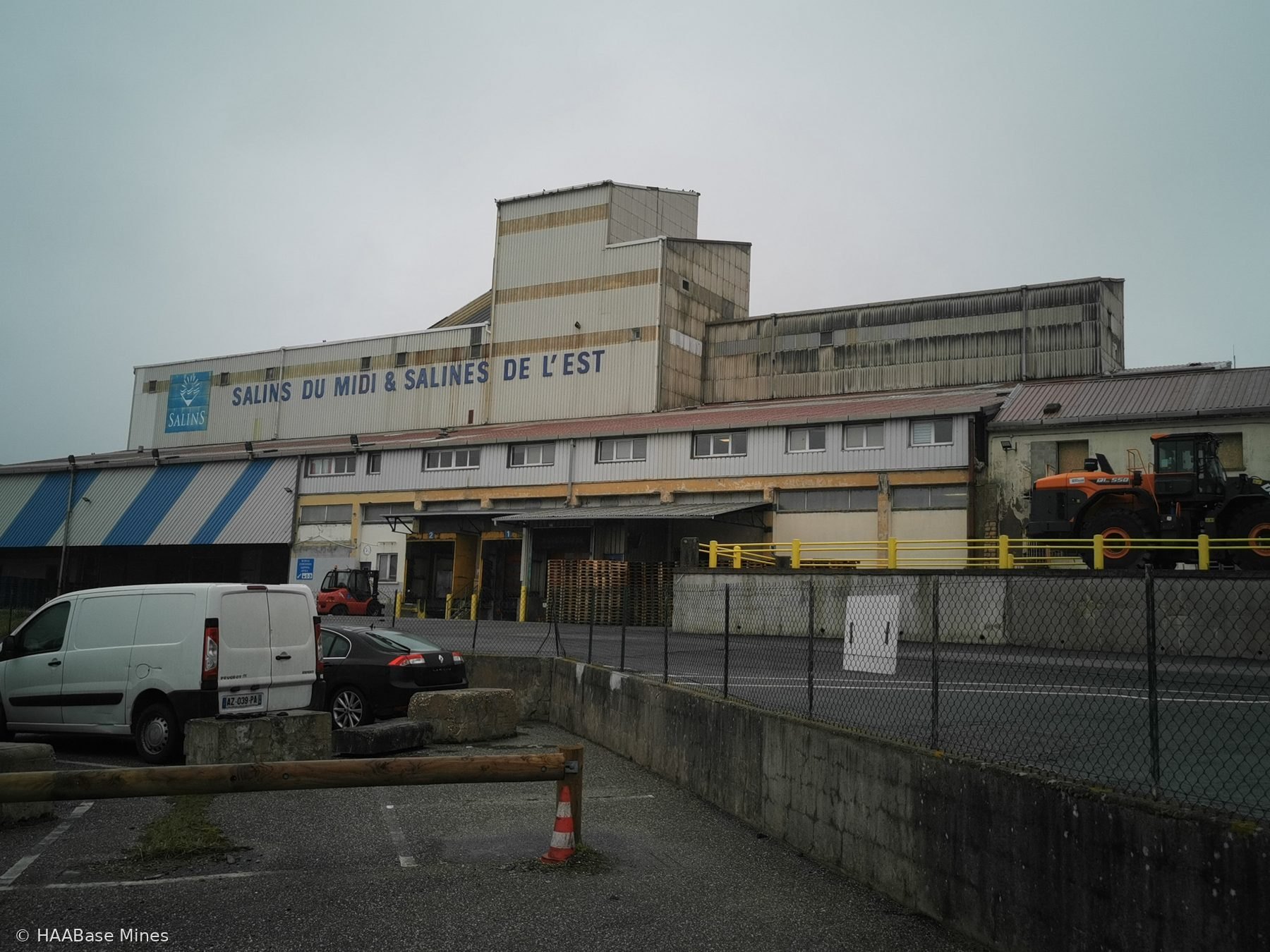
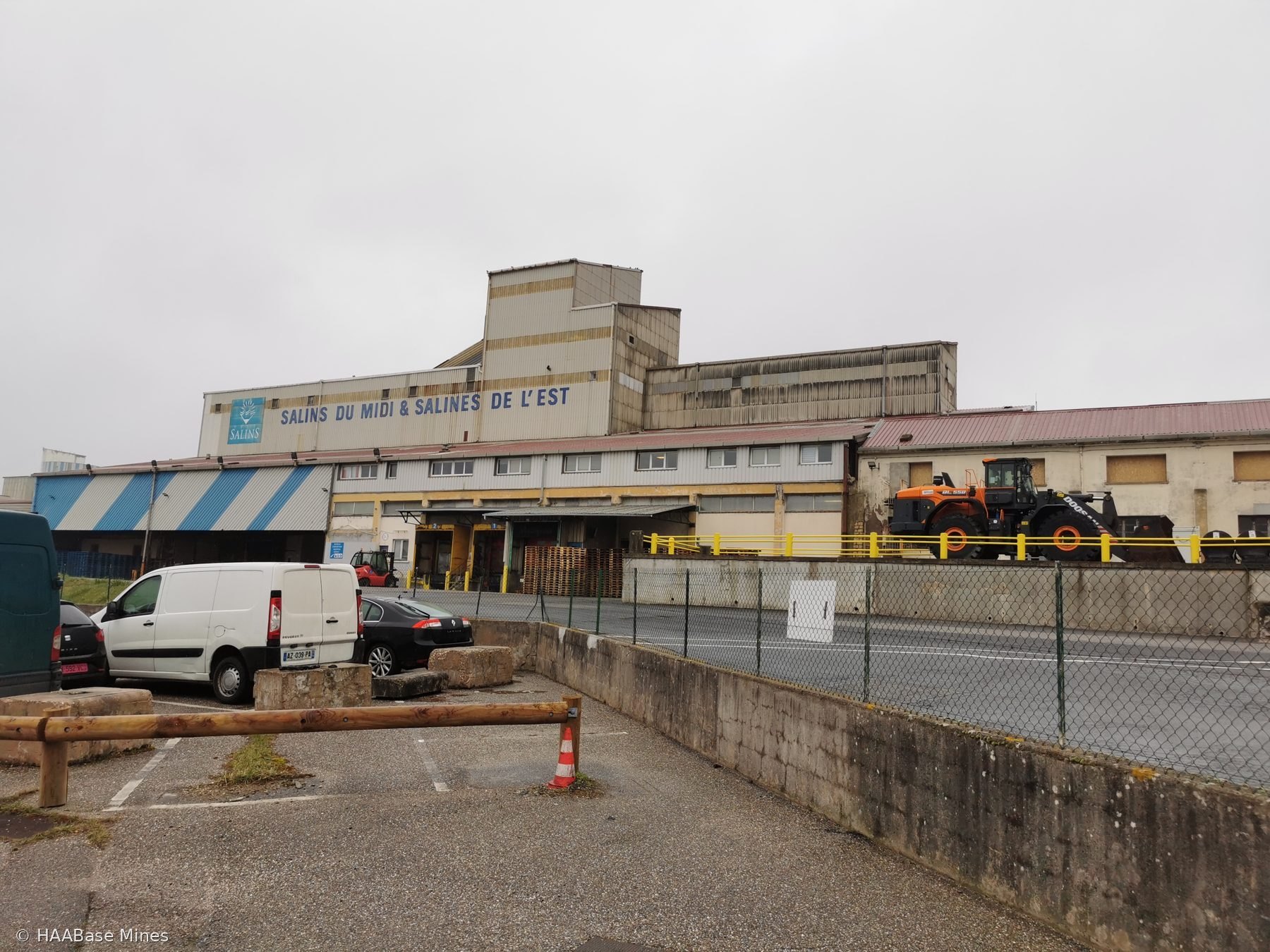
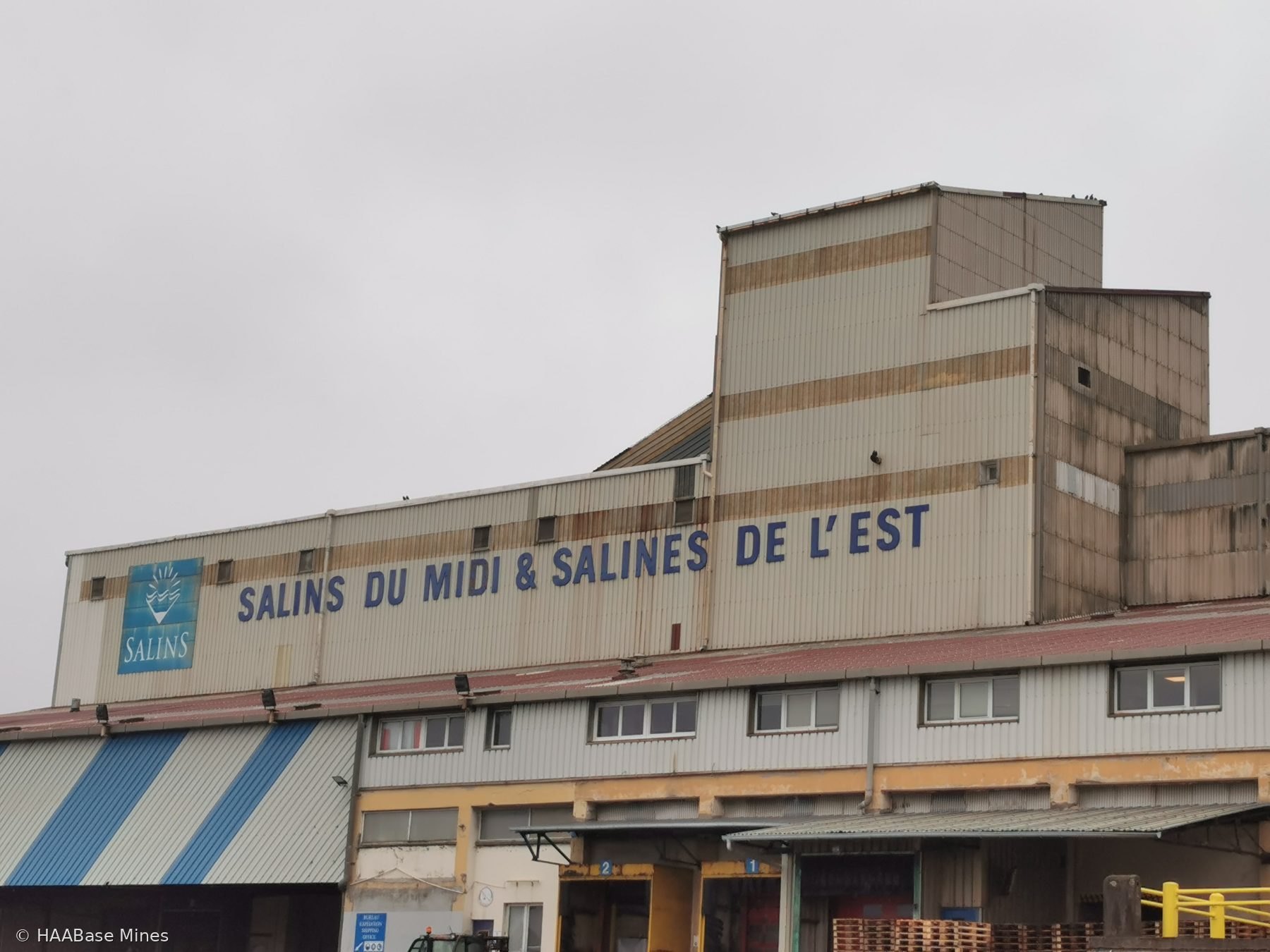
After successive ownership changes, the site is now operated by the Compagnie des Salins du Midi et des Salines de l'Est. The mine exploits the 11th layer of salt, the grande couche, at 160 metres depth, using the abandoned-pillar method. Annual production is approximately 500,000 tonnes.

Public guided visits have been offered since 24 September 2018, descending by the puits Saint-Jean-Baptiste cage.

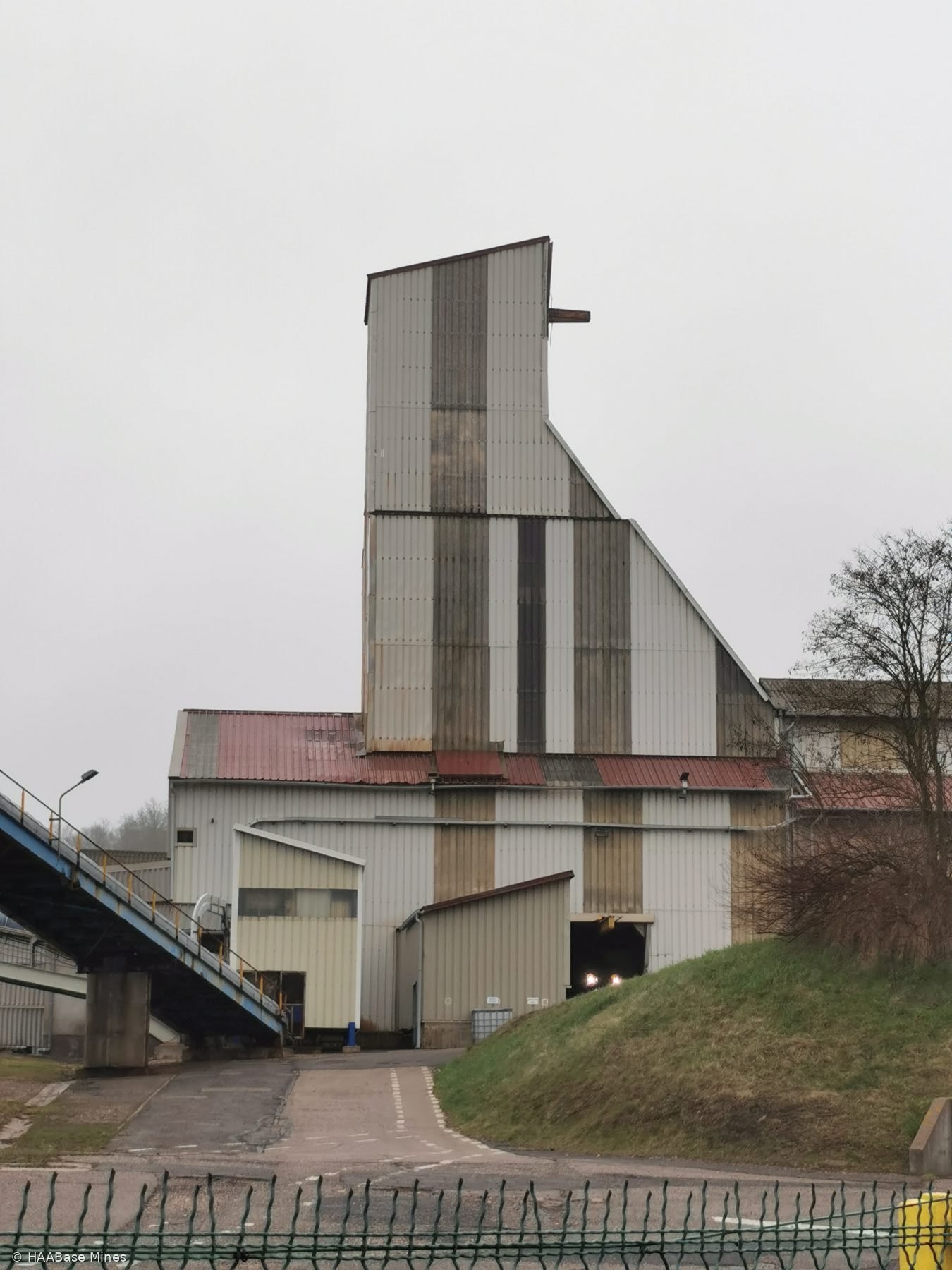
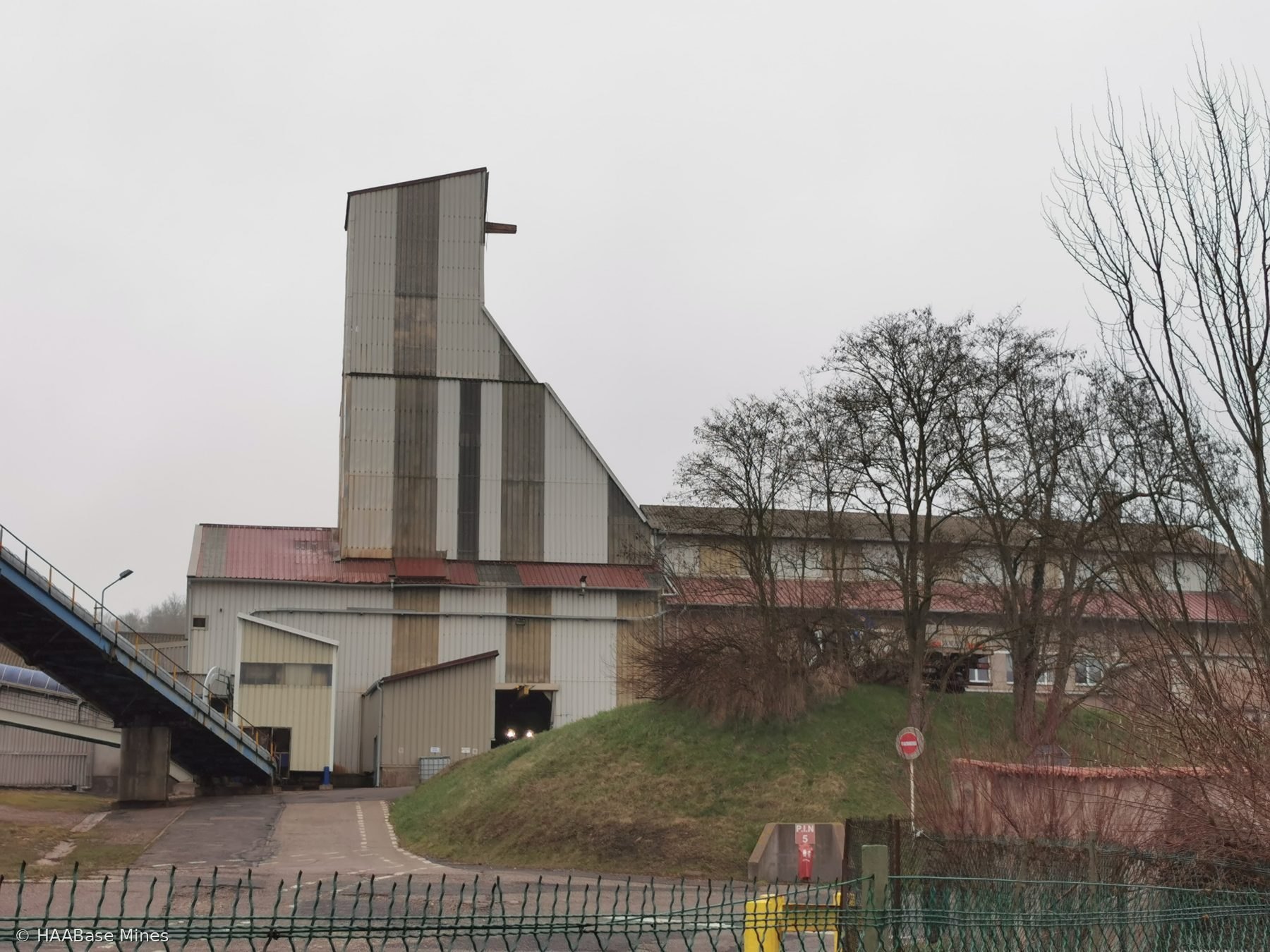
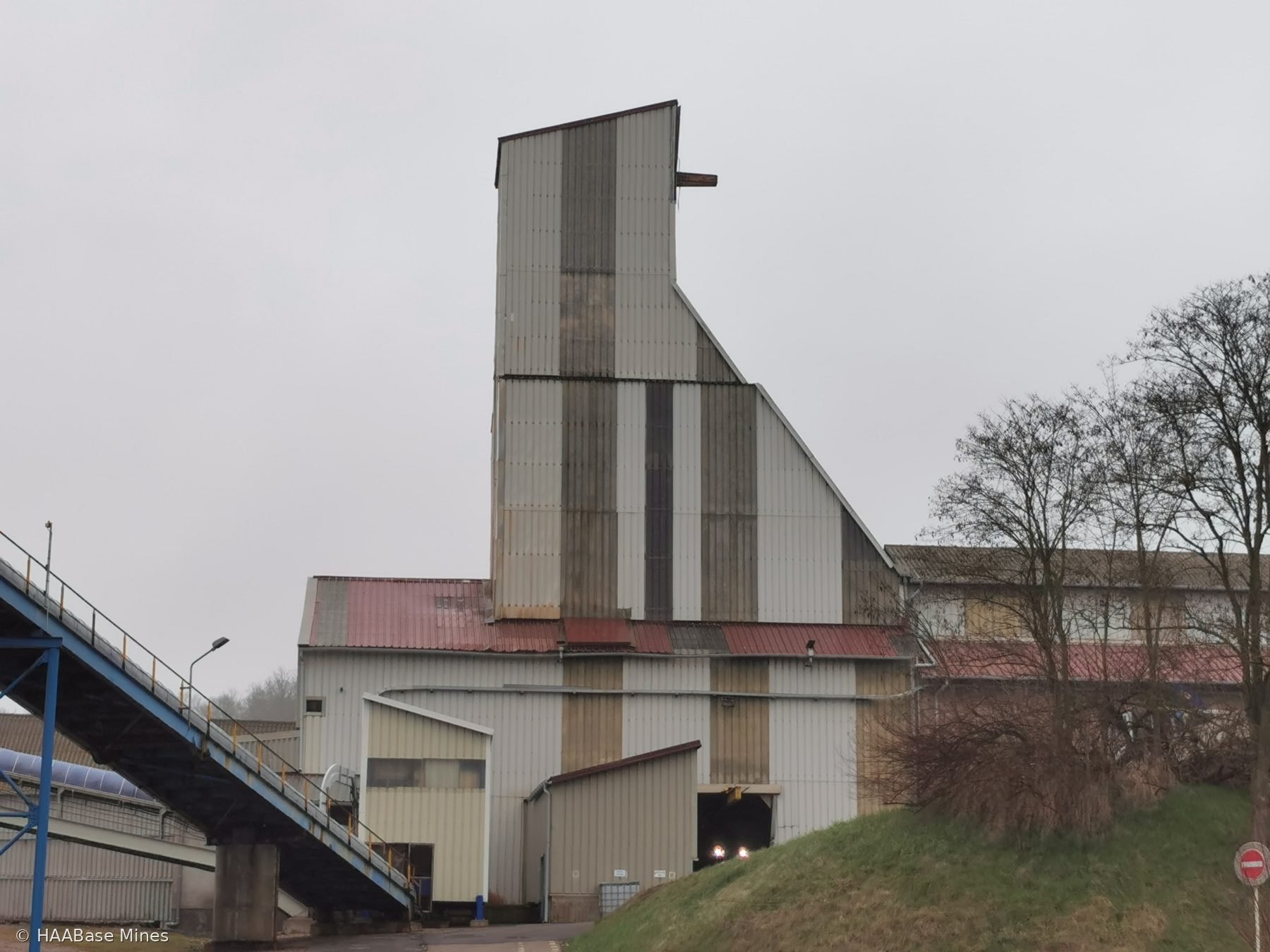
The active mine stands in a settled lowland landscape on the edge of Varangéville, where the shaft buildings form a compact working industrial site within the wider salt basin.

Map & photo

Mine Saint-Nicolas de Varangéville mine headframe or winding tower site
Photograph taken: 20 February 2026
Map markers and directions links are provided for location reference only and do not indicate public access or permission to enter a site.

History

The salt resources of the Lorraine basin, formed during the Triassic period approximately 220 to 225 million years ago when evaporation of an inland sea deposited a salt layer of up to 90 metres thickness, were the foundation of a major industrial saline industry from the nineteenth century. The immediate precursor of the Saint-Nicolas mine was the discovery of rock salt seams in 1820 during a borehole at Rosières-aux-Salines, about 20 kilometres south-east of Nancy, which demonstrated the presence of exploitable strata underlying the Varangéville area.

The Saint-Nicolas concession was established on 13 August 1855 with the founding of the Société Daguin et Cie by Jean-Baptiste-Ernest Daguin, engineer of the École Centrale de Paris, who simultaneously established a saline. A concession of 769 hectares was granted to the society covering the territories of Varangéville, Lenoncourt and Haraucourt. Sinking of the puits Saint-Maximilien began in 1855, undertaken by Maxime Pougnet, and the mine entered production in 1856. The two shafts are sited near the canal de la Marne au Rhin, and both traverse a first salt seam at approximately 80 metres before reaching the main workable deposit at 160 metres.

In 1868 the sinking of a second shaft, the puits Saint-Jean-Baptiste, was begun. Sources give varying completion dates, with the sinking described as running from 1868 to 1872 in some accounts and the shaft entering service in its mature role from the 1870s. This shaft, at 160 metres depth, is the current main service and extraction shaft and the one used for visitor descent today.

In the early phase of operation, abattage at the working face was carried out using water under pressure to cut three vertical slots, followed by explosive blasting. On 31 October 1873 a major ground collapse occurred in the quartier Saint-Maximilien as a result of this water-cutting method, which caused water to infiltrate beneath the salt pillars and undermine their load-bearing capacity. Following this event the mine adopted dry drilling and explosive extraction, which became the standard method.

In 1884 the Société Daguin et Cie became the Société Marcheville Daguin et Cie, following the acquisition of the Madeleine soudière by Marcel Compaignon de Marcheville, the son-in-law of Ernest Daguin. This company operated the mine through the late nineteenth and early twentieth centuries. Before the First World War the mine was producing significant volumes of salt, with photographs from 1910 documenting the surface recette and extraction machinery of the period. Wagonnets had been electrified from 1907.

In 1944 the Société Salinière Lorraine was established; it leased and then purchased the mine and saline of Varangéville. In 1961 the Société Salinière Lorraine became the Société Salinière de l'Est, absorbing several other salines in Lorraine and the Franche-Comté. In 1966 modernisation of the saline was carried out, raising refinery capacity to 150,000 tonnes per year. In 1967 the Société Salinière de l'Est became the Société Salinière de l'Est et du Sud-Ouest. In 1968 a merger of the Compagnie des Salins du Midi with the Société Salinière de l'Est et du Sud-Ouest created the Compagnie des Salins du Midi et des Salines de l'Est (CSMSE). In 1973 the saline capacity was raised to 550,000 tonnes per year. In 1980 the CSMSE became a subsidiary of the Banque Hénin within the Groupe Suez.

In 1996 a takeover bid (OPA) by the American group Morton International Salt made it majority owner of the CSMSE. In 1999 the CSMSE became a subsidiary of the American company Rohm and Haas, which had acquired Morton. A holding company, Salins, was established. In 2000 the American period ended and the CSMSE was reintegrated as a subsidiary of the Groupe Salins.

The mine currently works with three shafts. The puits Saint-Jean-Baptiste serves as the main shaft for personnel, extraction and return air. The puits Saint-Maximilien serves as an air intake, with the ventilation fan located underground. The puits Rosières-Varangéville, belonging to the older Rosières-Varangéville concession, serves as a return air shaft for the Saint-Nicolas mine following underground connection of the two workings. The 11th salt layer, the grande couche, is approximately 20 metres thick. The current mining zone extends over more than 200 kilometres of already-exploited galleries, with the working face some 5 kilometres from the shaft. Annual production is approximately 500,000 tonnes, of which more than 90 per cent is used for road de-icing in the eastern quarter of France, extending to the Paris region and Germany.

Guided public visits to the mine began on 24 September 2018. Visitors descend by the cage of the puits Saint-Jean-Baptiste to 160 metres depth. A museum with 1,600 square metres of display space, a photographic exhibition on salt minerals, and a shop are associated with the site. Dining in the underground galleries has been offered since 2020.
Timeline

1820
Exploration

Discovery of rock salt seams at Rosières-aux-Salines

In 1820 a borehole at Rosières-aux-Salines demonstrated the presence of rock salt seams in the Varangéville area, initiating the modern salt industry in this part of Lorraine.
1855
Legislation

Saint-Nicolas concession granted; Société Daguin et Cie founded

On 13 August 1855 Ernest Daguin founded the Société Daguin et Cie and obtained a concession of 769 hectares for the exploitation of rock salt at Varangéville, Lenoncourt and Haraucourt.
1855–1858
Construction

Sinking of puits Saint-Maximilien

Sinking of the puits Saint-Maximilien began in 1855 under the direction of Maxime Pougnet. It was completed in 1858. The shaft traverses a first salt seam at approximately 80 metres before reaching the main deposit at 160 metres.
1856
Operation

Mining commences at Saint-Nicolas

Extraction of rock salt began in 1856 from the Saint-Nicolas workings.
1868–1872
Construction

Sinking of puits Saint-Jean-Baptiste

Sinking of the puits Saint-Jean-Baptiste, the current main service and extraction shaft, began in 1868 and was completed at 160 metres depth, with the shaft in service by 1872.
1873
Operation

Collapse in quartier Saint-Maximilien caused by water-cutting method

On 31 October 1873 a major ground collapse occurred in the quartier Saint-Maximilien, caused by the early water-jet cutting method which allowed water to infiltrate beneath the salt pillars, undermining their stability. The mine subsequently adopted dry drilling and explosive extraction.
1884
Legislation

Société Daguin et Cie becomes Société Marcheville Daguin et Cie

In 1884 the Société Daguin et Cie was renamed the Société Marcheville Daguin et Cie following the involvement of Marcel Compaignon de Marcheville, son-in-law of Ernest Daguin, and the acquisition of the Madeleine soudière.
1907
Construction

Electrification of underground wagonnets

The underground wagonnets were electrified in 1907.
1944
Legislation

Société Salinière Lorraine leases then purchases the mine and saline

In 1944 the Société Salinière Lorraine was created and took over the mine and saline of Varangéville by lease and subsequent purchase.
1961
Legislation

Société Salinière Lorraine becomes Société Salinière de l'Est

In 1961 the Société Salinière Lorraine became the Société Salinière de l'Est, having absorbed several other salines in Lorraine and the Franche-Comté.
1966
Construction

Saline modernised; capacity raised to 150,000 tonnes per year

In 1966 the saline at Varangéville was modernised and its production capacity raised to 150,000 tonnes of refined salt per year.
1968
Legislation

Formation of Compagnie des Salins du Midi et des Salines de l'Est (CSMSE)

In 1968 the merger of the Compagnie des Salins du Midi and the Société Salinière de l'Est et du Sud-Ouest created the Compagnie des Salins du Midi et des Salines de l'Est (CSMSE).
1973
Construction

Saline capacity raised to 550,000 tonnes per year

In 1973 the saline capacity at Varangéville was raised to 550,000 tonnes per year.
1996
Legislation

OPA by Morton International Salt Group

In 1996 the American group Morton International Salt launched a takeover bid (OPA) on the CSMSE and became the majority shareholder.
1999
Legislation

CSMSE becomes subsidiary of Rohm and Haas

In 1999 the CSMSE became a subsidiary of the American company Rohm and Haas, which had purchased Morton. A holding company, Salins, was established.
2000
Legislation

CSMSE reintegrated as subsidiary of Groupe Salins

In 2000 the CSMSE was reintegrated as a subsidiary of the Groupe Salins, ending the American period of ownership.
2018
Heritage

Guided public visits to the mine begin

Guided public visits to the mine commenced on 24 September 2018. Visitors descend by the cage of the puits Saint-Jean-Baptiste to 160 metres depth.

Sources and records

Wikipedia article (French): Mine de sel de Varangéville
Patrimoine-minier.fr: Mine de sel de Varangéville (Saint-Nicolas), detailed historical account (2023)
Le Coin des Becs Salés blog (Association des mineurs de Varangéville): Histoire de la Saline de Varangéville
Le Coin des Becs Salés blog: Les anciennes salines rive droite de la Meurthe depuis Varangéville
Exxplore.fr: dossier on the salt industry of Lorraine
Image-Est.fr itinerary: Saline de Varangéville, chronology and documents
Académie de Nancy-Metz geology base (sites.ac-nancy-metz.fr): Mine de sel, descriptive fiche
Mairie de Varangéville official site: La mine de sel
Tourisme Meurthe-et-Moselle: Mines de sel de Varangéville listing
Mines et Patrimoine survey of surviving French mine headframes (February 2020)
This researched site record is part of the HAABase Mines database. Normal personal research and browsing is welcome. Automated bulk extraction, republication, or harvesting of site text and images is not permitted without written consent.