Site overview

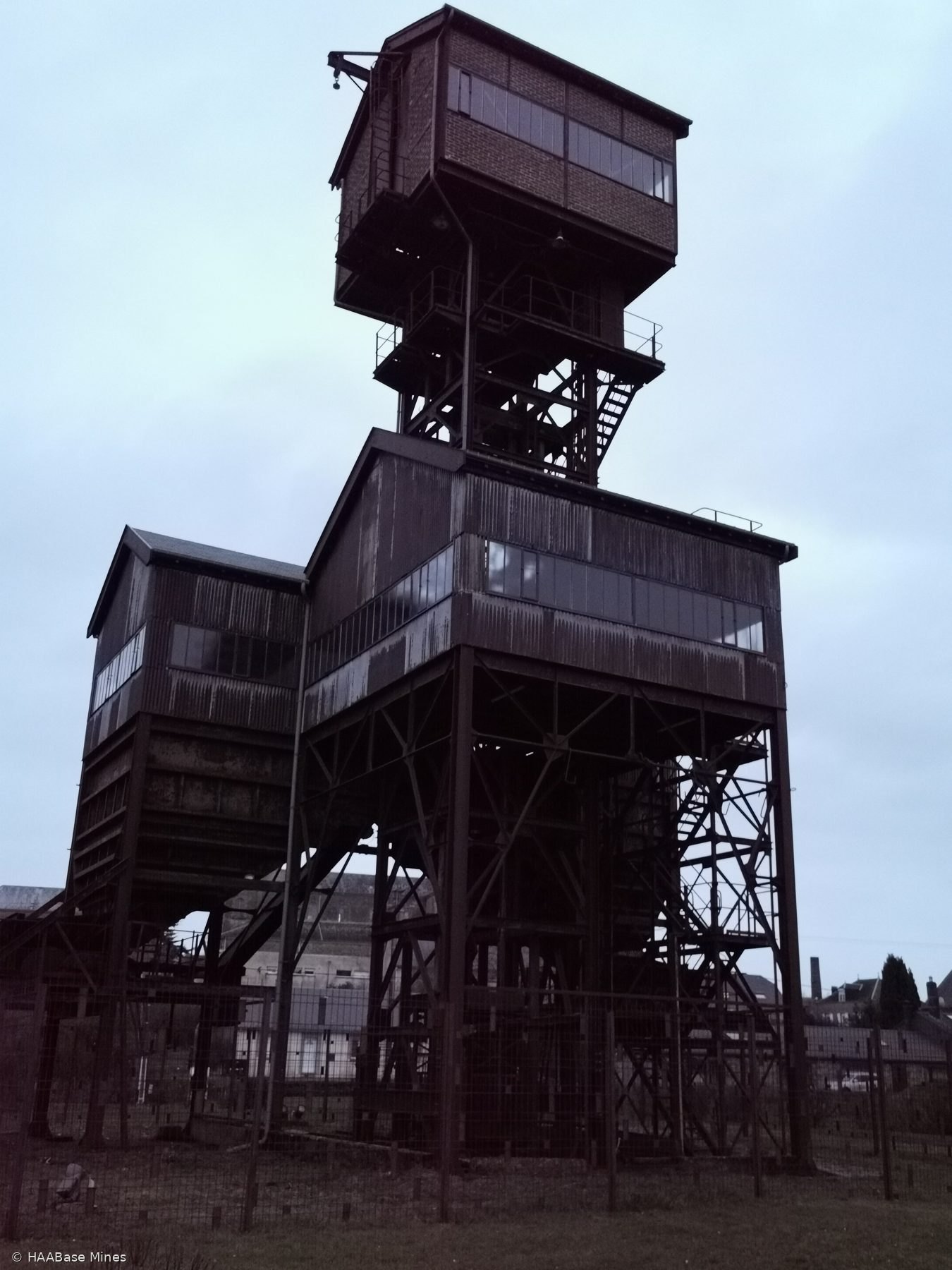
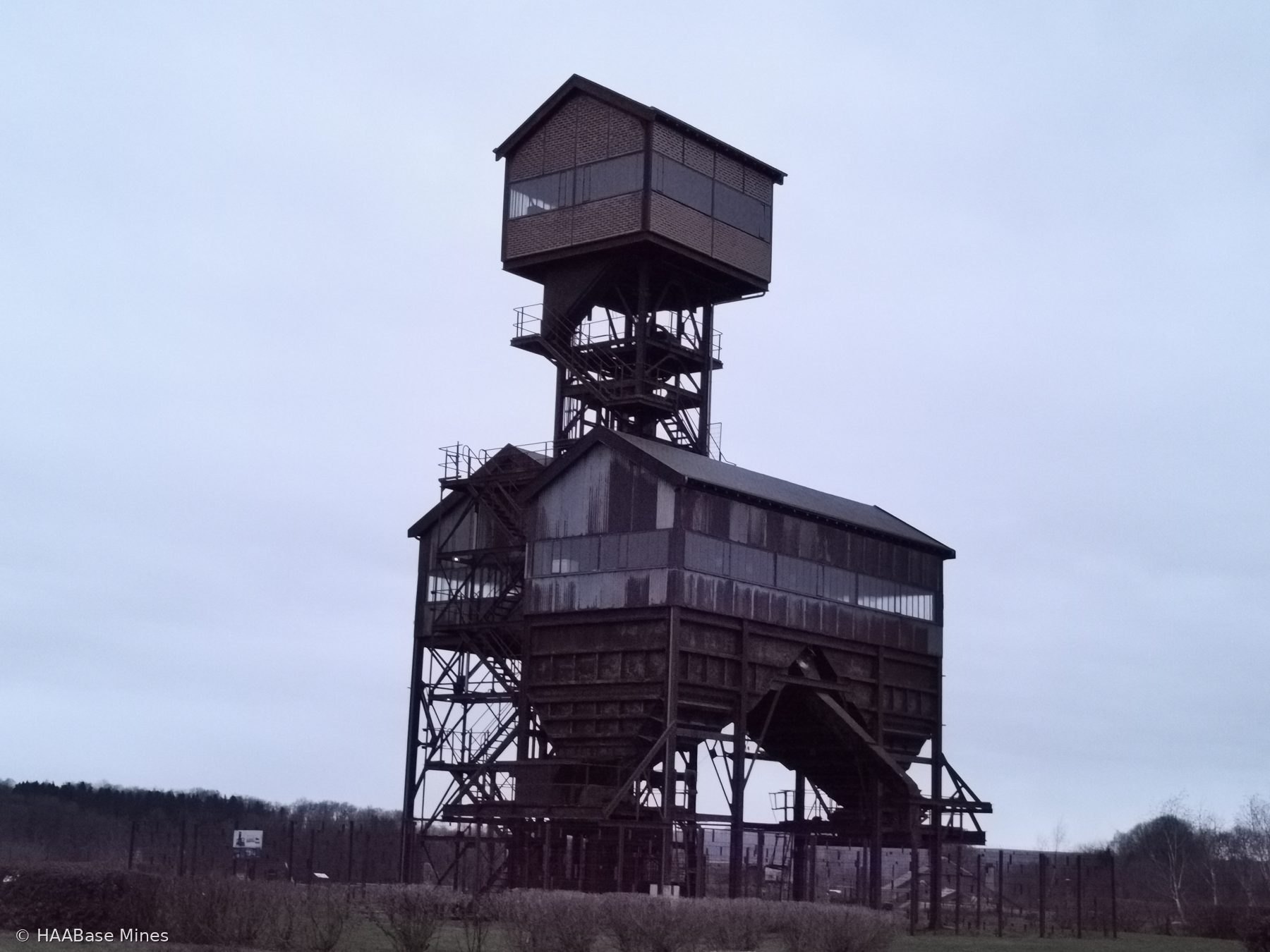
The Mine de Saint-Quentin, known formally as the Fosse Saint-Quentin or ardoisière dite Fosse Saint-Quentin, is a former slate mine at Rimogne in the Ardennes. Exploitation at this location, then called the Hallevoye, dates from the sixteenth century, when monastic exploitation gave way to lay ownership. The concession was purchased by Jean-Baptiste Collart in 1702, and by 1785 the fosse employed 45 workers and produced 4.5 million slates annually.

The fosse joined the Compagnie des Ardoisières de Rimogne et de Saint-Louis-sur-Meuse in 1825, and a shaft 120 metres deep was sunk in 1843 to allow mechanical hoisting of slate. The fosse was abandoned around 1906 but reopened in the late 1950s, and a metal headframe 25 metres high was assembled by the firm Venot et Cie and inaugurated on 4 December 1961. The entire Rimogne slate industry ceased activity in 1971 when the death of a worker precipitated closure.

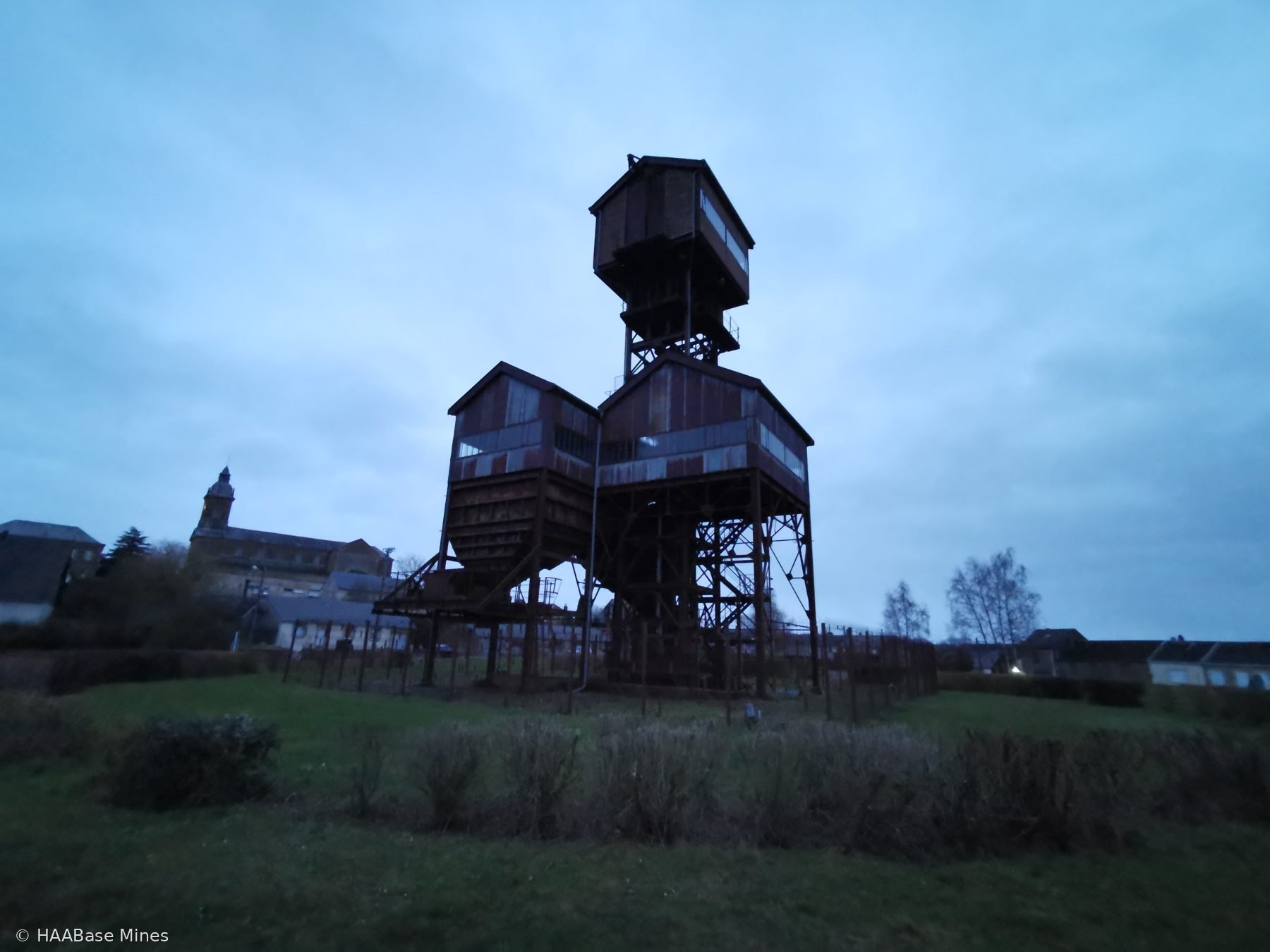
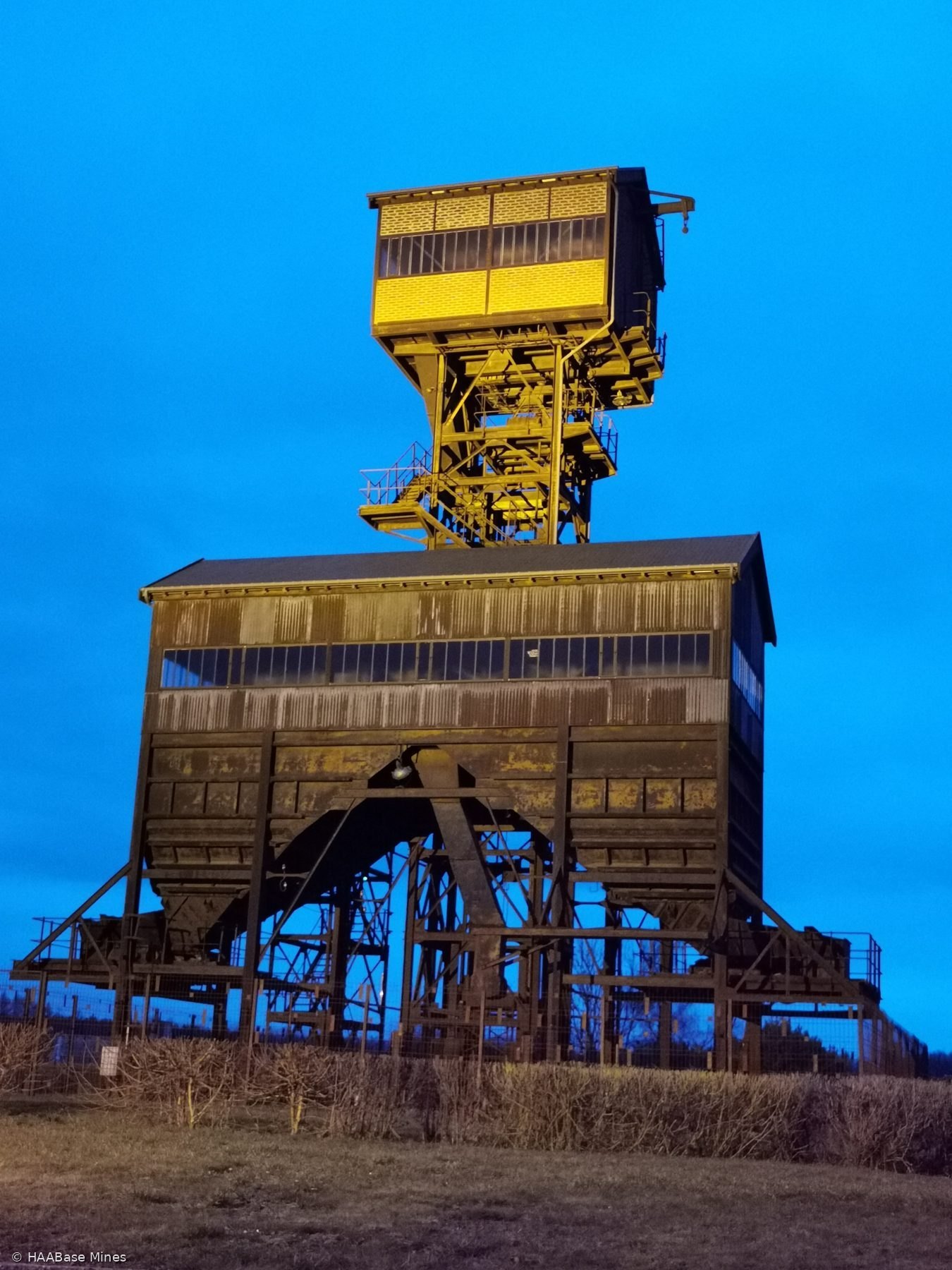
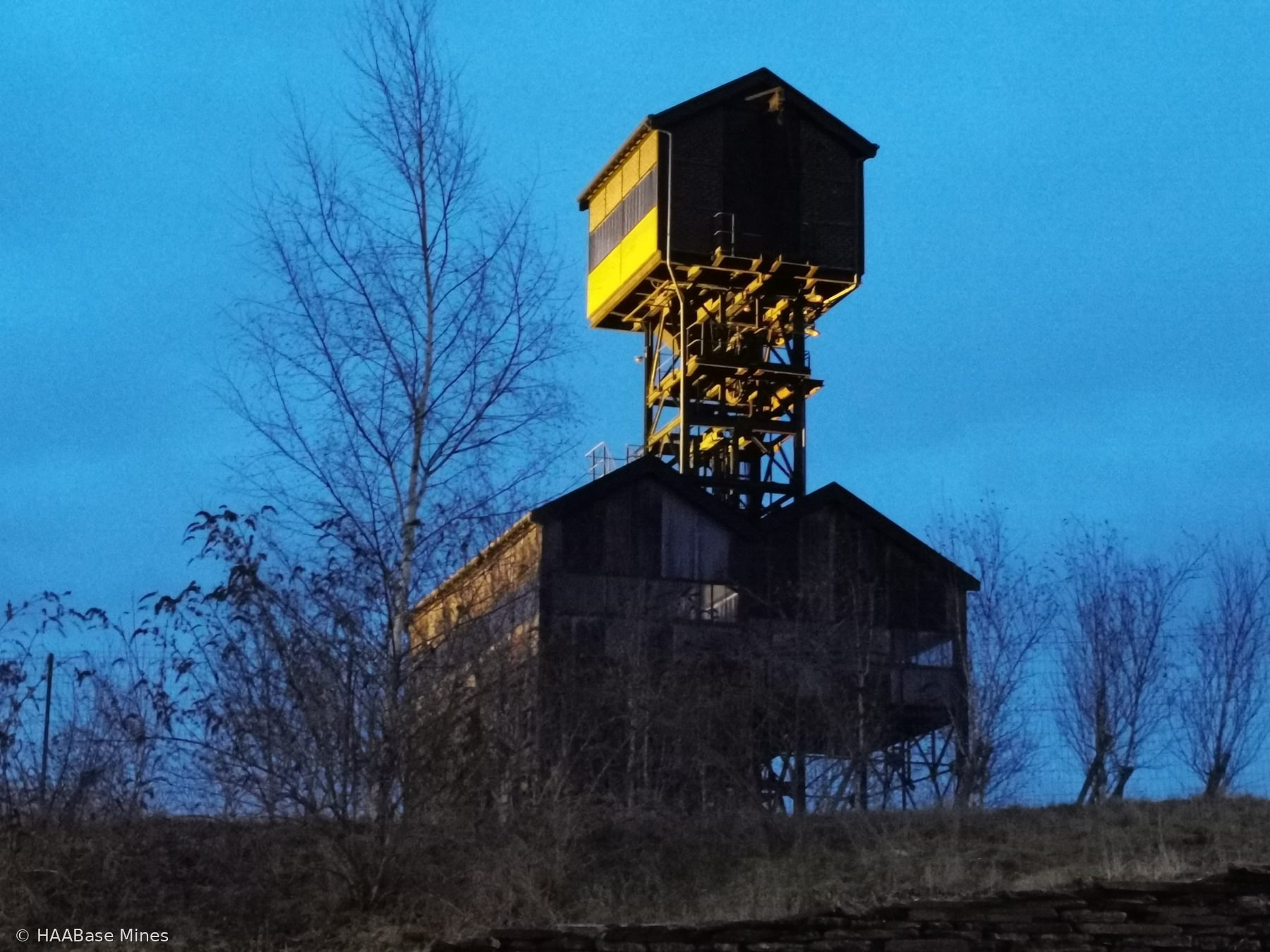
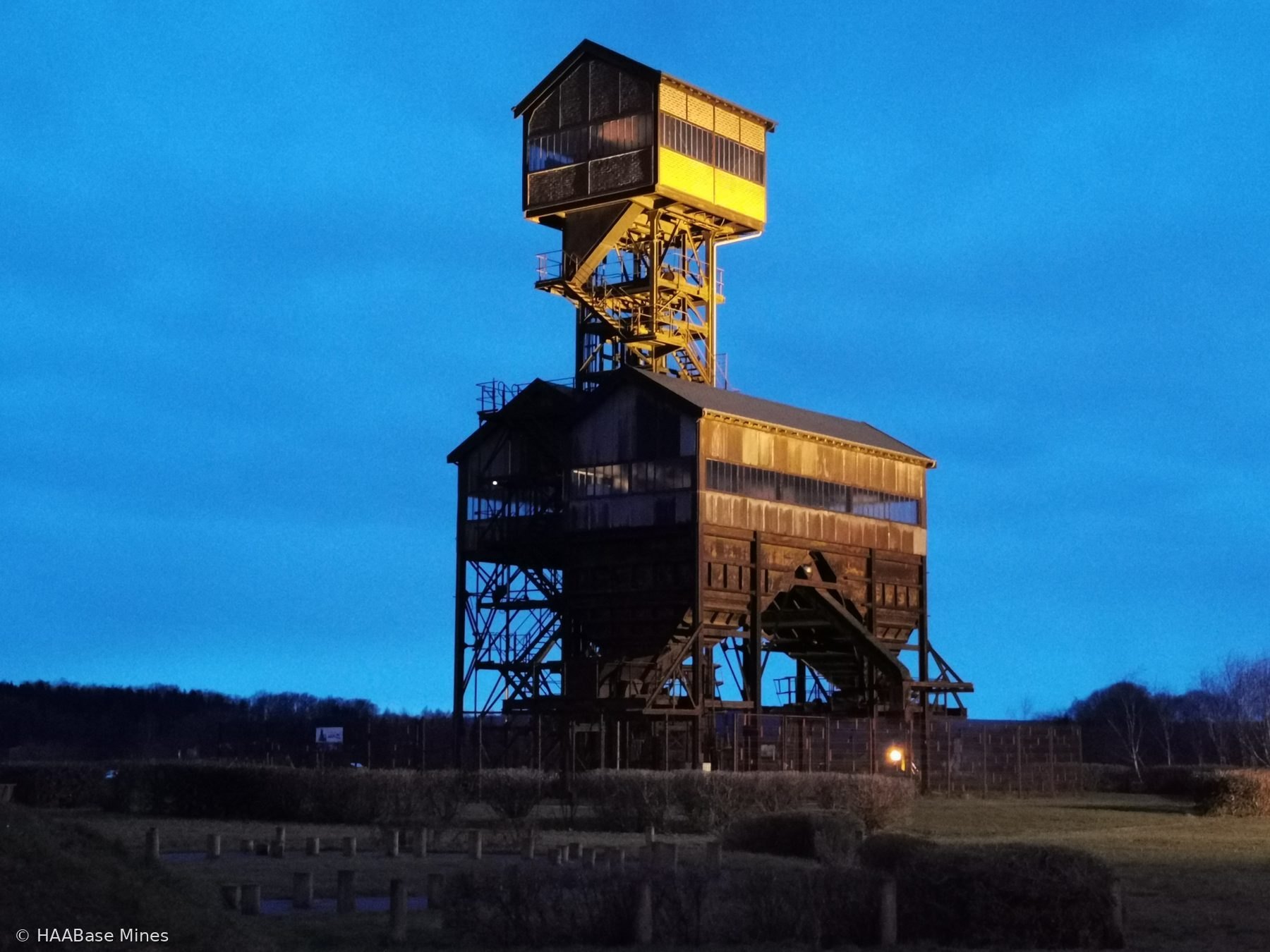
The pumps stopped, and the galleries flooded over subsequent years. The metal headframe survives as the last standing mining headframe in the Ardennes. It was inscribed at the Fondation du Patrimoine in 2021 and selected for the Mission Bern; in December 2022 funding of 170,000 euros was awarded for its restoration.

The headframe stands on the edge of Rimogne in a wooded upland landscape, where it reads as an isolated and prominent remnant above the former slate workings.

Map & photo

Fosse Saint-Quentin mine headframe or winding tower site
Photograph taken: 21 February 2026
Map markers and directions links are provided for location reference only and do not indicate public access or permission to enter a site.

History

The site at Rimogne, in the northern Ardennes, has a documented connection to slate extraction dating to at least 1158, when the abbeys of Signy, Foigny and Bonnefontaine held extraction rights over what were then called escailles or escaillères. Monastic exploitation continued until the sixteenth century, when lay owners acquired the concessions.

The fosse known later as Saint-Quentin had an earlier name, the Hallevoye, and appears in the historical record under various other denominations including Huart and Dambraine. In 1702 Jean-Baptiste Collart de Boutancourt, a senior magistrate of the sovereignty of Charleville, acquired the rights belonging to the lords of Rimogne and du Châtelet, marking what sources describe as the beginning of industrialisation at the site. Collart worked the underground deposits for approximately twenty years.

By 1785, under the direction of F. L. Pillon, the fosse Saint-Quentin produced 4.5 million slates annually and employed 35 to 45 workers. At that time it was the principal rival to the Grande Fosse at Rimogne, but both entered the capital of the Société des Ardoisières de Rimogne et de Saint-Louis-sur-Meuse in 1825. On 14 October 1831 this society was formally constituted as the Compagnie des Ardoisières de Rimogne et de Saint-Louis-sur-Meuse, subsequently absorbing the rival fosses Truffy and Pierka (1836), the Fosse aux Bois (1839), the Rocaille (1840), and Richolle (1842). By the mid-nineteenth century Rimogne was the largest slate-producing centre in the Ardennes, employing 887 workers in 1847.

In 1843 a shaft 120 metres deep was sunk at the fosse Saint-Quentin to enable the mechanical hoisting of slate in closed wagons (barils). The fosse and its workshops were documented in a series of engraved views around 1865, photographed by Emile Jacoby.

On the eve of the First World War the Compagnie des Ardoisières de Rimogne employed approximately 600 workers, producing around 30 million slates annually. The fosse Saint-Quentin was abandoned around 1906, when the director Gilotaux had just commissioned works to investigate a new seam; but the site was not definitively closed at that date. In 1947 a plan of the underground workings was drawn up. The fosse remained out of use until the late 1950s, when the decision was taken to reopen it under the direction of Antoine Flayeux.

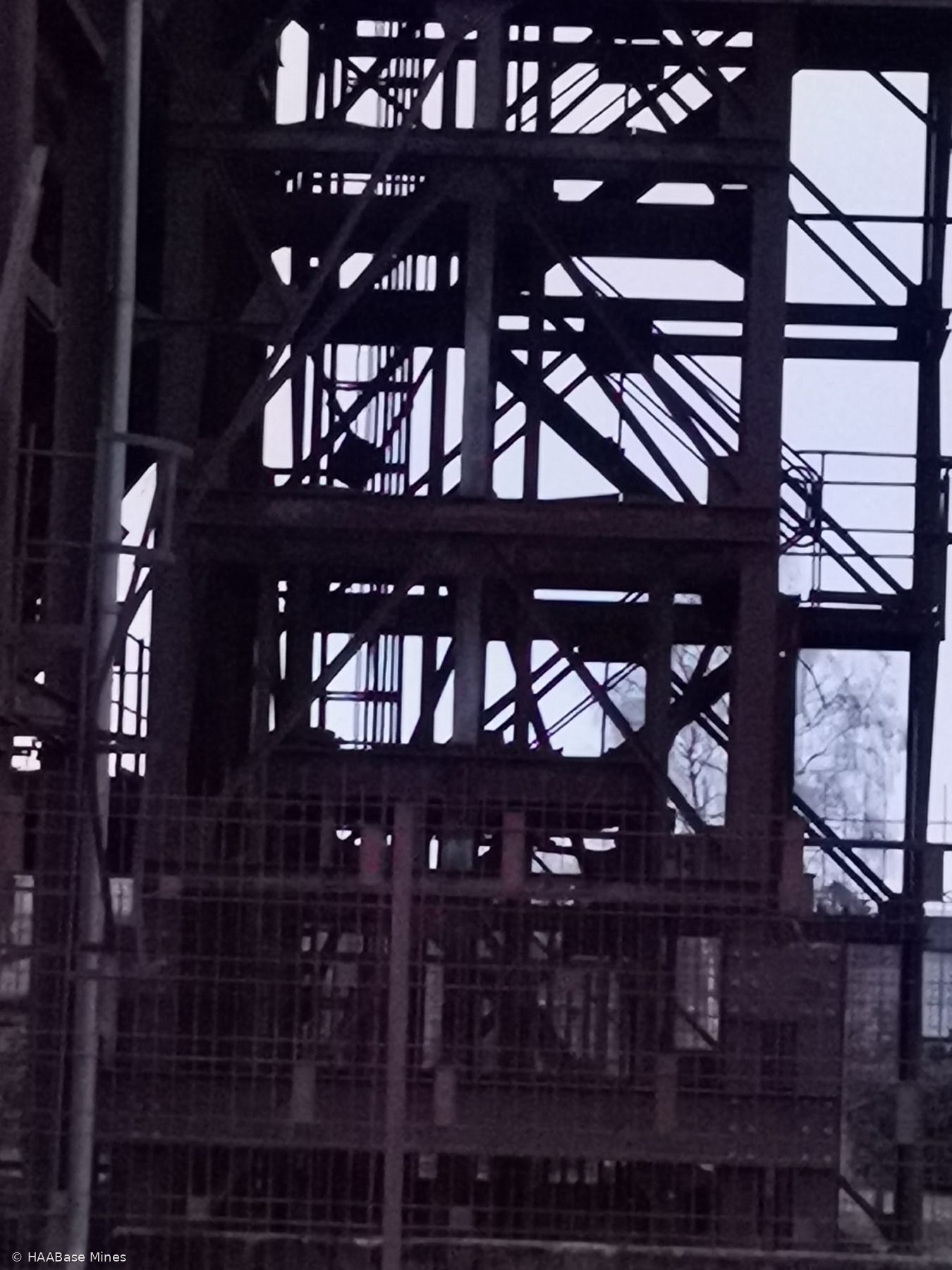
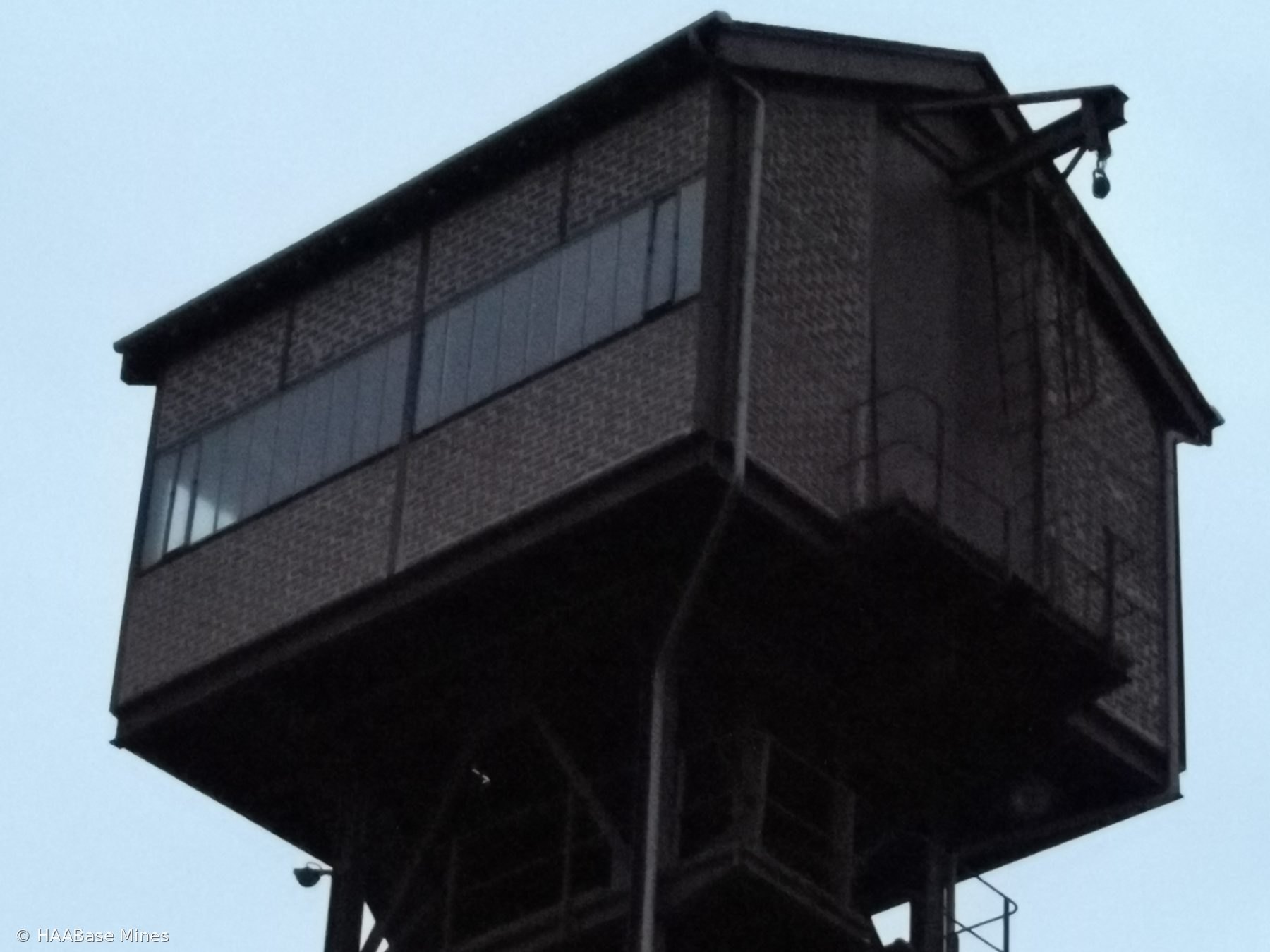
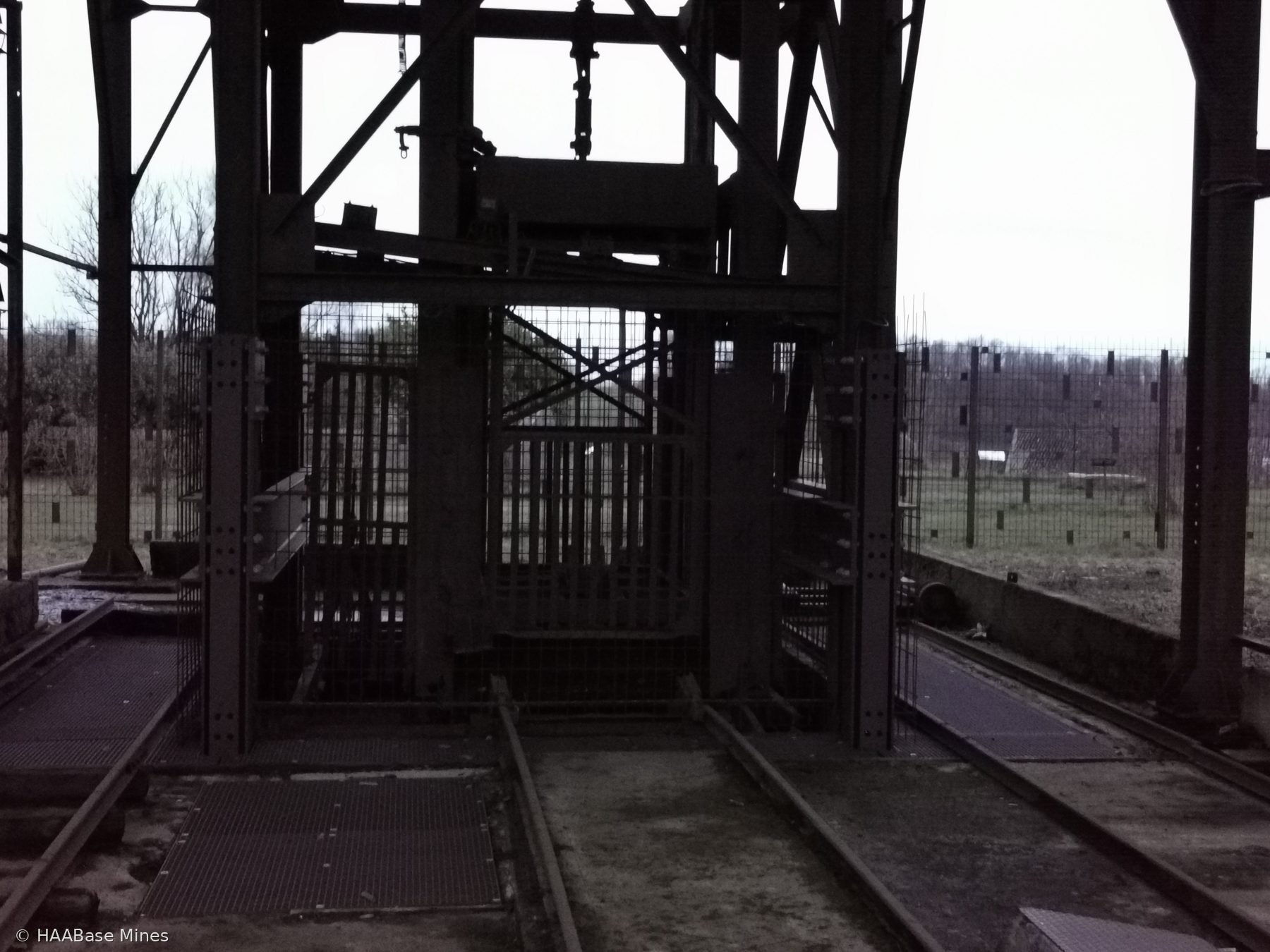
Preparatory works for the reopening began around 1958. A concrete cover plate sealing the shaft was broken open and the shaft walls were consolidated over a height of 23 metres with concrete blocks manufactured by the company's own masons; these works were completed on 30 July 1960. The metal headframe was then assembled by Venot et Cie, a structural engineering firm from Onnaing in the Nord, specialised in the erection of mining headframes. The structure, designated plan B27811, stands 25 metres high and is topped by a winding engine that hoisted a cage carrying approximately twelve workers. The winding cage operated semi-automatically and could reach a speed of 3.75 metres per second. The headframe was inaugurated on 4 December 1961 in a ceremony presided over by Monseigneur Marty, Archbishop of Reims, who celebrated a mass at the church of Saint-Brice de Rimogne.

The entire slate industry at Rimogne, including the Grande Fosse, the fosse Truffy, and the fosse Saint-Quentin, ceased all activity in 1971. The trigger for final closure at the Saint-Quentin was the death of a worker on site. When the pumps that continuously extracted water from the galleries were switched off, the workings flooded over subsequent years; approximately 25 kilometres of galleries were involved, and today about four to five kilometres remain accessible on foot at the gallery level, though these are not open to the public. The underground galleries were explored by divers from the team Cavex Minex between October 2020 and May 2021.

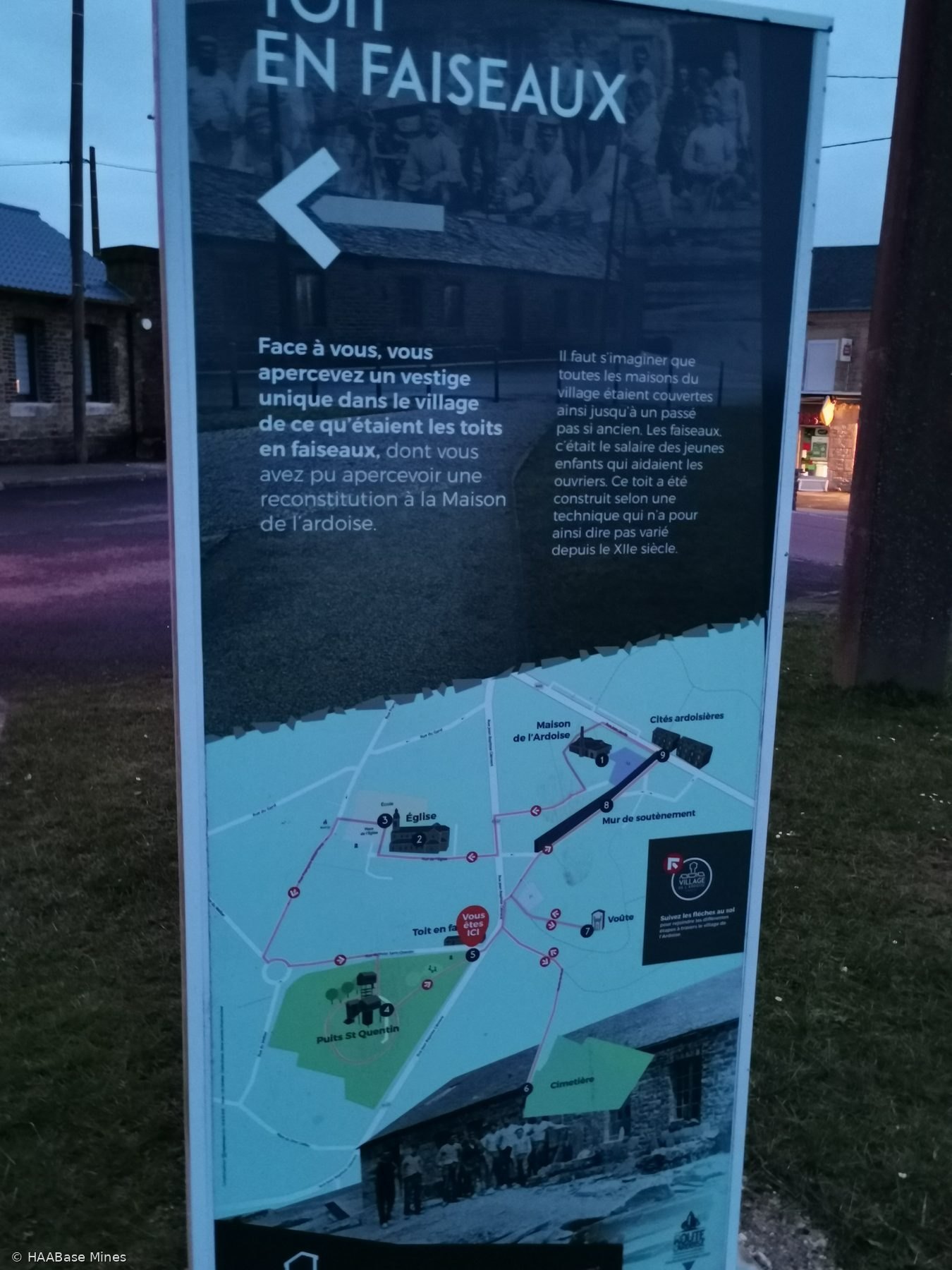
After closure, the headframe was acquired by the commune of Rimogne for a symbolic sum. The workshops attached to the fosse were subsequently destroyed by fire. The headframe remains the last surviving mining headframe in the Ardennes. A park surrounding it was laid out with sculptural works by the Ardennes artist Hubert Pauget representing slate workers, and a trail presenting the history of the fosse was installed.

On 30 August 2021 the headframe was registered at the Fondation du Patrimoine and subsequently selected for the Mission Bern, a national programme for endangered heritage supported by the Fondation du Patrimoine, the Ministère de la Culture, and the Française des Jeux. On 5 December 2022, the Fondation du Patrimoine and its partners awarded two payments totalling 170,000 euros to the commune of Rimogne for the restoration of the headframe. Restoration works began in 2023, comprising renewal of the roofing and cladding; the first level of the headframe is planned to be opened to visitors as a viewpoint over the village.
Timeline

1158
Legislation

Earliest documented concessions at Rimogne

The first documented slate concessions at Rimogne are recorded from 1158, when three abbeys — Signy, Foigny and Bonnefontaine — held exploitation rights over the escaillères. Monastic extraction is older but unattested in surviving sources.
1702
Legislation

Concession acquired by Jean-Baptiste Collart de Boutancourt

The rights belonging to the lords of Rimogne and du Châtelet were purchased in 1702 by Jean-Baptiste Collart de Boutancourt, who worked the underground deposits for approximately twenty years.
1785
Operation

Fosse Saint-Quentin produces 4.5 million slates with 35–45 workers

Under the direction of F. L. Pillon, Saint-Quentin produced 4.5 million slates annually and employed between 35 and 45 workers, making it the principal rival to the Grande Fosse.
1825
Legislation

Fosse Saint-Quentin enters capital of the Société des Ardoisières de Rimogne

Both the fosse Saint-Quentin and the Grande Fosse joined the capital of the Société des Ardoisières de Rimogne et de Saint-Louis-sur-Meuse in 1825.
1831
Legislation

Compagnie des Ardoisières de Rimogne et de Saint-Louis-sur-Meuse formally constituted

On 14 October 1831 the Compagnie des Ardoisières de Rimogne et de Saint-Louis-sur-Meuse was formally constituted, subsequently absorbing several rival fosses.
1843
Construction

Shaft of 120 metres sunk for mechanical hoisting

In 1843 a shaft 120 metres deep was sunk at the fosse Saint-Quentin to enable the mechanical hoisting of slate in closed wagons (barils).
1906
Closure

Fosse Saint-Quentin abandoned

Around 1906 the fosse Saint-Quentin was abandoned, at the time when the director Gilotaux had just commissioned works to investigate a new seam.
1947
Heritage

Survey plan of underground workings drawn up

In 1947 a plan of the underground workings of the fosse Saint-Quentin was drawn up.
1958–1960
Construction

Shaft reopened and walls consolidated

From approximately 1958, preparatory works for the reopening of the fosse were carried out. The concrete cover plate was removed and the shaft walls consolidated over 23 metres with concrete blocks; these works were completed on 30 July 1960.
1961
Construction

Metal headframe erected and inaugurated

The metal headframe, 25 metres high and assembled by Venot et Cie of Onnaing (Nord), was inaugurated on 4 December 1961. The structure was equipped with a semi-automatic winding cage capable of carrying approximately twelve workers at up to 3.75 metres per second.
1961–1971
Operation

Fosse Saint-Quentin in production with new headframe

From its 1961 reopening until the final closure of the Rimogne slate industry, the fosse Saint-Quentin operated with the new headframe providing mechanised access and hoisting.
1971
Closure

Final closure; galleries flood after pumps stop

In 1971 the death of a worker on site precipitated the final closure of the fosse Saint-Quentin and the entire Rimogne slate industry. When the exhaure pumps were switched off, approximately 25 kilometres of galleries flooded over subsequent years.
1971
Heritage

Headframe acquired by commune of Rimogne

After closure the headframe was acquired by the commune of Rimogne for a nominal sum. The workshops around the fosse were later destroyed by fire.
2020–2021
Heritage

Underwater exploration of flooded galleries

Between October 2020 and May 2021, a team of four divers from Team Cavex Minex explored the flooded galleries of the former ardoisière at a depth of approximately 80 metres, documenting the submerged industrial heritage.
2021
Heritage

Headframe registered at Fondation du Patrimoine; selected for Mission Bern

On 30 August 2021 the headframe of the puits Saint-Quentin was registered at the Fondation du Patrimoine and subsequently selected for the Mission Bern heritage programme for endangered monuments.
2022
Heritage

Restoration funding of 170,000 euros awarded

On 5 December 2022, the Fondation du Patrimoine and its partners — the Française des Jeux, the Ministère de la Culture, and Primagaz — awarded two payments totalling 170,000 euros to the commune of Rimogne for the restoration of the headframe, covering renewal of the roofing and cladding.

Sources and records

Ardennes-toujours.fr article: Le chevalement du Puits Saint-Quentin de Rimogne (referencing A l'ombre de Saint-Brice, Revue annuelle d'histoire sur Rimogne no. 5, July 2023, and former director Christian Schneider)
Inventaire Général du Patrimoine Culturel, Champagne-Ardenne: dossier IA08000538 (Ardoisière dite Fosse Saint-Quentin, Rimogne, 2007)
Inventaire Général du Patrimoine Culturel, Champagne-Ardenne: dossier on ardoisières of the Ardennes department
Fondation du Patrimoine project page: Chevalement minier de Rimogne
France Bleu Grand Est report: Patrimoine minier à Rimogne, Léon va voir revivre le puits Saint-Quentin (April 2023)
Exxplore.fr: dossier on ardoisières des Ardennes
Usine Nouvelle report: A Rimogne, les habitants redécouvrent leur ancienne ardoisière (August 2021)
Route de l'Ardoise: Rimogne, le Village de l'Ardoise
Inventaire Général du Patrimoine Culturel, Grand Est: Usines d'extraction et usines de préparation de produit minéral (regional heritage survey, Châlons-en-Champagne)
Archives Départementales des Ardennes, service éducatif: Les ardoisières (pedagogical document)
Mines et Patrimoine: survey of surviving French mine headframes
This researched site record is part of the HAABase Mines database. Normal personal research and browsing is welcome. Automated bulk extraction, republication, or harvesting of site text and images is not permitted without written consent.