History
The coalfield at Fresnes-sur-Escaut is the earliest documented site of coal extraction in the bassin minier du Nord-Pas-de-Calais. In 1720, after a campaign of prospecting directed by Jean-Jacques Desandrouin, a coal seam was found in a meadow belonging to a woman named Jeanne Colard; subsequent exploitation gave the first working fosse at this location the name fosse Jeanne Colard. The Compagnie des mines d'Anzin was formally constituted on 19 November 1757 by the merger of several prospecting societies, with its concession area spanning coal-bearing land at Fresnes-sur-Escaut, Anzin, Vieux-Condé, Raismes and Saint-Vaast.
The fosse du Sarteau was opened by the Compagnie des mines d'Anzin at the extreme north of Fresnes-sur-Escaut, close to the communal boundary with Odomez. Sinking of puits no 1, also called the puits d'extraction or puits Sud, began on 4 June 1822. Because of the proximity of the River Escaut, water inflows were extremely abundant. The coal-bearing strata were reached at a depth of 39 metres on 10 January 1823, after seven months of work for this comparatively shallow depth. The extraction shaft began producing coal in 1823.
The drainage shaft of the Sarteau, also known as puits Nord or puits no 2, was begun on 8 August 1823, at about thirty metres to the east-south-east of the extraction shaft. Four days after the beginning of this sinking, a sudden inrush of water flooded the extraction shaft. This incident was characteristic of the persistent difficulty the fosse faced throughout its working life from the proximity of the Escaut. The drainage shaft had a diameter of 3.30 metres and was equipped with an accrochage at a depth of 57 metres.
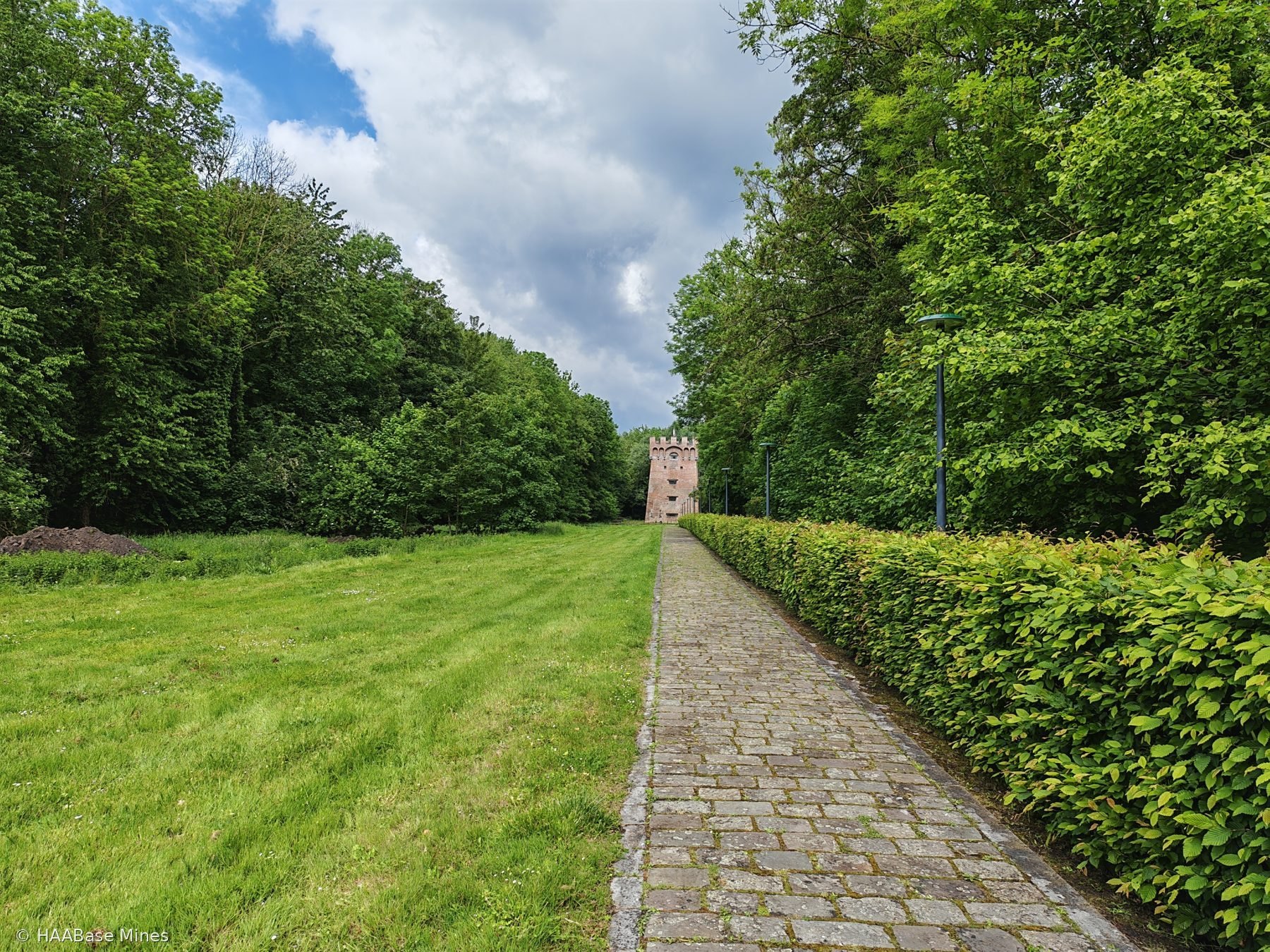
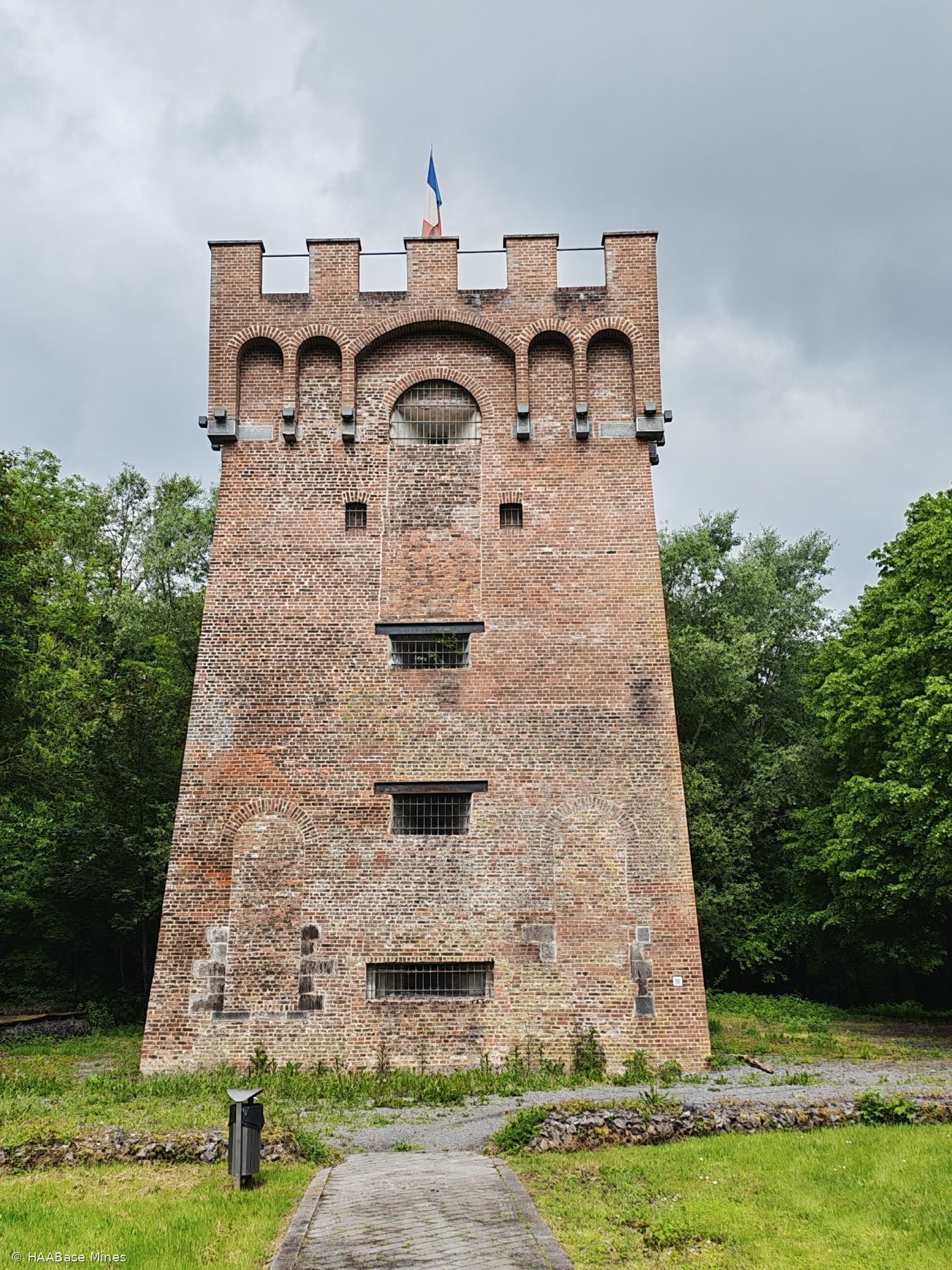
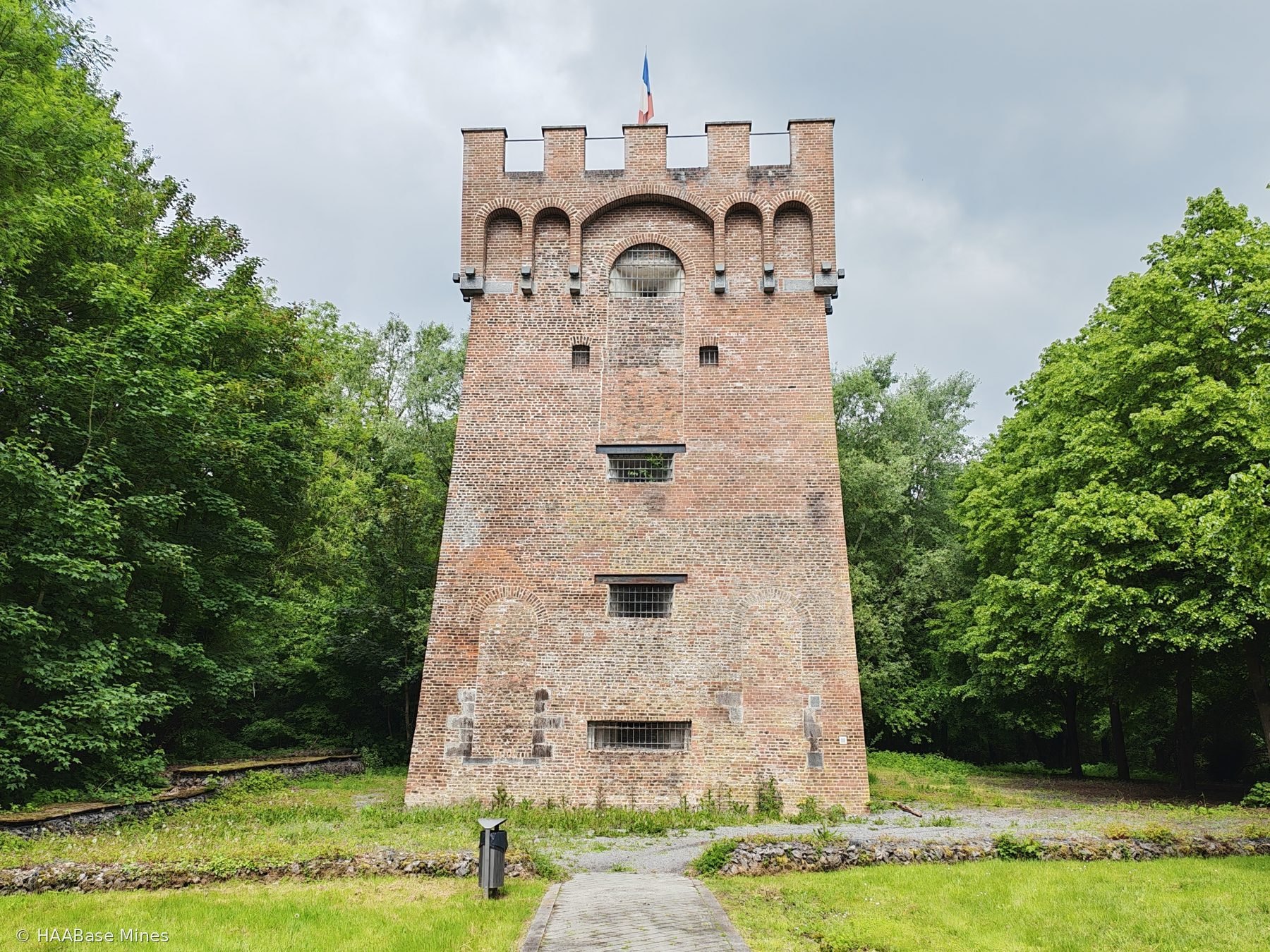
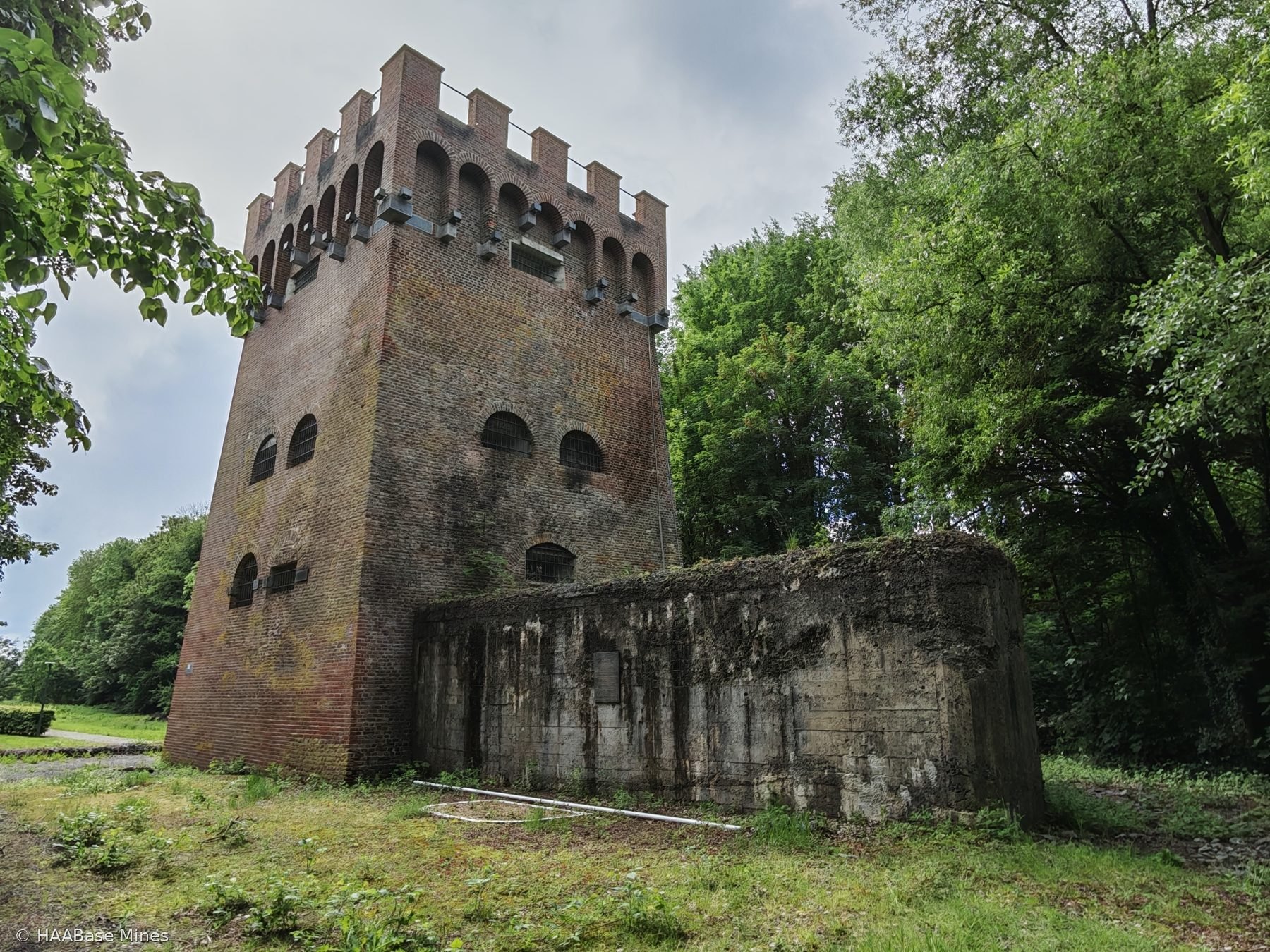
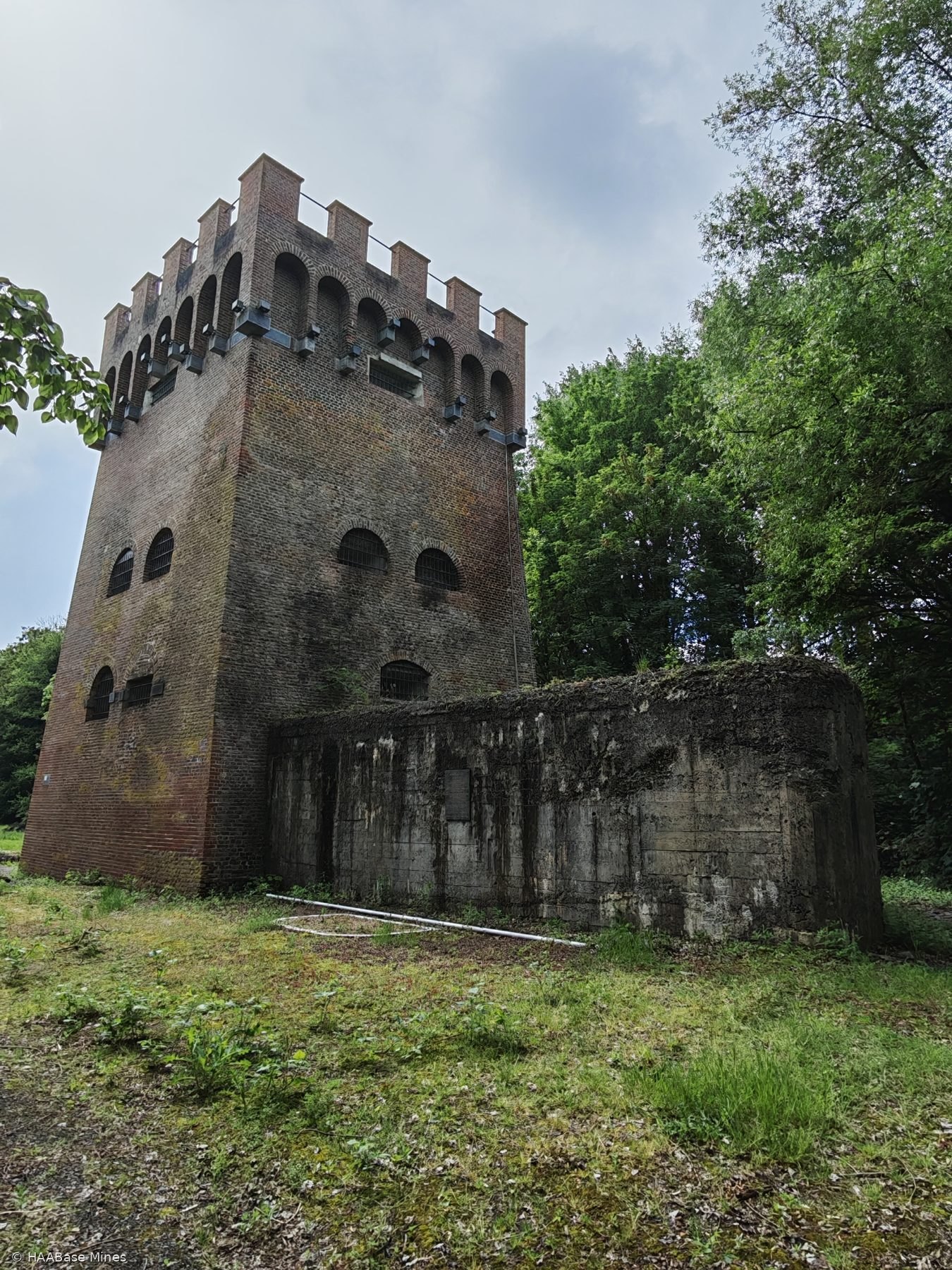
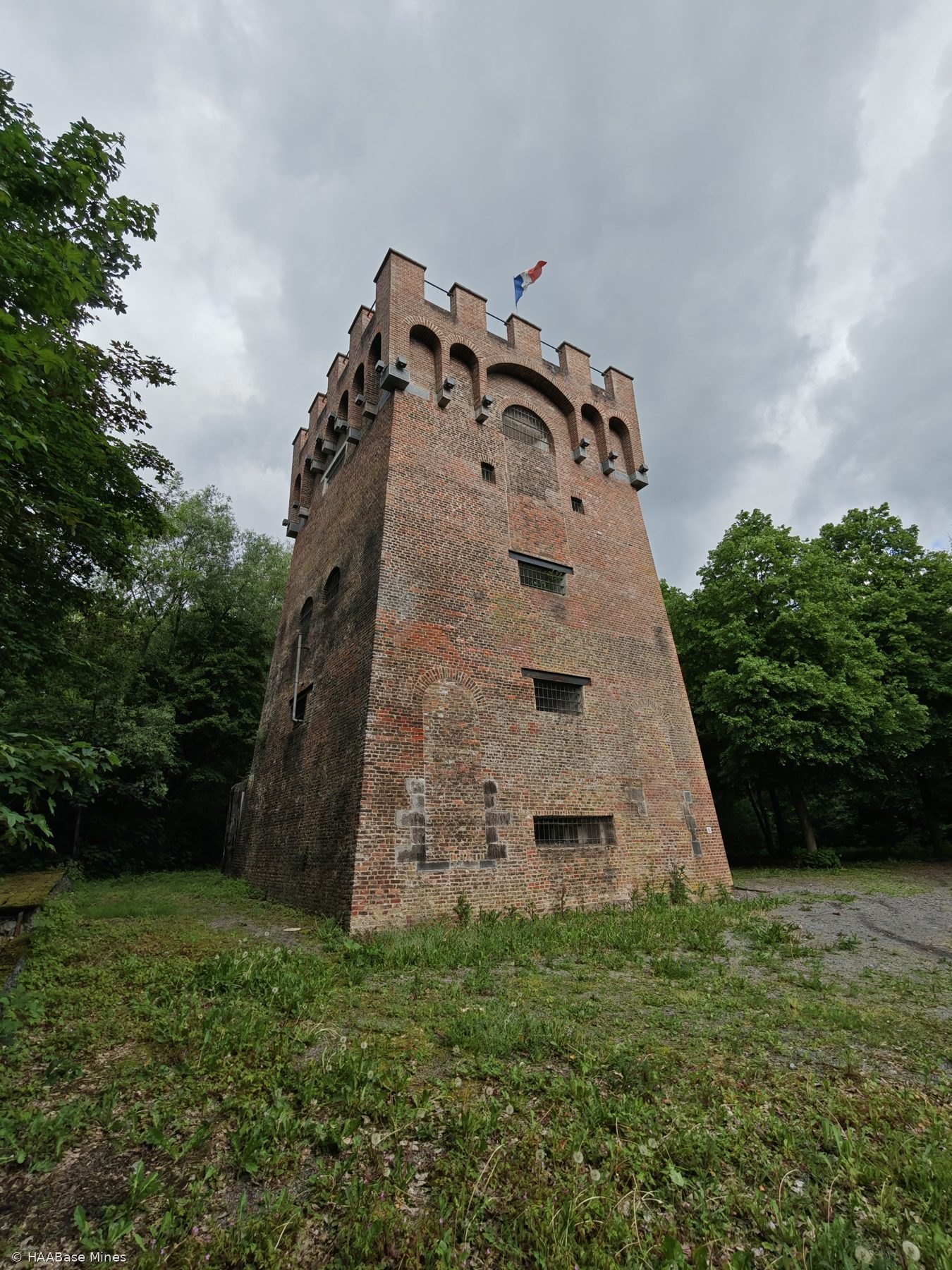
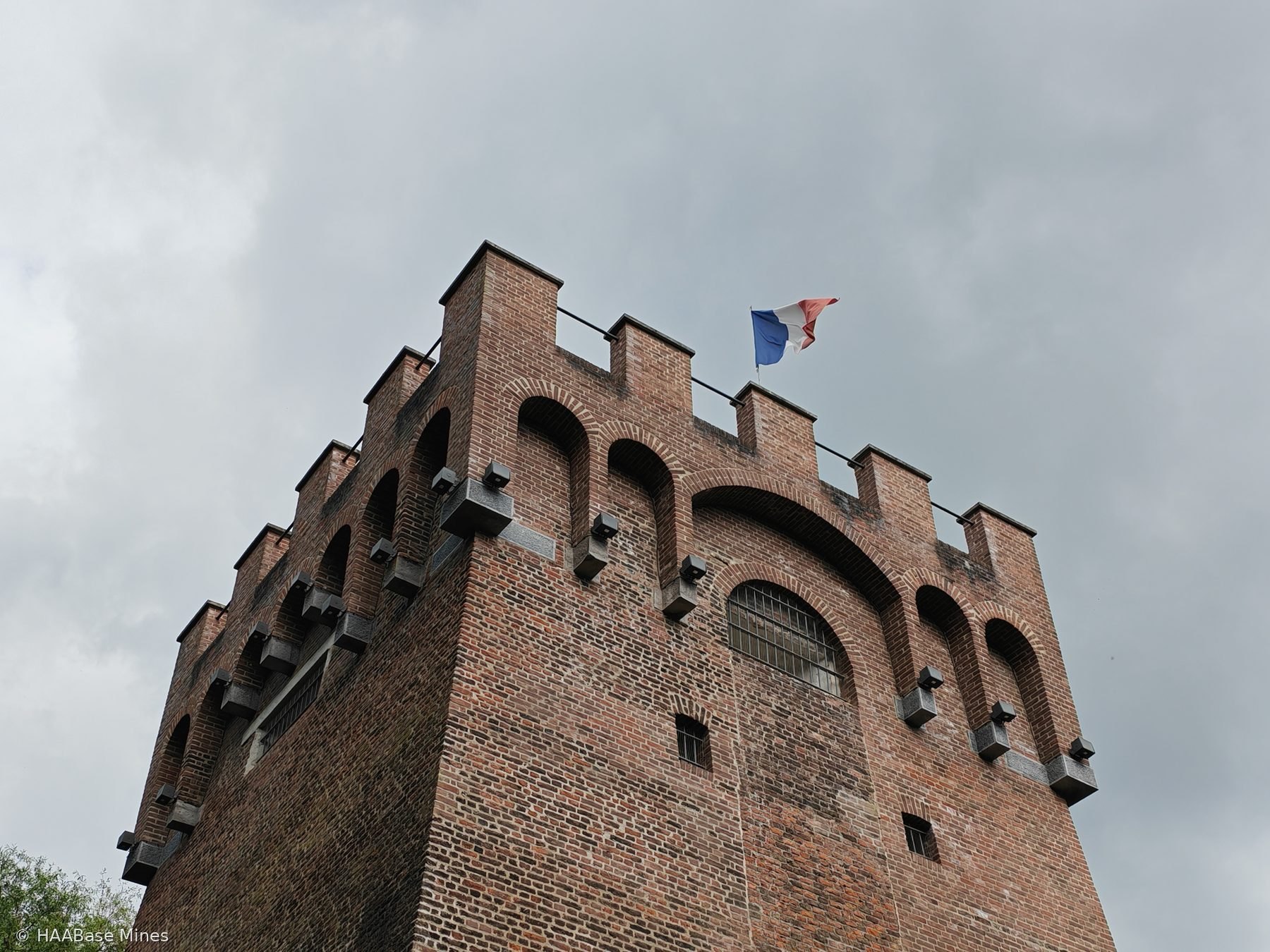
The brick winding tower over the drainage shaft — in the form of a square tower resembling a medieval keep — was constructed in stages between 1823 and 1855. Despite the constant difficulties caused by water, the fosse du Sarteau continued to produce coal. The drainage shaft was stopped in 1860. The extraction shaft was kept in use for several additional years to provide ventilation for the fosse d'Outre Wez, situated 1,640 metres to the south-east; when that fosse in turn ceased extraction, the puits d'extraction was definitively abandoned in 1867 at a depth of 165 metres. The drainage shaft, which was 116 metres deep, was backfilled in 1883. Its brick tower was never demolished.
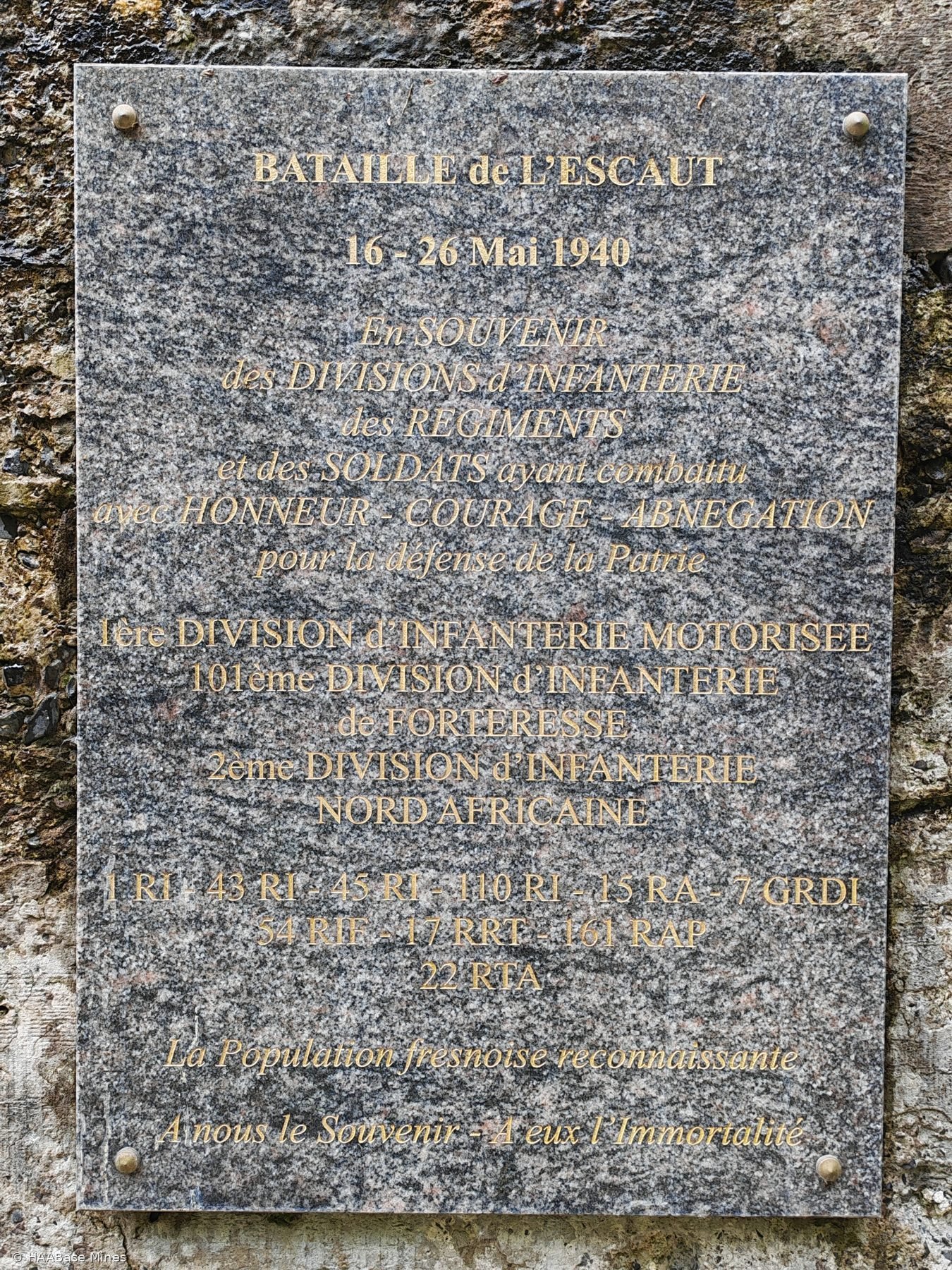
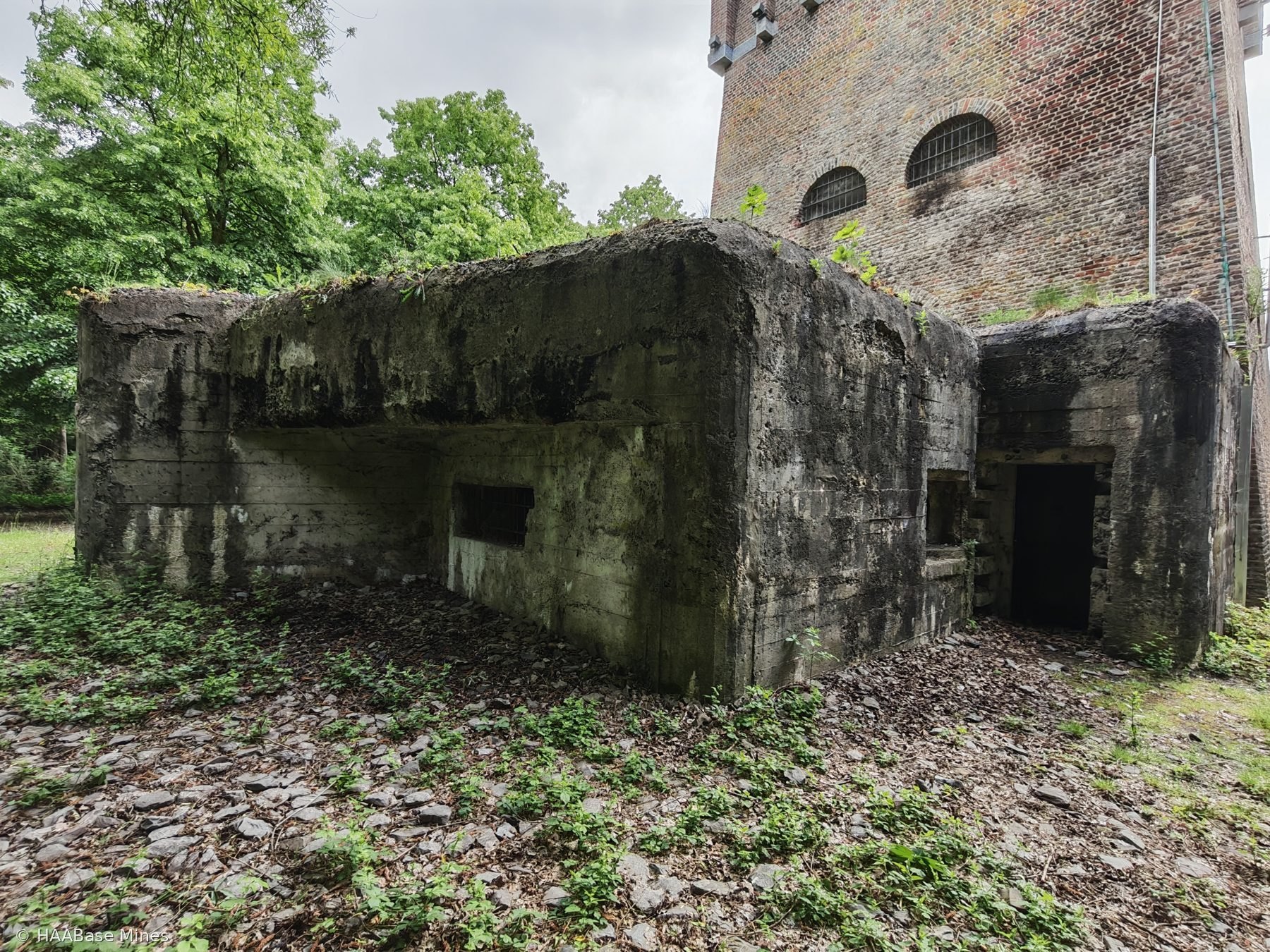
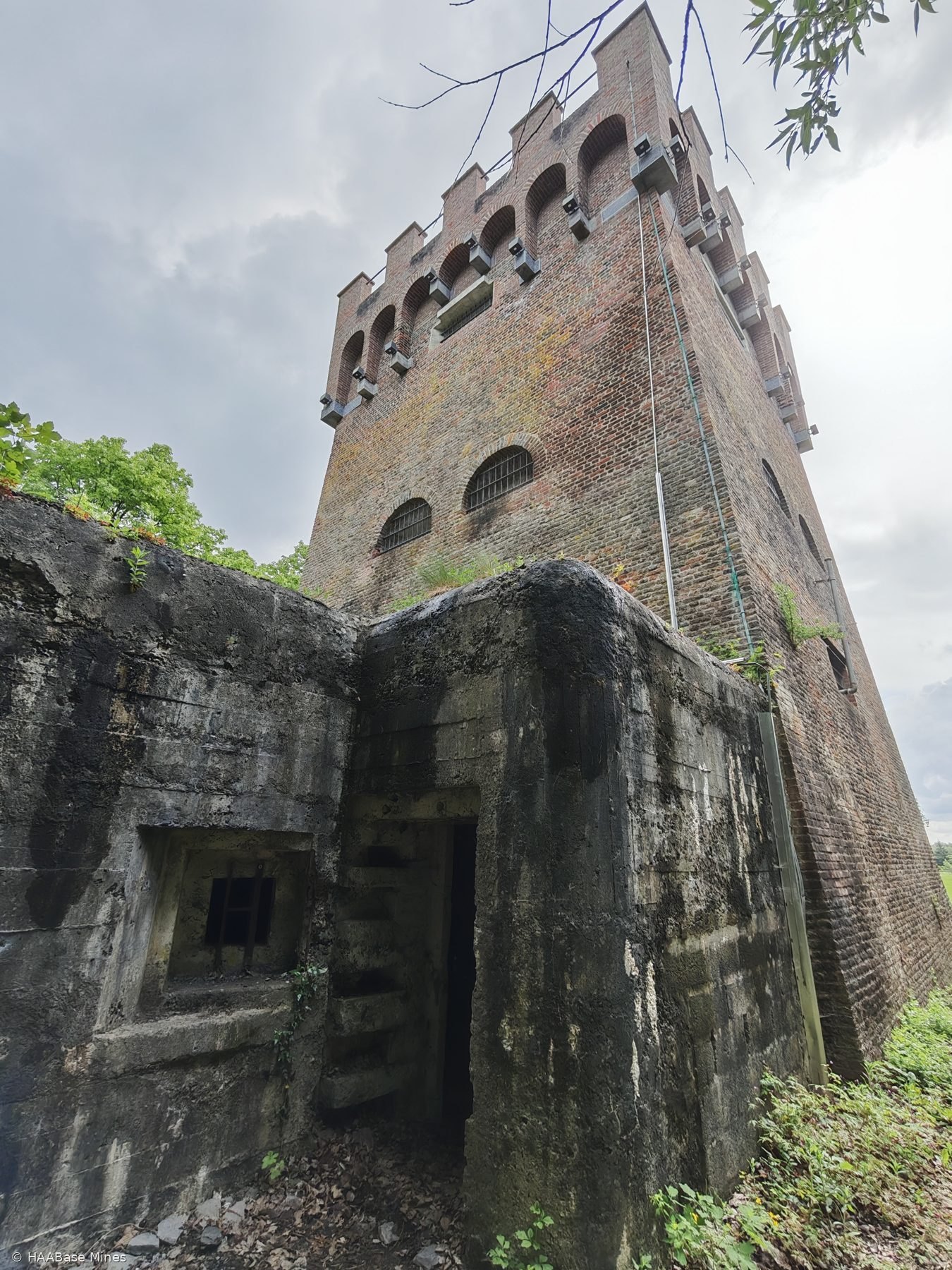
During the First World War the tower was converted for military use. In 1938 it was requisitioned by the army, which constructed a casemate to the north and completely concreted the interior of the tower, creating a blockhouse known as the Bloc Gré, fitted with firing apertures on three storeys for machine guns. On 22 May 1940 the structure was held by the 1st battalion of the 54th R.I.F. After the war the building fell into disuse and was acquired by the commune of Fresnes-sur-Escaut in 1984.
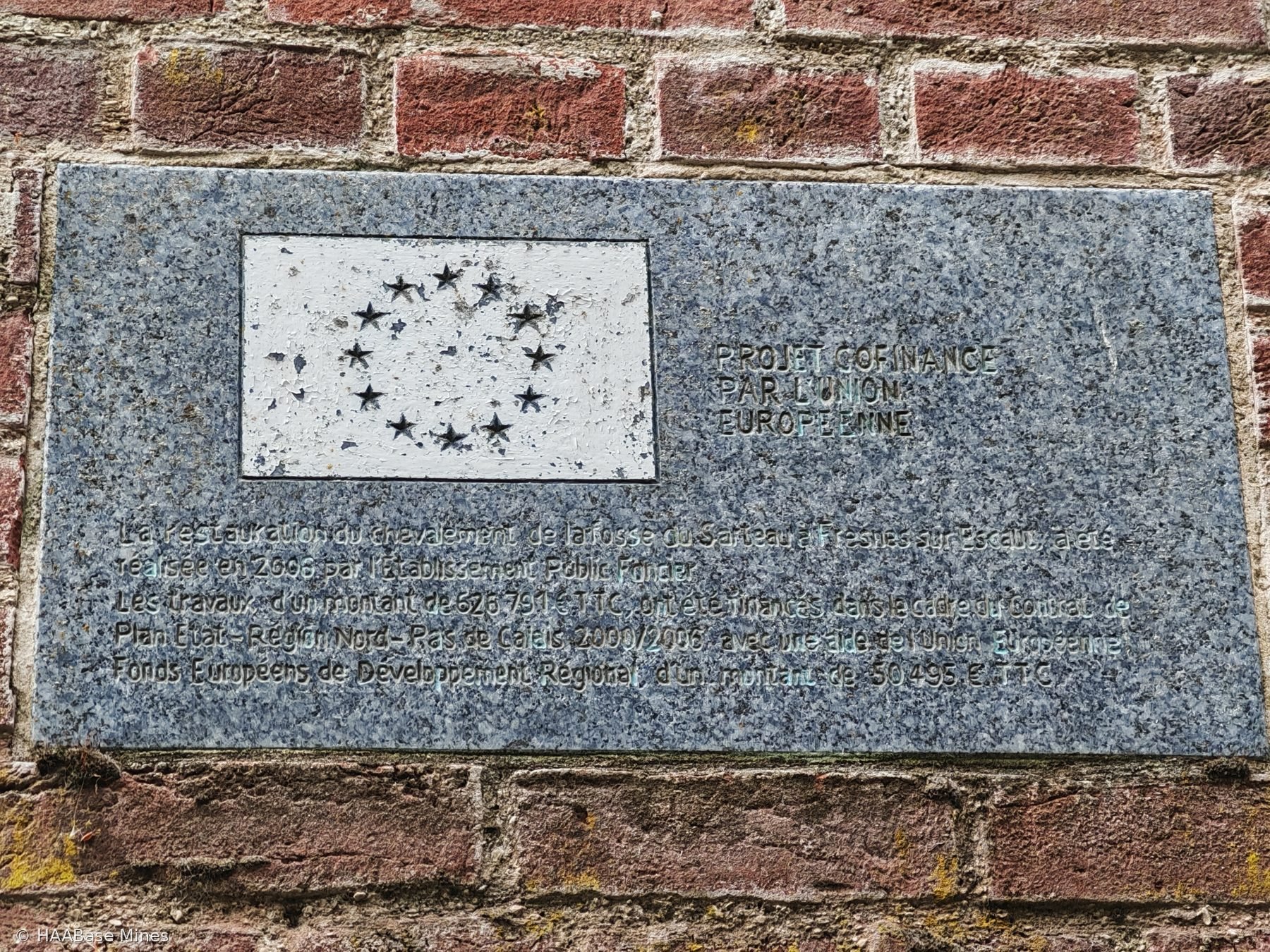
The brick tower and its military fittings were first inscribed on the supplementary inventory of monuments historiques by arrêté of 8 October 1984. This inscription was superseded by a full classification by arrêté of 9 March 1999. The commune undertook a complete renovation of the structure between 1992 and 2007 at a cost of 626,792 euros, co-financed by the FEDER (Fonds Européen de Développement Économique Régional).
In the early twenty-first century Charbonnages de France materialised the shaft heads of the Sarteau extraction and drainage puits, and installed a methane-gas outlet at the drainage shaft. The BRGM conducts annual inspections. The fosse du Sarteau was inscribed on the UNESCO World Heritage List on 30 June 2012 as site no 4 of the Bassin minier du Nord-Pas-de-Calais. The inscribed perimeter includes the materialised shaft head of the extraction puits (1823-1861), the bunker, its firing aperture, the gas outlet, and the overall ensemble of the drainage puits. Terril no 190, known as Pont du Sarteau, is a flat, low, and wooded spoil heap lying south of the fosse along the former railway line from Saint-Amand-les-Eaux to Blanc-Misseron; it has been partially exploited.