Site overview

The Carreau Rodolphe at Pulversheim, in the Haut-Rhin, is the sole surviving intact carreau of the Bassin potassique d'Alsace, and the most important mining site established by the Kali Sainte-Thérèse (KST) company. The potash gisement was discovered in 1904 by Amélie and Albert Zürcher, Joseph Vogt, and Jean-Baptiste Grisez. KST was founded in 1910 by Joseph Vogt to exploit concessions at Pulversheim, Ungersheim, Ensisheim, and Battenheim.

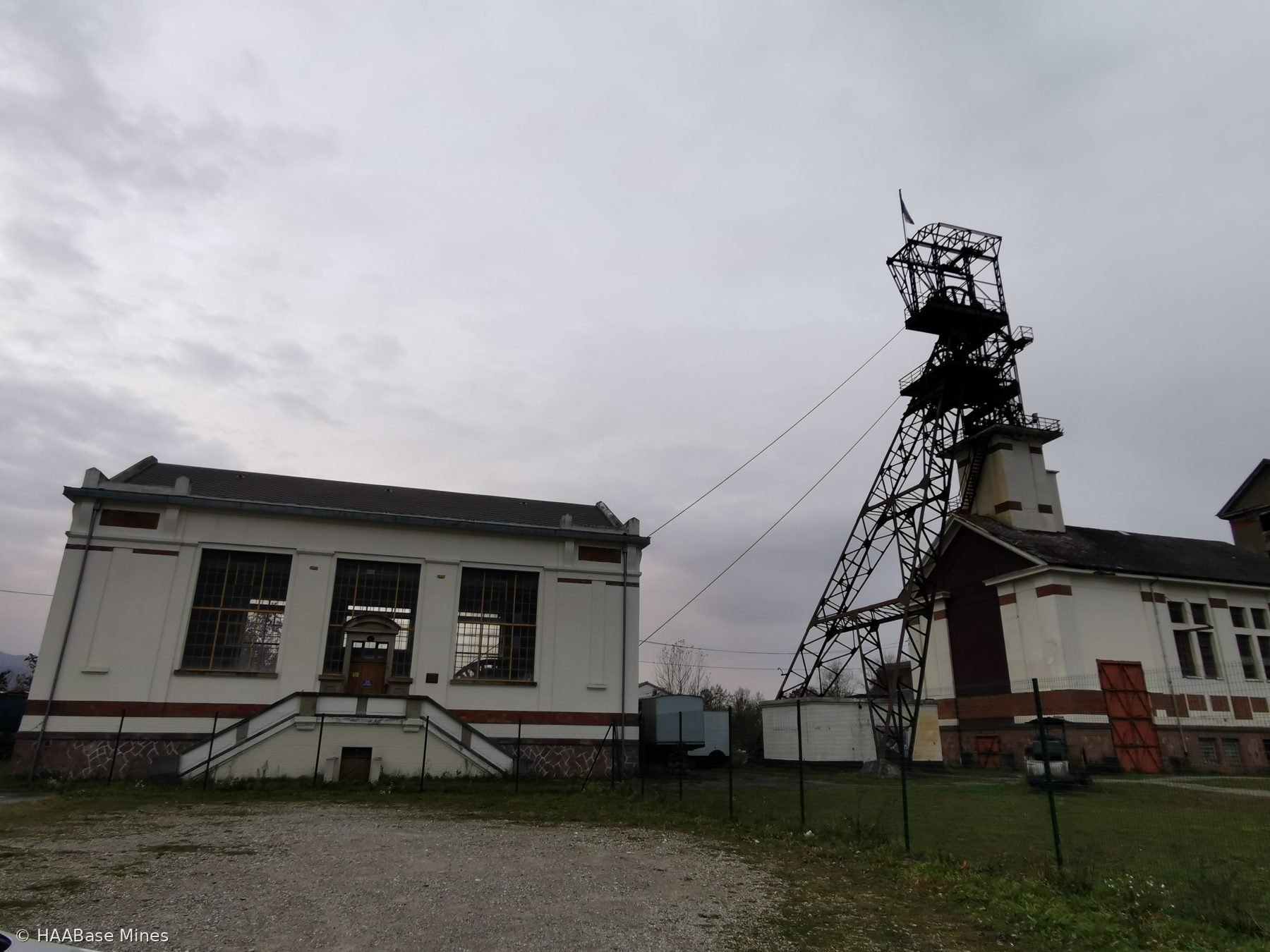
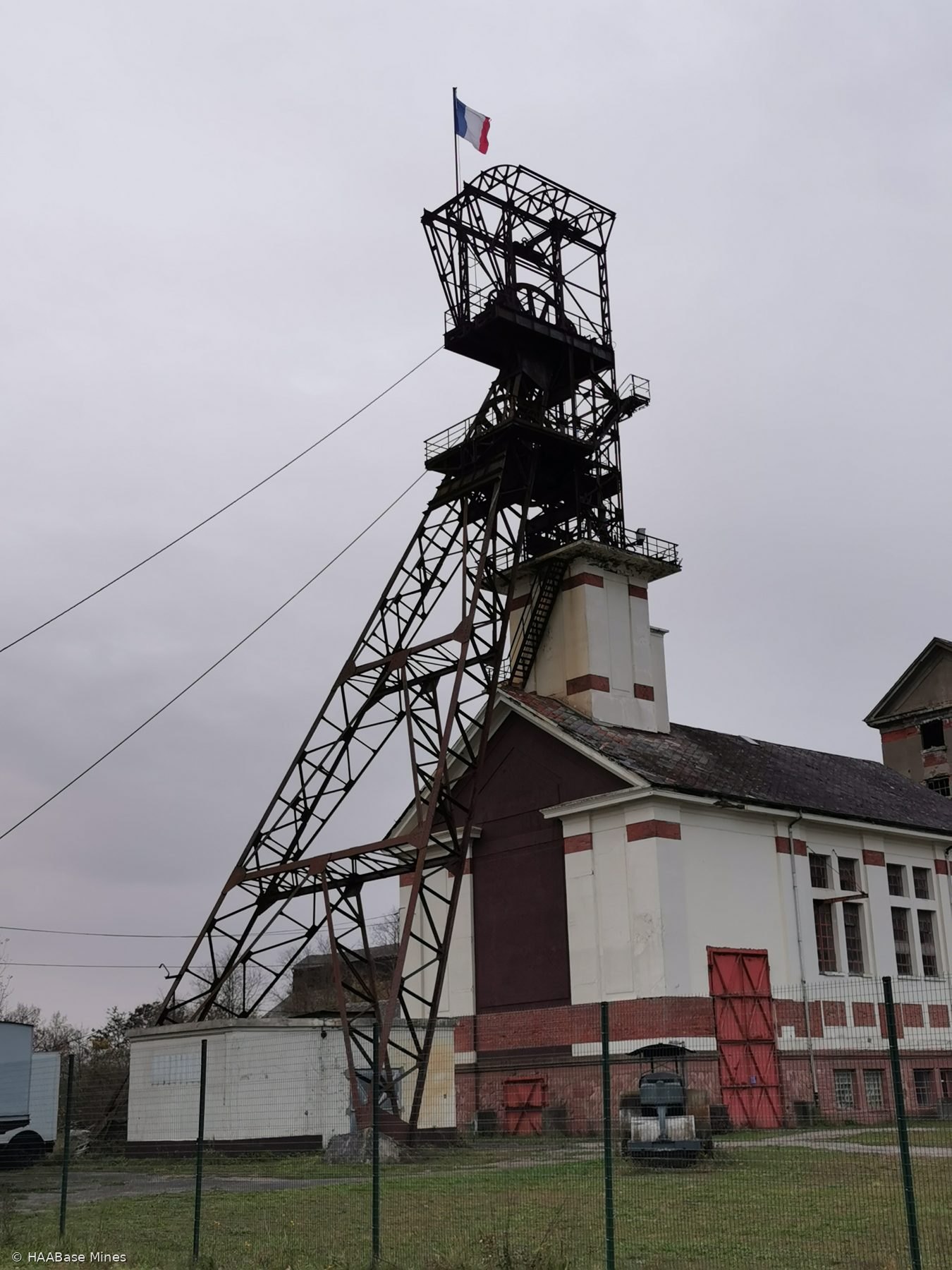
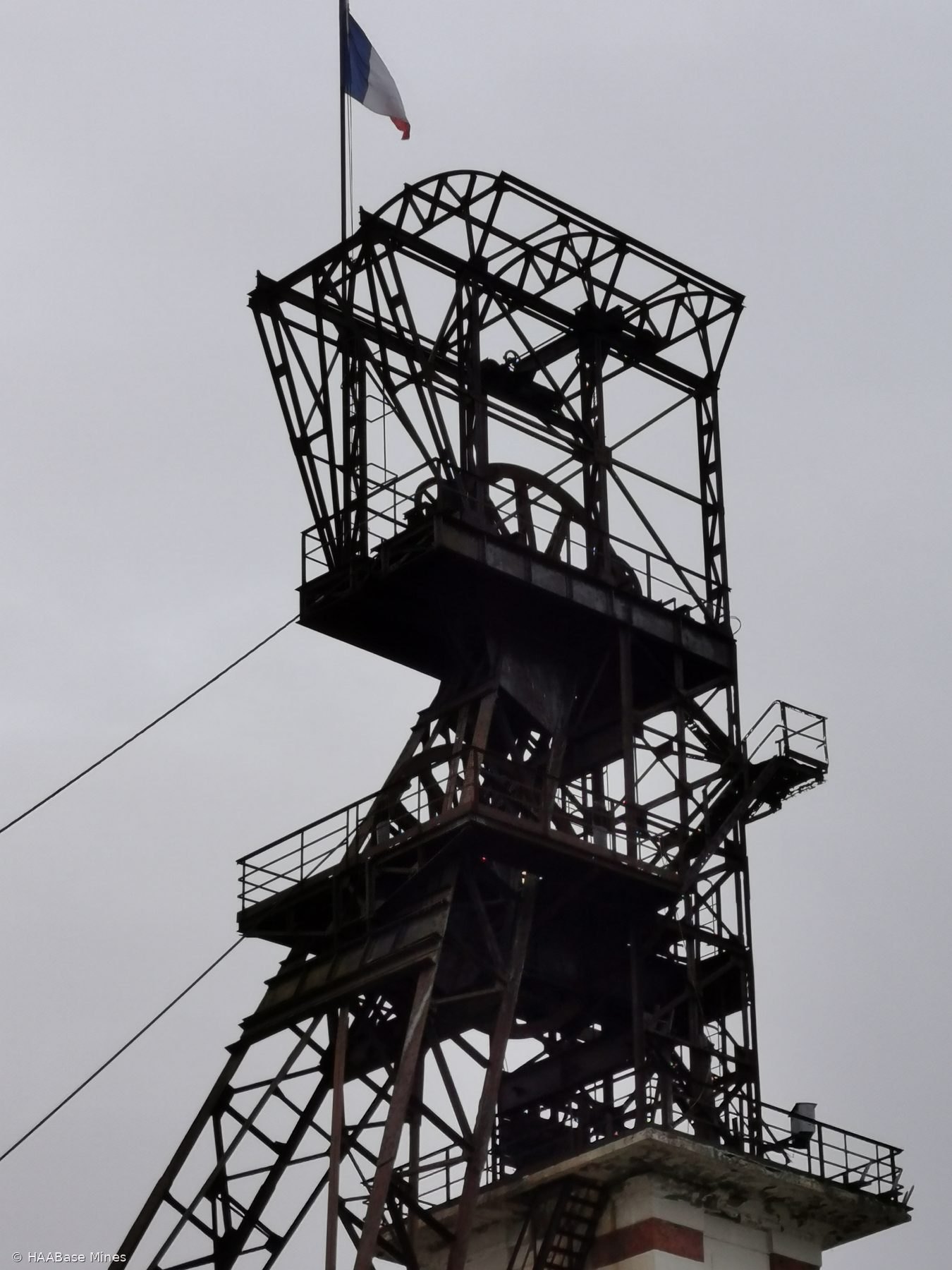
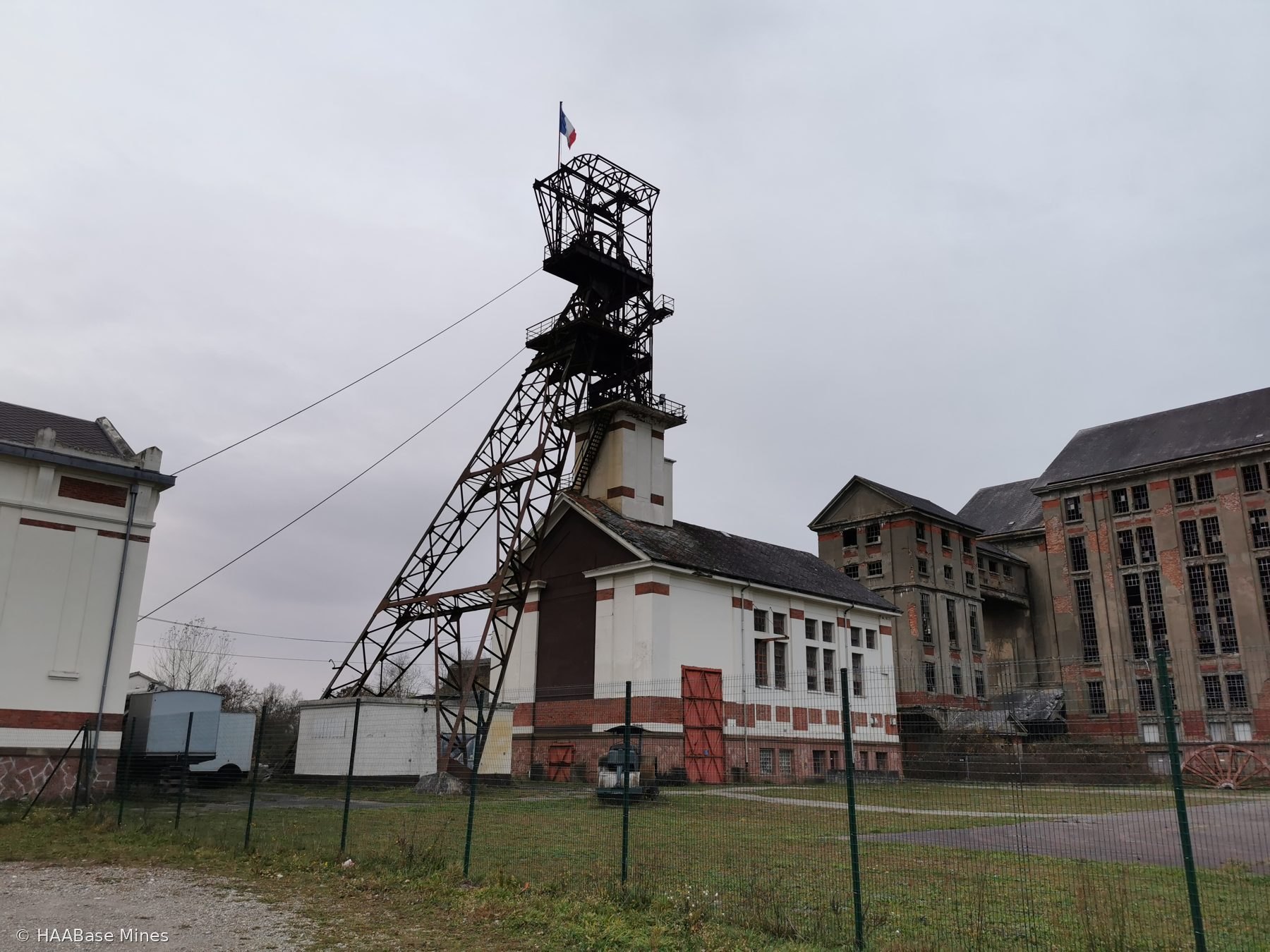
Fonçage of puits Rodolphe no. 1 began in January 1911; the lower potash layer was reached at 694.25 metres on 1 August 1913 and the shaft completed at 711 metres. The 40-metre steel headframe was built by Zehne-Tscheiller in 1911–1912. Damage from a French aerial bomb in 1914 impaired the chevalement; it was restored in 1919.

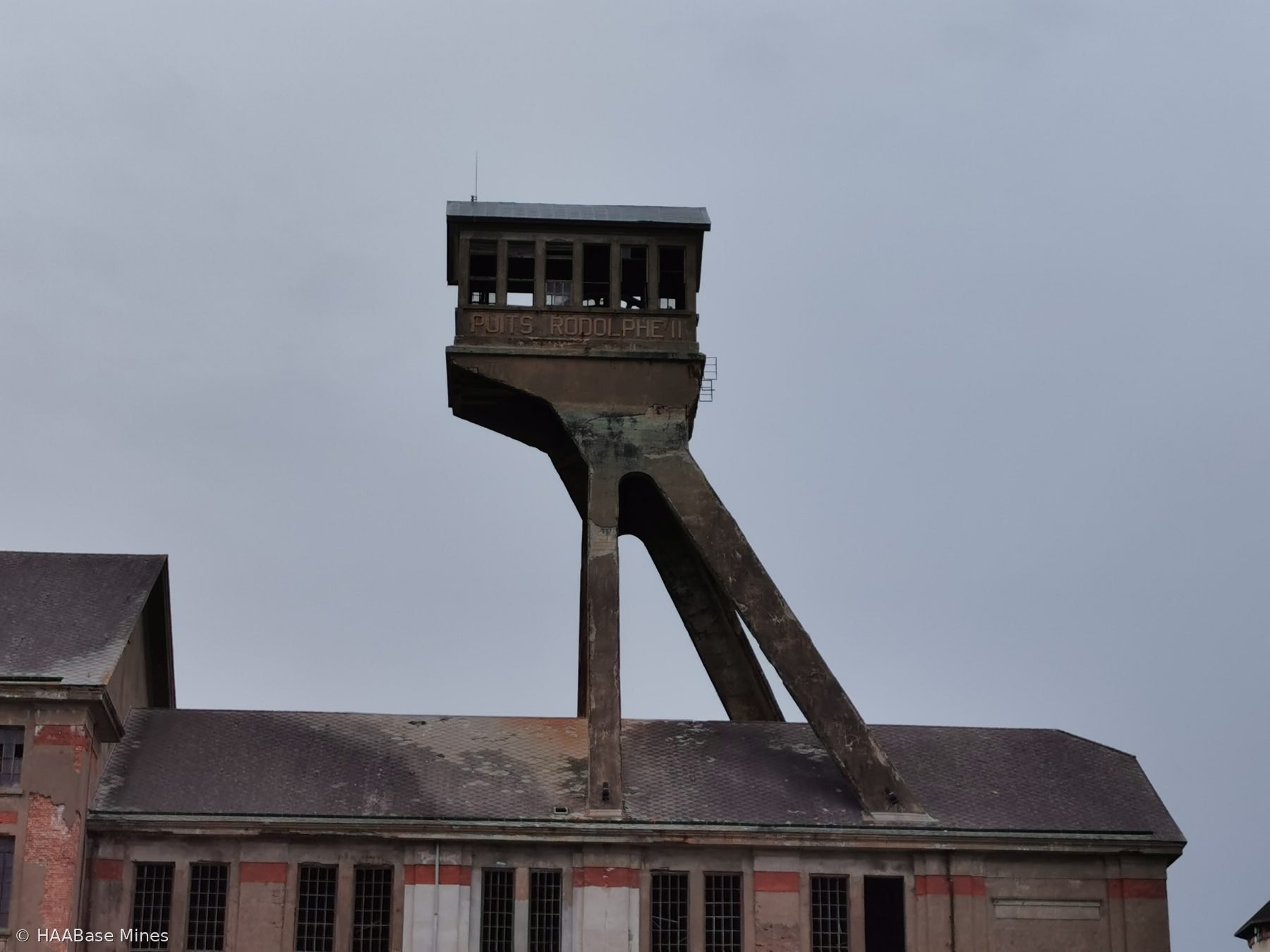
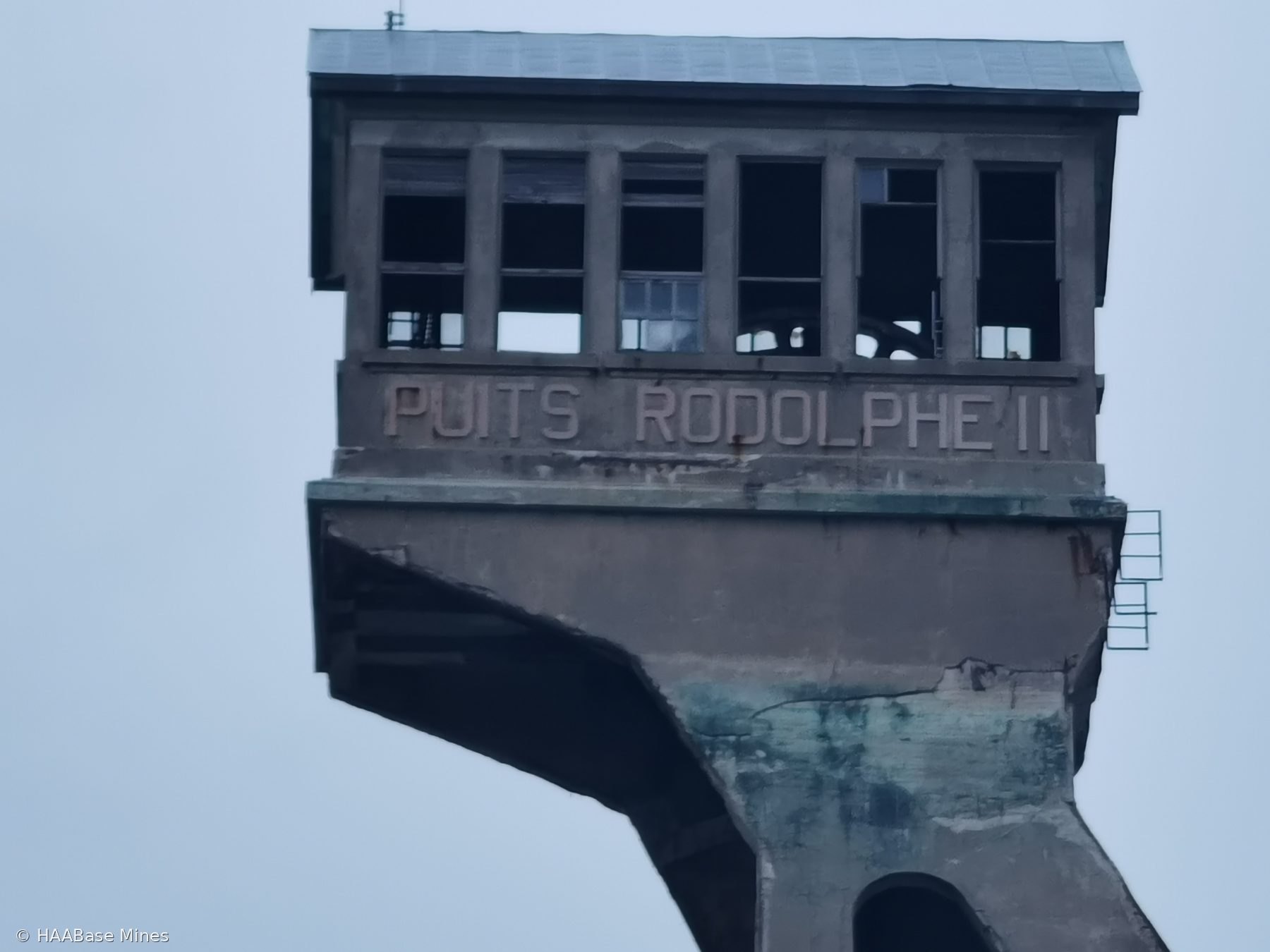
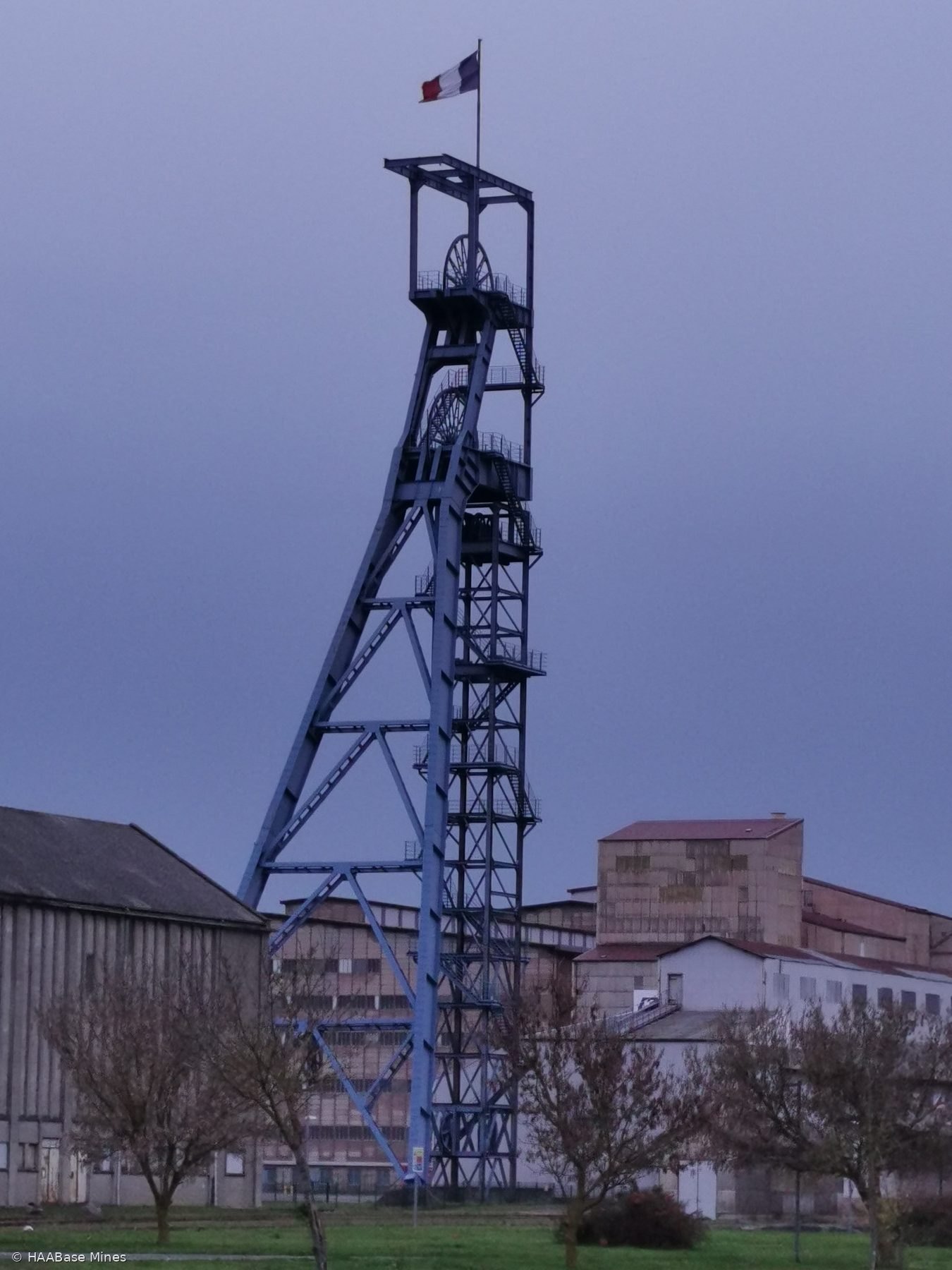
Puits Rodolphe no. 2 was sunk from 1925 to 1928 to 744 metres, equipped with a reinforced-concrete headframe by Zublin-Perrière. During the German occupation of 1940–1945 the EKW (Elsässiche Kaliwerke) merged KST and the MDPA. The mine's worst disaster occurred on 23 July 1940 when 25 miners died in an underground accident.

KST leased the mine to the MDPA in 1959. Extraction ceased on 9 July 1976 after nearly 40 million tonnes of potash ore had been raised. Both puits were backfilled in 1984.

The site was acquired by the Écomusée d'Alsace in 1987, and the association Groupe Rodolphe was created in 1994 to restore and animate it.

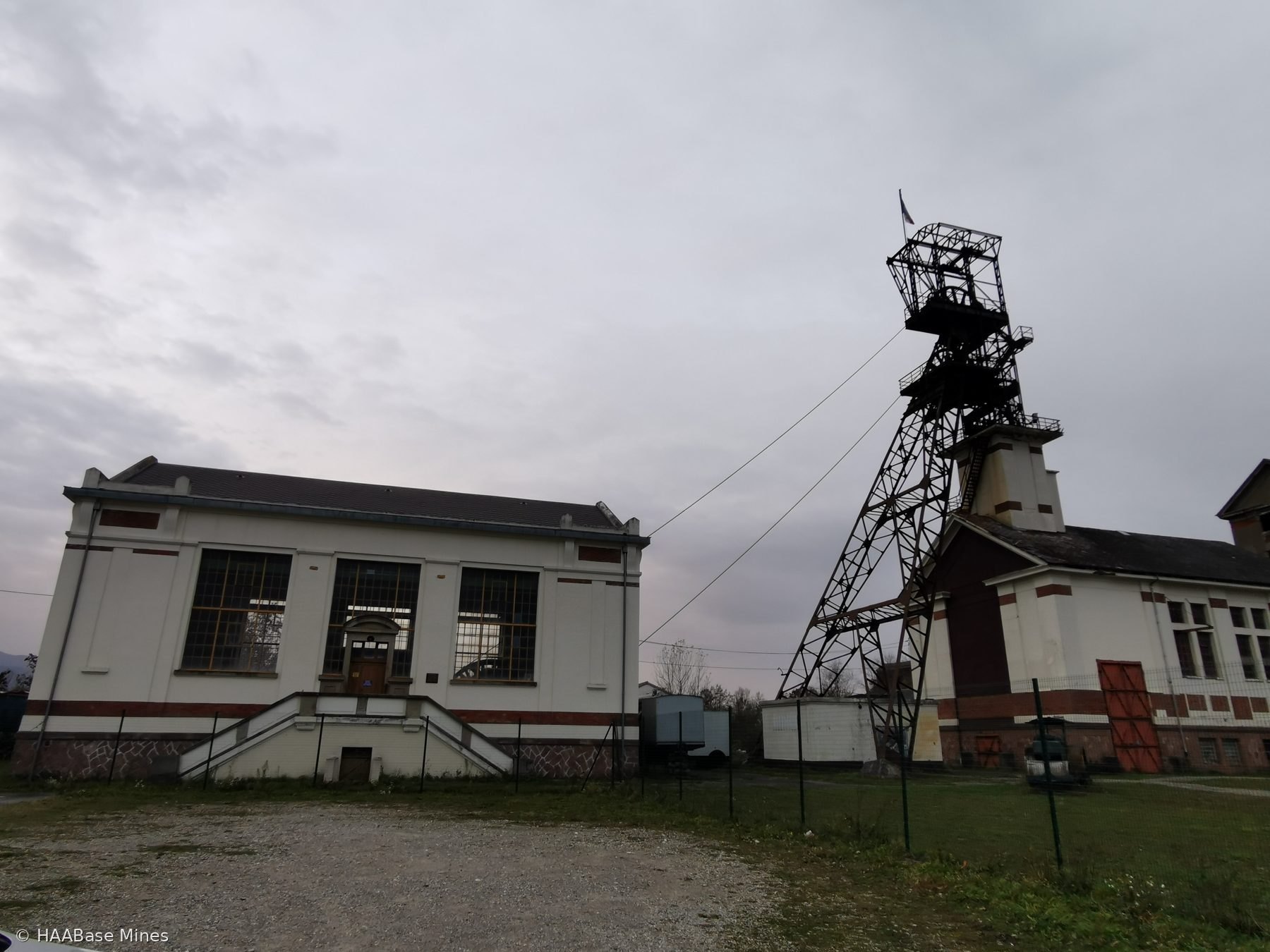
The site stands in the open plain of the Alsace potash basin, where the surviving shafts and buildings occupy an extensive and clearly legible industrial complex set between fields and settlement.

Map & photo

Carreau Rodolphe mine headframe or winding tower site
Photograph taken: 14 November 2025
Map markers and directions links are provided for location reference only and do not indicate public access or permission to enter a site.

History

The Bassin potassique d'Alsace extends over approximately 20,000 hectares across twelve communes north of Mulhouse. The deposit was discovered in 1904 by the master borer Joseph Vogt — who had been searching for oil — and his associates Amélie and Albert Zürcher and Jean-Baptiste Grisez, at Wittelsheim. Vogt assembled investors to exploit the find; the large German potash industry almost immediately acquired most of the concessions through a takeover, leaving Vogt with the concessions covering Ungersheim, Ensisheim, Pulversheim, and Battenheim covering 2,200 hectares. He founded the Kali Sainte-Thérèse (KST) company in 1910; his son Fernand became managing director. The decision to sink a shaft at Pulversheim was taken on 10 October 1910. Fonçage of puits Rodolphe no. 1 began in January 1911, interrupted at 89 metres and resumed in April 1912. The lower potash layer was reached at 694.25 metres on 1 August 1913 and the shaft was completed at 711 metres depth, with a diameter of 5 metres to 59 metres then narrowing to 4.50 metres. Concurrent with the fonçage, construction of the workers' cité Alex I began. The steel headframe — 40 metres high, of German type with load-bearing faux-carré, two superimposed molettes, and supported by two lattice-girder bigues — was built in 1911–1912 by the firm Zehne-Tscheiller. The extraction machine for puits Rodolphe no. 1 dates from 1912.

During the First World War, Fernand Vogt was arrested and deported by the German authorities. On 31 December 1915 a bomb dropped by a French aircraft destroyed an ammunition dump on the carreau, heavily damaging the surface installations, in particular the chevalement, rendering it temporarily unusable. After the Armistice of 11 November 1918, KST recovered its mines and undertook extensive repairs. The other potash mines in the region — the German-owned concessions — were placed under French sequestration and eventually acquired by the French state in 1924, becoming the Mines Domaniales de Potasse d'Alsace (MDPA) in 1935.

Joseph Vogt died in 1921 and was succeeded as president by Louis Mercier. In 1923 KST extracted 445,000 tonnes. Fernand Vogt was removed from the management of KST in 1923 and replaced by Félix Cussac. Fonçage of puits Rodolphe no. 2 began on 19 June 1925; it was completed in February 1928 at 744 metres depth, equipped with a large reinforced-concrete headframe built by the firm Zublin-Perrière. When puits no. 2 entered service, puits no. 1 became the ventilation shaft. The potash extracted was processed at the adjacent usine Alex. At this period a moulin à potasse (grinding mill) and a new underground changing room were also built.

During the German occupation and annexation of Alsace-Moselle from 1940 to 1945, the EKW (Elsässiche Kaliwerke) merged the MDPA and KST under a single entity. In the first month of occupation, on 23 July 1940, the worst accident in the history of the Alsace potash mines occurred at Rodolphe: a coup de mur followed by a grisou release killed 25 miners underground. It remains the most deadly accident in the history of the Alsace mines. A commemoration plaque at the entrance to the main building marks this event. At the Liberation in early 1945, KST recovered its mines, but by government decision the technical management of all Alsatian mines remained unified under the MDPA.

Post-war, the MDPA undertook extensive new construction at Rodolphe: hangars for heavy underground equipment, a day-shift stores, mechanical and electrical workshops, a carpentry, garages, and an administrative building. The lampisterie was converted into a combined changing room and canteen for day workers. By the peak year of the mine's activity, some 1,600 persons were employed at Rodolphe (900 underground, 700 at the surface). In 1959 KST leased all its mines, including Rodolphe, to the MDPA, transferring operations entirely. The MDPA had by this time integrated into the holding Entreprise Minière et Chimique (EMC) in 1967 and operated as Mines de Potasse d'Alsace. Basin-wide production peaked in 1974 at 13,361,000 tonnes of ore refined to produce 2.79 million tonnes of K₂O. Rodolphe, however, closed before this peak: extraction of the division Bollwiller — comprising mines Alex, Rodolphe, and Ungersheim — ceased on 9 July 1976 after approximately 39.5 to nearly 40 million tonnes had been raised from the Rodolphe complex. The last salt was offered to each miner in a commemorative flask.

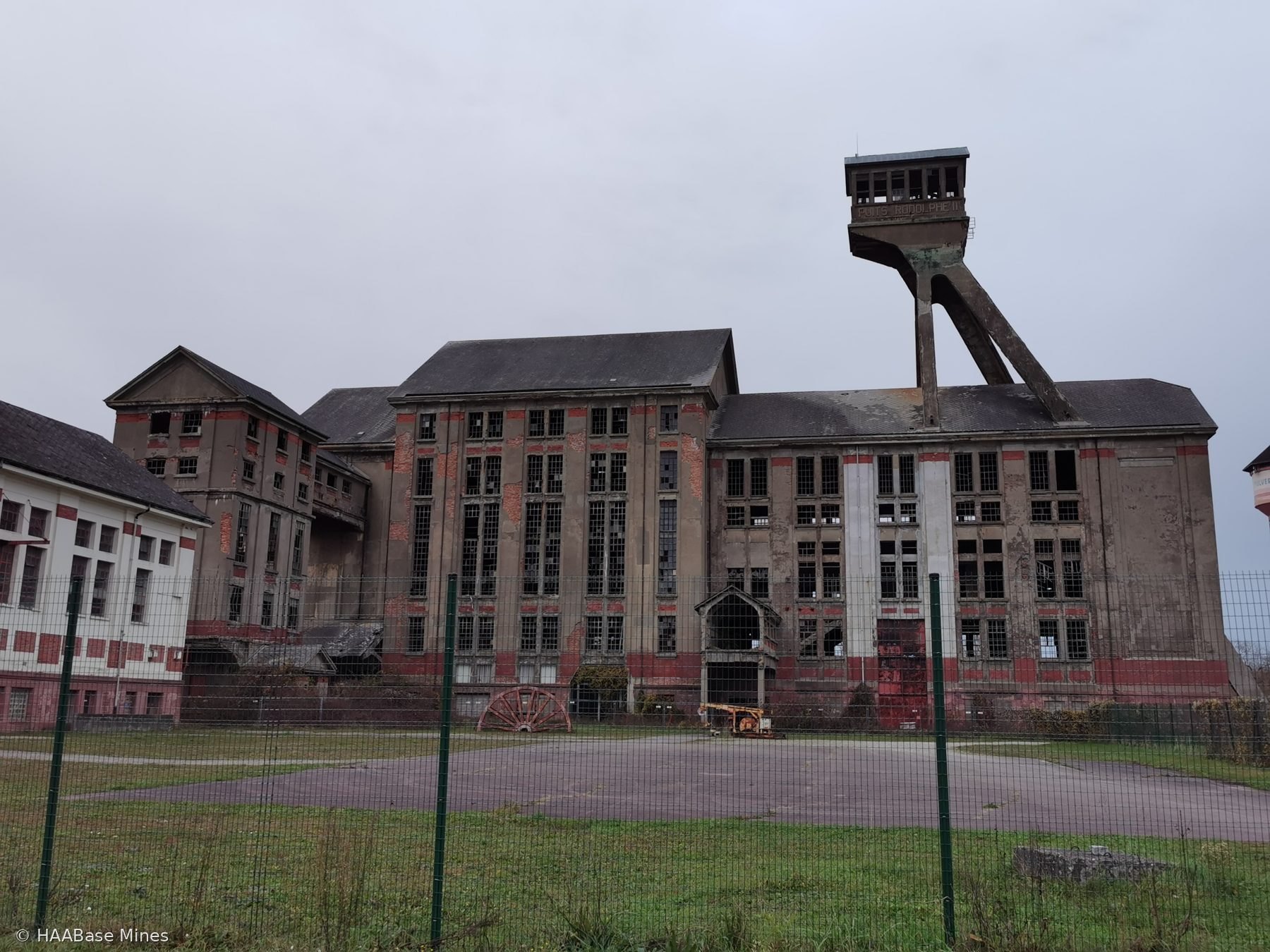
Demolition of some elements — the changing room, the fabrication unit, and the bromine plant — began in 1980. Both puits Rodolphe no. 1 and no. 2 were backfilled in 1984. Demolitions ceased in 1987, when the site was acquired by the Écomusée d'Alsace and the Conseil général du Haut-Rhin. A rescue preserved the main production buildings, hangars, machinery, and both headframes. In 1994 the association Groupe Rodolphe was created, drawing on former MDPA miners, technicians, and engineers, with the initial goal of restoring the extraction machine of puits Rodolphe no. 1 (1912). The association constituted formally in 1997. In 2004 the faux-carré of puits Rodolphe no. 2 collapsed and was removed by cranes without damaging the main structure. The two extraction machines have been fully restored and are in working order. The site now holds two complete extraction complexes with chevalements and machines, a 1930 crystallisation hangar housing a collection of heavy underground machinery, two salt storage hangars built in 1929–1930, a water tower from the 1930s, and the monumental KST-style production buildings: moulin, bâtiment des mélanges, loading towers, and sack hangar. The machines inscribed by the Écomusée d'Alsace carry the label Musée de France. Since 2006 the carreau has been the property of the Conseil départemental du Haut-Rhin. Visits are guided by former miners of the Groupe Rodolphe association.
Timeline

1904
Exploration

Potash gisement discovered at Wittelsheim

In 1904 Joseph Vogt, Amélie and Albert Zürcher, and Jean-Baptiste Grisez discovered the Alsace potash deposit at Wittelsheim. Vogt retained concessions at Pulversheim, Ungersheim, Ensisheim, and Battenheim covering 2,200 hectares.
1910
Legislation

Kali Sainte-Thérèse founded; decision taken to sink puits Rodolphe

Kali Sainte-Thérèse (KST) was founded in 1910 by Joseph Vogt, with his son Fernand as managing director. The decision to sink a shaft at Pulversheim was taken on 10 October 1910.
1911–1913
Construction

Fonçage of puits Rodolphe no. 1; headframe built by Zehne-Tscheiller

Fonçage of puits Rodolphe no. 1 began in January 1911 (interrupted at 89 metres, resumed April 1912). The lower potash layer was reached on 1 August 1913 at 694.25 metres; the shaft was completed at 711 metres. The 40-metre steel headframe was built in 1911–1912 by Zehne-Tscheiller.
1913
Operation

Puits Rodolphe no. 1 enters service

Puits Rodolphe no. 1 entered production service in 1913, with potash ore processed at the adjacent usine Alex.
1915
Operation

Aerial bomb damages surface installations

On 31 December 1915 a bomb dropped by a French aircraft destroyed an ammunition dump on the carreau, heavily damaging the surface installations including the headframe, rendering it temporarily unusable. Extensive repairs were carried out after 1918.
1925–1929
Construction

Fonçage and commissioning of puits Rodolphe no. 2

Fonçage of puits Rodolphe no. 2 began on 19 June 1925 and was completed in February 1928 at 744 metres depth. It was equipped with a reinforced-concrete headframe built by Zublin-Perrière. Puits no. 2 entered service in 1929; puits no. 1 became the ventilation shaft.
1940
Operation

Worst accident in Alsace potash history: 25 killed

On 23 July 1940, one month after the German occupation of Alsace, a coup de mur followed by a grisou release underground at Rodolphe killed 25 miners. This remains the deadliest accident in the history of the Alsace potash mines.
1959
Legislation

KST leases mines to MDPA

In 1959 KST leased all its mines, including the Rodolphe complex, to the MDPA, which from that point managed the extraction entirely.
1976
Closure

Final extraction at puits Rodolphe; approximately 40 million tonnes total

Extraction of the division Bollwiller ceased on 9 July 1976. Nearly 40 million tonnes of potash ore had been raised from the Rodolphe complex since 1913. The last salt was presented to each miner in a commemorative flask.
1980–1984
Closure

Partial demolition; both puits backfilled

Demolition of the changing room, fabrication unit, and bromine plant began in 1980. Both puits Rodolphe no. 1 and no. 2 were backfilled in 1984.
1987
Heritage

Site acquired by Écomusée d'Alsace; demolitions cease

In 1987 demolitions ceased and the site was acquired by the Écomusée d'Alsace and the Conseil général du Haut-Rhin, preserving the remaining buildings, headframes, and machinery.
1994–1997
Heritage

Groupe Rodolphe created; constituted as association in 1997

The Groupe Rodolphe was created in 1994 with the initial project of restoring the 1912 extraction machine of puits Rodolphe no. 1. It constituted formally as an association in 1997, grouping former MDPA miners, technicians, and engineers.
2006
Heritage

Carreau transferred to Conseil départemental du Haut-Rhin

In 2006 the carreau Rodolphe was transferred (dévolution) from the Écomusée d'Alsace to the Conseil général (subsequently Conseil départemental) du Haut-Rhin.

Sources and records

Wikipedia article (French): Puits Rodolphe
Carreau Rodolphe official website — histoire du carreau; KST; MDPA; un siècle pour Rodolphe
Mulhouse Tourist Office — Carreau Rodolphe entry
Visit Alsace — Carreau Rodolphe entry
Geneawiki article: Pulversheim
Mon-week-end-en-alsace.com blog — Visite du Carreau Rodolphe
This researched site record is part of the HAABase Mines database. Normal personal research and browsing is welcome. Automated bulk extraction, republication, or harvesting of site text and images is not permitted without written consent.