History
Coal outcrops in the Aveyron basin are referenced in medieval chronicles in the langue romane as the puech que ard (the burning mountain) and the foc sulfrenc (sulphurous fire). By the fifteenth century local landowners were working small hillside excavations known as charbonnières, extracting coal seasonally using wooden shovels and wicker baskets, with the product carried by donkey and mule to Auvergne and Rodez, and shipped by gabare on the Lot towards Cahors, Agen, and Bordeaux. The French Revolution placed the mines at the disposal of the nation.
On 4 April 1825 the duc Élie Decazes, former minister of Louis XVIII, authorised his attorney Jean Faure to acquire mines and deposits in the region of Aubin. On 17 July 1826 the Société des Houillères et Fonderies de l'Aveyron was constituted, marking the start of large-scale industrial exploitation. Decazes engaged the polytechnicien François-Gracchus Cabrol, a former Napoleonic artillery officer, to direct the new company and build the blast furnaces. The technical model was explicitly English: Cabrol brought back the technique of coke-smelting, and in 1828 the first cast iron was produced at the forges of Firmi using coal coke in place of charcoal, combined with local iron ore. The forges of Decazeville itself followed in 1831. By 1834 the new agglomeration was named Decazeville by royal ordinance, by which time it counted 2,715 inhabitants. By 1842 the Société des Houillères et Fonderies de l'Aveyron was one of the most important steelworks in France. In 1845 its factories employed more workers than those of Le Creusot.
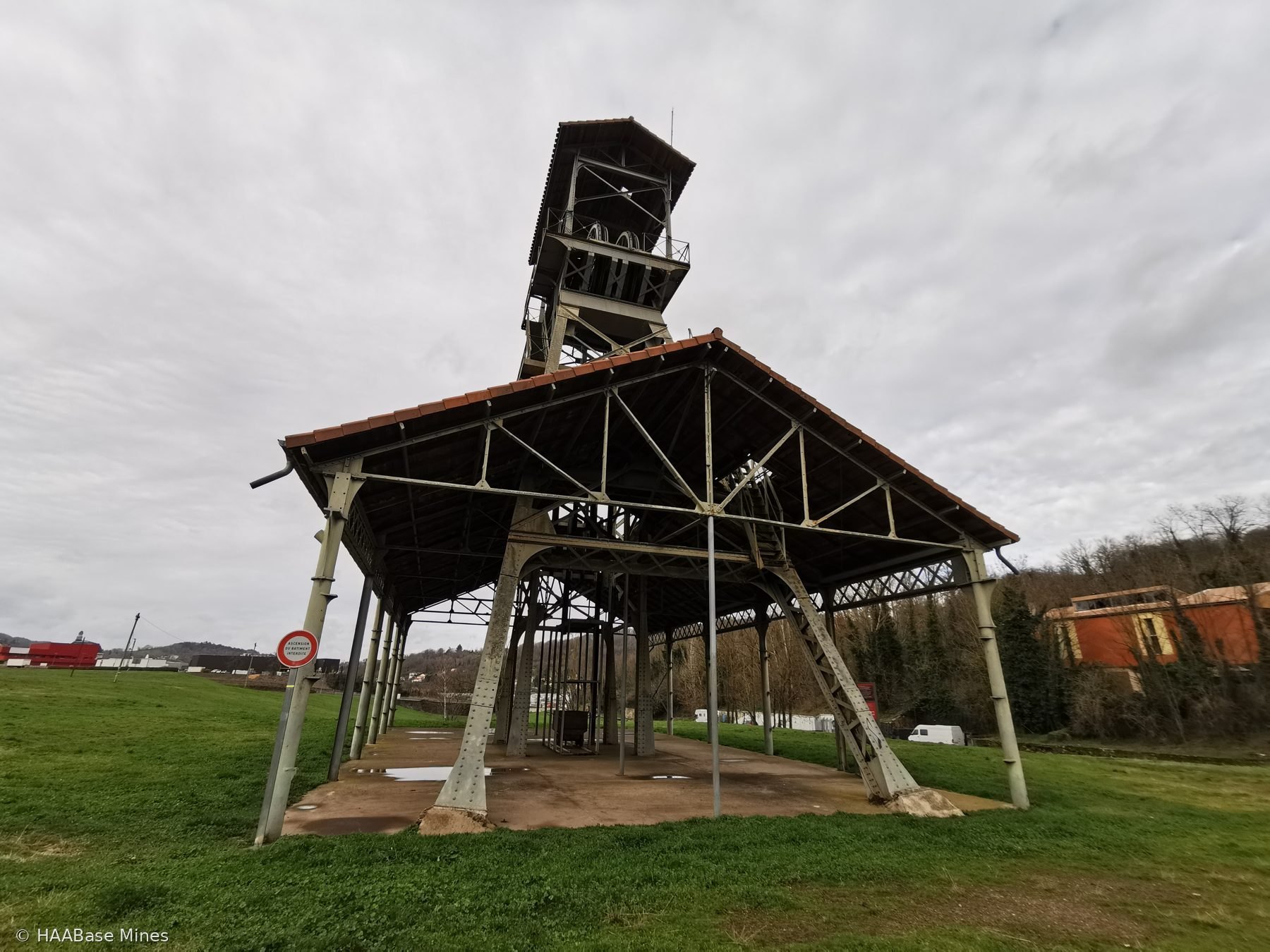
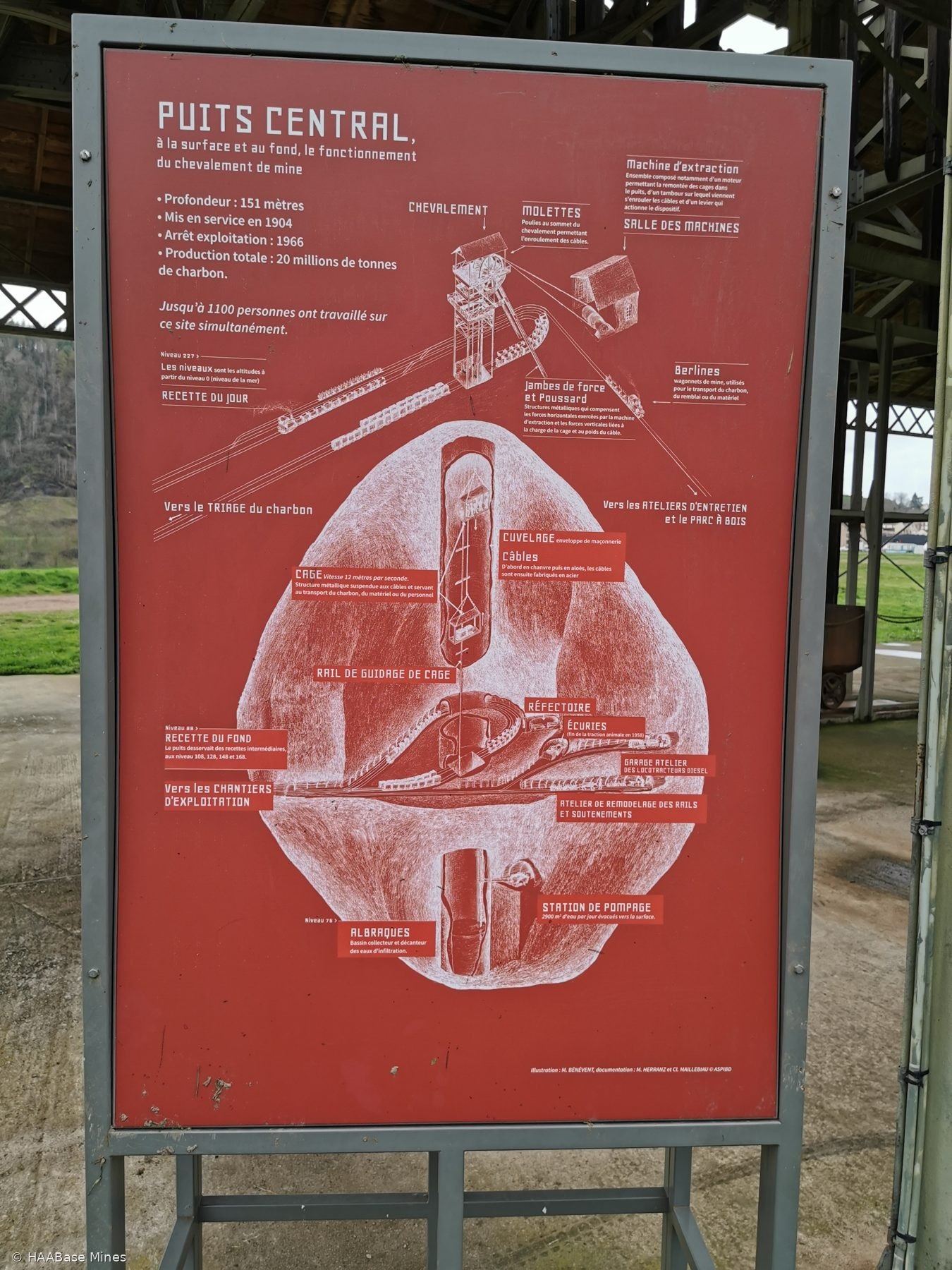
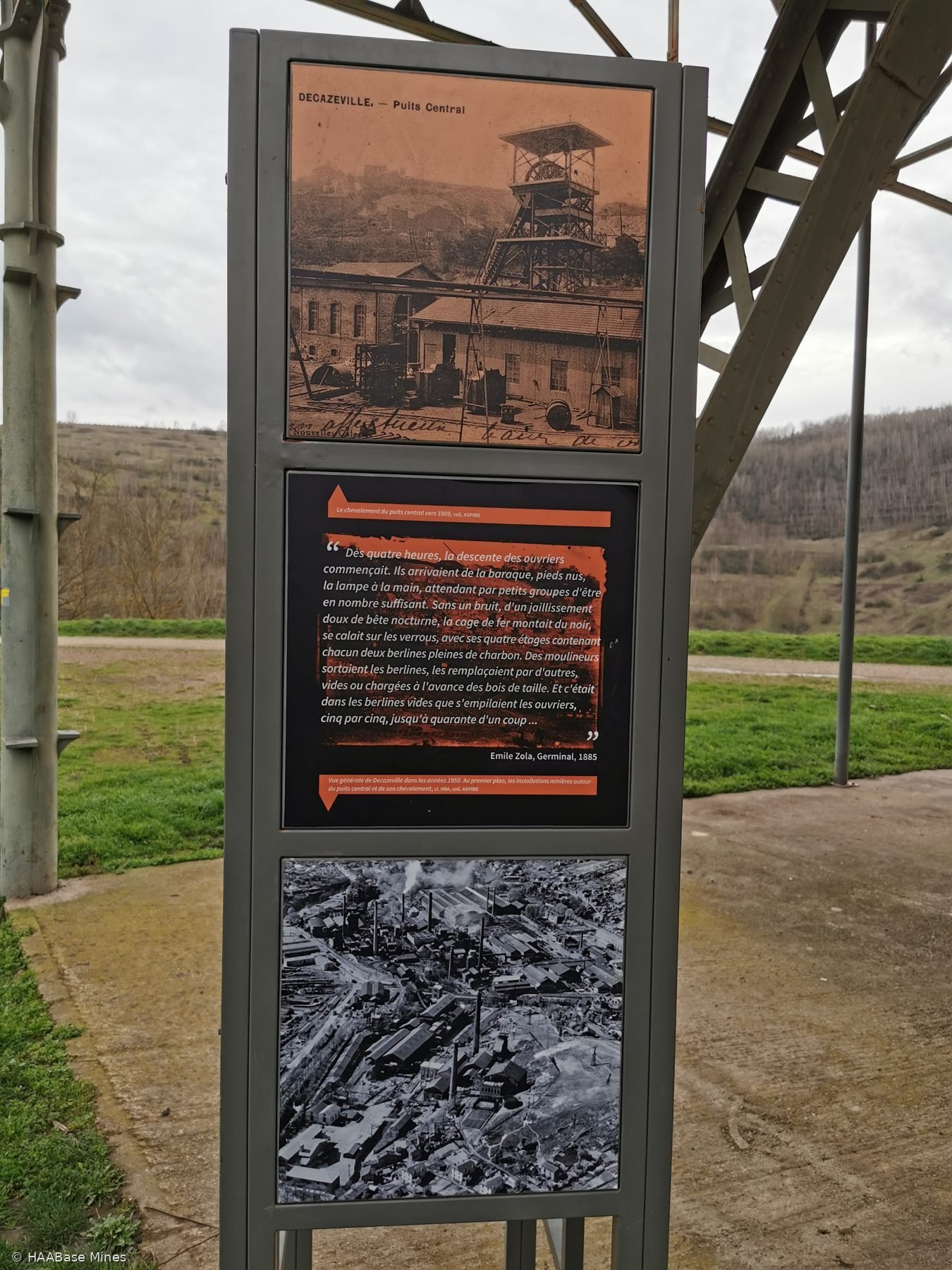
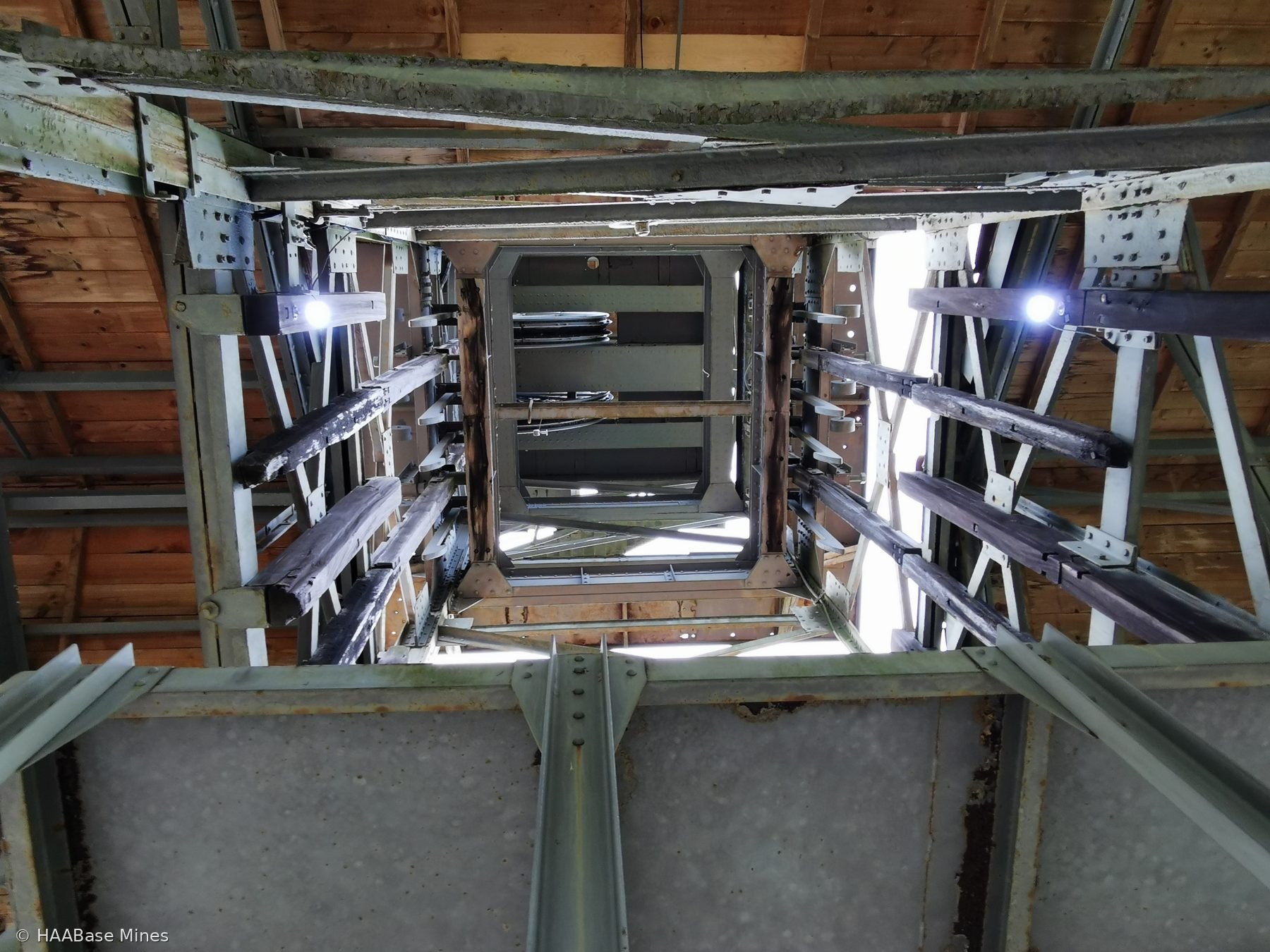
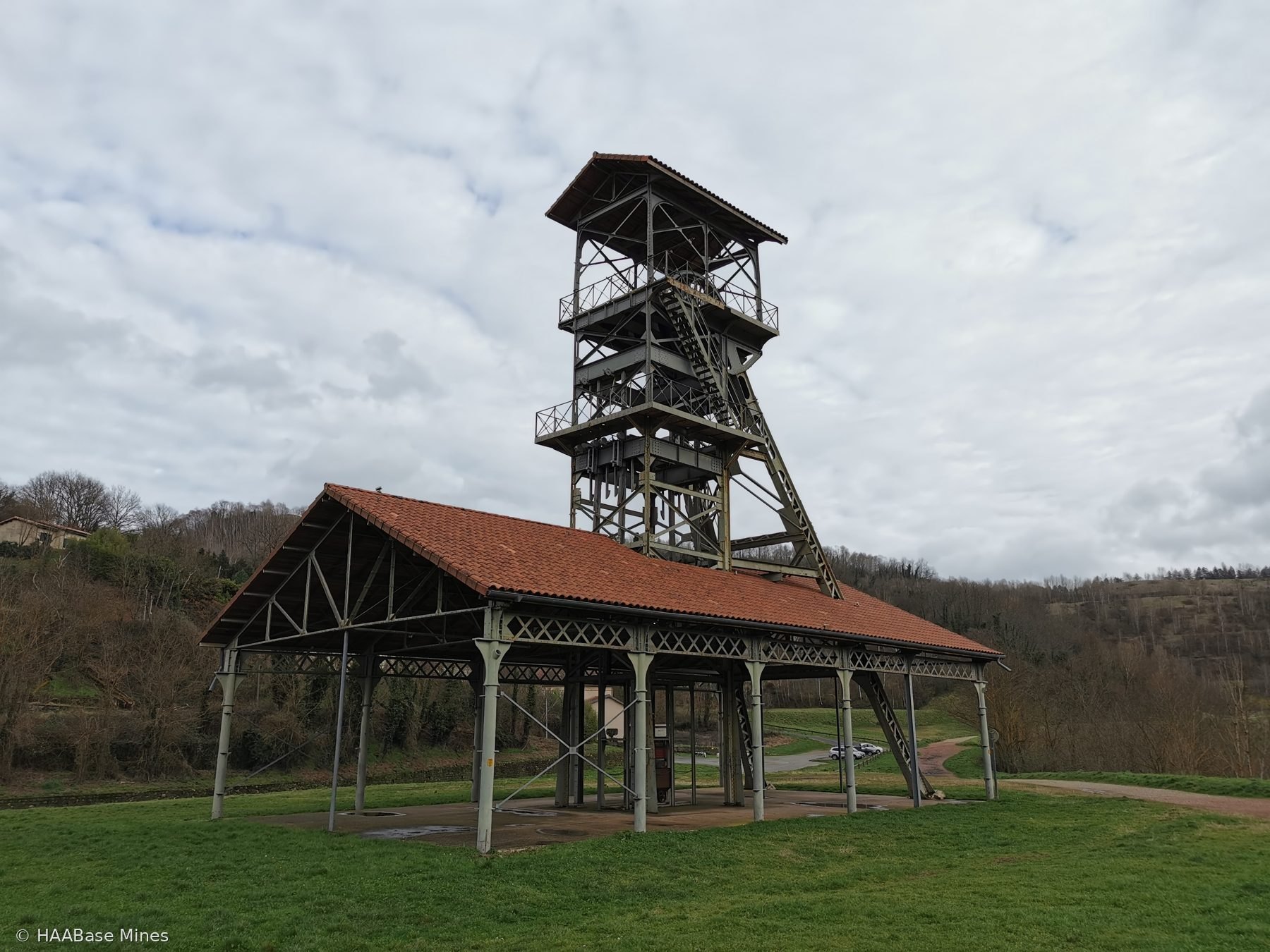
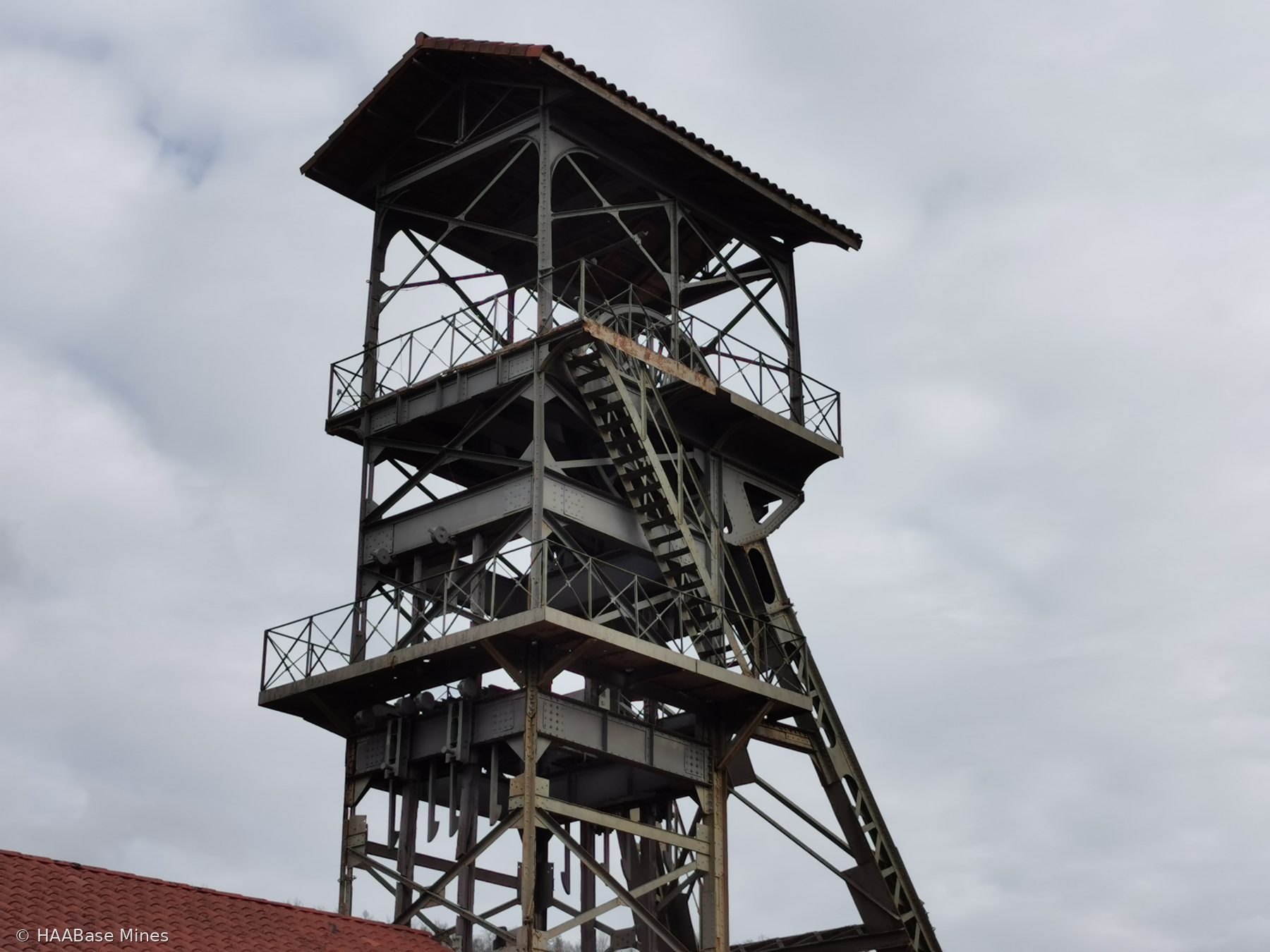
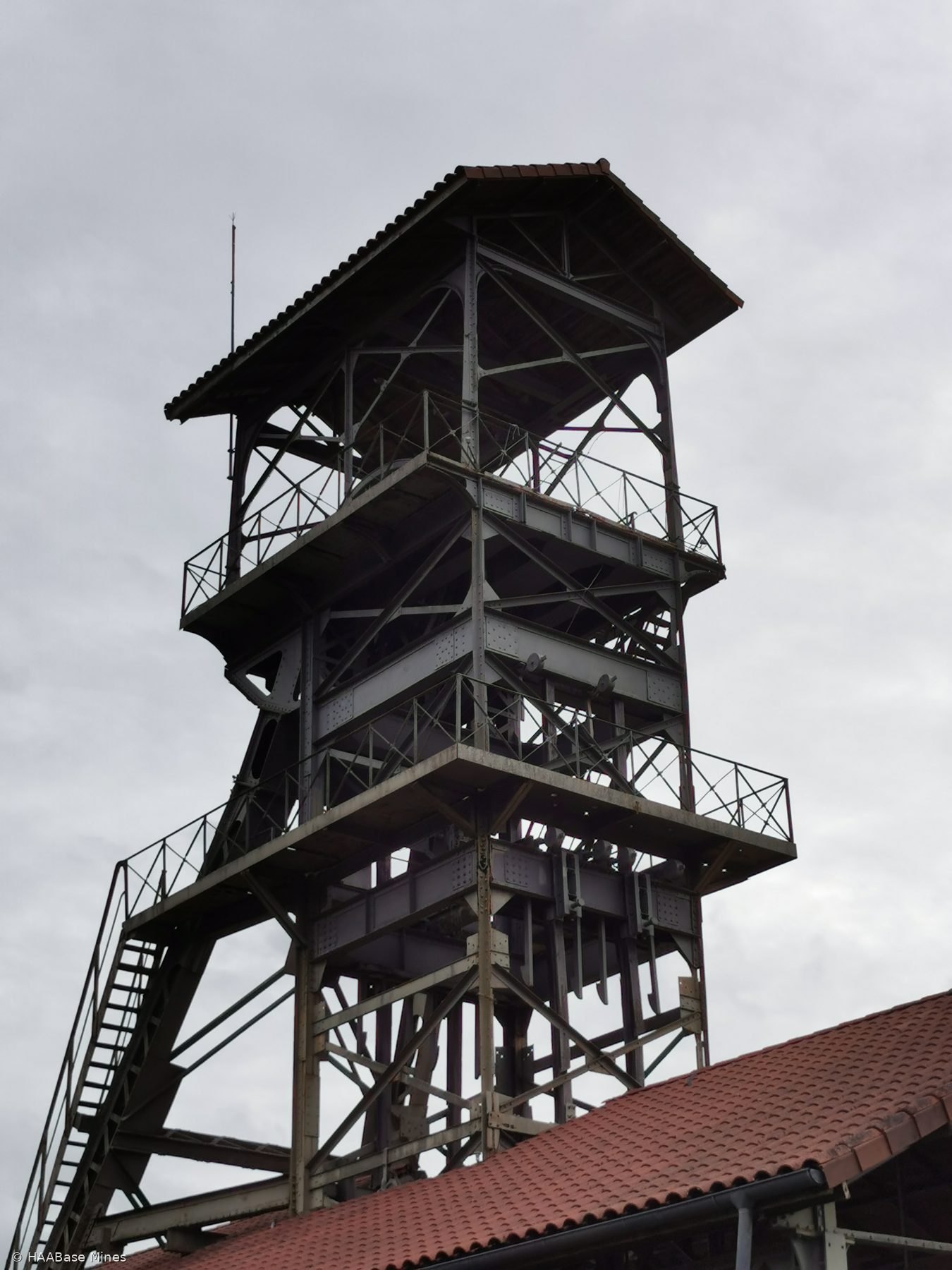
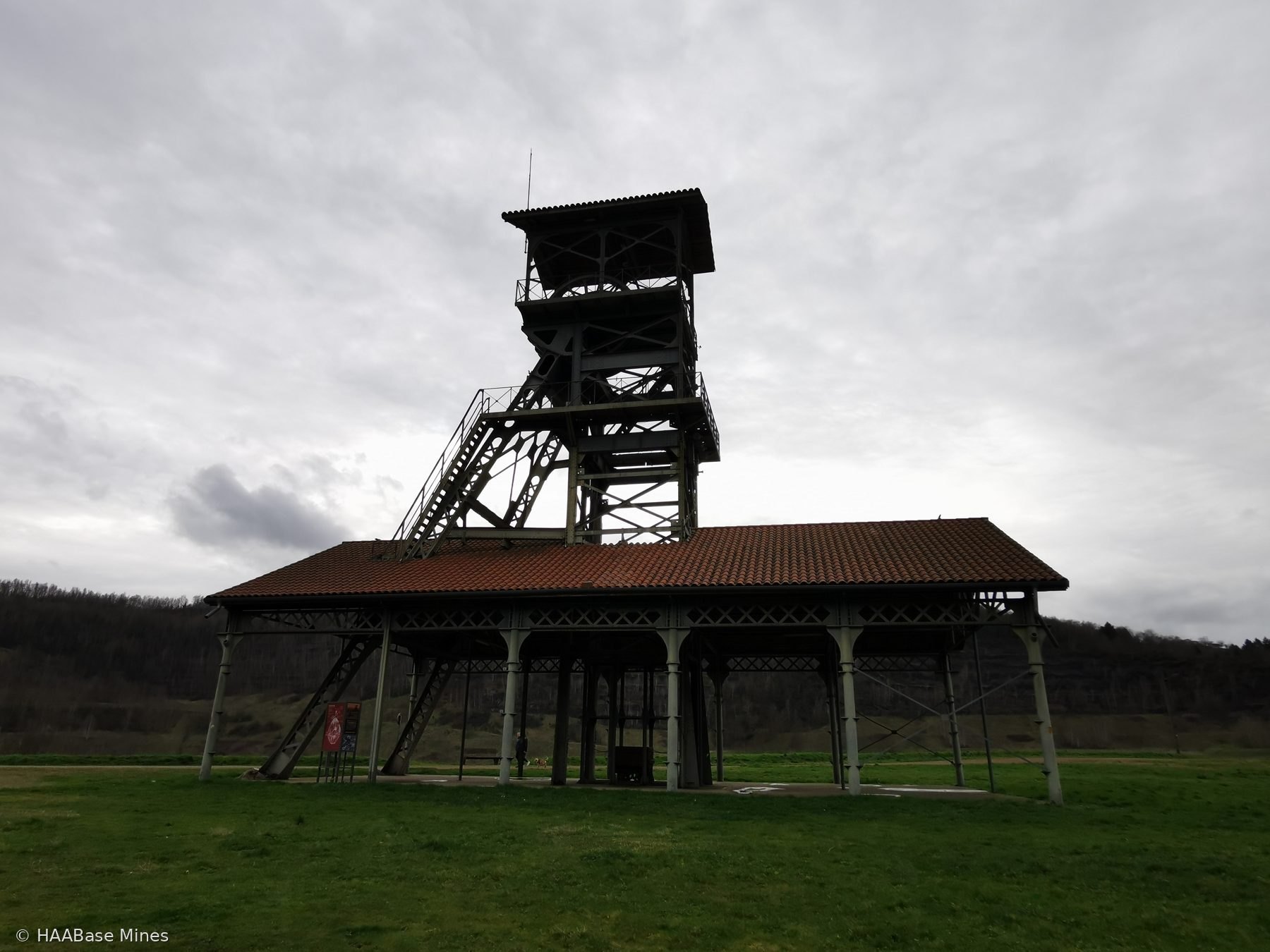
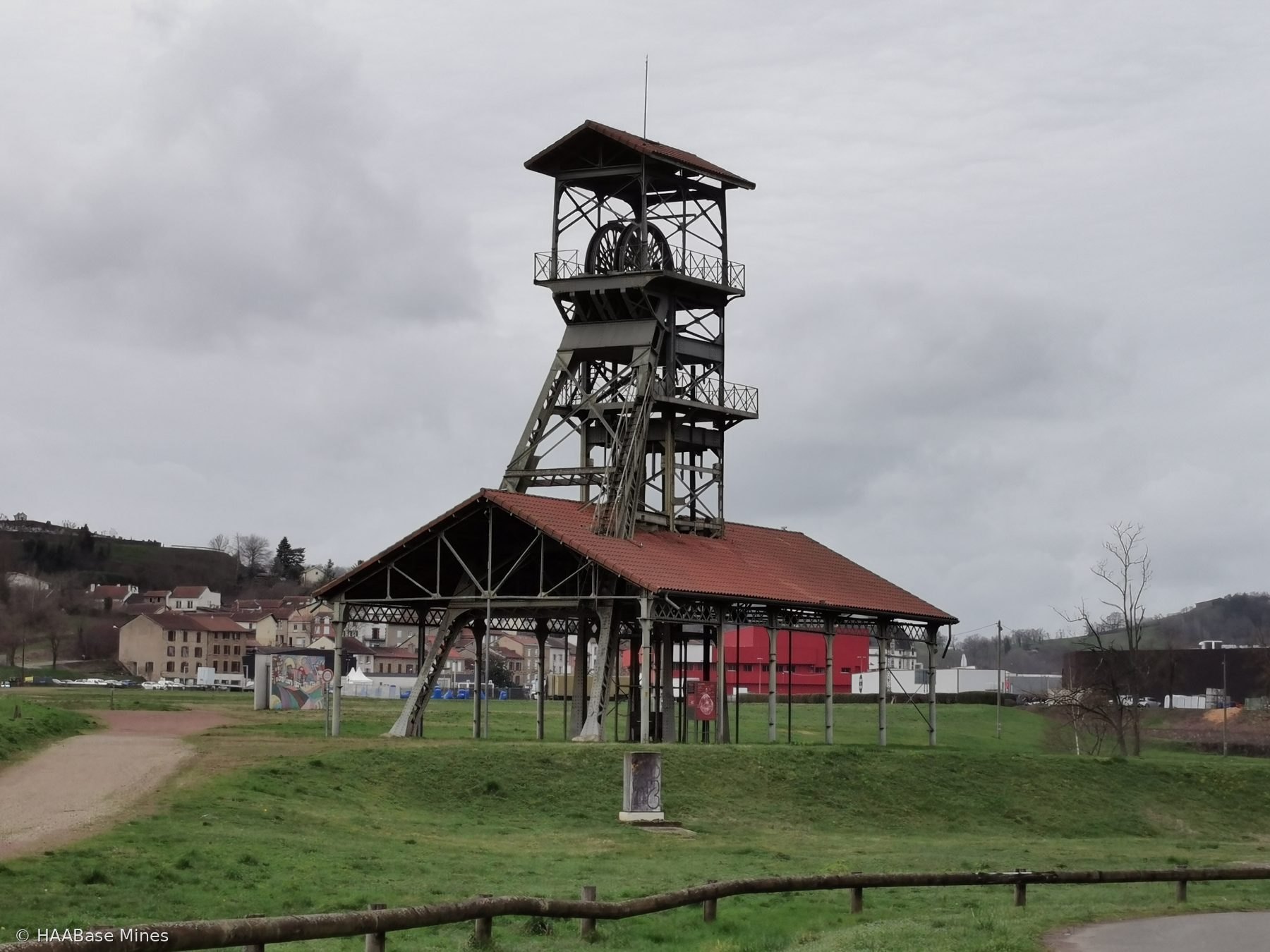
A serious economic recession followed the 1855 free-trade agreement signed by Napoleon III, which exposed Decazeville to competition from English iron. Salary cuts generated the first major labour conflicts. An 1878 strike was suppressed and led to the dismissal of 350 workers. In 1886 the defenestration of the engineer and under-director Jules Watrin, who had imposed systematic wage reductions, brought Decazeville to national attention. After the bankruptcy of 1865 the company had been reorganised as the Société nouvelle des Houillères et Fonderies de l'Aveyron, which in 1892 was acquired by the Société de Commentry-Fourchambault et Decazeville. In 1892 this new operator launched the Découverte de Lassalle, an open-cast mine working the Assise de Bourran couche — a seam 50 to 80 metres thick exploitable near the surface. The Découverte de Lassalle measured 3.7 kilometres in length and 2.5 kilometres in width, making it one of the largest open-cast operations in France. In the same year open-cast working of the Découverte de Combes began on the Aubin–Decazeville communal boundary, and the iron ore mines of Kaymer were reopened. A battery of Otto coke ovens with by-product recovery was installed in 1899. The underground puits Central at Decazeville served as the principal underground extraction shaft, with workings descending to approximately 150 metres; it is surmounted by the surviving 22-metre headframe.
Coal production reached its record of 938,951 tonnes in 1917, during a period of intense wartime demand that the Aveyron basin, far from the front, was able to meet. From 1914 the basin received large numbers of immigrant workers from Portugal, Spain, and Poland. In 1940 the Houillères recruited numerous Spanish republican refugees from internment camps in southern France. The Marshall Plan contributed to the modernisation of equipment at the Découverte de Lassalle after the Second World War.
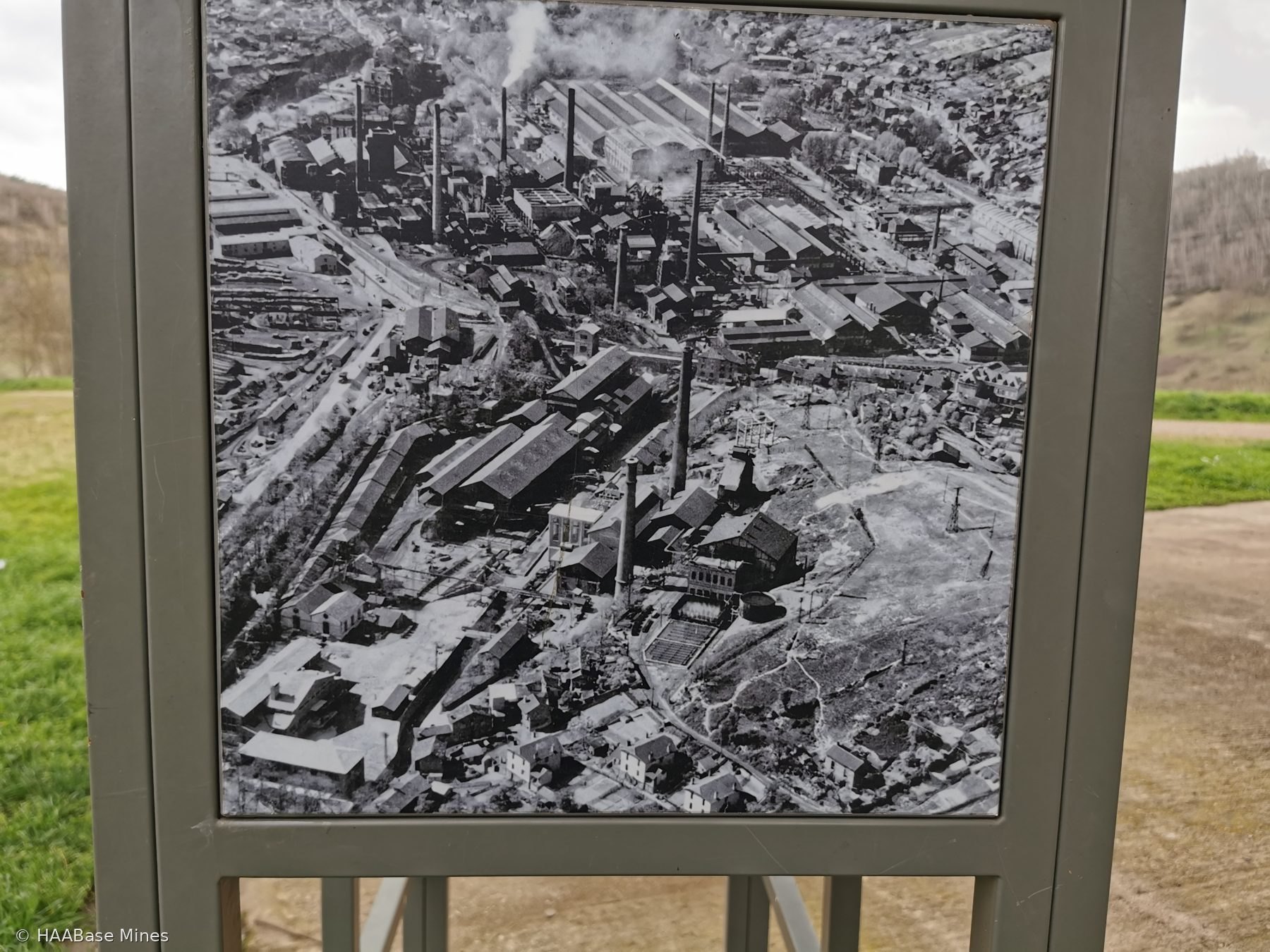
Nationalisation in 1946 separated the houillères from the metallurgical activities; the Usines Chimiques et Métallurgiques de Decazeville (UCMD) were created separately. The workforce fell from approximately 7,000 miners in 1910 to 5,000 in 1945 and 2,200 in 1961. The construction of the central thermique de Penchot began in 1949. In 1960 the minister of industry Jeanneney publicly announced the planned closure of the underground mines. On 24 November 1961 some 10,000 people gathered in Decazeville to demand the repeal of the coal plan. From 23 December 1961 to 26 February 1962, more than 1,500 miners staged a 66-day underground occupation strike that drew national attention but failed to reverse the decision. The underground mines ceased extraction in 1965 and the underground puits closed in 1966. Between 1962 and 1992 the basin lost 4,000 direct jobs. The UCMD became the AUMD (Aciéries et Usines Métallurgiques de Decazeville) in 1968 and filed for bankruptcy in January 1977. By 1987 the remaining metallurgical plants had closed.
The Découverte de Lassalle continued as an open-cast mine until June 2001, when it ceased to extract coal after 109 years of operation. An estimated 100 million tonnes of coal had been extracted across the basin's entire industrial history. After closure the Découverte was rehabilitated as a public green space; a lake approximately 25 metres deep now fills the floor of the former excavation. The surviving headframe of the puits Central and the bâtiment des soufflantes were inscribed as monuments historiques in 2019. The headframe was subsequently illuminated by LED projectors installed in February 2013. The Musée du Patrimoine Industriel et Minier, managed by the Association de Sauvegarde du Patrimoine Industriel du Bassin de Decazeville-Aubin (ASPIBD), holds machinery, archives, photographs, and objects from the mining and metallurgical history of the basin. Guided visits of the Découverte site are available from April to October, combined with visits to the museum.