History
Artisanal coal extraction in the Cévennes valleys is among the earliest documented in France. The first known reference involves an abbey at Cendras, where around 1230 the abbot directed the revenues from exploitation of the terre noire to the infirmary of the monastery. Exploitation remained localised until the concession era: in 1774 Louis XV granted Tubeuf a concession covering mines in the district of Alais and surrounding areas, covering over 3,000 square kilometres. In 1836 Paulin Talabot — a polytechnicien who had studied railways in England with the Stephensons — created with Rothschild backing and Marseille commercial support the Compagnie des houillères de la Grand'Combe et des chemins de fer du Gard, combining the mine and a railway. The Compagnie built one of the earliest railways in France, linking La Grand-Combe to Beaucaire by 1839, dramatically reducing the cost of coal transport to the Rhône valley. The town of La Grand-Combe itself was constituted as a commune by Louis-Philippe on the territories of Portes, Sainte-Cécile-d'Andorge, Les Salles-du-Gardon, and Laval. The railway lines were ceded in 1852 to the Compagnie du chemin de fer de Lyon à Avignon, which later merged with the PLM. In 1855 the Compagnie was transformed into a société anonyme as the Compagnie des mines de la Grand'Combe.
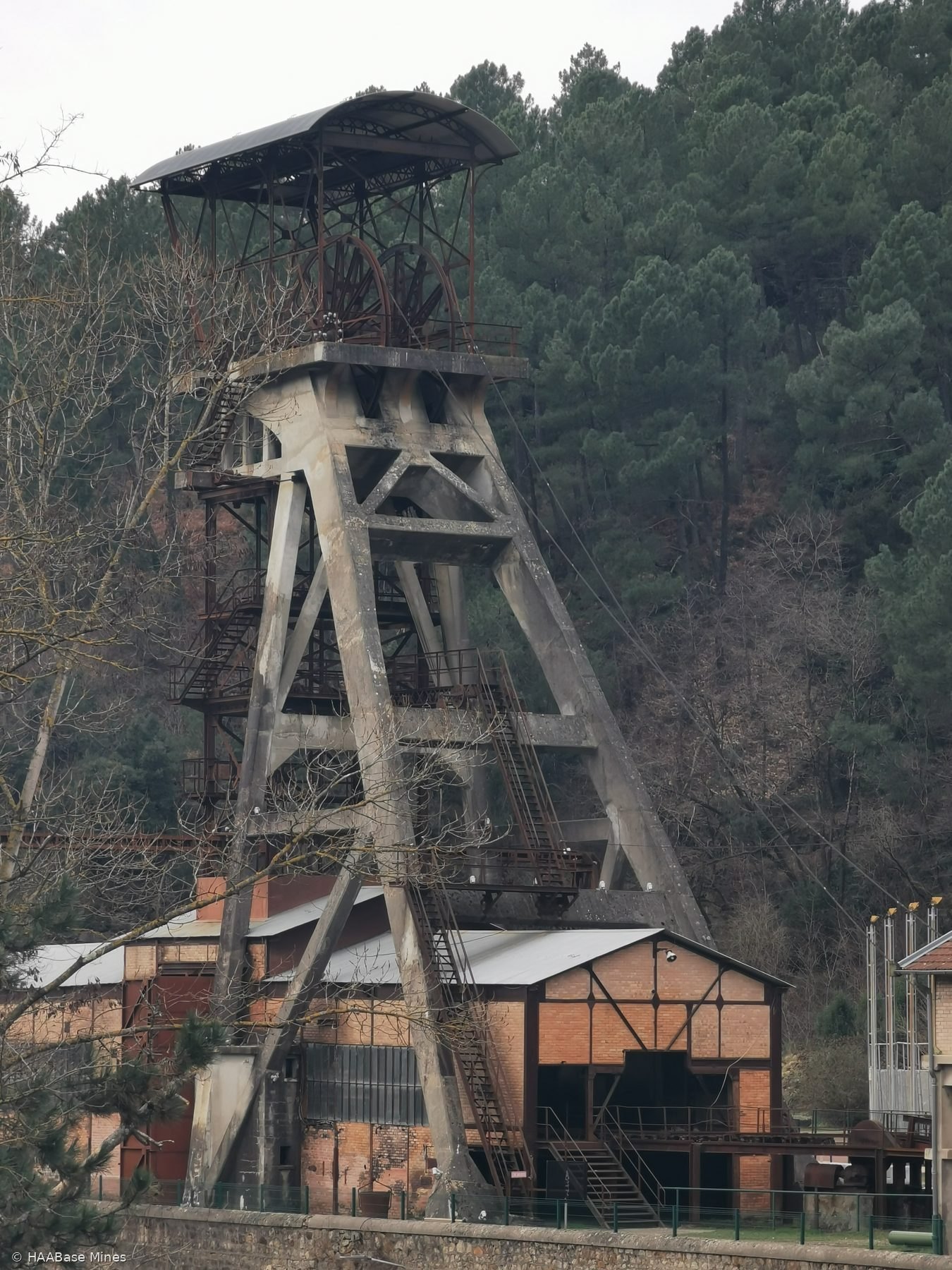
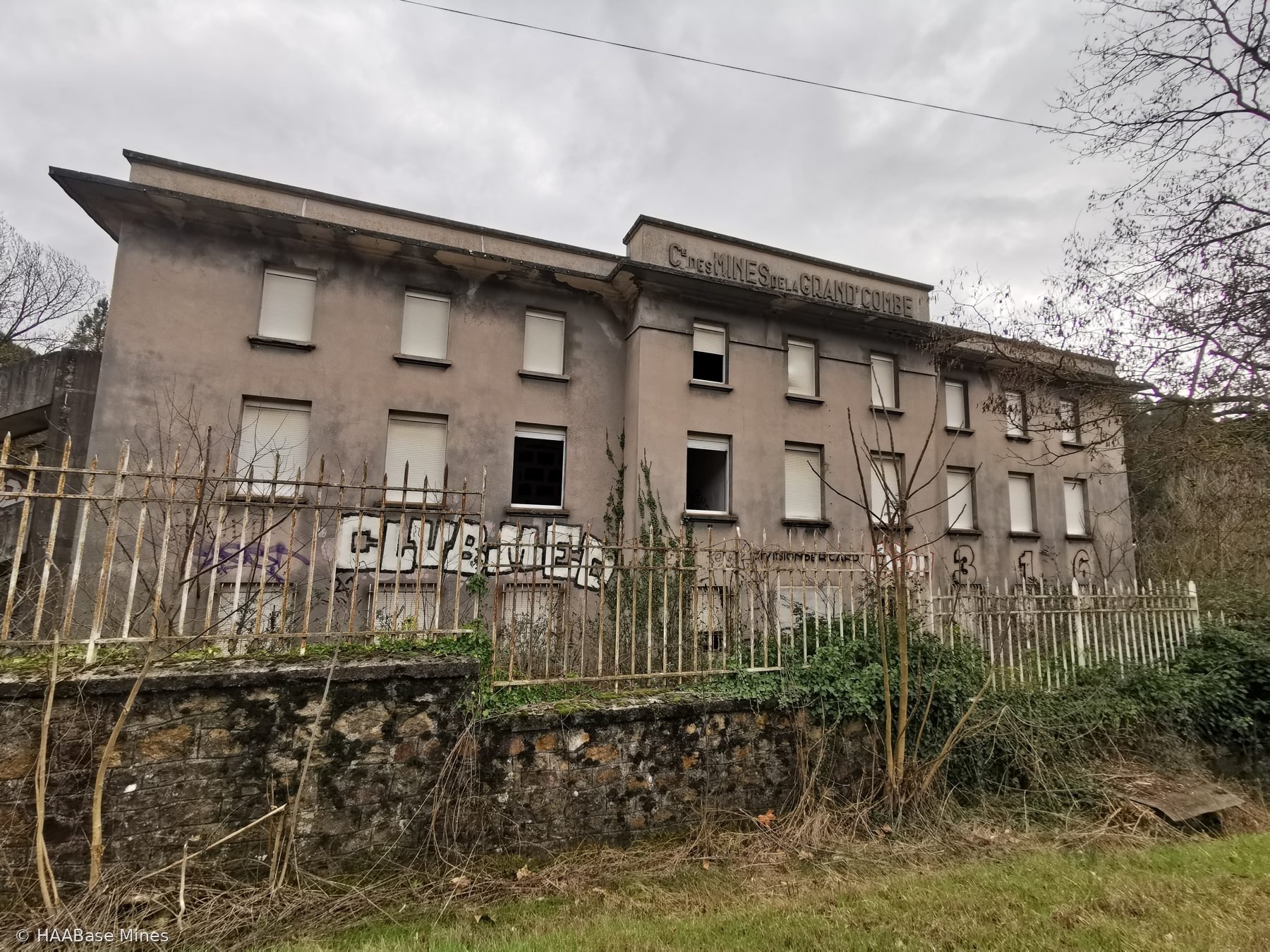
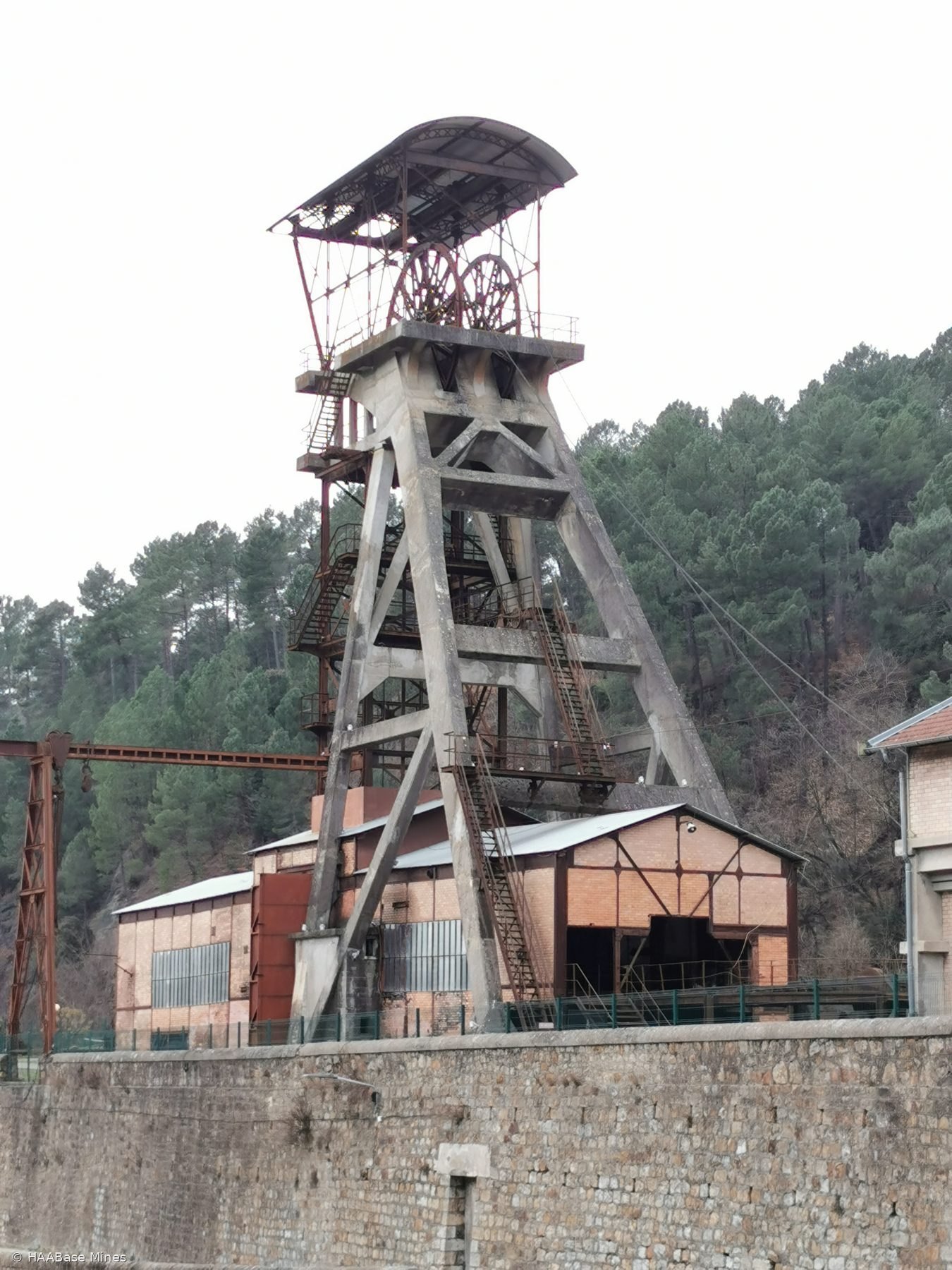
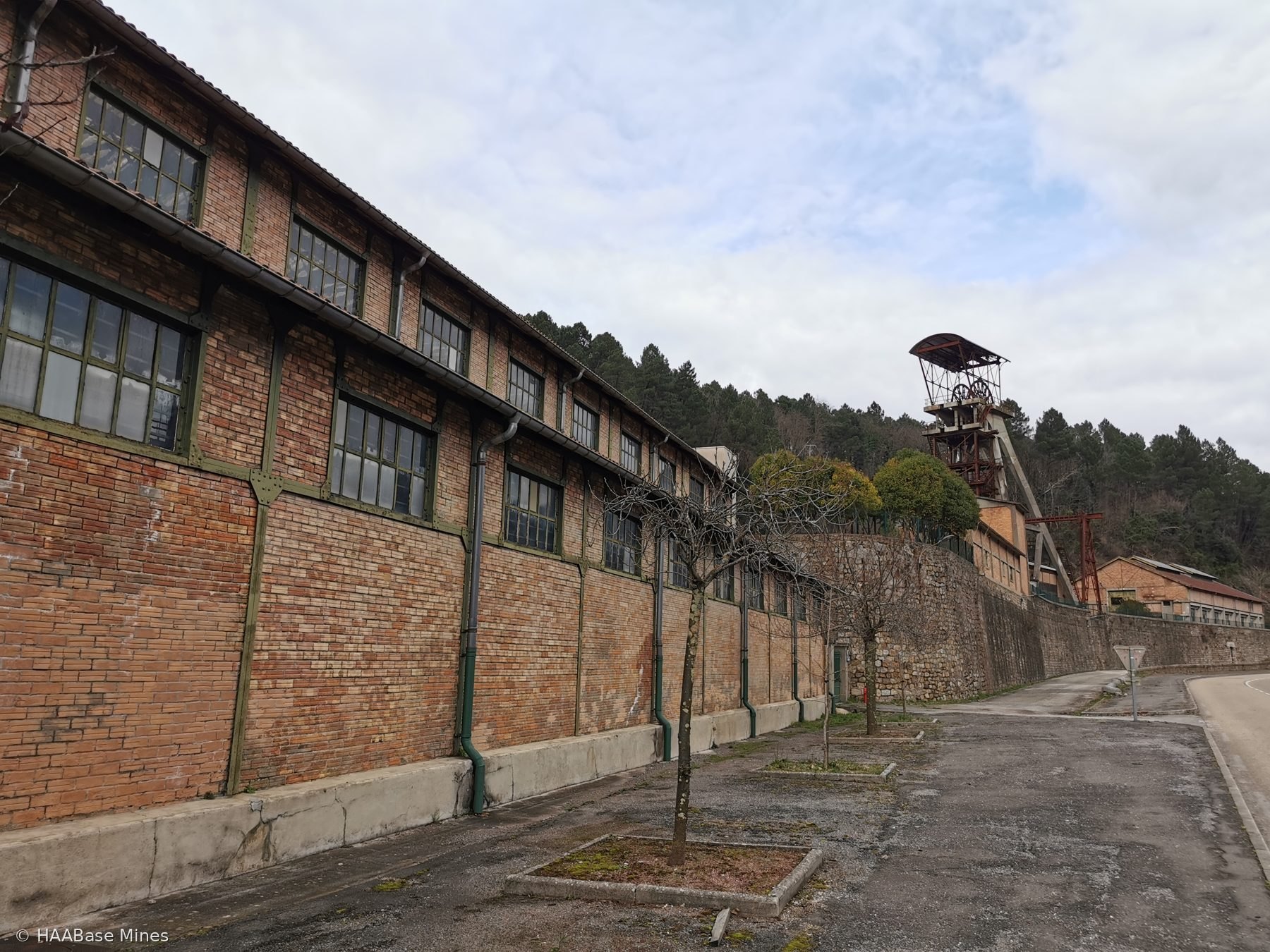
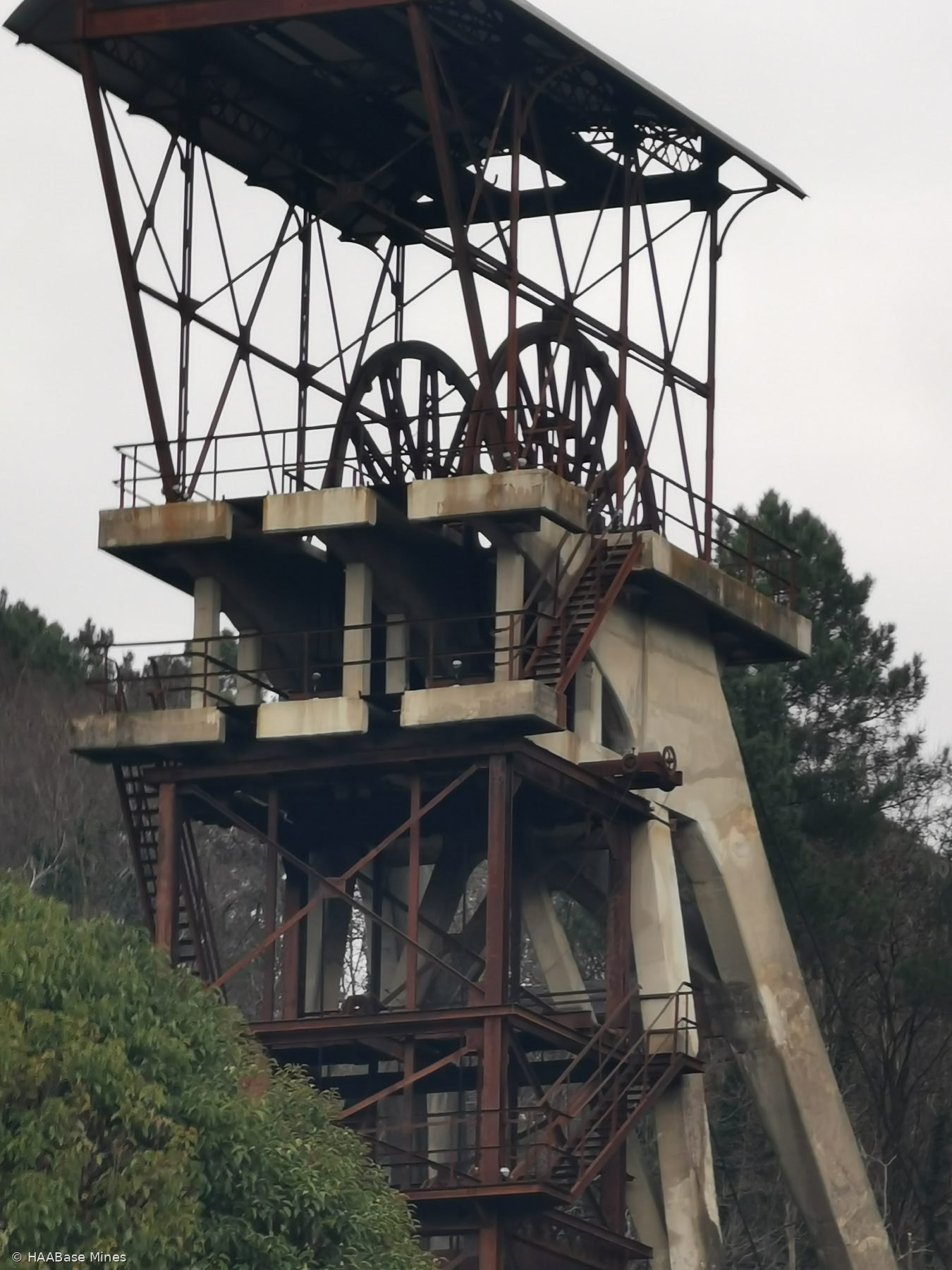
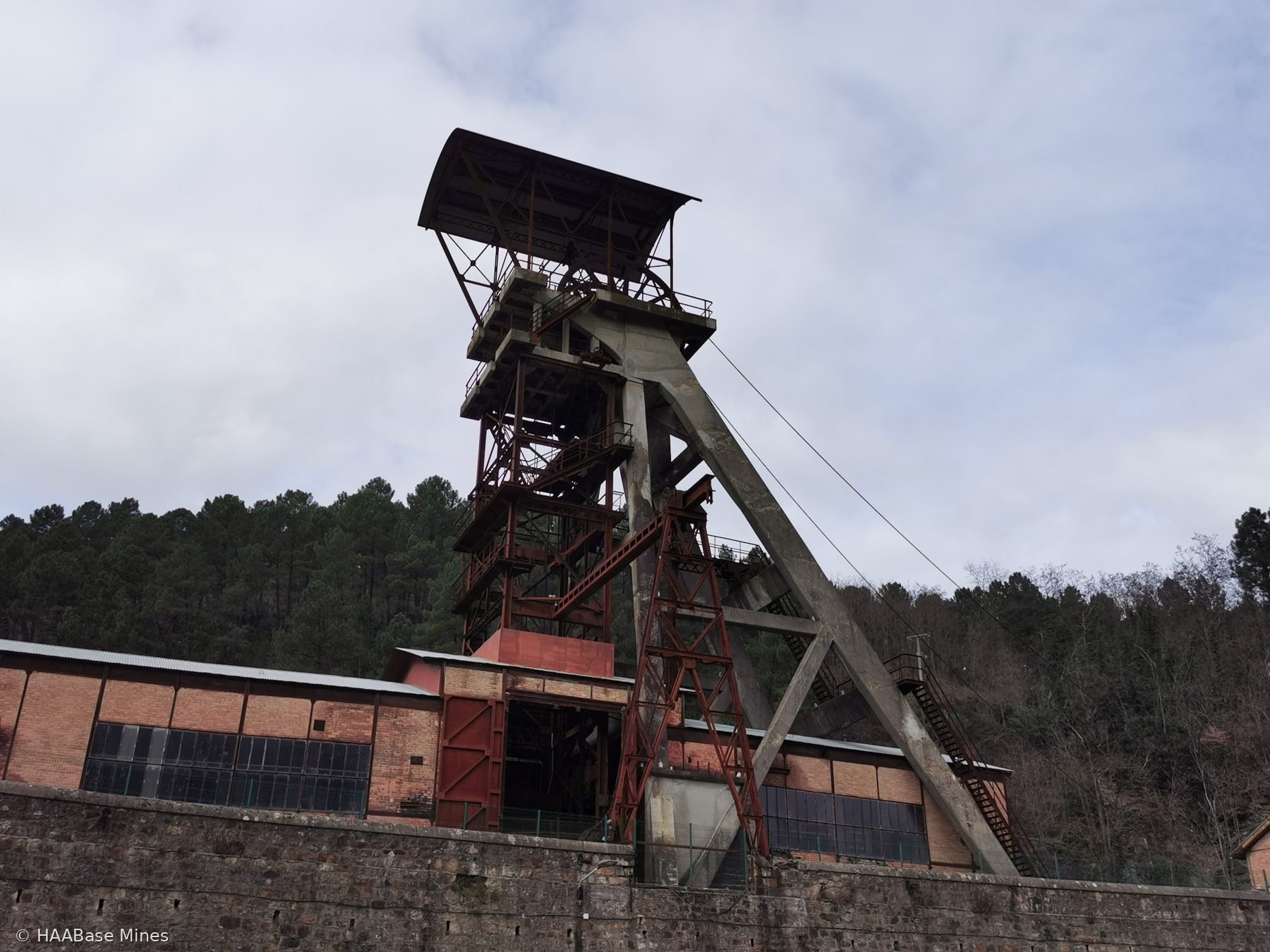
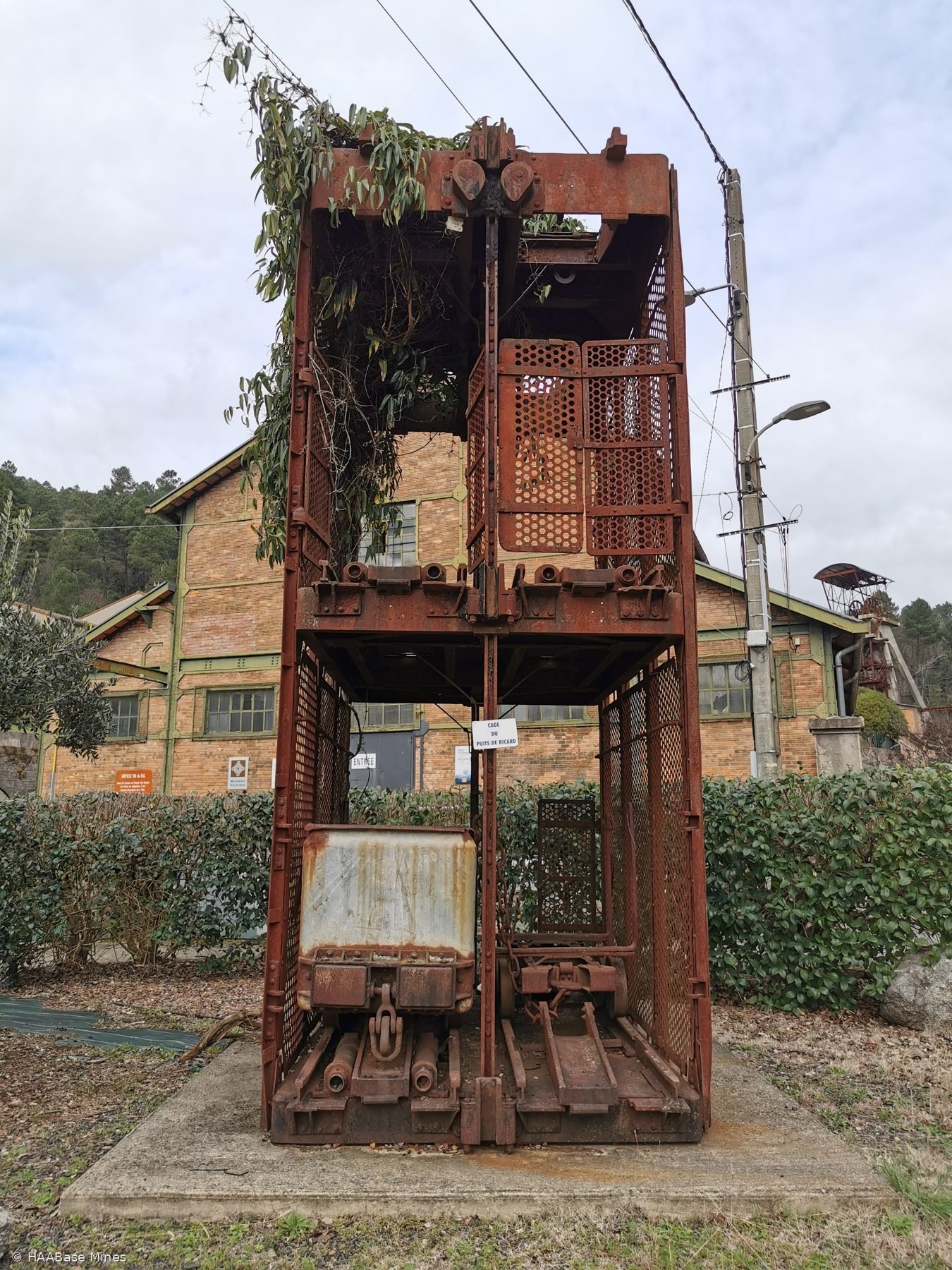
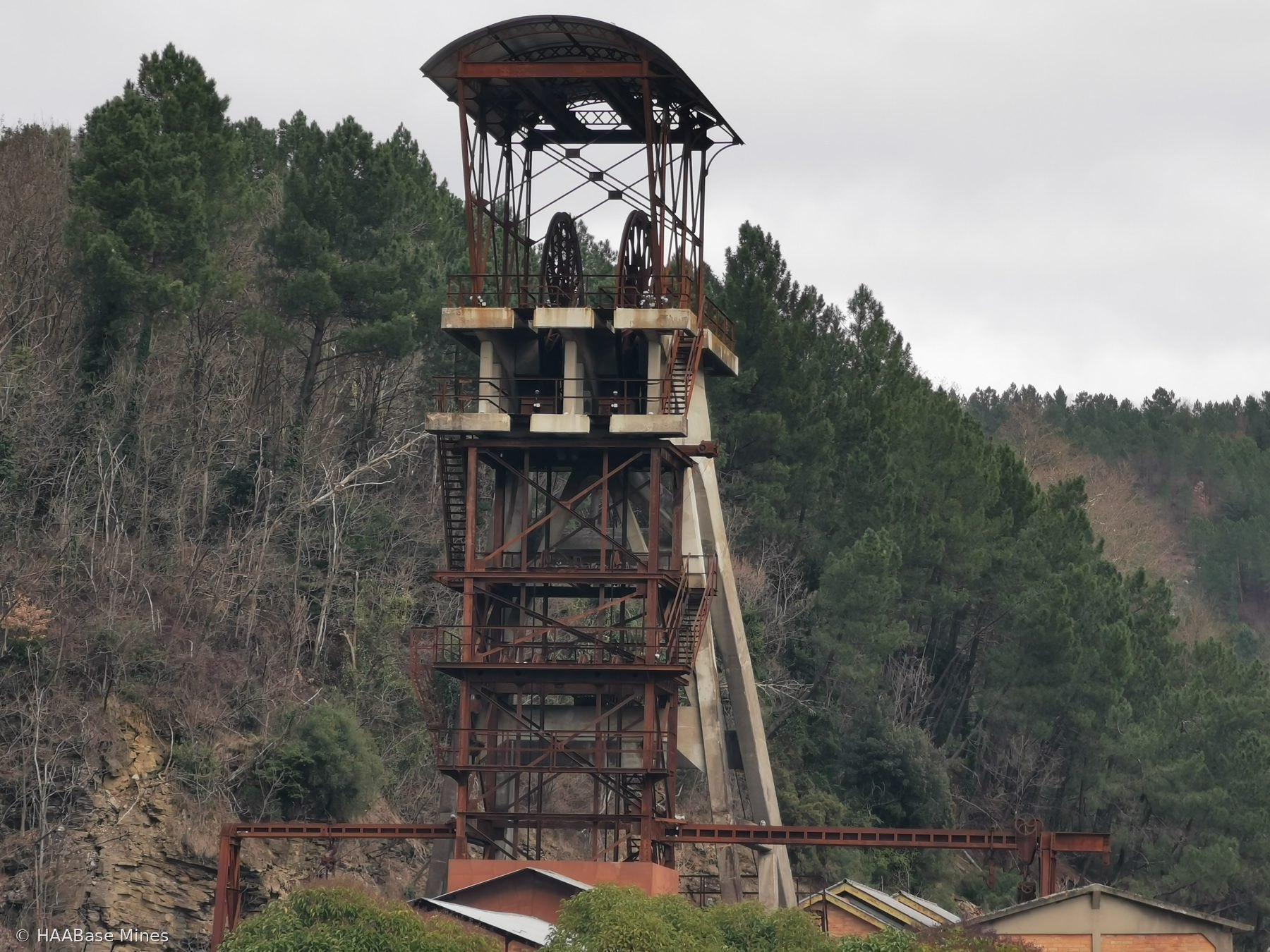
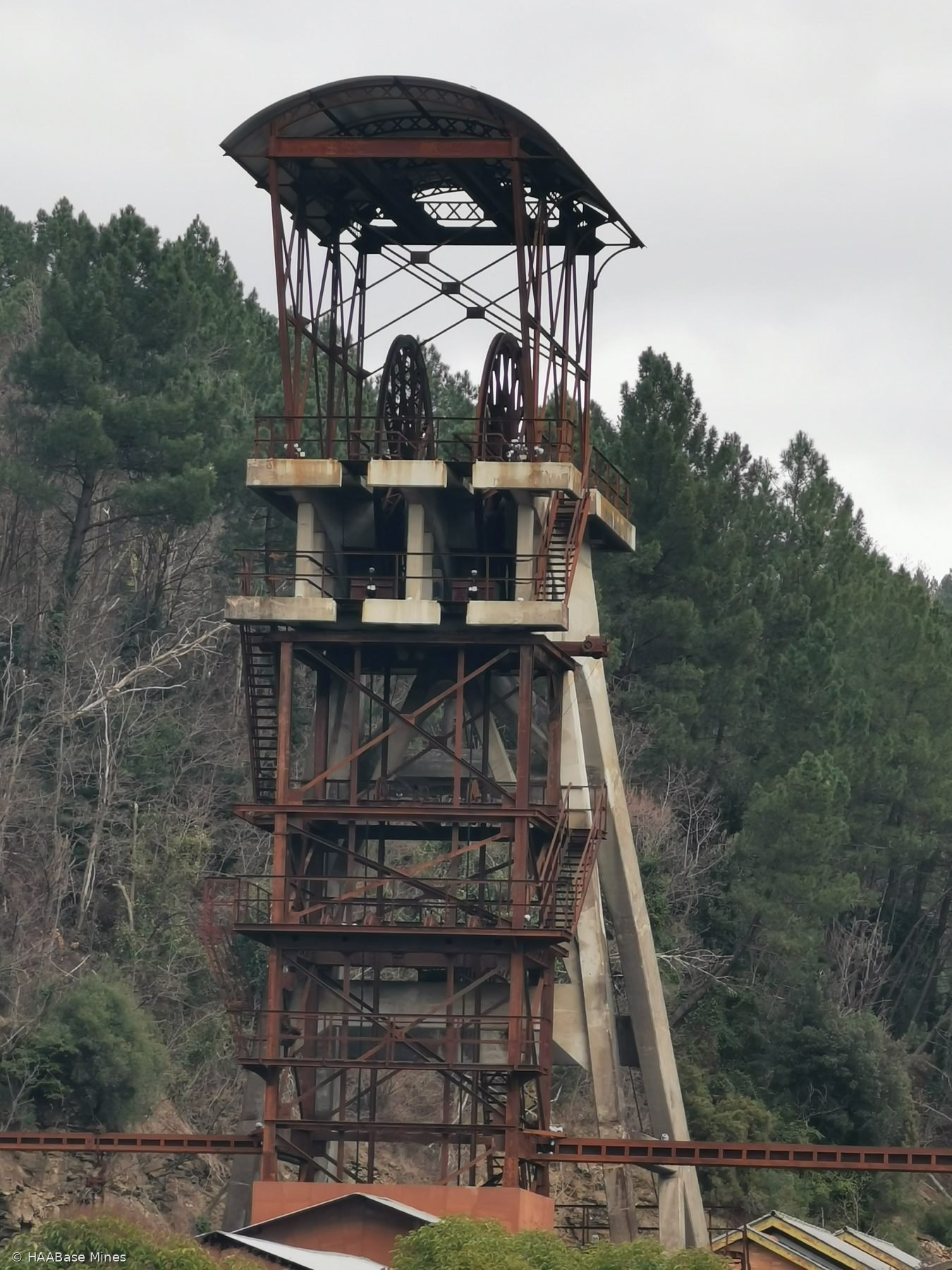
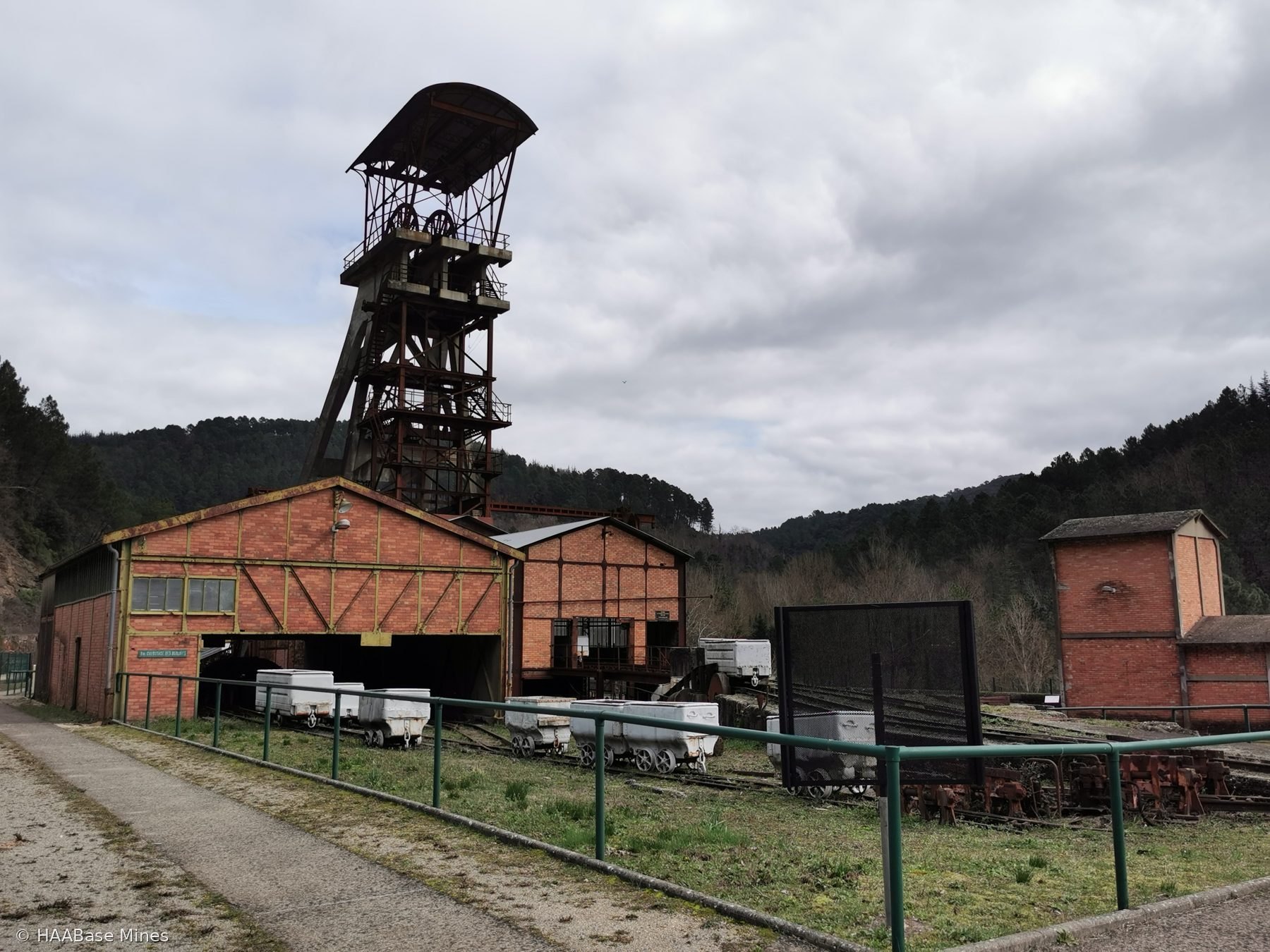
The principal commodities extracted were maigre and anthracitic coals, of a quality highly valued for steam navigation. The puits Ricard was sunk between 1932 and 1935 by the Compagnie des mines de la Grand'Combe. With a depth of 801 metres it became the deepest shaft in the Cévennes basin. The original headframe was destroyed by fire on 2 December 1938, killing two workers; it was replaced by a new composite headframe of reinforced-concrete cantilever with a metal faux-carré, designed by Belgian engineer Charles Tournay, who died in a fall from the structure during construction. The parts métalliques — faux-carré, safety equipment, molettes, and roofing — were carried out by the firm Derobert. The axis of the molettes is 25.60 metres above ground and the molettes have a diameter of 6 metres. The shower and changing building housing the salle des pendus dates from 1935; it accommodated up to 350 miners per shift in 1,800 numbered hanging baskets. An electric winding machine Venot with a C.E.M. motor of 1,200 horsepower was installed in 1948.
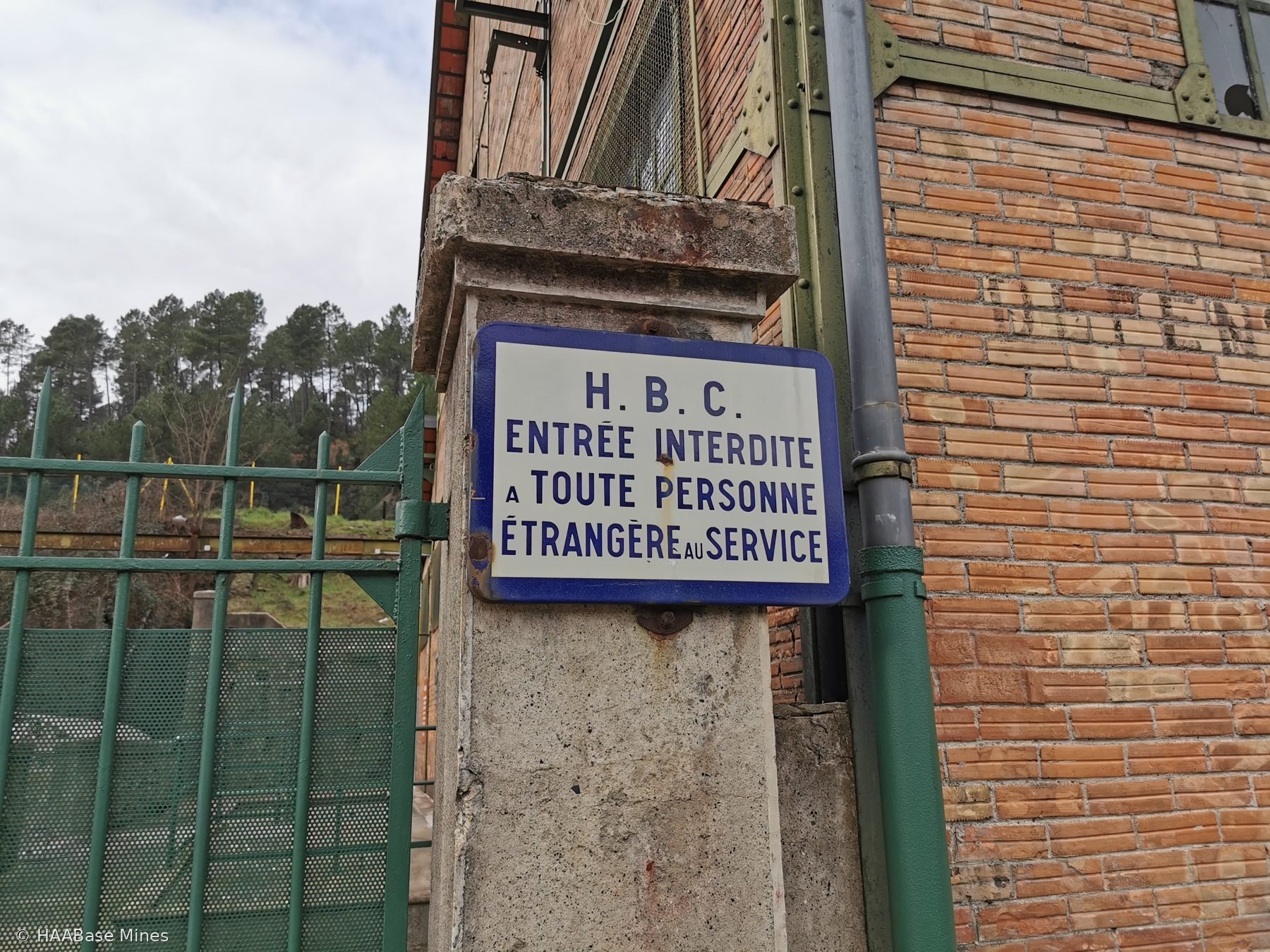
Nationalisation in 1946 created the Houillères du Bassin des Cévennes (HBC), which on 16 April 1968 were integrated into the Houillères du Bassin du Centre et du Midi (HBCM), organised as the Unité d'Exploitation du Gard. The basin at La Grand-Combe was among the most important in France: a production record of 3,300,000 tonnes was reached in 1958 across the Alès–La Grand-Combe basin, with a total workforce of 20,000 miners. La Grand-Combe at its peak counted up to 17,000 inhabitants, the third largest town in the Gard. A post de transformation was constructed in 1951.
During the great miners' strike of 1948, workers occupied the puits Ricard. On 21 October the carreau was expelled by order of Interior Minister Jules Moch. A major confrontation followed in the afternoon at which CRS were overwhelmed, with 14 serious casualties among the security forces and an unknown number of wounded miners. The strikers were eventually cleared from the puits Ricard by armoured vehicles. In March 1980 a strike with underground occupation began at La Grand-Combe; it lasted 13 months and is considered the longest strike in the history of European coal mining, ending only after the 1981 presidential election. Despite a brief attempt at a relaunch, the puits des Oules closed in 1985 marking the end of underground coal extraction in the Cévennes.
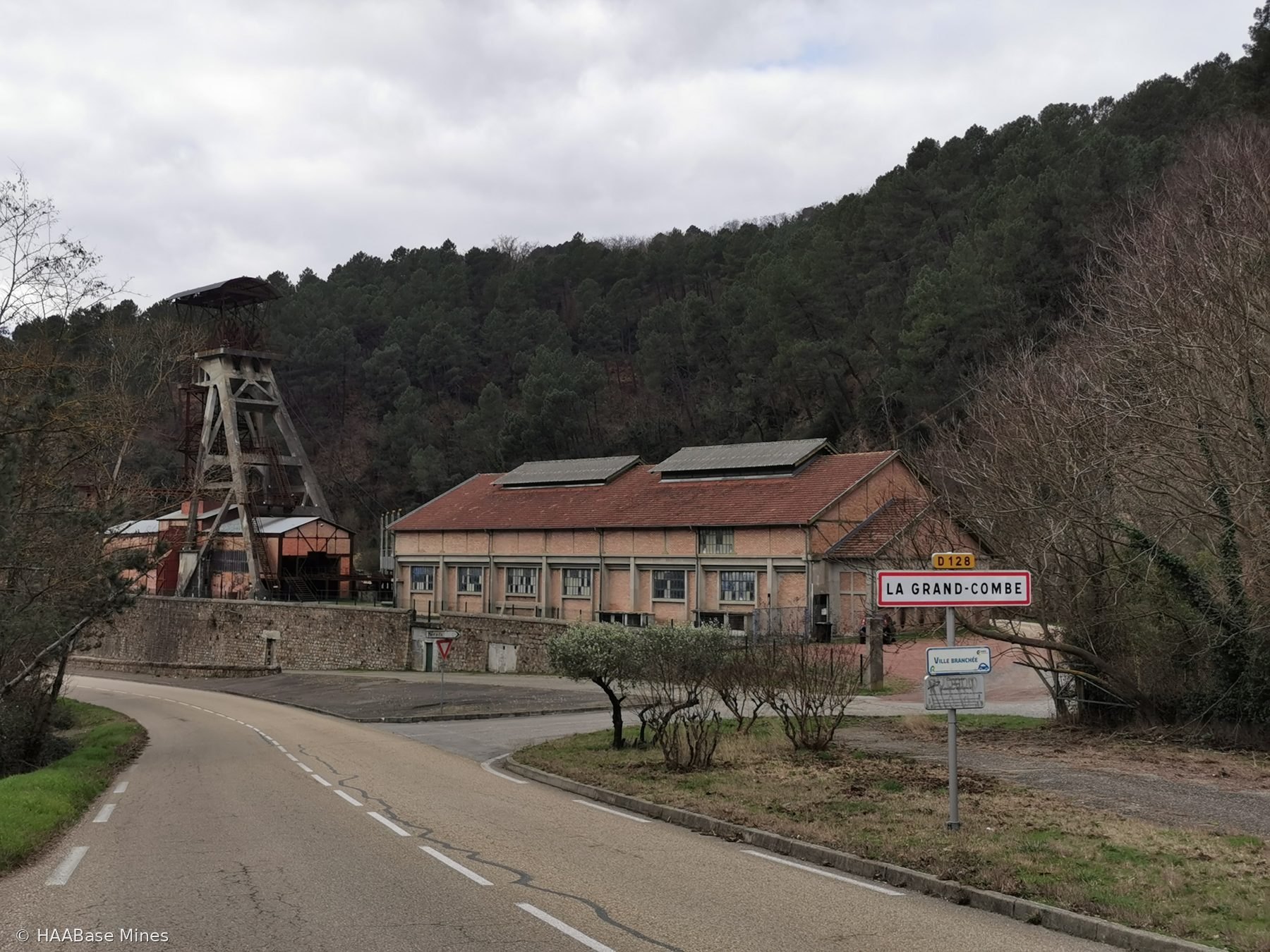
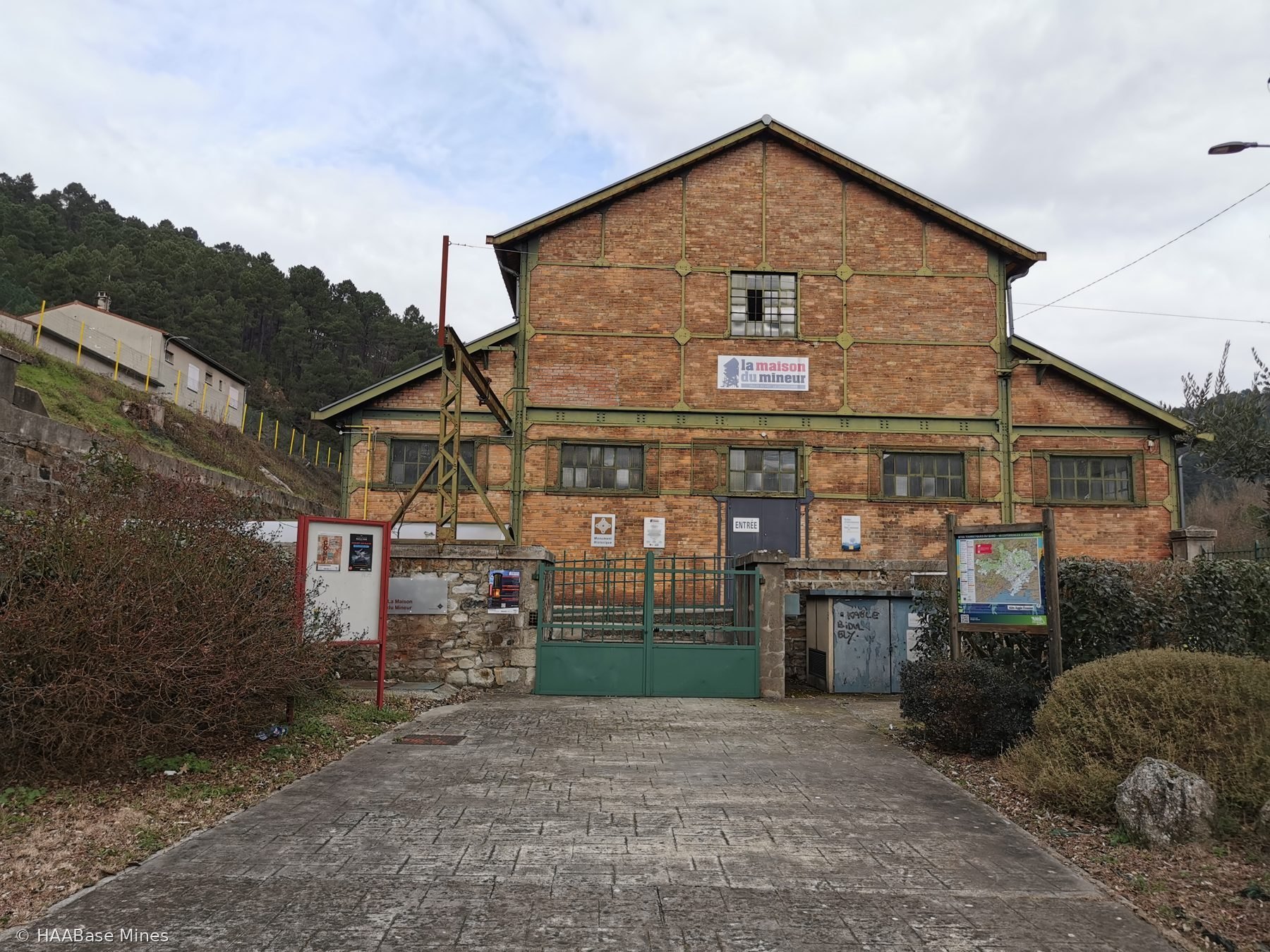
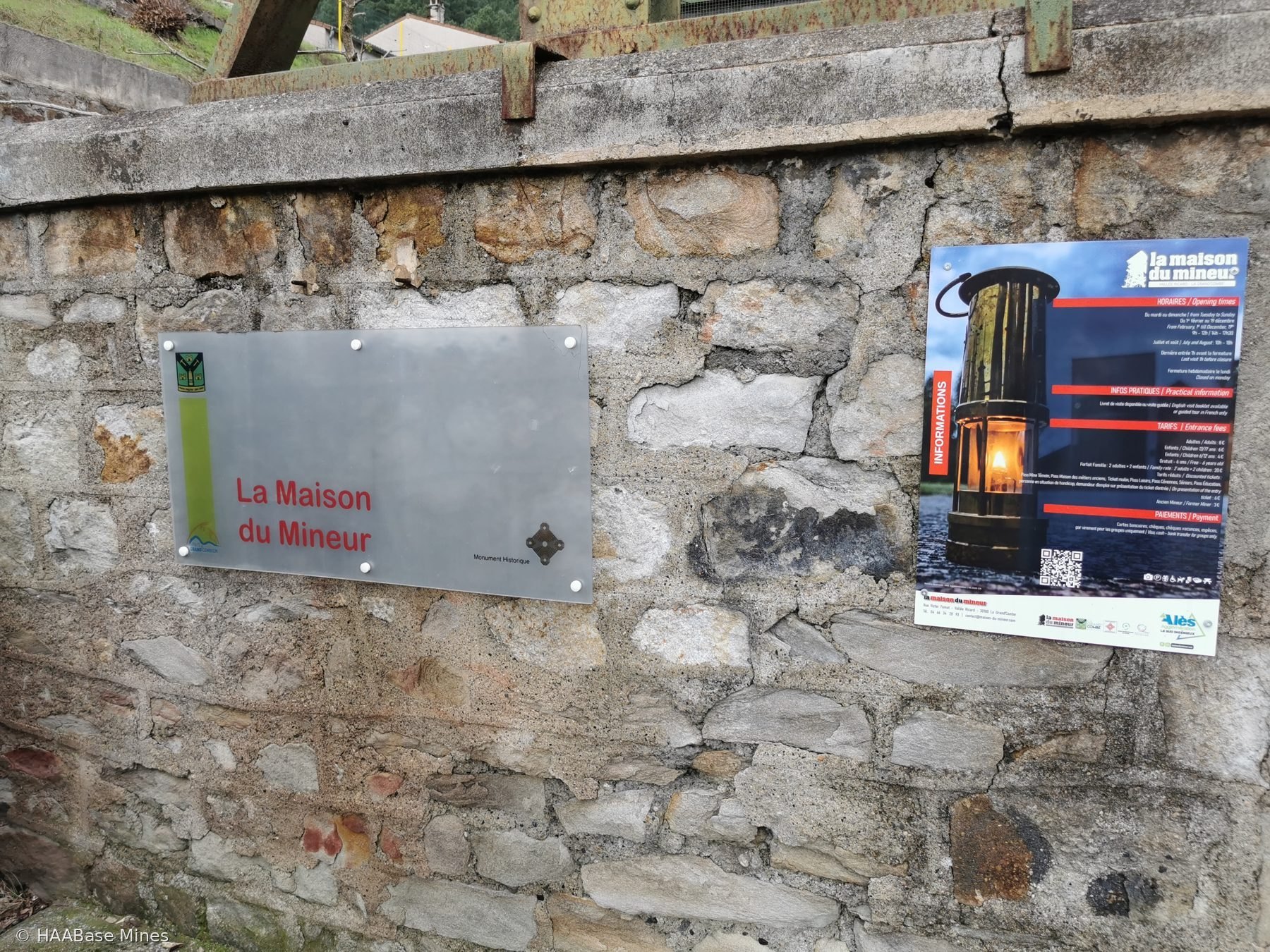
The puits Ricard closed in 1978. Most surface installations were demolished between 1989 and 1990. The chevalement, the winding engine building with its machinery (including the winding drum unique in Europe), the shower-changing building, and the workshop were retained. The Association des Amis du musée du mineur was founded in 1989. The municipality of La Grand-Combe, the CCI d'Alès, and the association officially created the museum in 1993. Buildings were restored in 2010. The site was inscribed to the Inventaire supplémentaire des monuments historiques on 14 May 2008 with the label Patrimoine du XXe siècle, covering the chevalement, winding engine building, shower-changing building, and workshop atelier du siège d'exploitation. The museum La Maison du Mineur, housed in the former shower building, was inaugurated in September 2013, with management from 1 January 2017 assumed by the tourism service of Alès Agglomération.