History
Coal extraction in the region of La Machine and Decize is attested from the fifteenth century. References to coal contracts date from between 1488 and 1492 according to local historian Louis Loinoizelée. In 1669 Jean-Baptiste Colbert detected the presence of coal in the Nivernais and sought to exploit it to relieve France's dependence on English coal for the navy of Louis XIV. The exploitation rights were granted to a Burgundian financier. Confronted with the rudimentary techniques of the time, a decision was made to engage Belgian engineers. In 1689 Daniel Michel installed a baritel — a wooden horse-driven winding engine — which became the name of the settlement: La Machine. Subsequently a commune and then a town grew up around the mine workings.
Over the following century the mines passed through numerous owners and experienced repeated crises. The duc de Nevers affermed the exploitations in 1776 to Pinet fils and Gounot. A machine à vapeur was installed in 1782. During the Revolution the mines were placed under séquestre and passed through multiple hands. In 1801 the mine possessed eight puits descending to 80 metres, producing 8,000 tonnes per year. In 1816 a Société anonyme des mines de houille de Decize was created, installing several steam engines and over 300 miners' lamps. In 1841 a remarkable horse-drawn railway with five dry locks or wagon lifts was constructed to bring coal down the hillside to the canal du Nivernais, 6 kilometres distant. In 1863 the Compagnie Schneider et Cie du Creusot, approximately 100 kilometres away, acquired the houillère to fuel its blast furnaces. Official records show the acquisition year as 1869. Under Schneider, new puits were sunk, coal washing and sorting halls were built, a church, schools, and workers' cités were constructed and the mine came to employ up to 1,600 workers in the twentieth century.
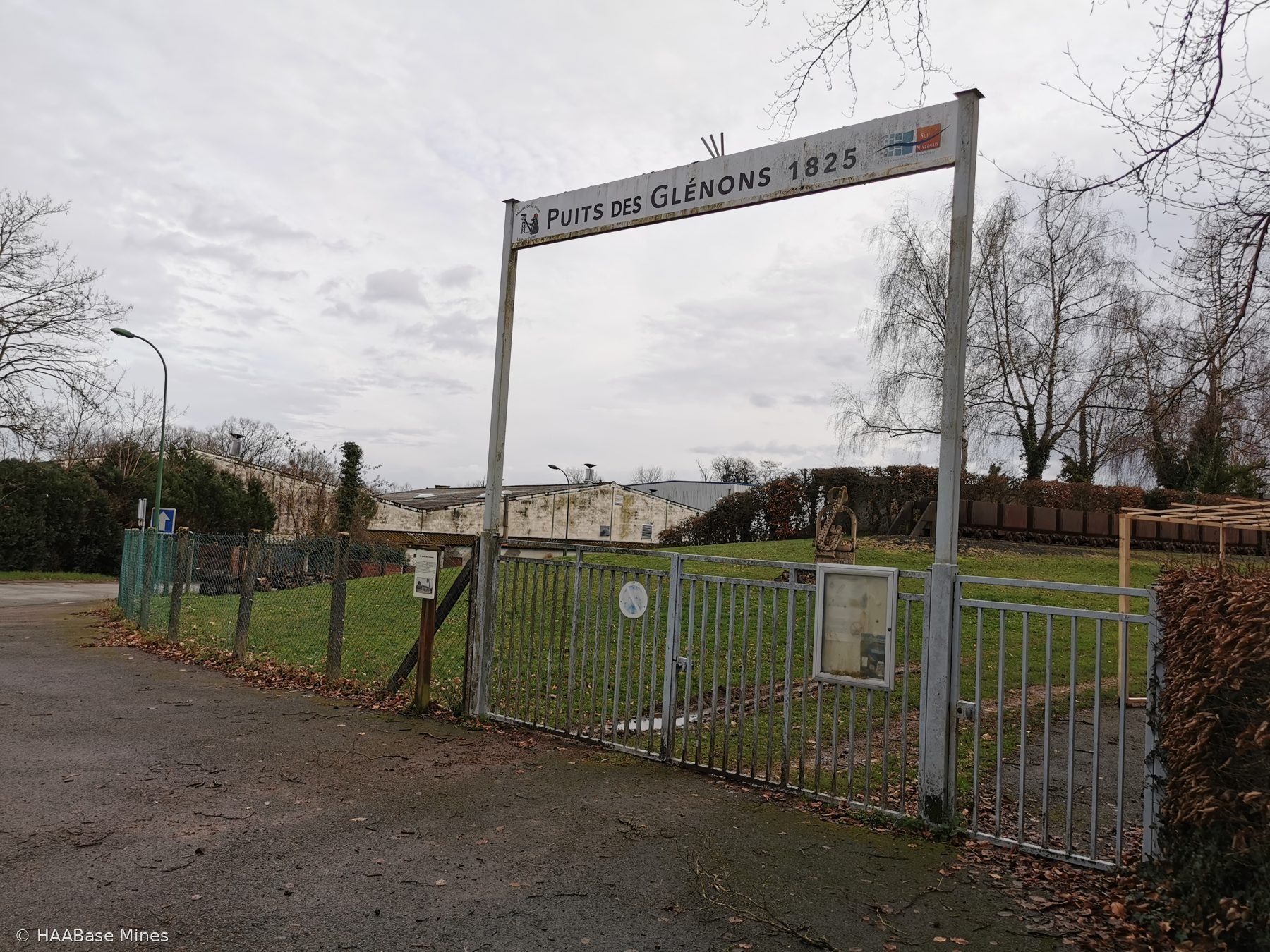
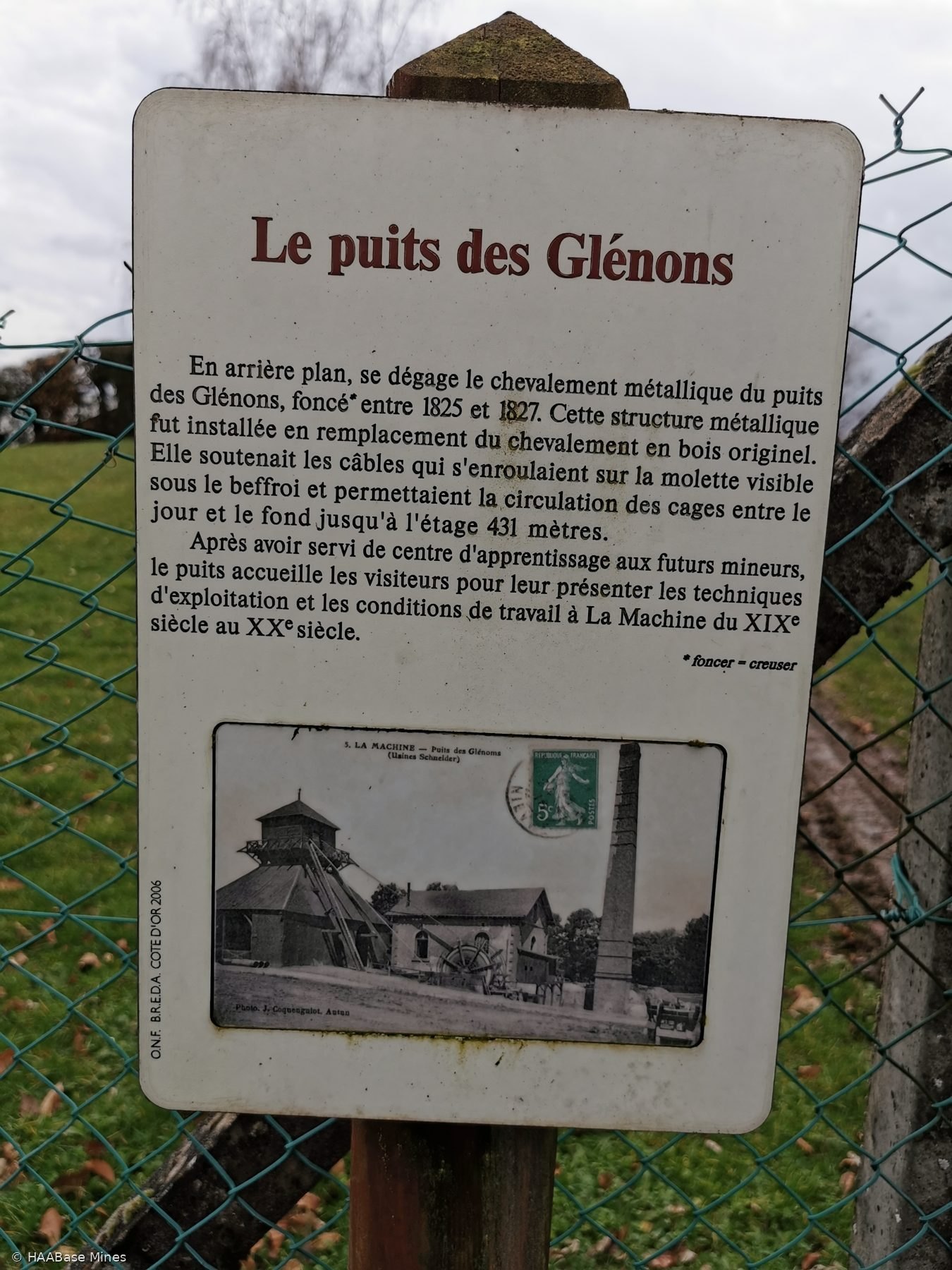
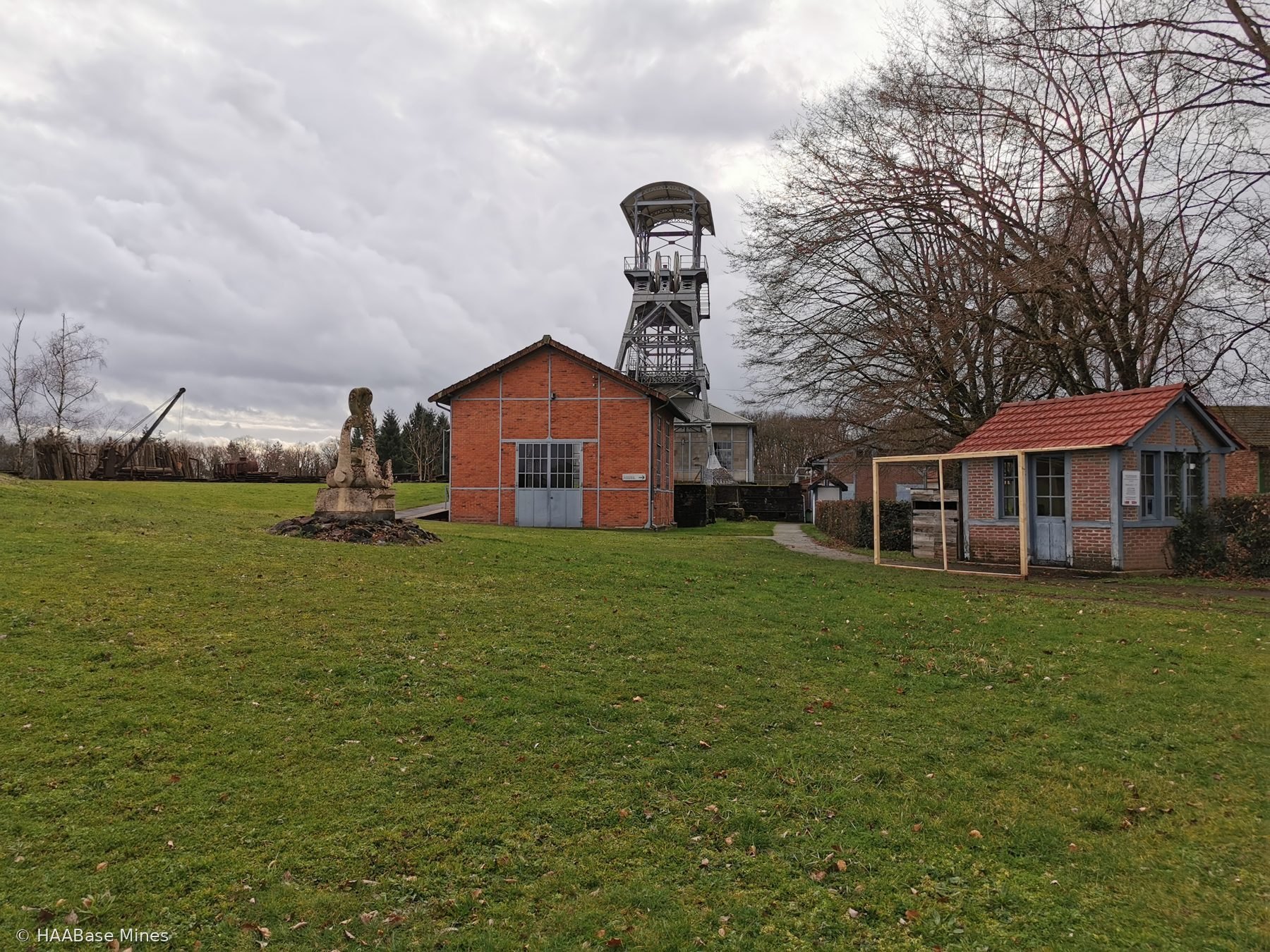
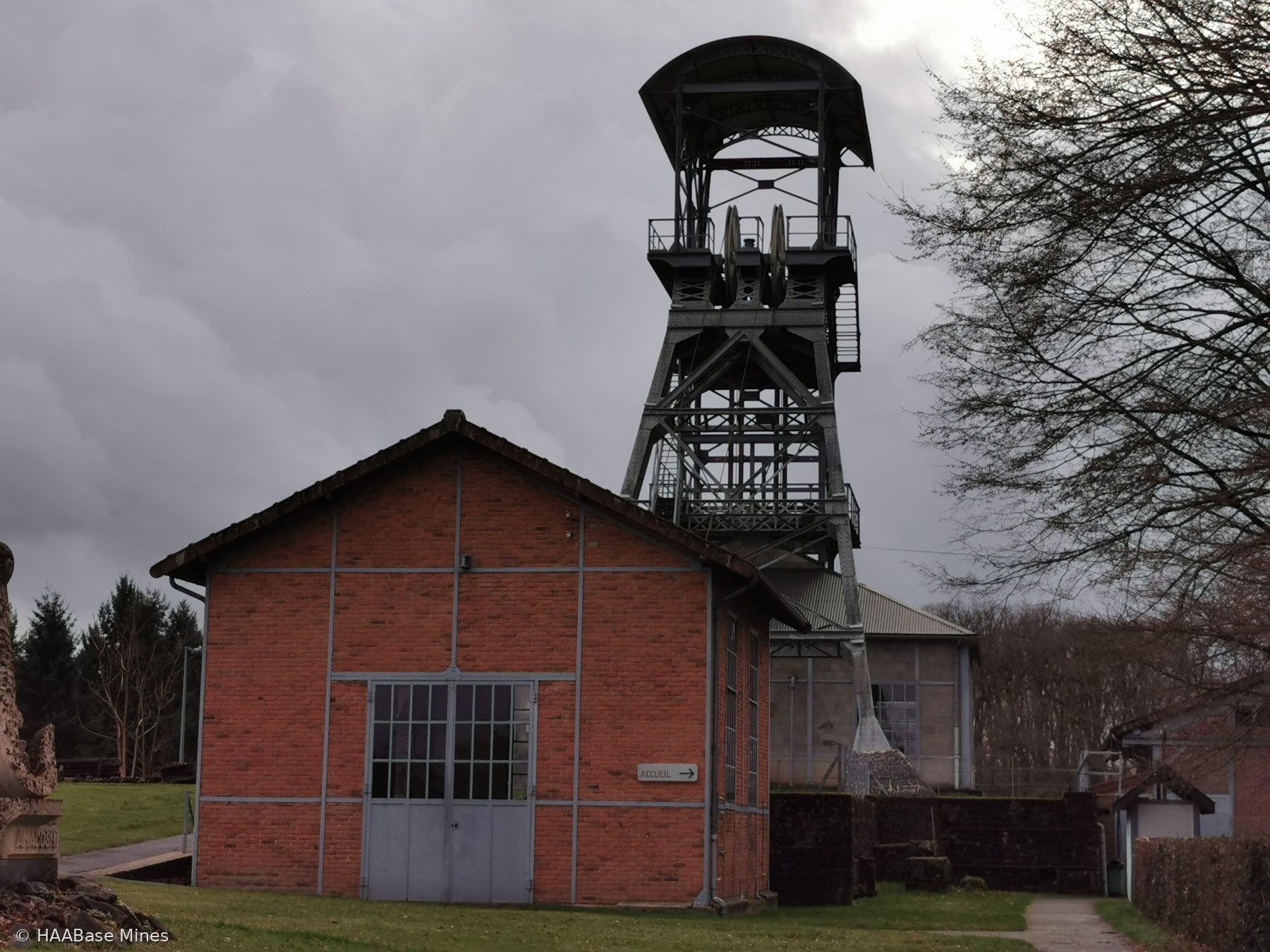
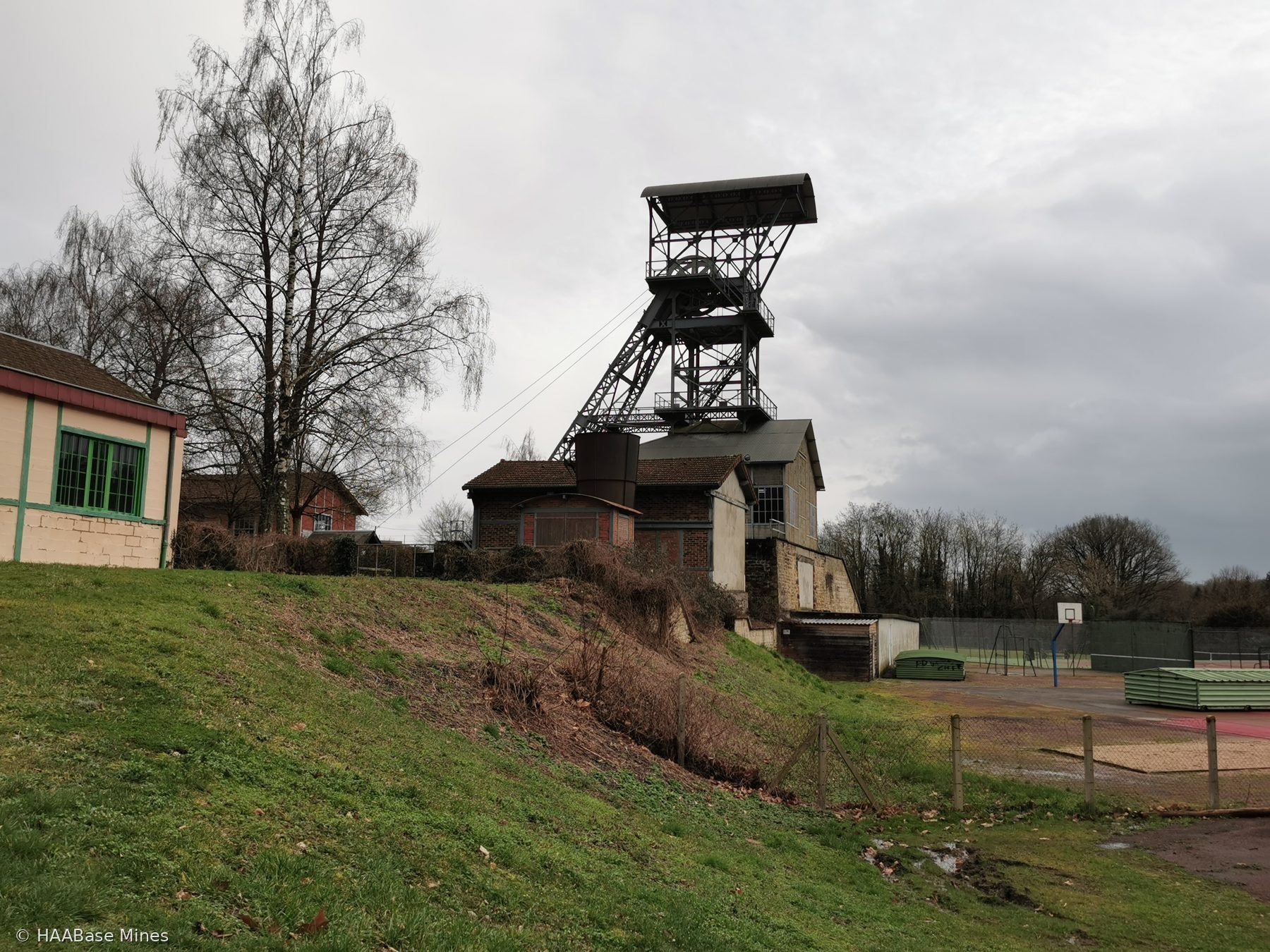
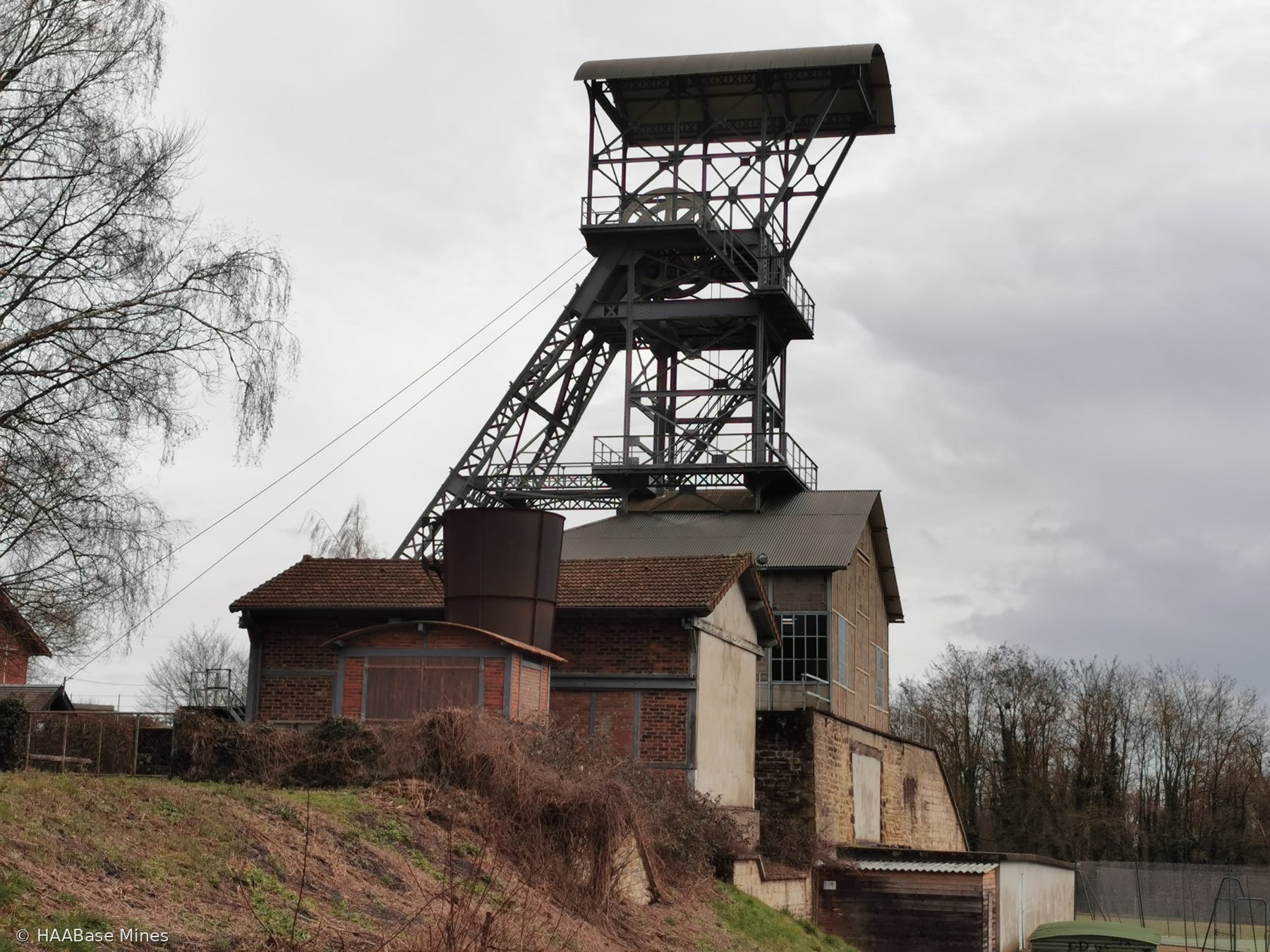
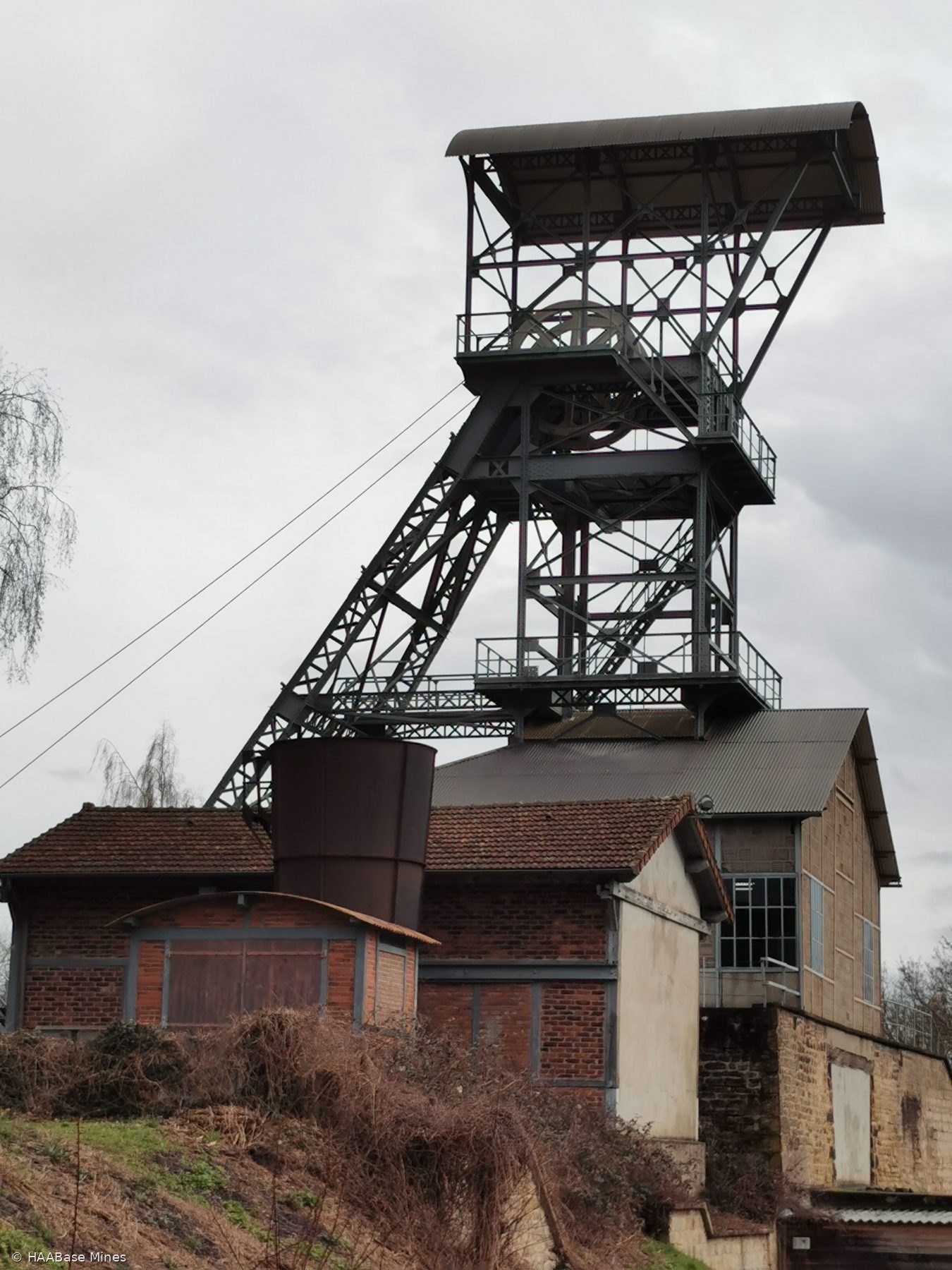
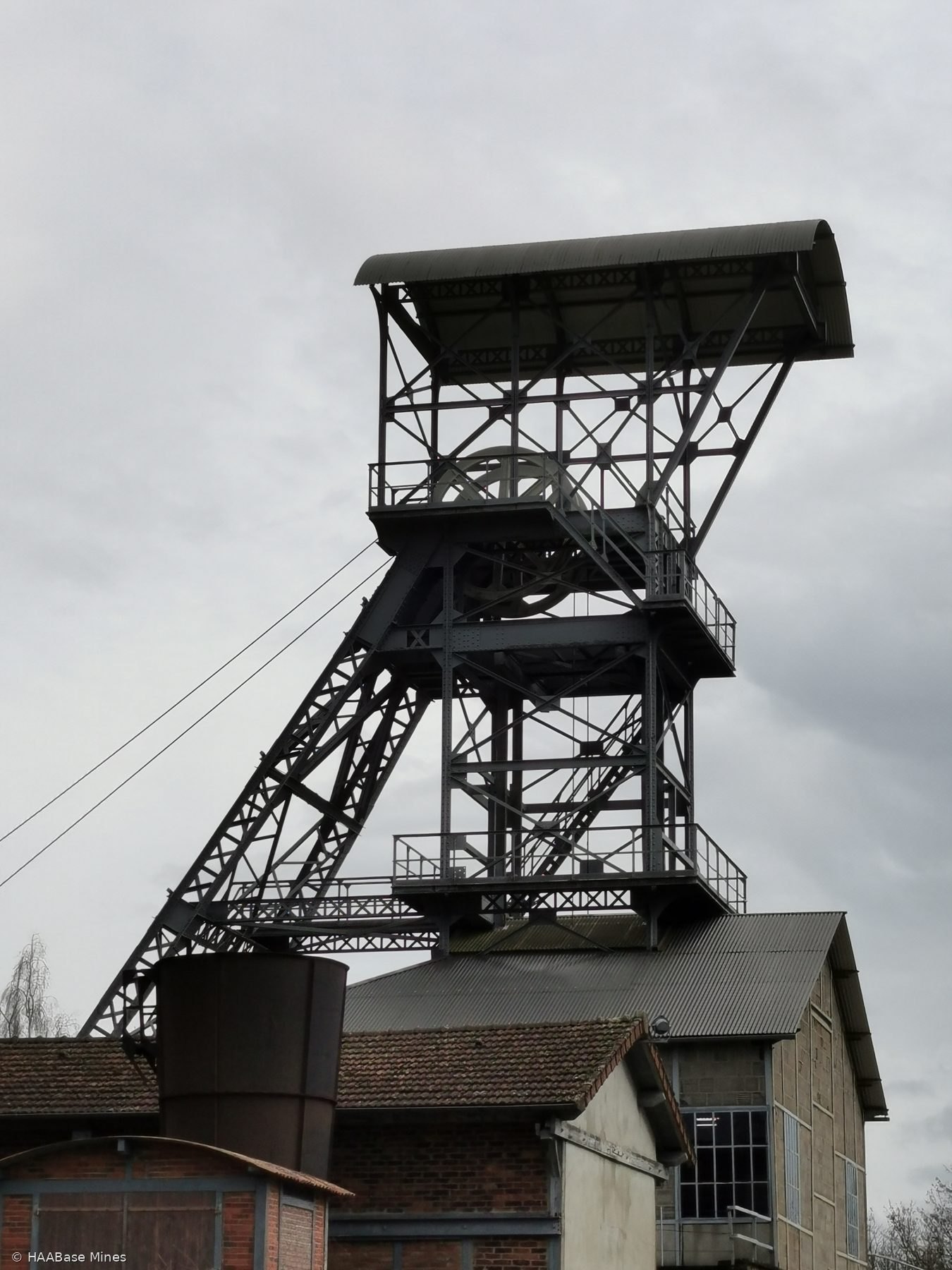
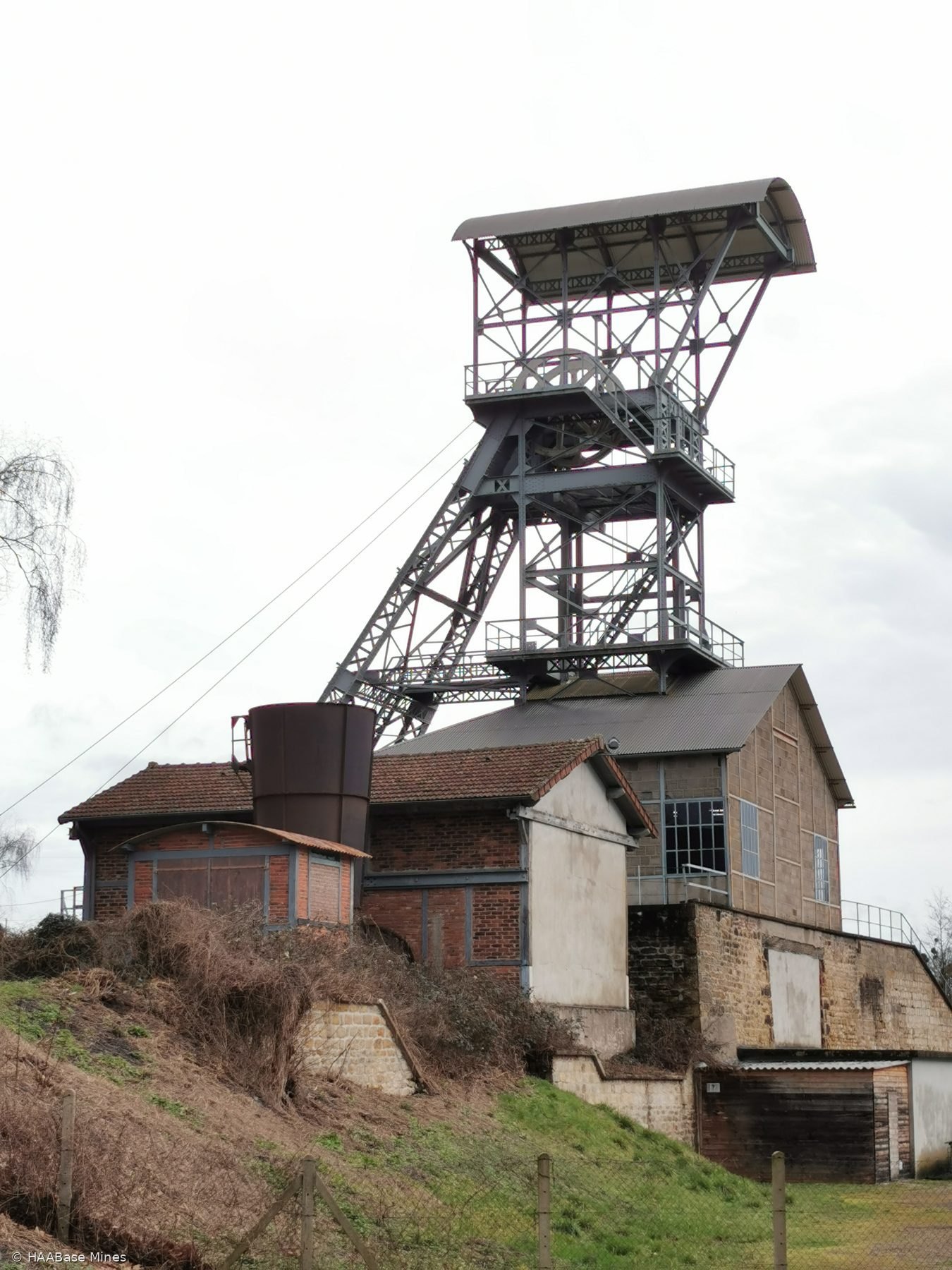
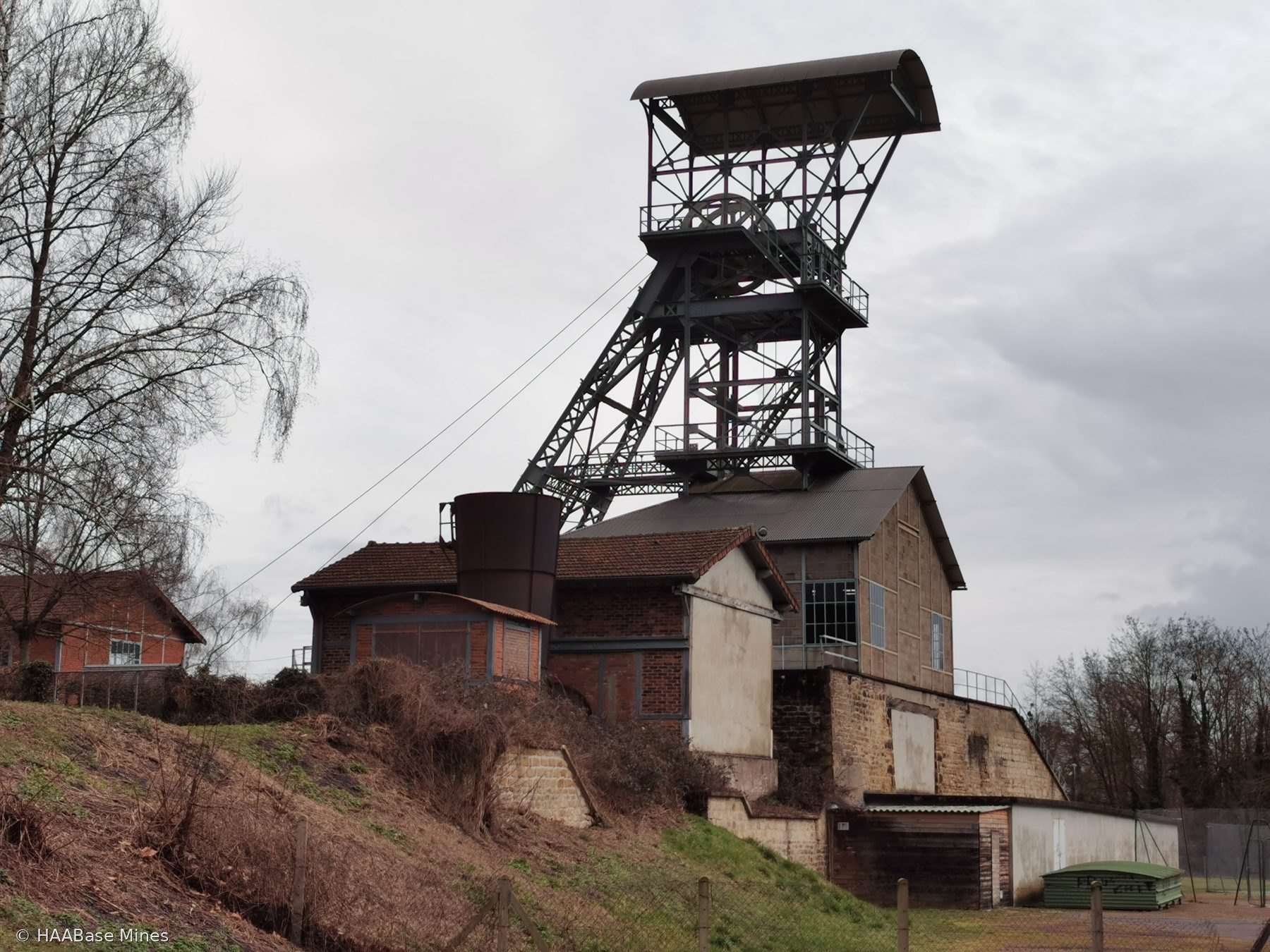
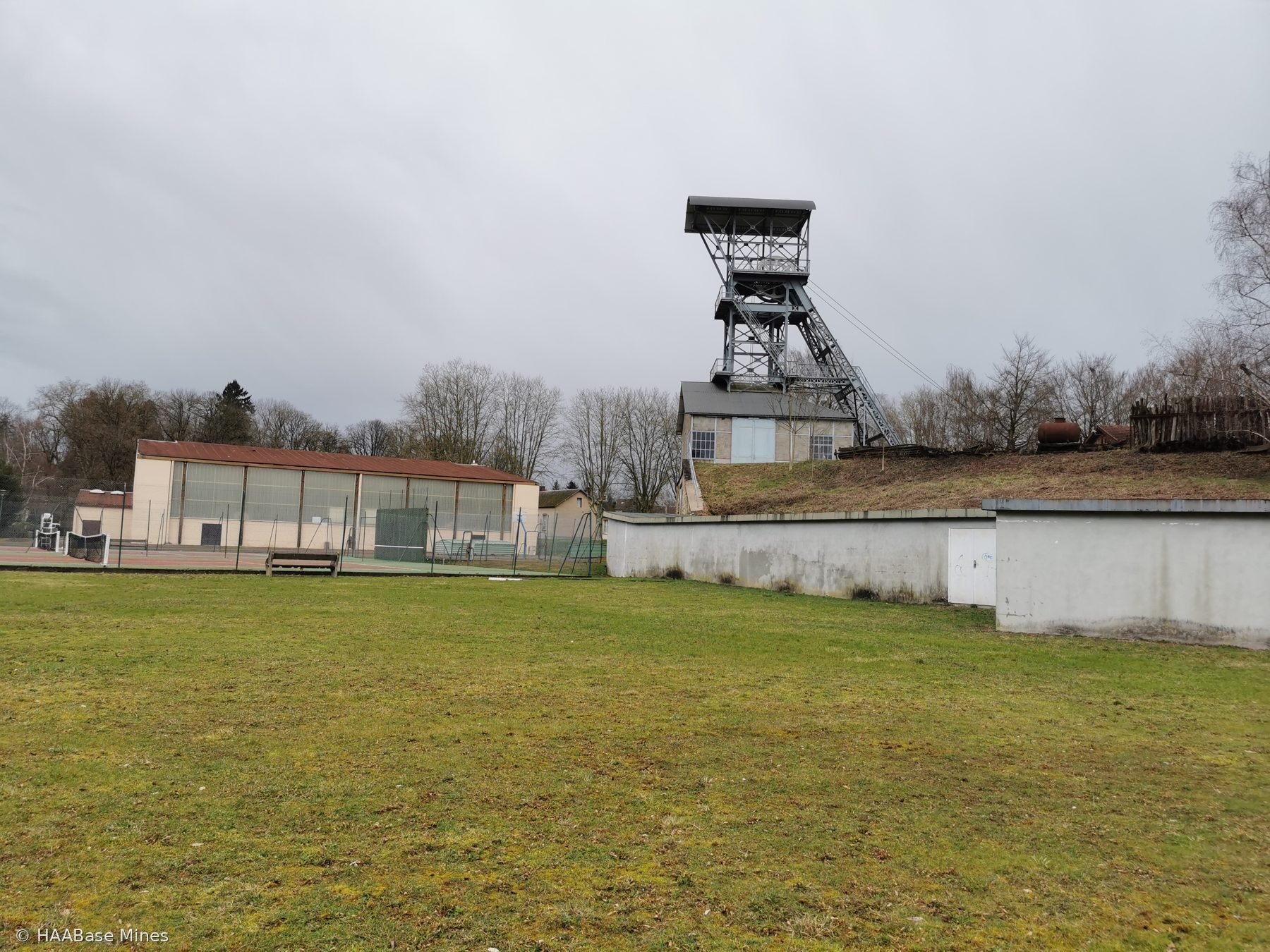
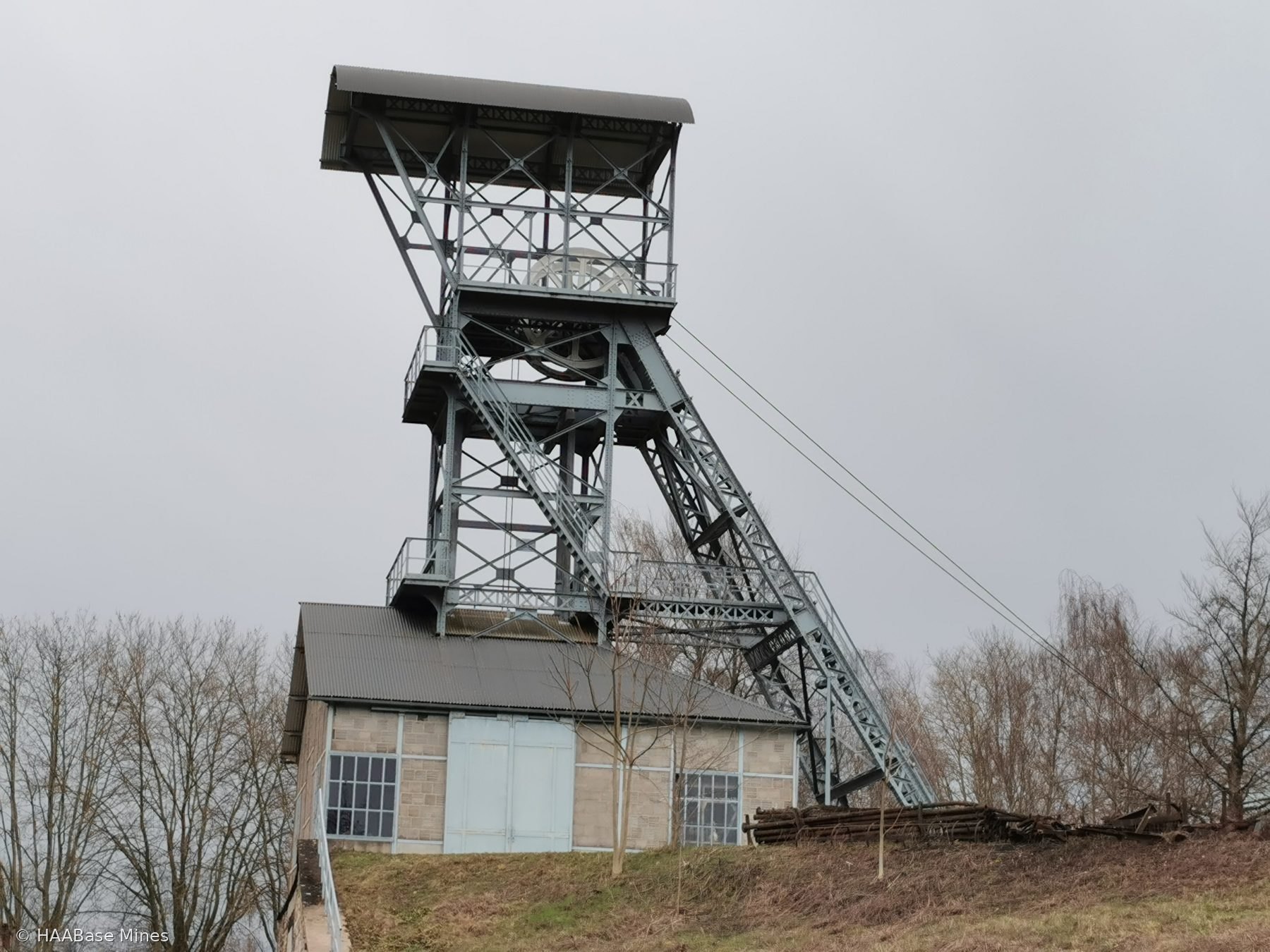
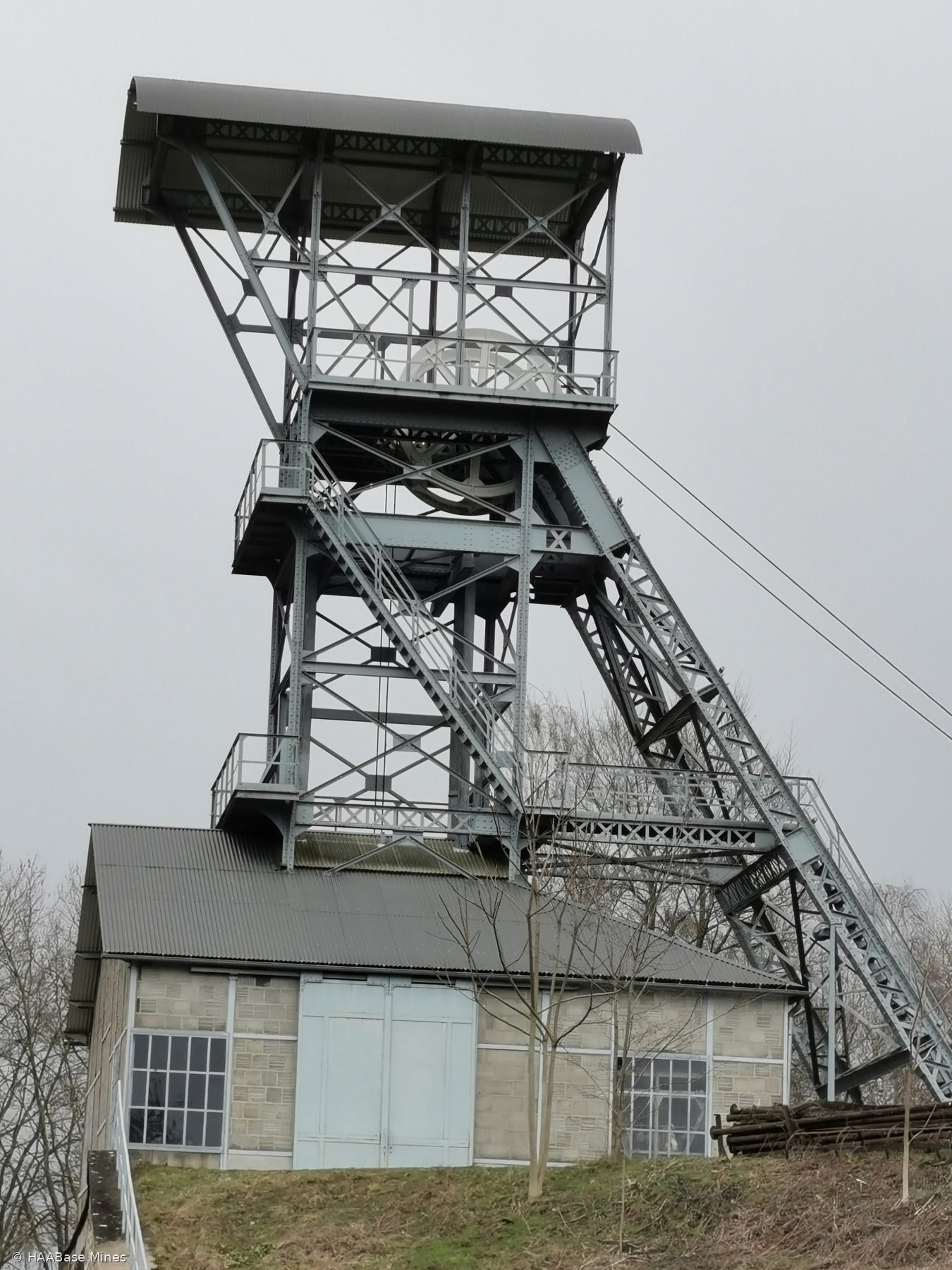
The puits des Glénons was sunk between 1825 and 1827, initially in wood-framed construction. It was deepened progressively to reach 431 metres. In 1953 the wooden headframe was replaced by a 25-metre metal one transferred from the Bois de Verne site at Blanzy. Extraction at puits des Glénons ceased in 1954; thereafter it served for ventilation and as an emergency access for the puits des Minimes, which became the principal extraction shaft from 1961. Other puits included: puits des Zagots sunk around 1840, ceased activity 1961; puits Marguerite, which suffered a catastrophic coup de poussier on 18 February 1890 killing 43 workers, ceased extraction 1927; puits Henri Paul, which realised extraction until 1961 then served for ventilation and materials descent; and puits des Minimes (formerly puits Schneider), the last extraction shaft, sunk in the early twentieth century and the sole active shaft from 1961. In 1890 the coup de poussier at puits Marguerite was triggered when two blasting shots in rapid succession raised a cloud of coal dust that the second shot ignited, spreading through the galleries.
At nationalisation in 1946, by decree no. 46-1570 of 28 June 1946, the Houillères du bassin de Blanzy were created and the La Machine exploitation was attached to them under Charbonnages de France. The modern puits des Glénons chevalement, built at Le Creusot, was transferred to La Machine in 1938 and served until 1974. Closure of the basin was discussed from 1966 despite sounding campaigns. The houillères closed definitively on 1 August 1974. At closure approximately 800 workers were employed; 507 were retired and around 100 were transferred to Montceau-les-Mines.
The Association Machinoise pour la Conservation du Souvenir Minier (AMACOSMI) was created on 3 May 1970. Through its work the puits des Glénons escaped demolition. The former houillère administrative buildings were purchased by the municipality in 1975 with the support of AMACOSMI and the Délégation interministérielle à l'aménagement du territoire. Renovation began in 1976. The musée de la mine opened on 17 July 1983, installed in the former administrative buildings; the puits des Glénons was opened to visitors in 1987. More than 250,000 visitors have subsequently passed through the museum. The museum and puits des Glénons carry the label Musée de France.