View fact-check assessment and classification
The history, timeline and surviving-site classification shown here reflect the reviewed account.
The record identifies Puits des Glénons as the surviving shaft-head complex of the Decize–La Machine coalfield, sunk in 1825–1827, ultimately 431 metres deep and later used for ventilation and emergency access after extraction ended in 1954. Municipal mining histories, photographic records, the museum’s own account and APPHIM specialist documentation establish its identity, working life, preservation and reuse. The metal headframe is a relocated historic structure from Bois de Verne rather than an original nineteenth-century Glénons headframe.
Municipal photographs date its installation to 1954, while specialist accounts refer to a 1953 transfer, an unresolved difference in the precise sequence rather than in its provenance. The 1890 dust explosion belongs to the separate Marguerite and connected Zagots workings. Closure of the La Machine coalfield in 1974, foundation of AMACOSMI in 1970 and opening of the main museum in 1983 are well evidenced.
The mine-school visitor gallery contains historic and reconstructed elements. Evidence for the exact 1841 railway commissioning, the formal Schneider acquisition date, some precise workforce totals and the reported 1987 public opening is weaker. The overall site identity, surviving-site classification and principal twentieth-century timeline are well supported, while certain detailed dates remain qualified.
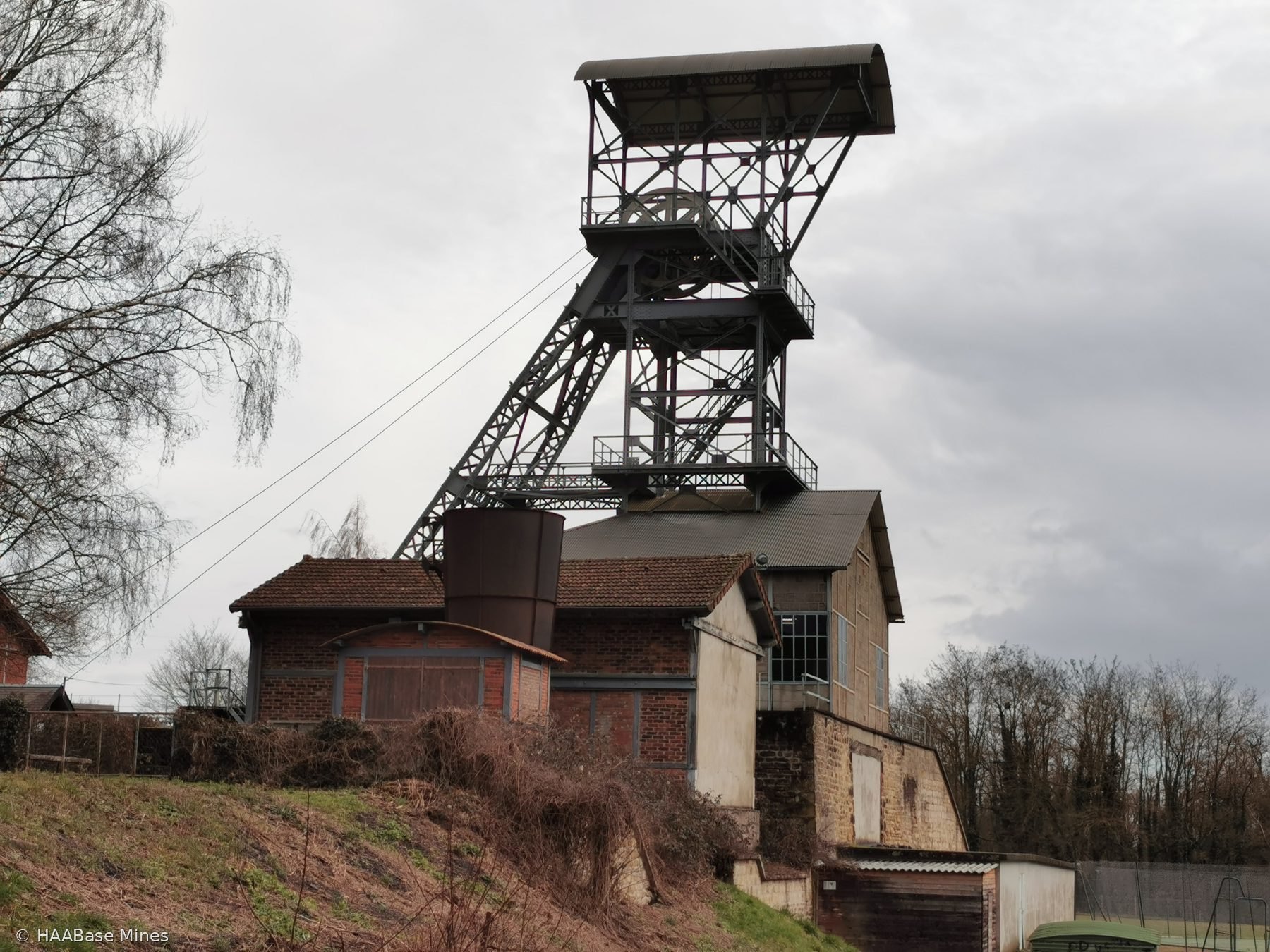
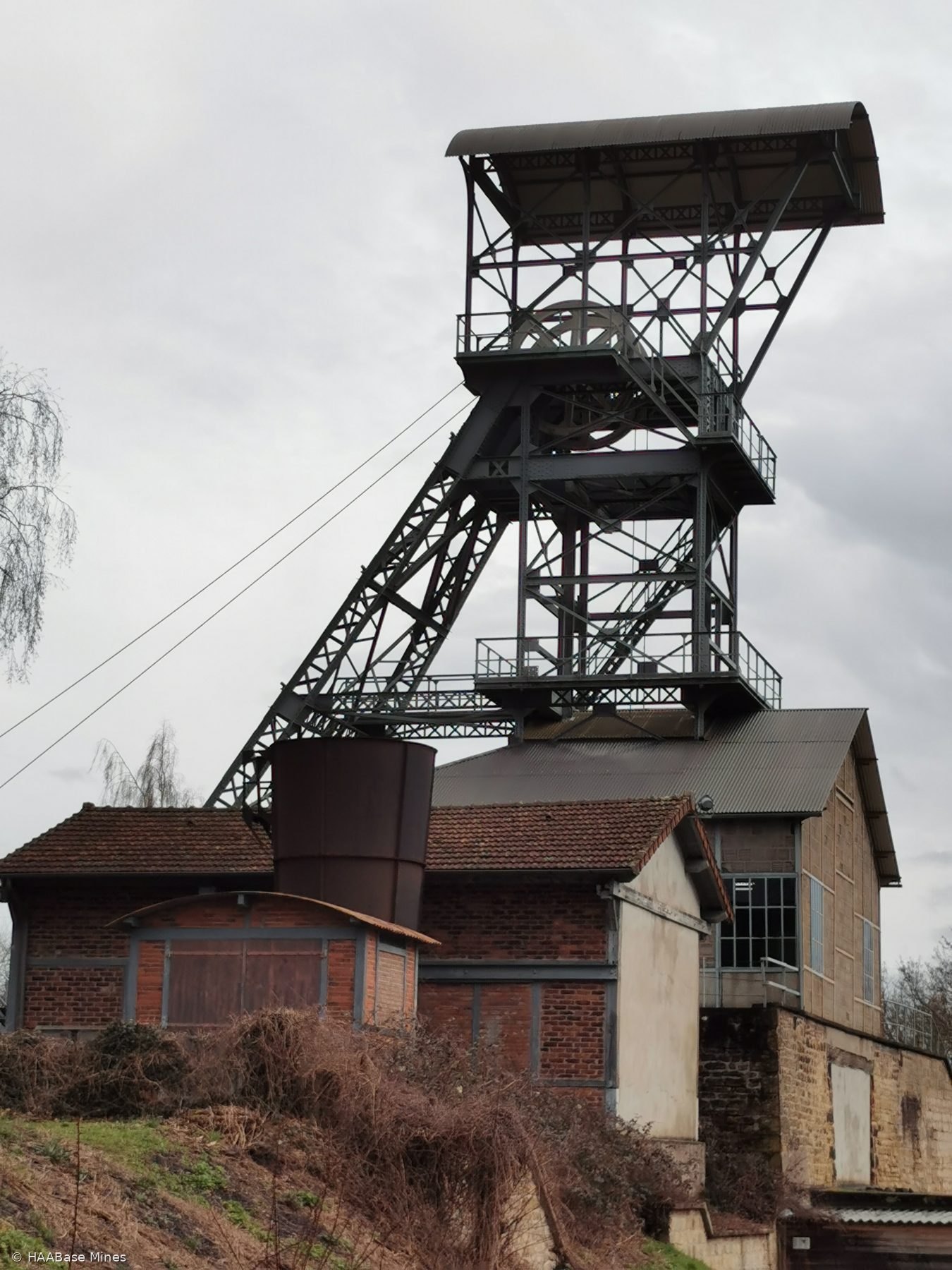
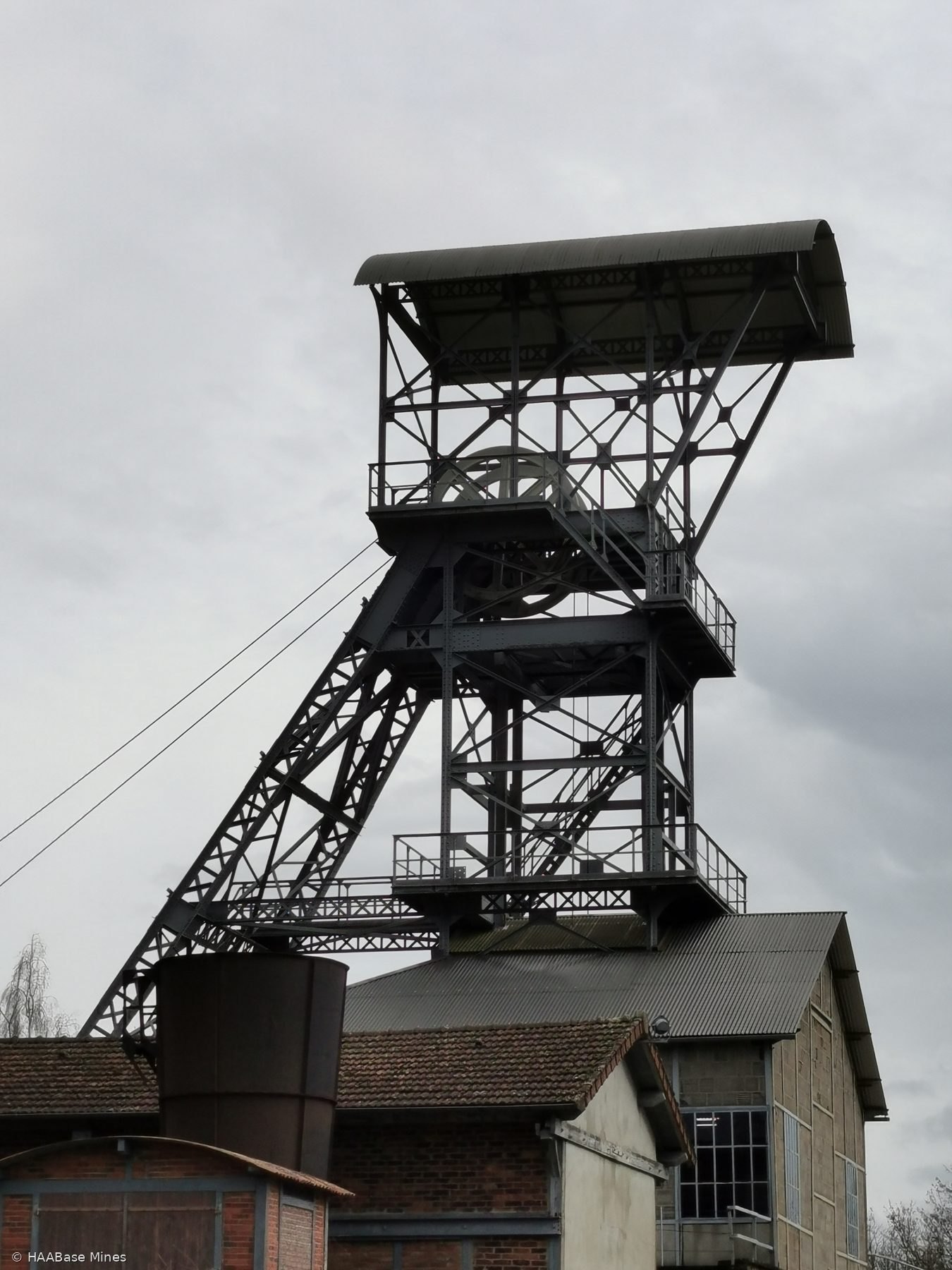
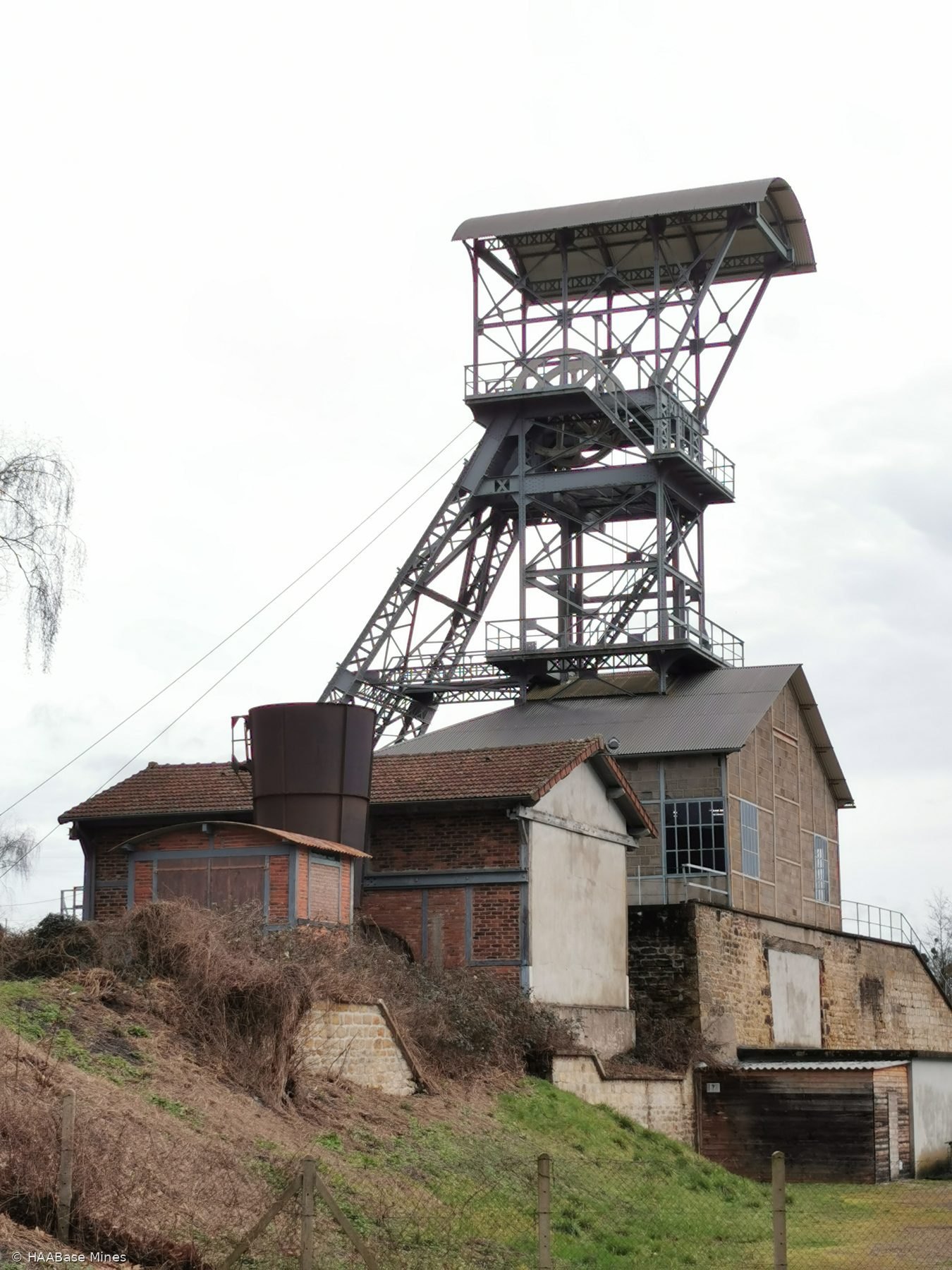
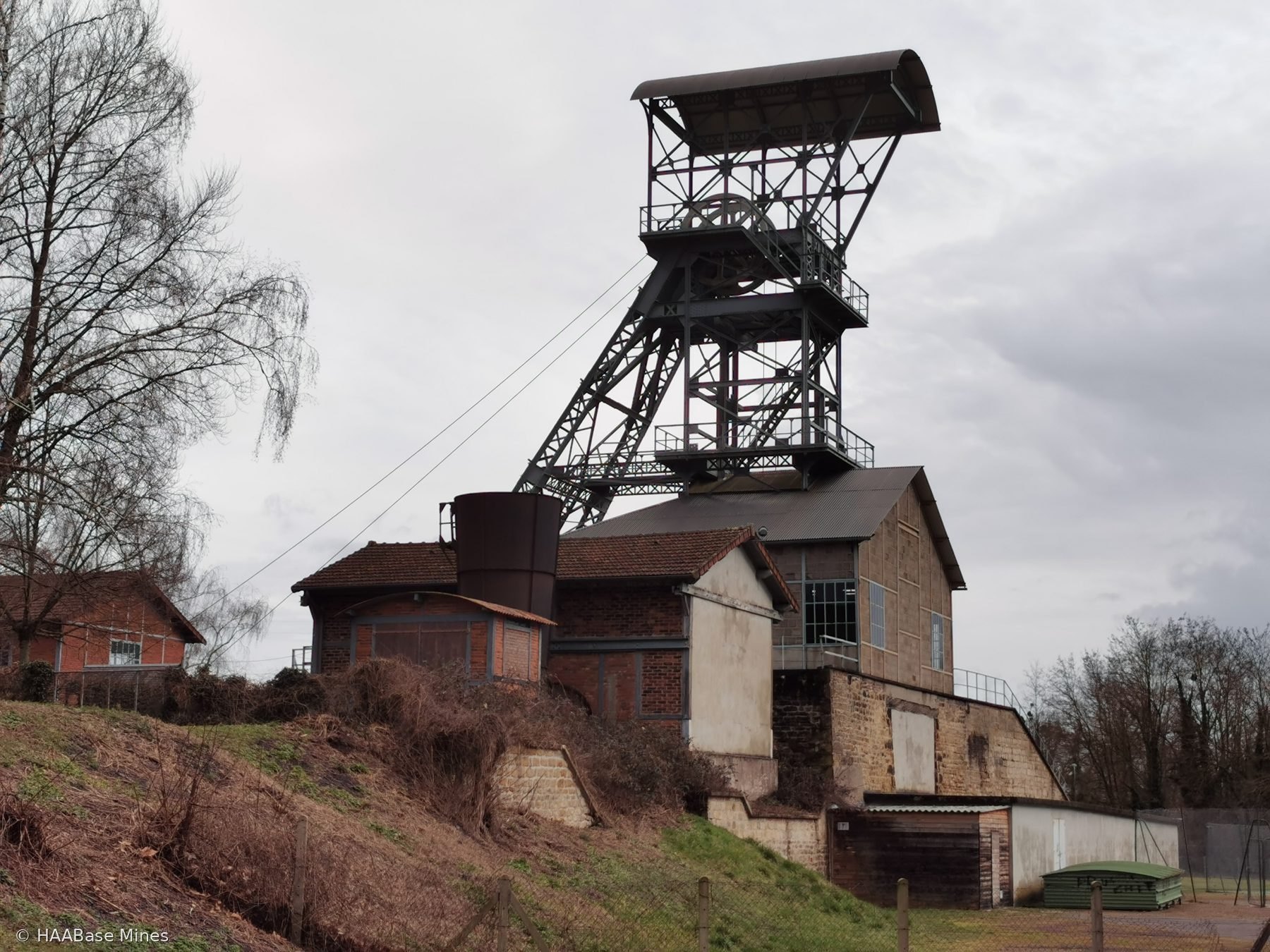
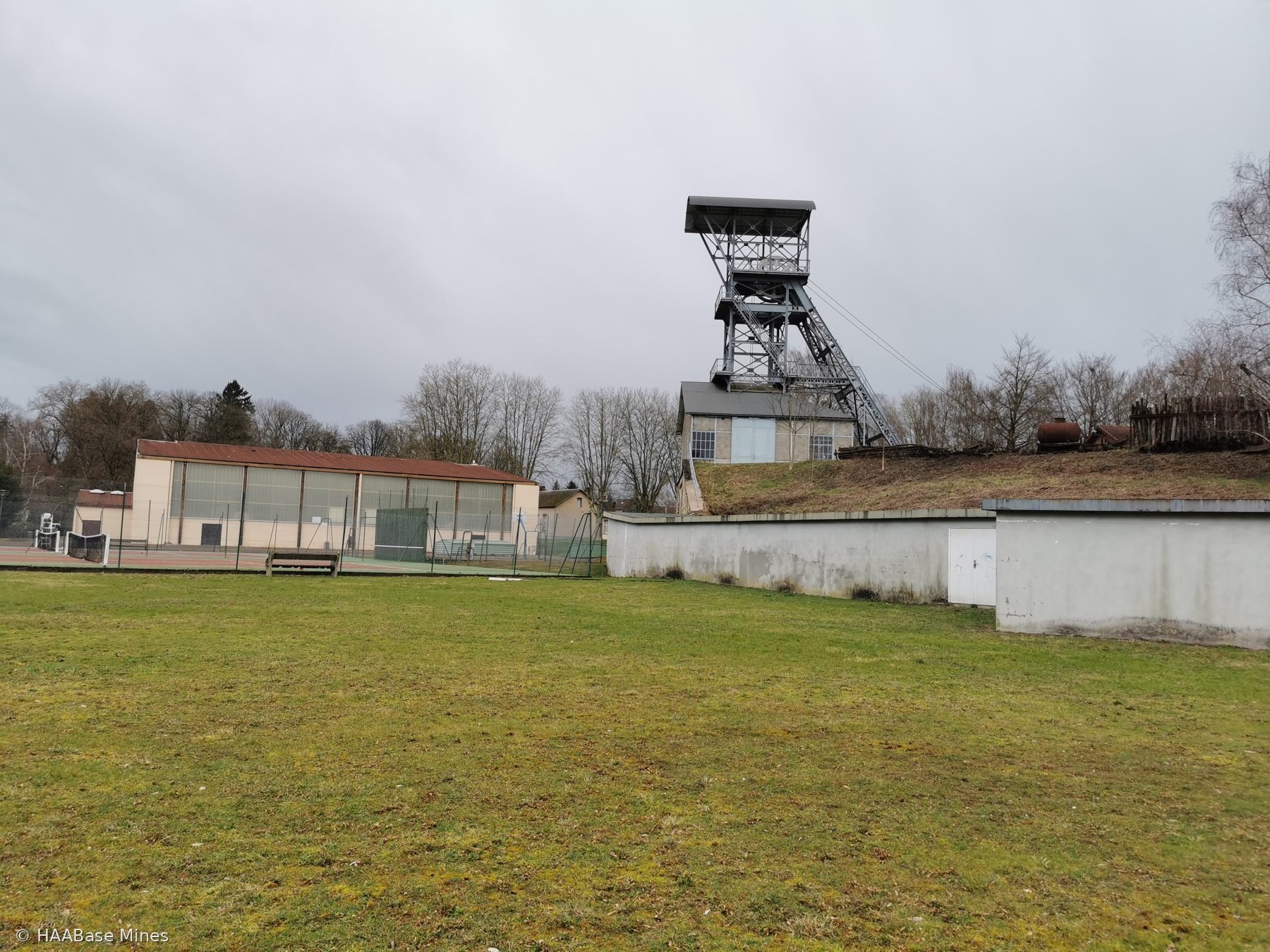
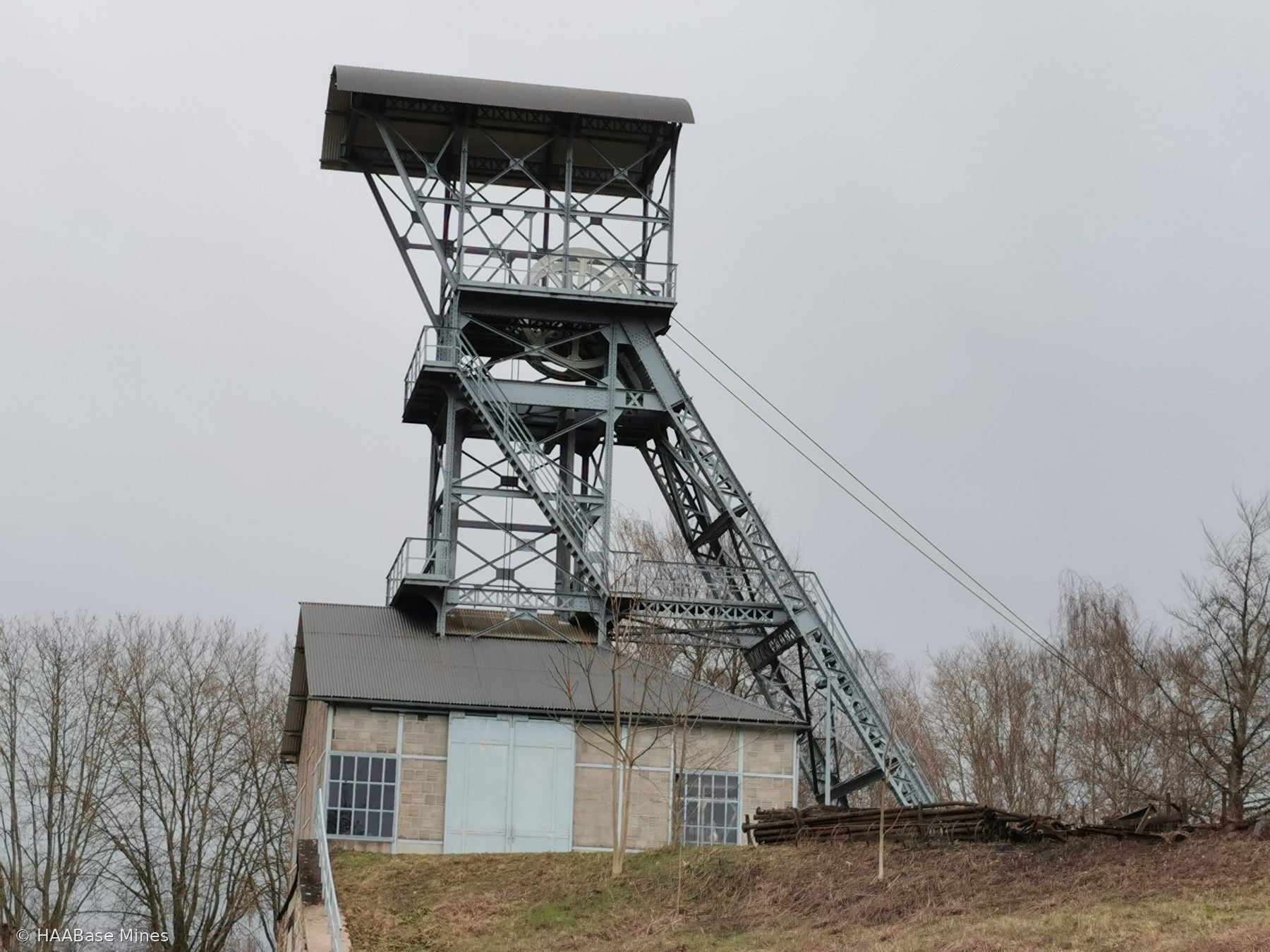
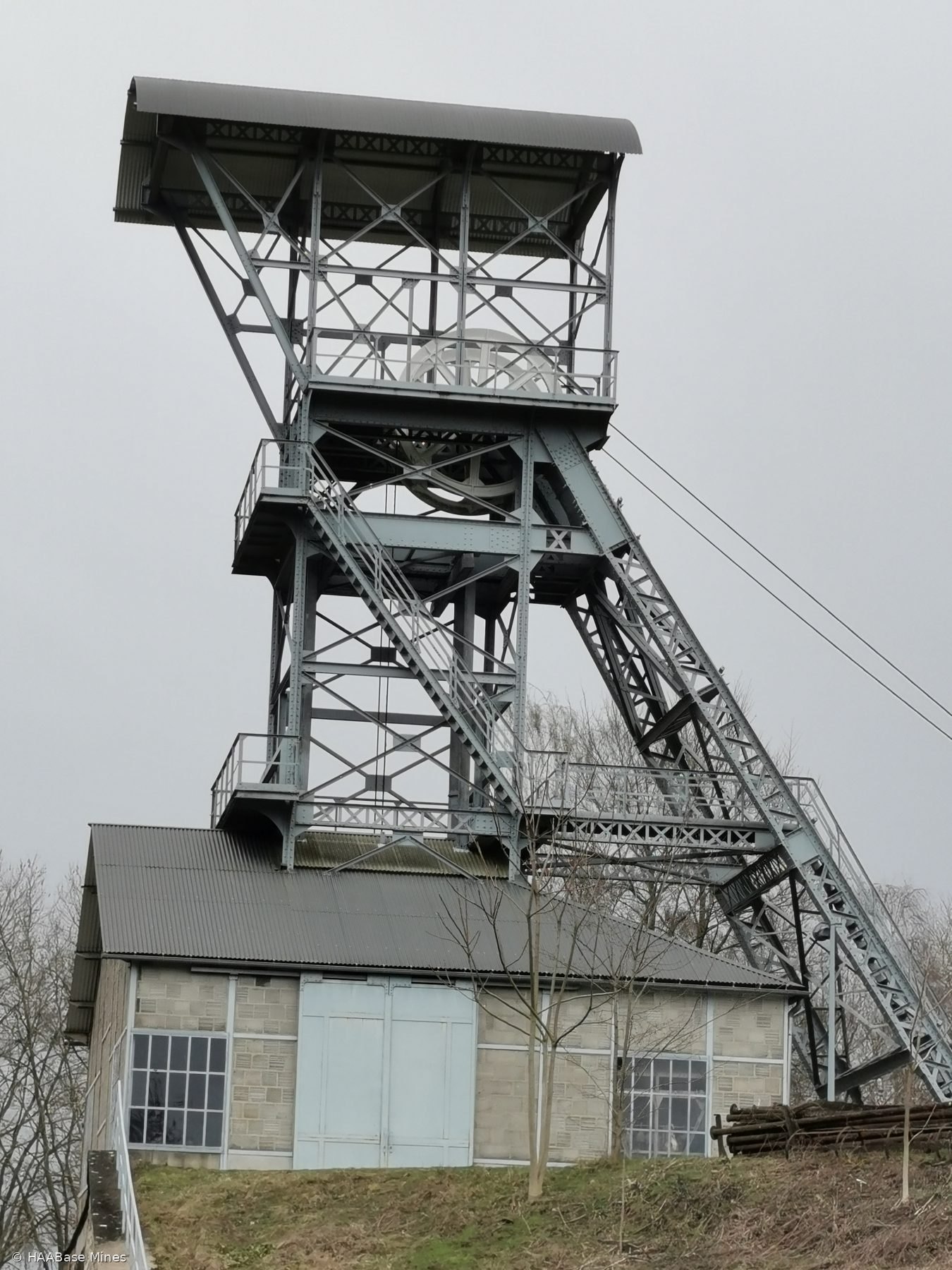
The surviving site comprises the steel winding headframe at Puits des Glénons, shaft-head structures, the winding-machine building and related pithead features, together with a visitor gallery based on former mine-school infrastructure. It is classed as shafts_buildings because both the historic shaft site and a substantial group of standing mining buildings survive. Its label identifies the 25-metre metal headframe, which is original mining-period equipment but was relocated from Bois de Verne in the early 1950s, and the associated buildings and gallery.
Its authenticity_status is mixed: historic pithead structures coexist with reused machinery and a training gallery adapted with modern reconstructions and displays. Its site_character is Museum site - headframe and associated buildings, as the preserved pithead forms part of the Musée de la Mine, whose main administrative-building exhibition is geographically separate. The recorded mineral output is coal.
These classifications are supported by the municipal historical account and photographic archive, the museum website and APPHIM specialist records. Exact fabric-by-fabric identification and the 1953 versus 1954 sequence of headframe transfer and erection remain limited by the available documentation; no functioning production shaft is implied.
Site overview
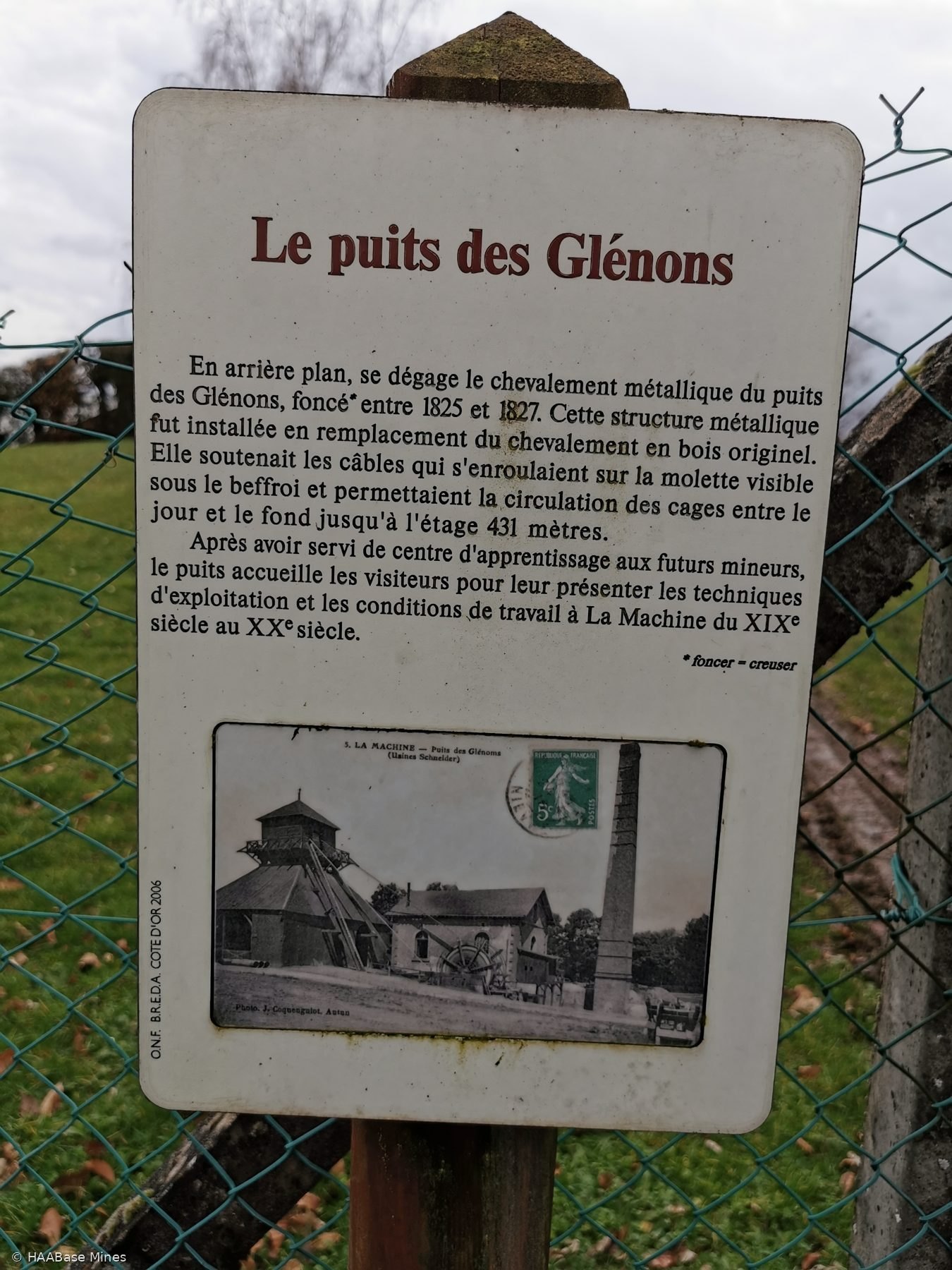
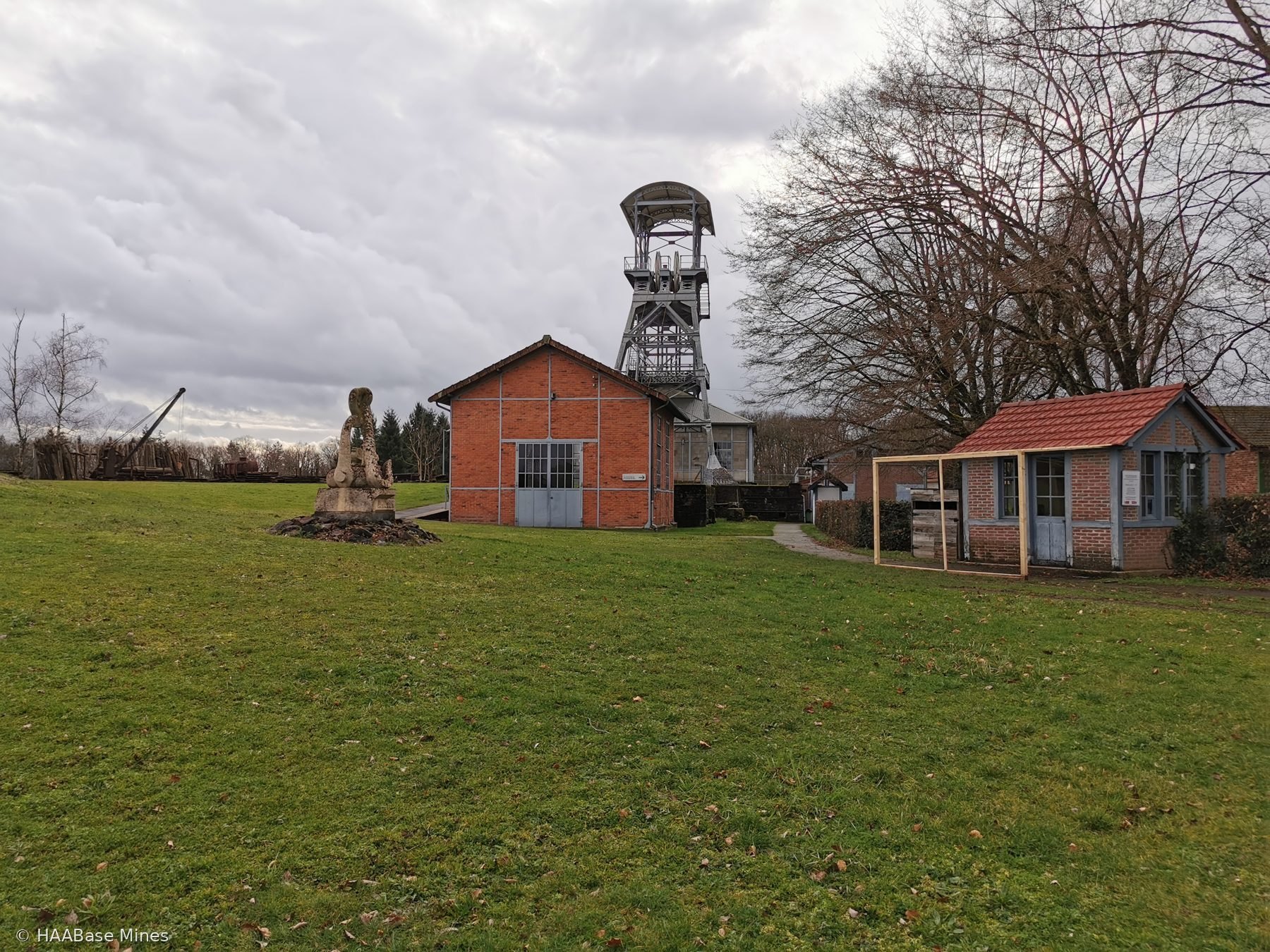
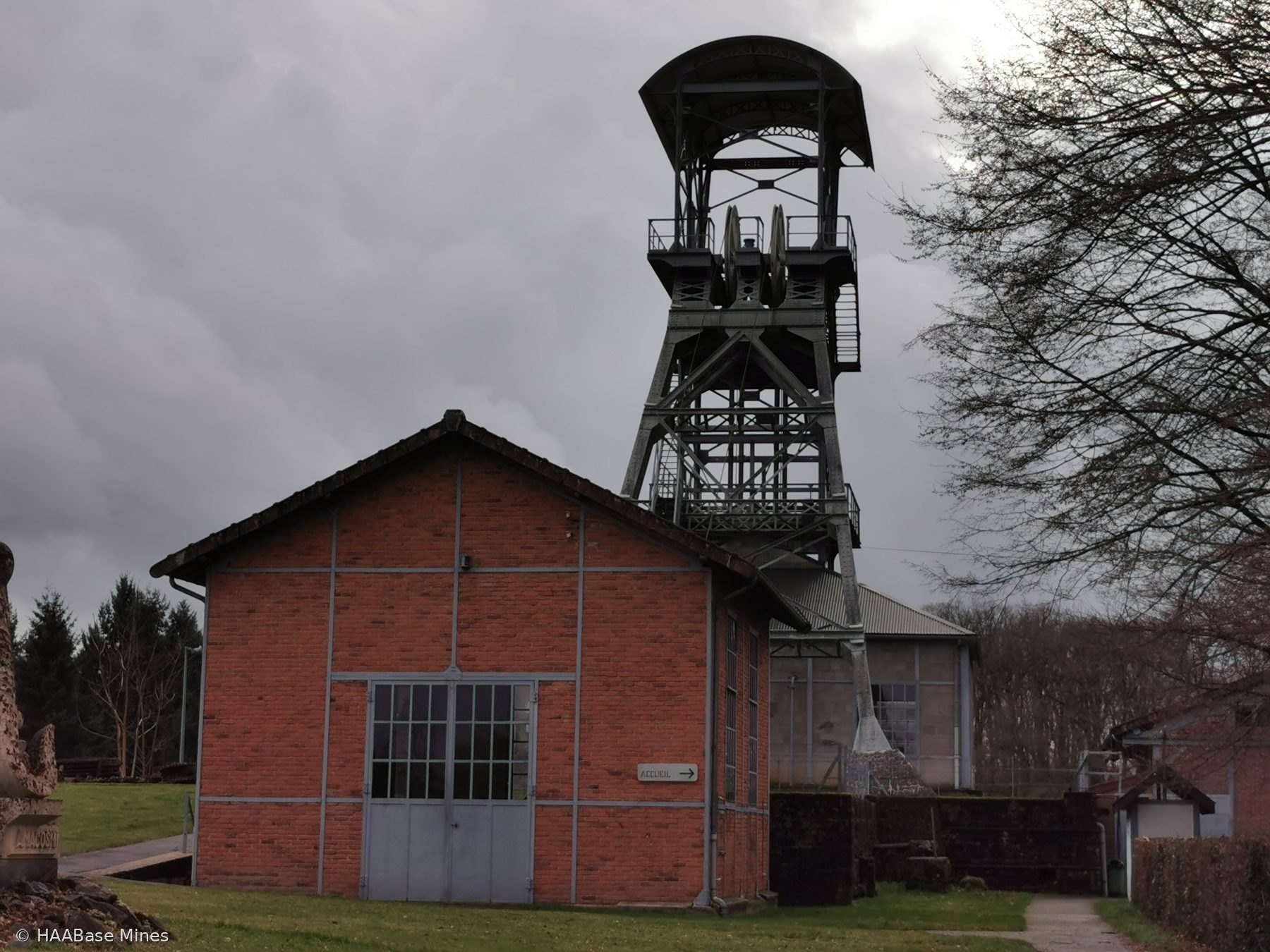
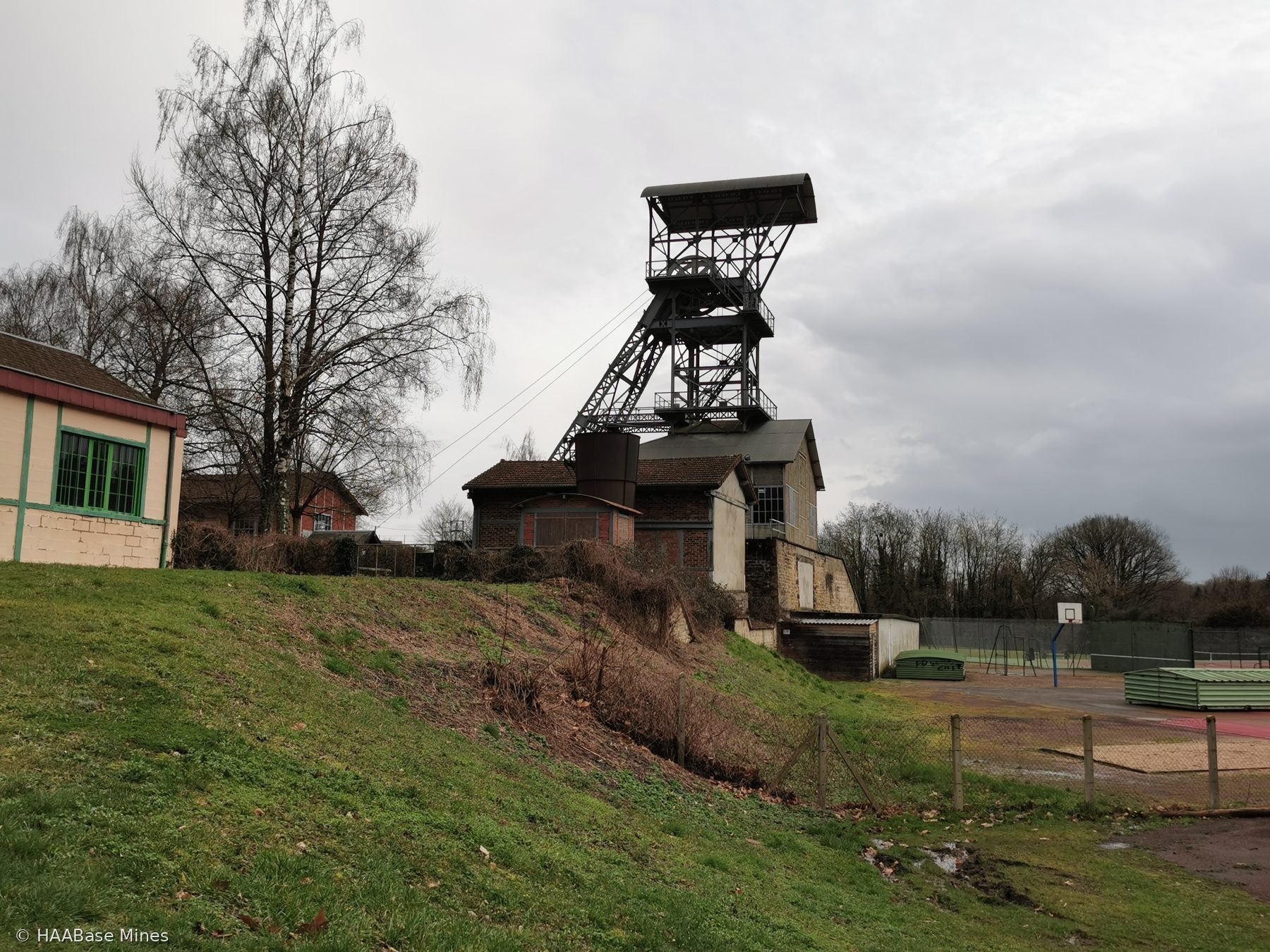
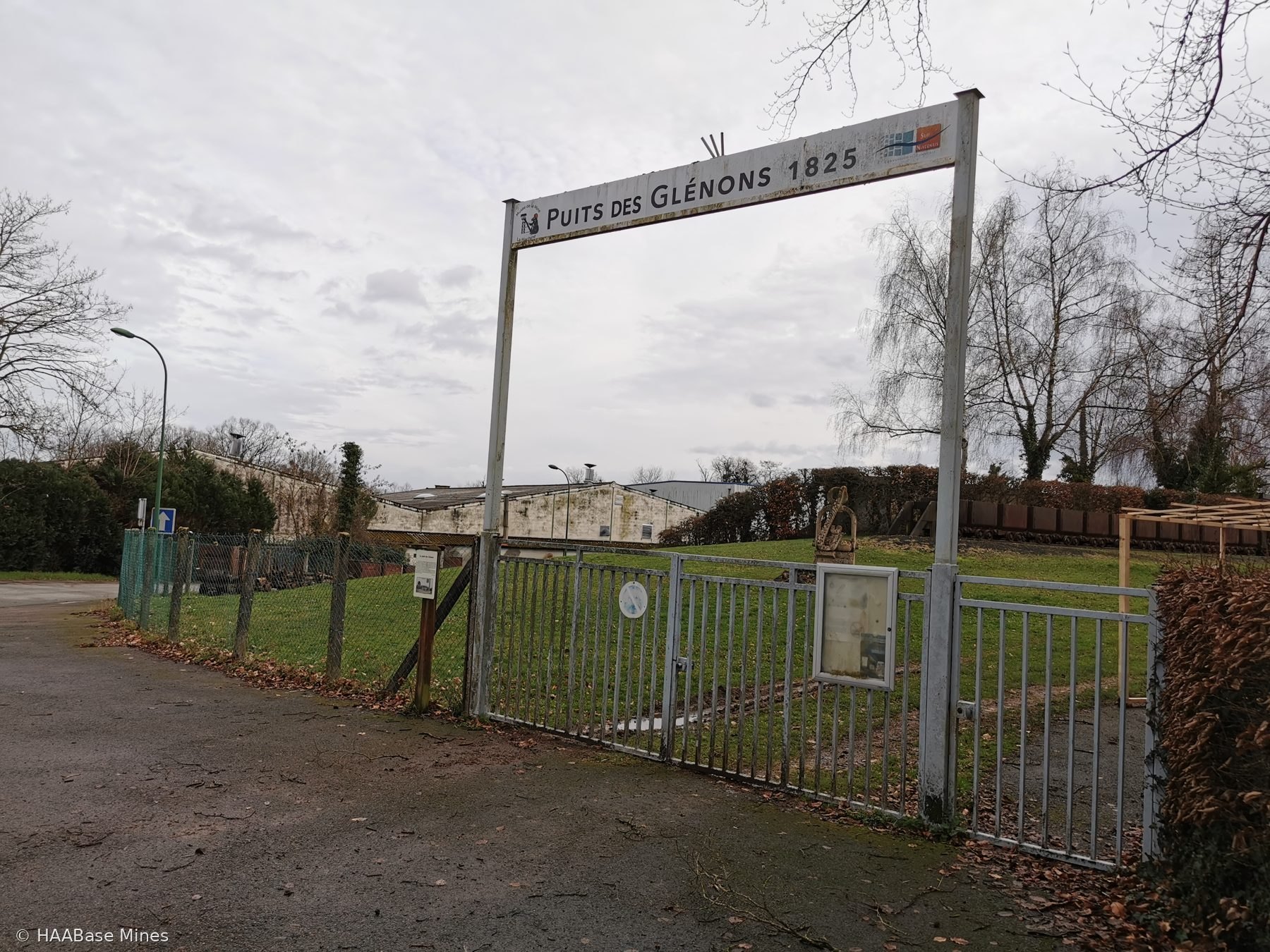
Puits des Glénons is the surviving pithead heritage site of the Decize–La Machine coalfield in the Nièvre. The shaft was sunk between 1825 and 1827 and subsequently deepened to 431 metres. Its preserved 25-metre metal headframe stands alongside former winding and shaft-head structures. The headframe was transferred from Bois de Verne in the Blanzy coalfield during the early 1950s, replacing an earlier timber structure. Coal extraction at Glénons ceased in 1954, but the shaft continued to provide ventilation and emergency access for the Minimes workings until the La Machine mines closed in 1974.
Mining had shaped La Machine since the seventeenth century, when a horse-powered winding machine gave the town its name. Under Schneider in the nineteenth century it developed into an important industrial community, with several shafts, coal transport infrastructure and workers' housing. Glénons is one shaft within that wider history, rather than the location of every event associated with the coalfield.
Founded in 1970, the former miners' association AMACOSMI helped preserve the Glénons headframe and establish the Musée de la Mine. The main museum opened in 1983 in the former colliery administrative offices, separate from the Glénons pithead. The latter retains historic surface structures and a visitor gallery incorporating former mine-school fabric and subsequent reconstructions. Together they explain the engineering, working conditions and social history of the La Machine coal industry.
Map & photo
History
Coal extraction in the Decize–La Machine area has a history reaching back to the later Middle Ages, with contracts reported from 1488–1492. In 1669 Colbert encouraged the exploitation of Nivernais coal, partly to secure French supplies. Development remained difficult with the mining and winding methods of the period, but in 1689 the engineer Daniel Michel installed a horse-powered winding device, or baritel. This was the machine that gave La Machine its name. The settlement grew into a mining town around workings that long preceded the surviving Glénons pithead.
During the eighteenth and early nineteenth centuries the mines passed through successive owners and underwent uneven development. Steam power began to replace older winding arrangements, and by the early nineteenth century several shafts were working around the town. Puits des Glénons was sunk between 1825 and 1827, originally with a timber headframe. The shaft was initially about 240 metres deep, reached 400 metres in 1850 and was eventually deepened to 431 metres in 1924. Transport was a persistent difficulty in this hilly district. In 1841 a horse-drawn railway, incorporating five dry locks or wagon lifts to negotiate changes in level, was constructed to carry coal some six kilometres towards the Canal du Nivernais.
The entry of the Schneider industrial concern from Le Creusot during the 1860s transformed the scale and organisation of the La Machine coalfield. The company developed additional shafts, coal washing and sorting facilities, a church, schools and workers' settlements. During the later expansion the workforce grew to around 1,600. The coalfield included several separate shafts, among them Zagots, Marguerite, Henri-Paul and Minimes, whose histories should be distinguished from that of Glénons. At puits Marguerite, an explosion of coal dust on 18 February 1890 killed 43 miners; the effects also reached connected workings at Zagots. It was the district's worst mining disaster, but did not occur at the Glénons pithead.
Glénons remained part of the working network as deeper and more productive shafts were developed. After nationalisation in 1946 the La Machine operation was placed within the Houillères du bassin de Blanzy under Charbonnages de France. The surviving metal headframe at Glénons is not the original nineteenth-century structure. It was transferred from puits du Bois de Verne at Montceau-les-Mines, replacing the wooden headframe in the early 1950s. The town's photographic archive records its erection in 1954, while a specialist mining-history account gives 1953 for its transfer. The 25-metre steel structure therefore preserves working-period equipment, but one with a history at another mine before it came to La Machine.
Extraction at Glénons ended in 1954. A ventilator was installed and the shaft continued to serve for ventilation and emergency access for the workings of puits des Minimes, which became the principal extraction shaft from 1961. This distinction explains why Glénons remained part of the active mine until the final closure even though coal was no longer raised there. The last workings of the La Machine coalfield closed in 1974, ending an industry that had shaped the town for generations.
The prospect of closure had already prompted a movement to preserve the mining heritage. On 3 May 1970 former miners founded the Association Machinoise pour la Conservation du Souvenir Minier (AMACOSMI). Their efforts helped save the Glénons headframe when other pit structures were demolished. The municipality acquired the former mining-company administrative offices in 1975, and renovation began the following year. The Musée de la Mine was inaugurated there on 17 July 1983, preserving the miners' records, tools, photographs and recollections as well as the administrative interiors of the former colliery headquarters.
The Glénons pithead, a short distance from the main museum building, was subsequently prepared for guided visits. Its steel headframe, shaft reception arrangements, winding-engine building and other surface features remain visible. The former mine-school gallery was adapted to explain underground working, while reconstructed mine-image displays developed by AMACOSMI, particularly during the 1990s, present mining equipment and methods in a controlled setting. The underground visitor route should therefore be understood as a mixture of historic training fabric and later interpretation, not simply as untouched production galleries.
Together the former administrative offices and the preserved Glénons pithead form the Musée de la Mine de La Machine, recognised as a Musée de France. The museum documents not only mining machinery and extraction techniques but also the houses, family life, accidents and industrial organisation of a town built around coal. At Glénons the surviving relocated headframe and associated buildings give that wider history a physical focus, while the galleries offer a way to understand the work once carried out beneath the surrounding streets and countryside.
Timeline
Horse-powered baritel gives La Machine its name
Puits des Glénons sunk
Coal railway with five dry locks
Schneider takes control of the coalfield
Dust explosion at separate Puits Marguerite
Nationalisation and incorporation into Blanzy
Transferred Bois de Verne headframe erected at Glénons
Glénons ceases coal extraction
AMACOSMI founded to preserve mining heritage
Last La Machine coal workings close
Musée de la Mine inaugurated
Glénons developed for museum visits
Photographic record
Sources and records
This list includes live sources already held for the record and any additional sources added or confirmed during the published fact-check review.
Further sources
- Le Puits des Glénons — Mairie de La Machine
- Ville de La Machine — Puits des Glénons, archives photographiques
- Ville de La Machine — Le Musée de la mine
- Ville de La Machine — Histoire de la mine
- Musée de la Mine — Le musée et sa galerie
- Musée de la Mine — La Machine, histoire
- APPHIM — Musée de la Mine La Machine
- APPHIM — Puits Bois de Verne 1 et 2
- L.-M. Poussereau — La Houillère, municipal archive
- Ville de La Machine — La catastrophe de 1890
- Ministère de la Culture — Musée de la Mine
Research bibliography
Wikipedia article (French): Musée de la mine de La Machine
Wikipedia article (French): Houillères de Blanzy
Exxplore.fr — houillères de Blanzy, section Decize-La Machine
APPHIM article: Musée de la Mine La Machine (58)
Nièvre Département — musée de la mine description
Sud Nivernais Communauté — musée de la mine et puits des Glénons
Musée de la mine La Machine official website (musee-mine-lamachine.fr)
Ville de La Machine — musée de la mine history page
La Nièvre Naturellement — La Machine cité minière
tracesecritesnews.fr — feature on the puits des Glénons visit
patrimoine-minier.fr — Bourgogne, section Decize-La Machine