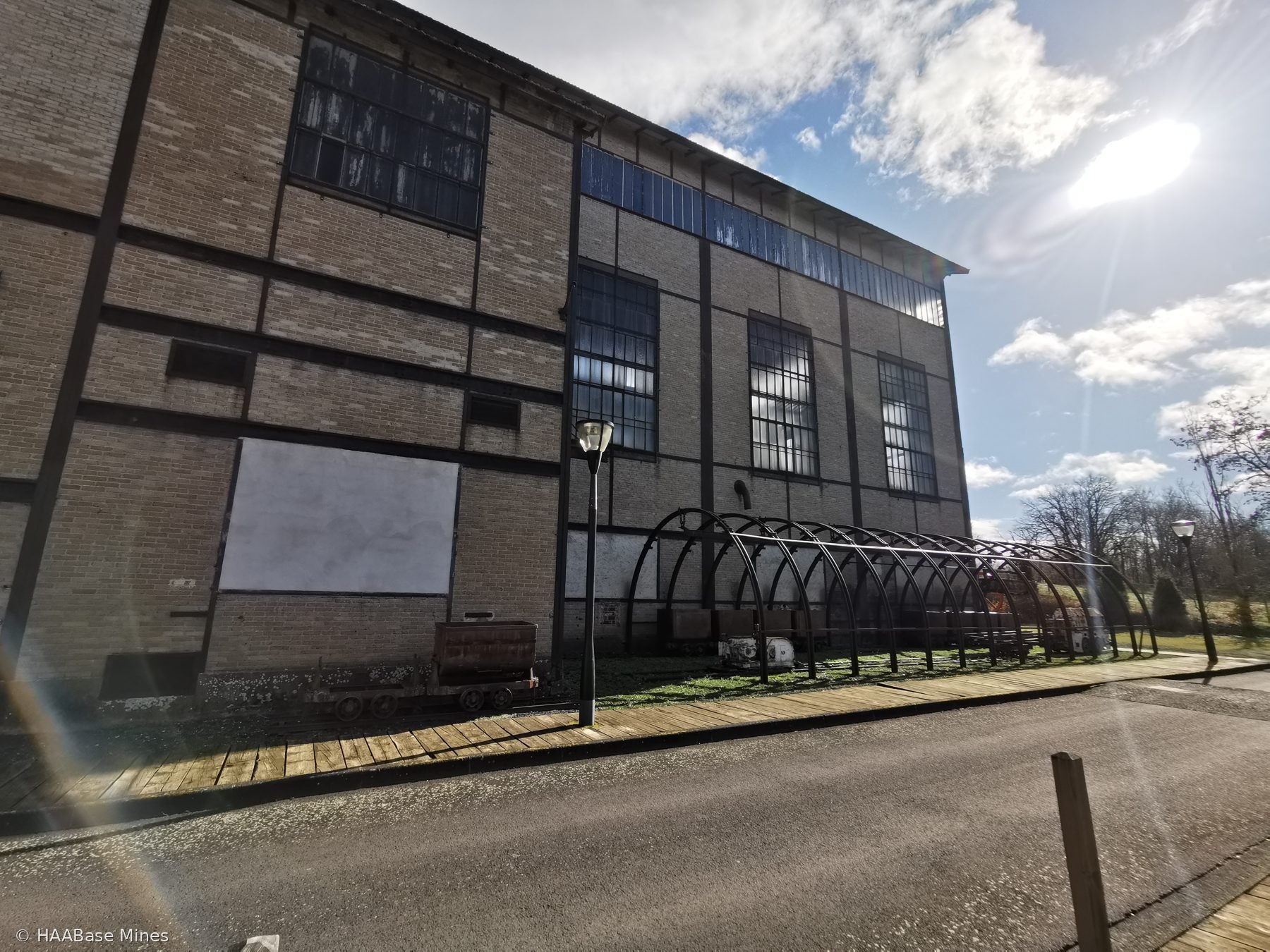
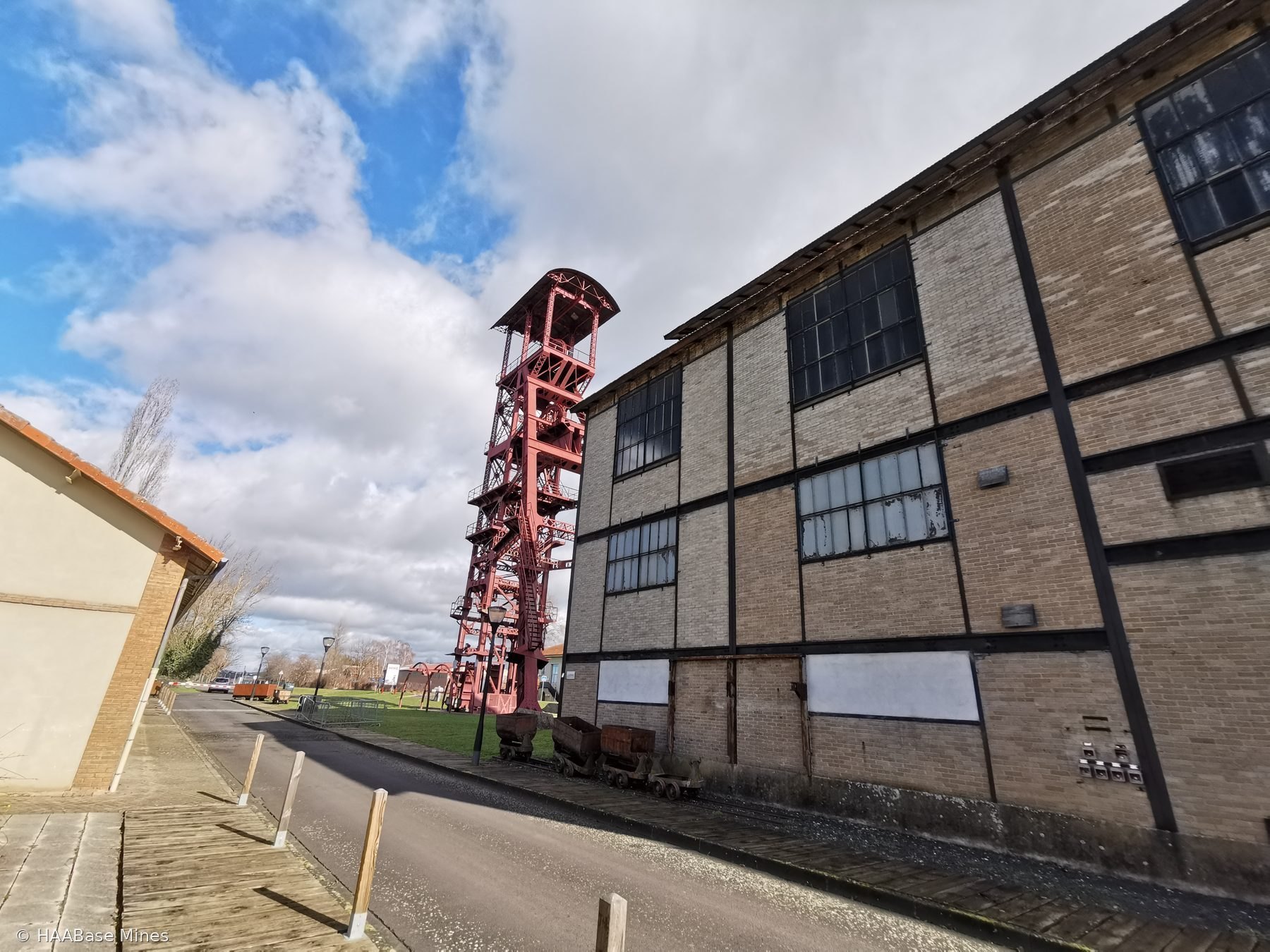
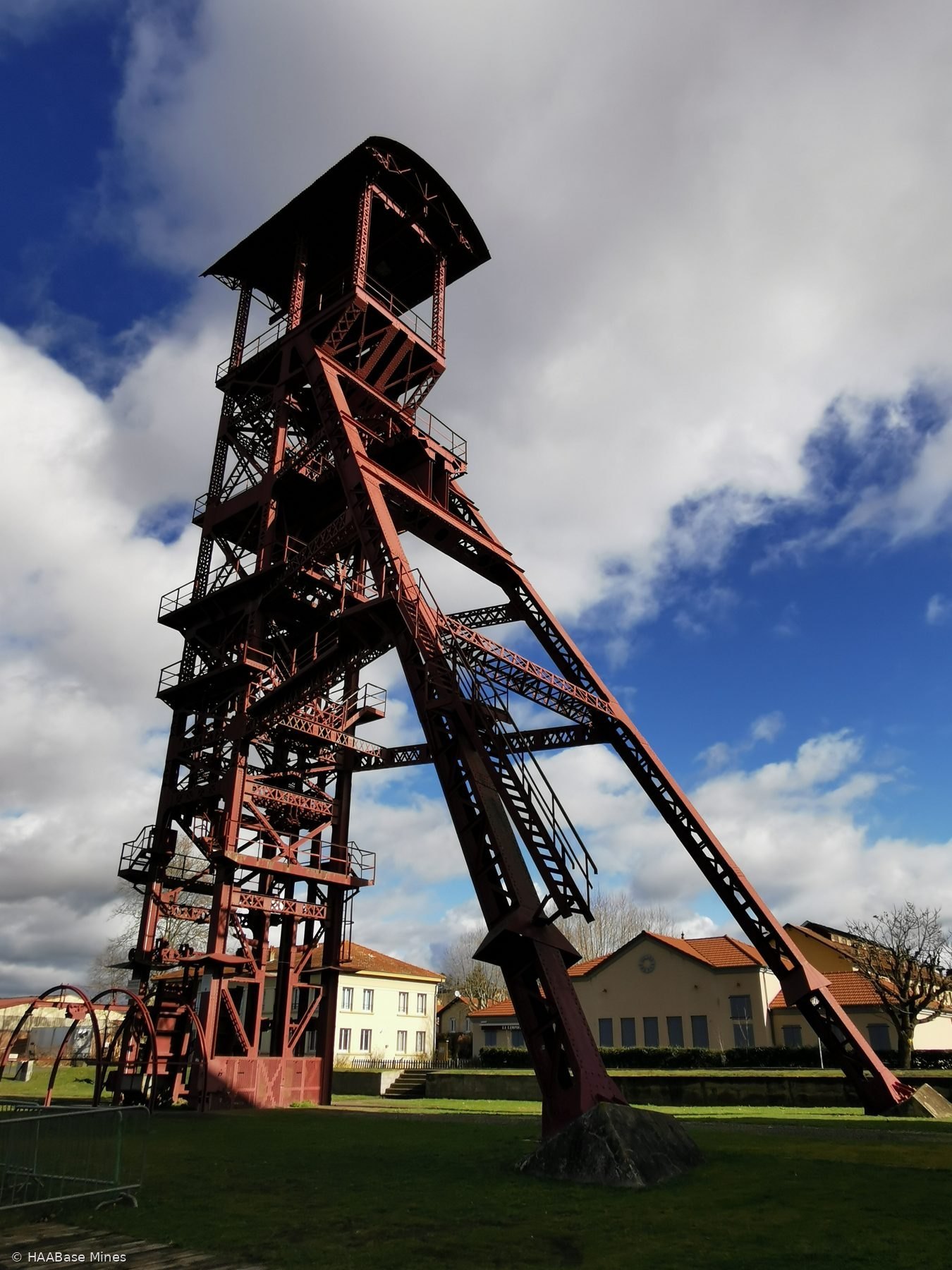
Site overview

The Mines de Brassac form part of the grand sillon houiller du Massif Central, a coalfield extending across southern Auvergne. Coal extraction in the basin dates to at least the seventeenth century, when charbon was transported by river barge on the Allier to Paris via the canal de Briare. The arrival of the railway at Brassac in 1855 changed transport patterns but also exposed the local coal to competition from the northern coalfields, shifting production toward regional markets.

After the multiplication of concessions in the nineteenth century, the basin was progressively consolidated. The mines passed to the Société Commentry-Fourchambault et Decazeville before nationalisation in 1946 under the Charbonnages de France, then integrated into the Houillères du Bassin du Centre et du Midi (HBCM). Puits Bayard, sunk from 1924 to 305 metres and later deepened to 530 metres, became the principal shaft of the basin.

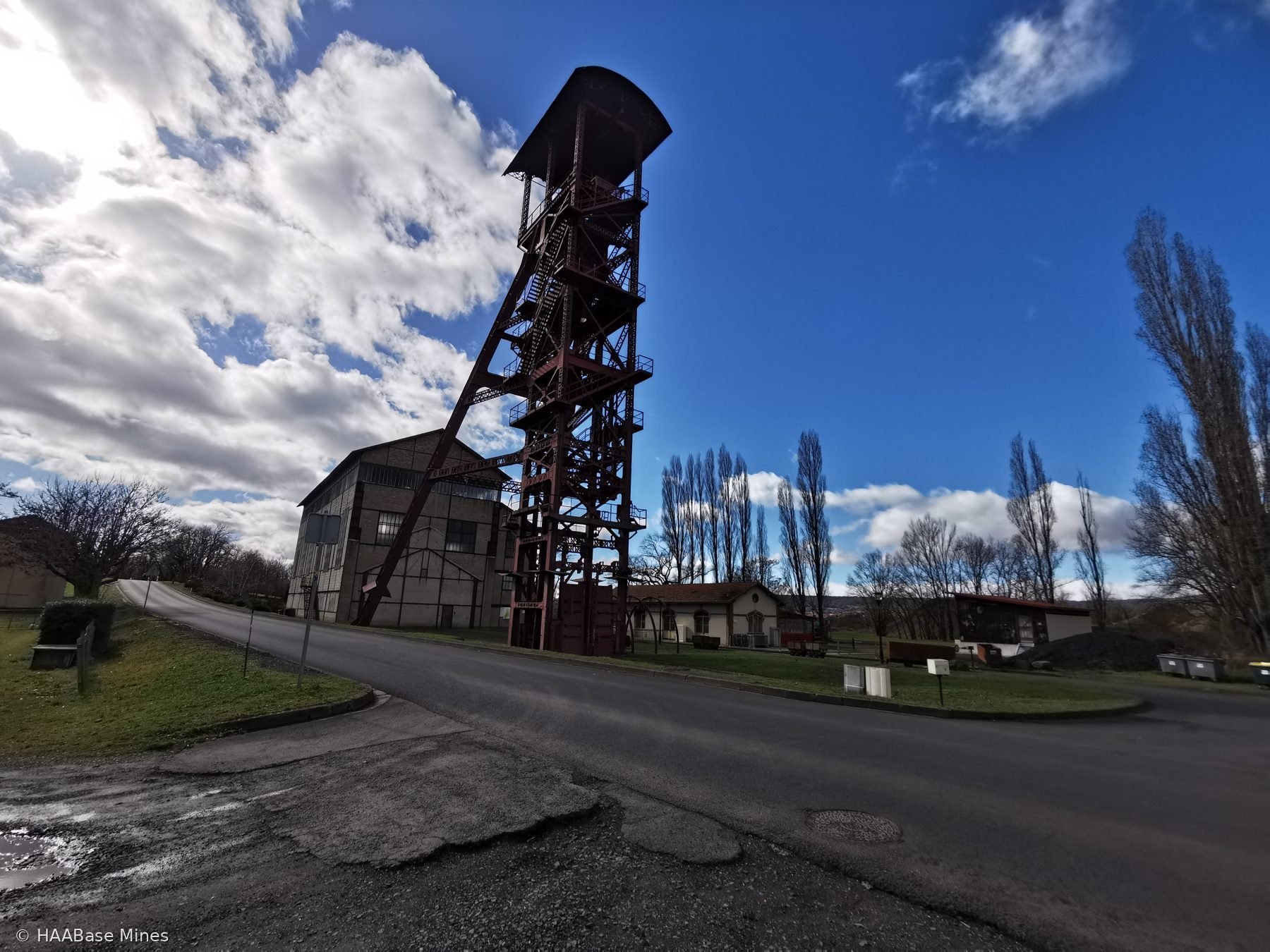
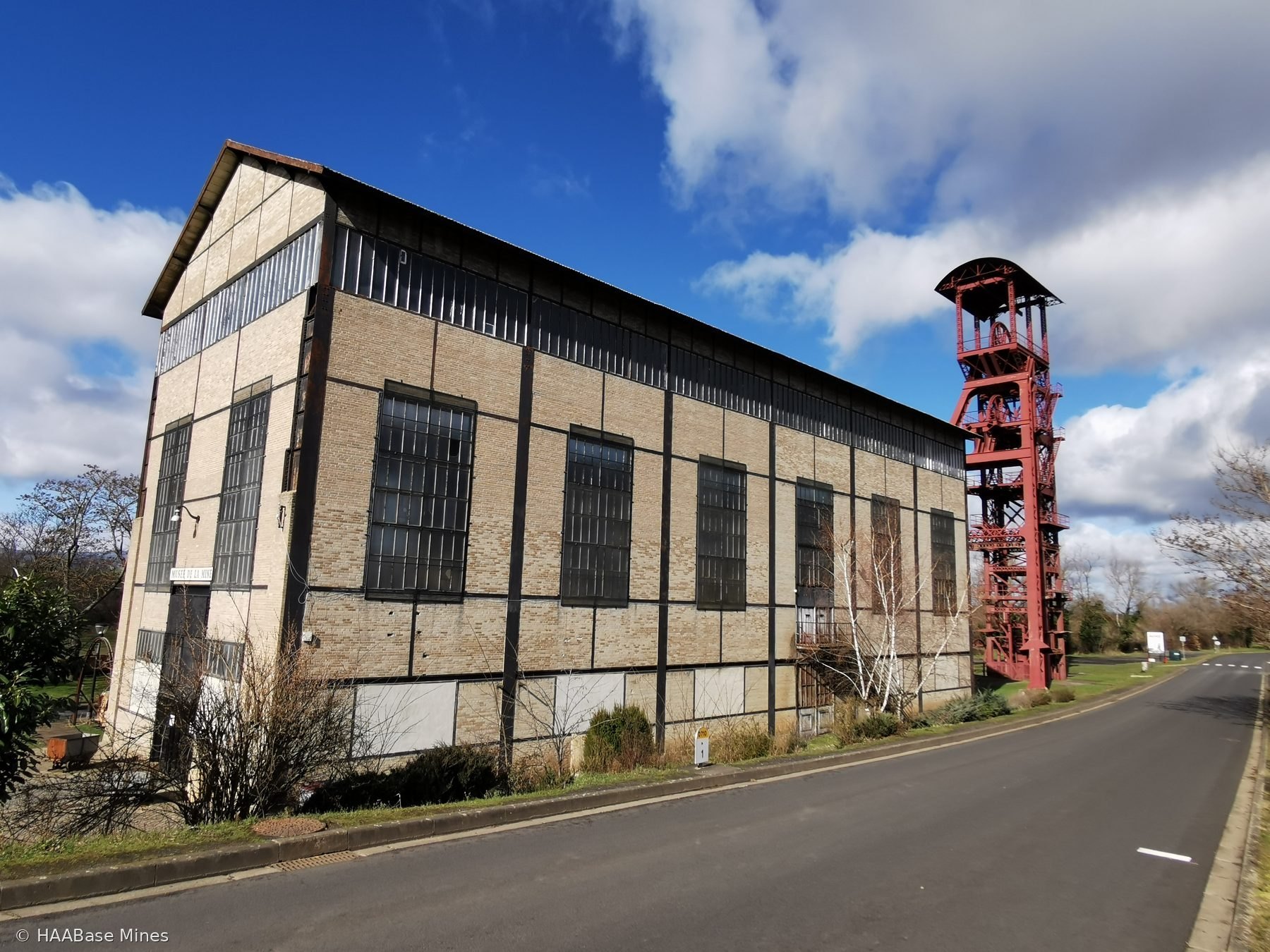
The mines closed definitively on 28 July 1978. Of the approximately twenty headframes that once stood across the basin, only those of the puits Bayard and the puits des Graves at La Combelle were saved and restored. The Musée de la Mine opened in 1990 in the former winding engine building at the puits Bayard carreau.

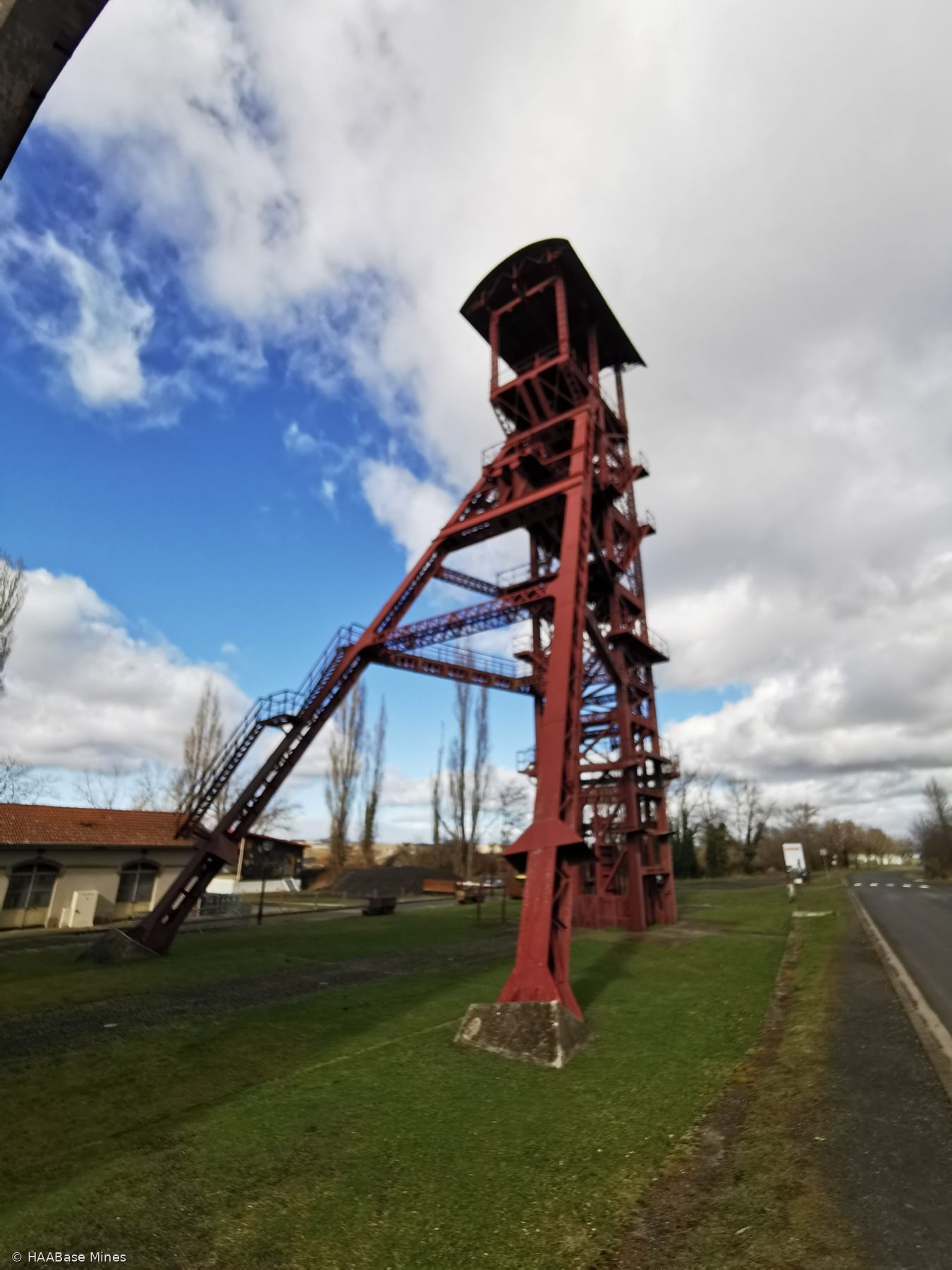
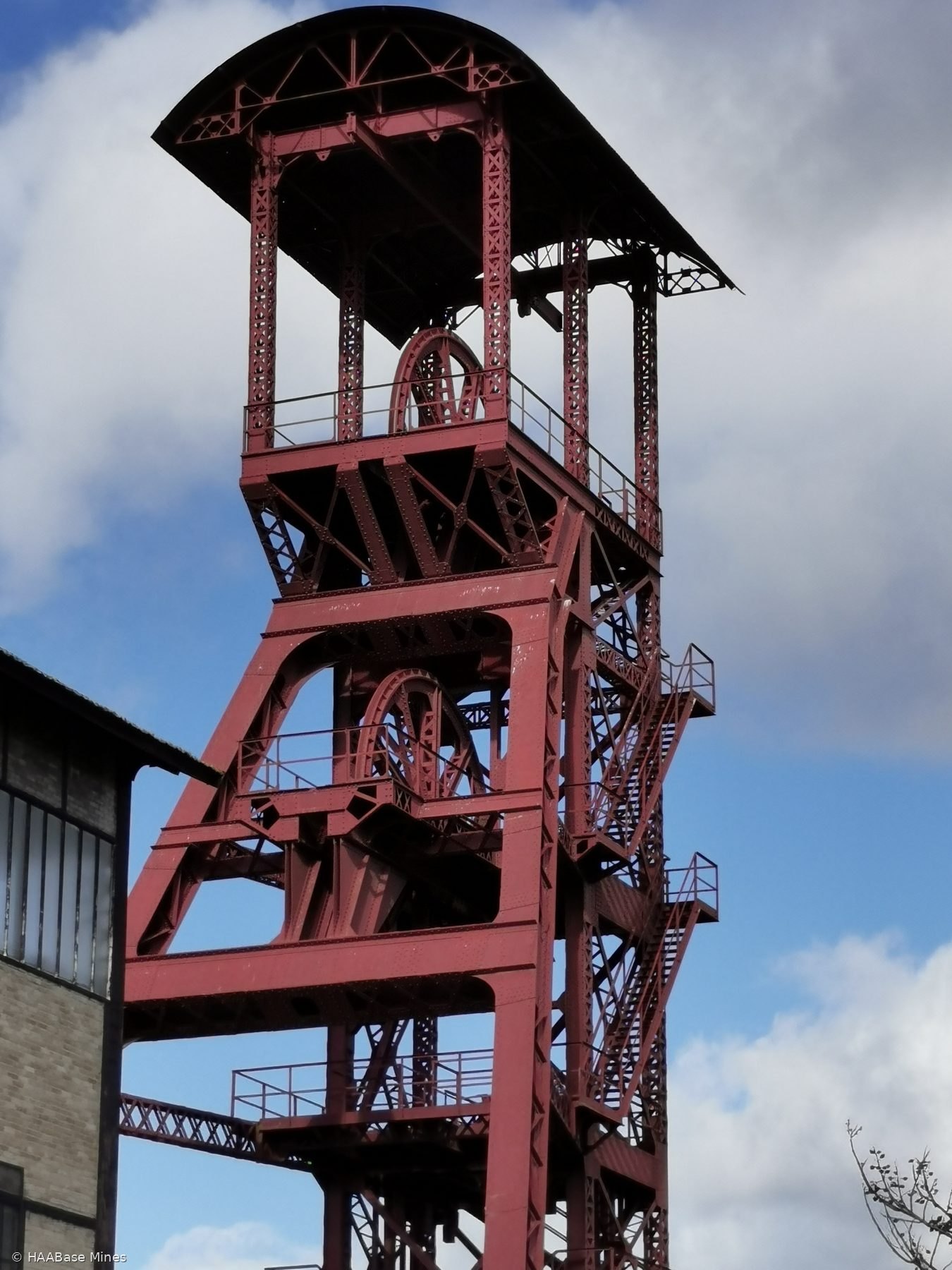
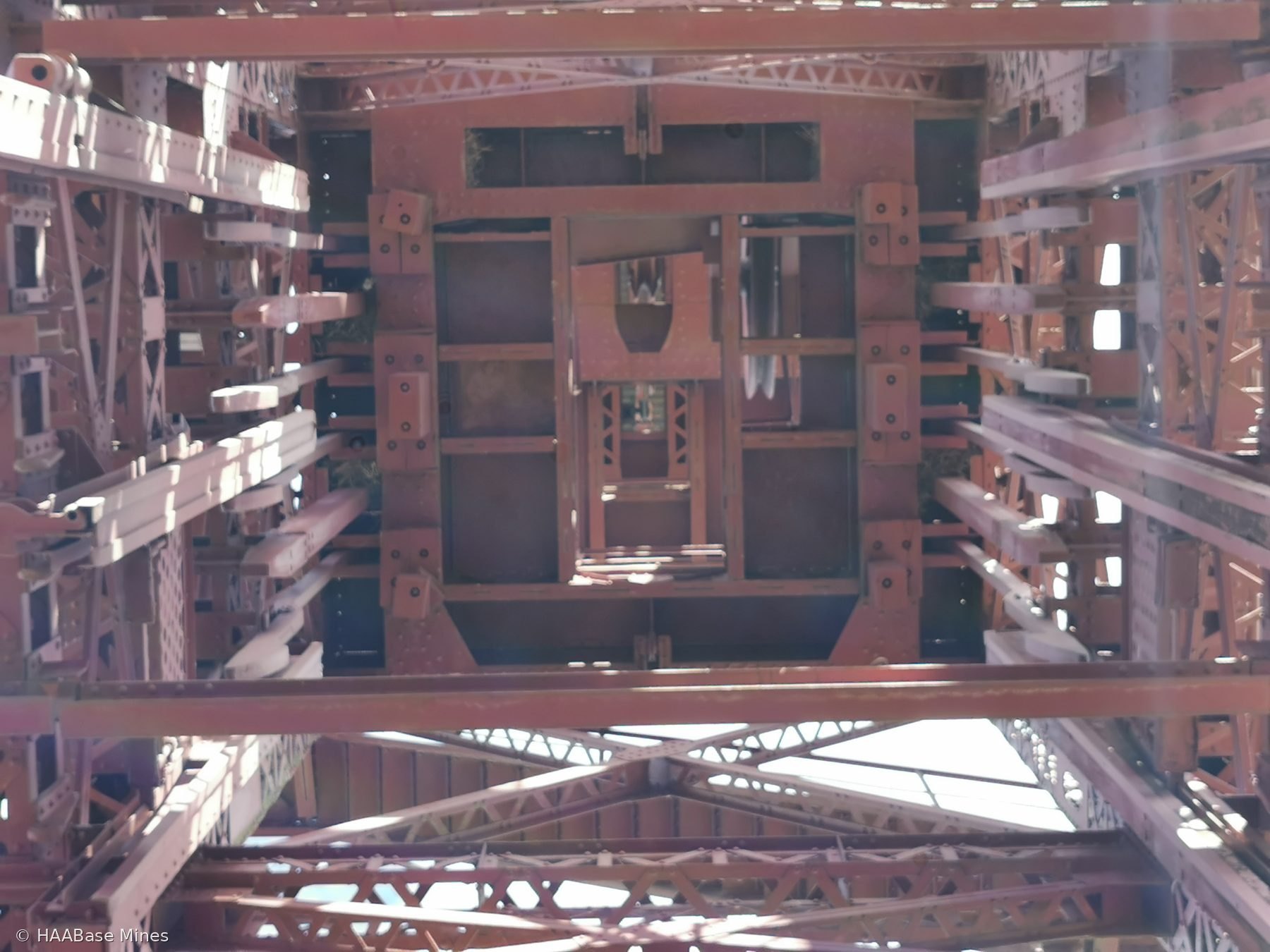
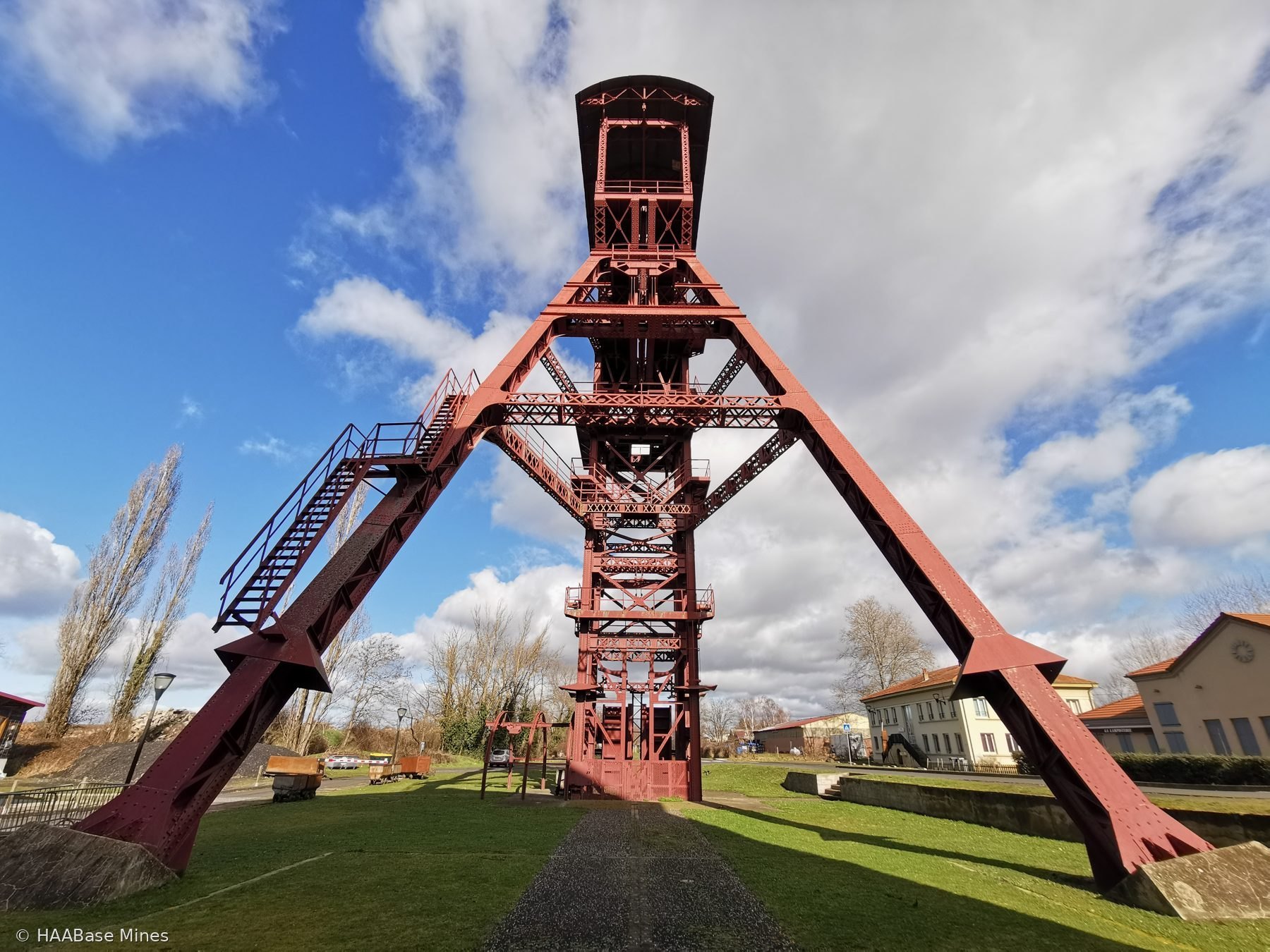
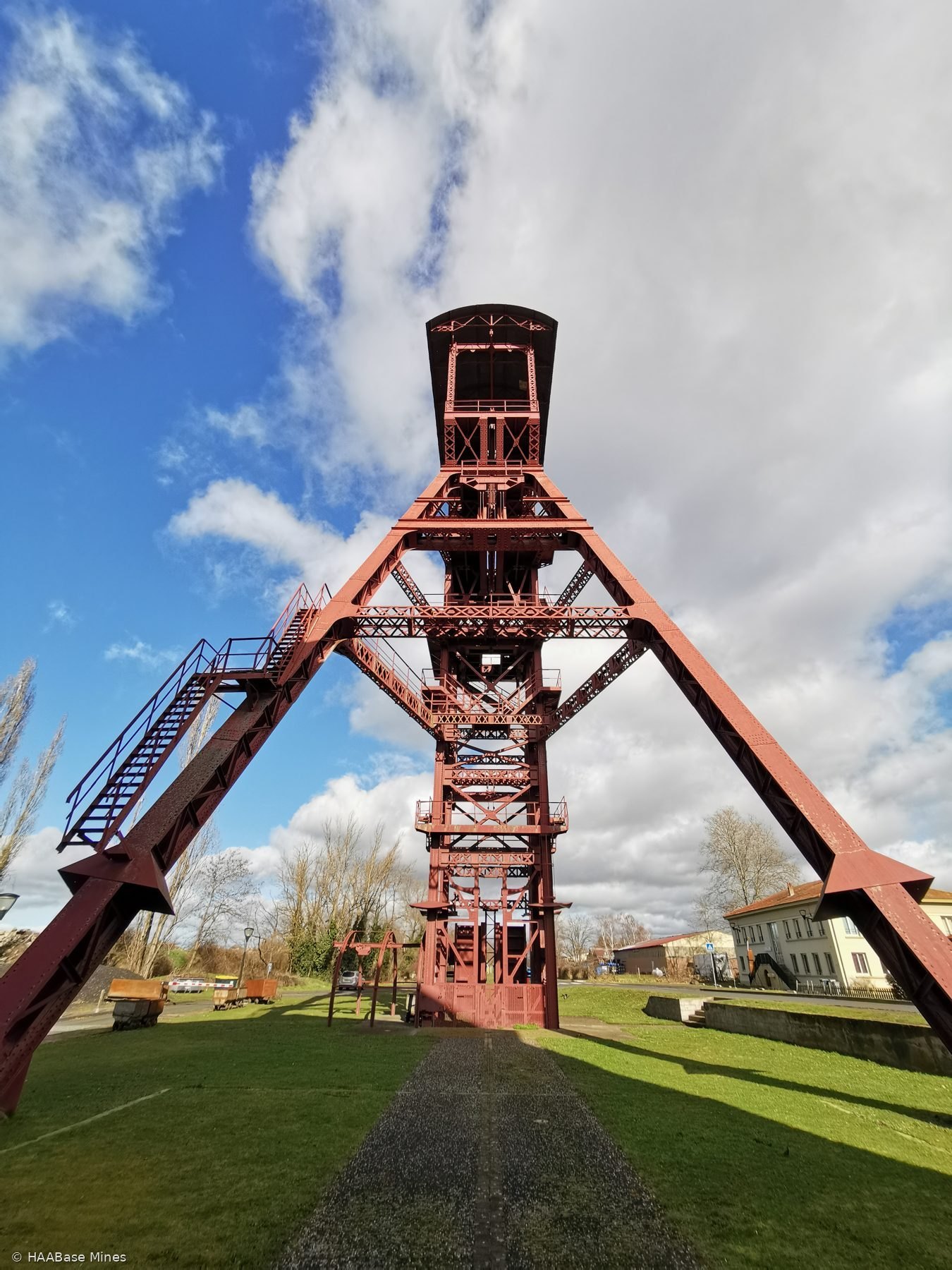
Set in a small town valley landscape, the surviving headframes and museum buildings read as isolated but still distinct remnants of a wider former coalfield.

Map & photo

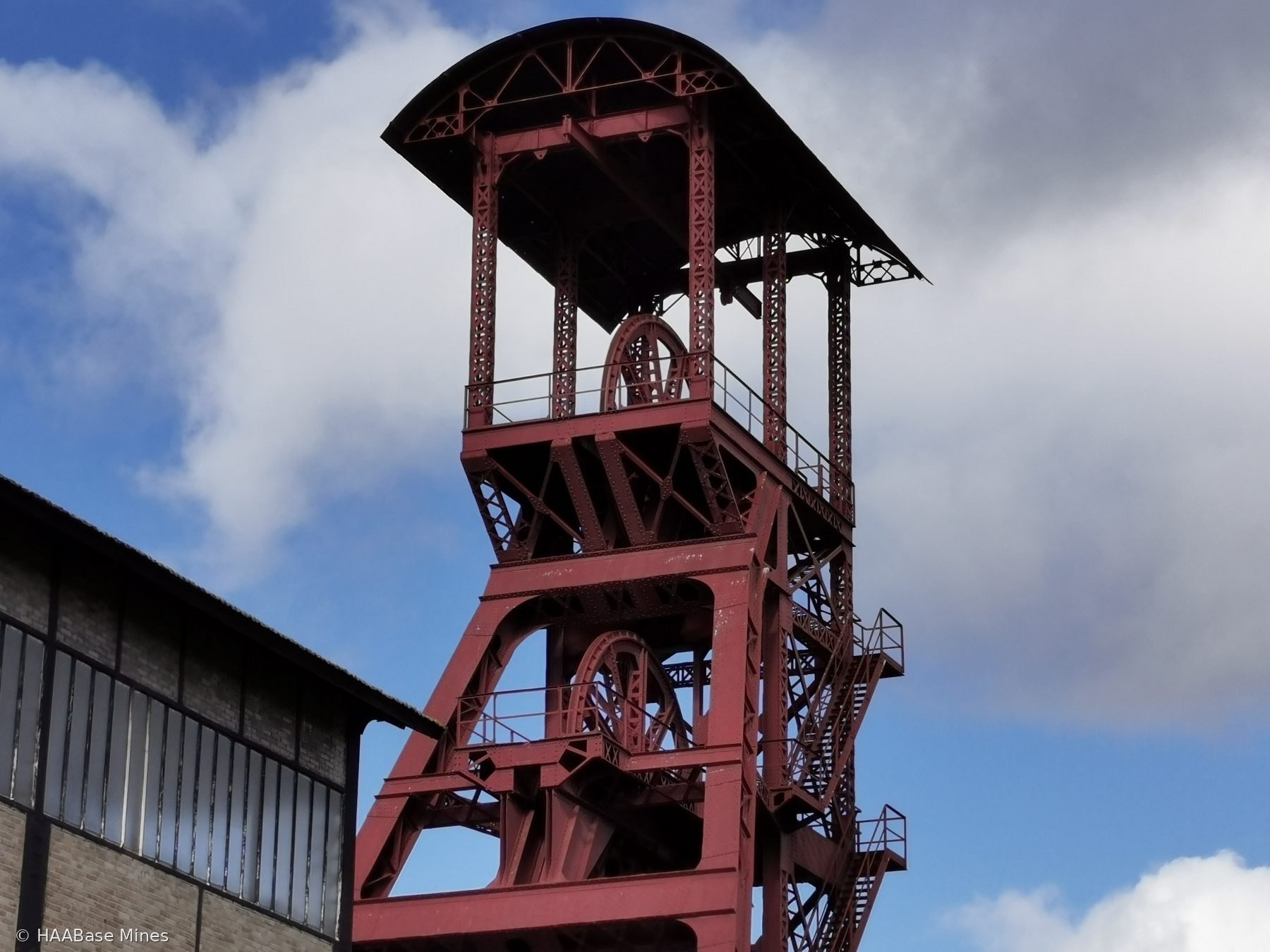
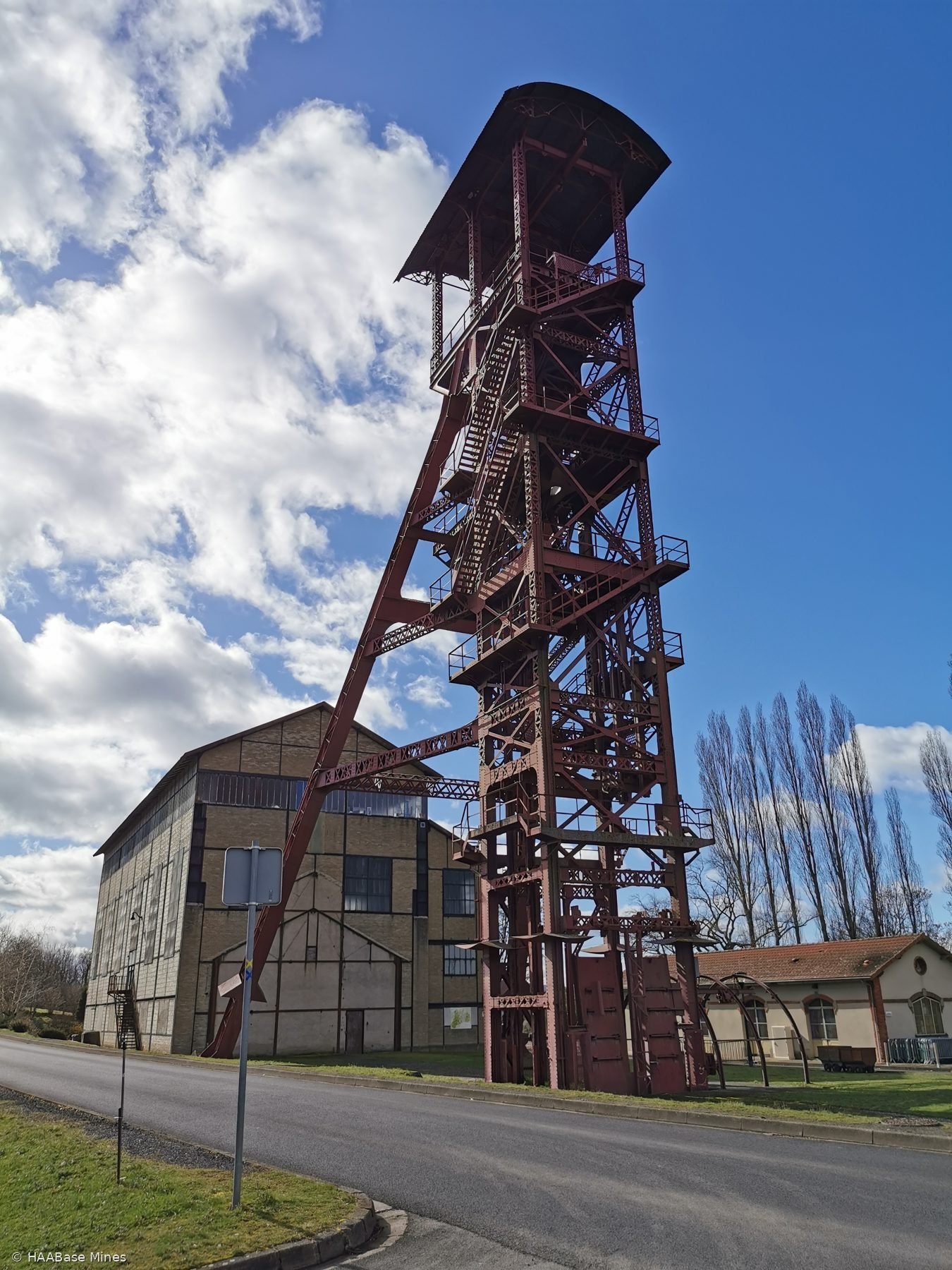
Mines de Brassac — Puits Bayard mine headframe or winding tower site
Photograph taken: 17 February 2026
Map markers and directions links are provided for location reference only and do not indicate public access or permission to enter a site.

History

Coal has been extracted in the basin of Brassac-les-Mines since at least the seventeenth century. In the fifteenth century the Hospitaliers of the commanderie de Charbonnier and the duc de Bourbon had contested rights to exploit local coal. By the seventeenth century, production had achieved a national reach through river transport: coal was loaded onto the large flat-bottomed vessels known as sapinières at the riverbank and floated down the Allier to the Loire, then via the canal de Briare to Paris. The bougnats, the Auvergnat tradespeople who specialised in coal, wine, and firewood in Paris, have their origin in this trade. In the early nineteenth century over 300 river workers were employed on the basin's waterways. The railway reached Brassac-les-Mines in 1855, replacing river transport but exposing the basin's output to competition from the large northern coalfields; production thereafter concentrated on regional demand.

In 1863 the Compagnie des mines de Brassac was working the La Combelle section of the basin through three shafts: the puits d'Orléans exploiting the Verrerie seam between 264 and 205 metres depth, the puits de Verrerie between 205 metres and surface, and the puits de la Ronzière serving as a supplementary winding shaft at the lower level of 178 metres. The basin straddles the border between the Puy-de-Dôme and the Haute-Loire; the northern Puy-de-Dôme portion, with the principal concessions of Selle et Combelle, was worked by Commentry-Fourchambault et Decazeville, while the Haute-Loire portion was operated by the Société des Houillères de Haute-Loire. Following the closure of the Commentry mines in 1910, many miners relocated to Brassac. In 1913 the sinking of the puits des Graves began, reaching 680 metres depth and entering service in 1924.

Also in 1924, the sinking of puits Bayard commenced, initially to 305 metres. The 1929 production at Bayard was 157,700 tonnes with 1,013 workers, the sole extraction method being long-wall advancing with complete dry-filling. In 1929 galleries were extended to connect with the Charbonnier concession and northward toward Basse-Combelle. In 1932 a new agglomeration plant with a capacity of more than 100,000 tonnes per year was brought into service. After the Second World War puits Bayard was deepened to 530 metres. The chevalement at puits Bayard measures 34 metres in height, with winding wheels of 5 metres diameter. The puits Saint Alexandre, the last of the older Charbonnier shafts, closed in 1942 but continued to serve as a ventilation return for puits Bayard until 1960; its headframe was demolished in 1979.

Nationalisation in 1946 consolidated the basin under the Houillères du Bassin d'Auvergne within the Charbonnages de France framework, later absorbed into the Houillères du Bassin du Centre et du Midi (HBCM). The thermal power station at La Taupe, fed by the Brassac and Combelle mines, entered service in 1951 and closed in 1979. Extraction across the basin became increasingly difficult and uneconomic. The mines of the Brassac basin closed definitively on 28 July 1978, with puits Bayard the last to cease production.

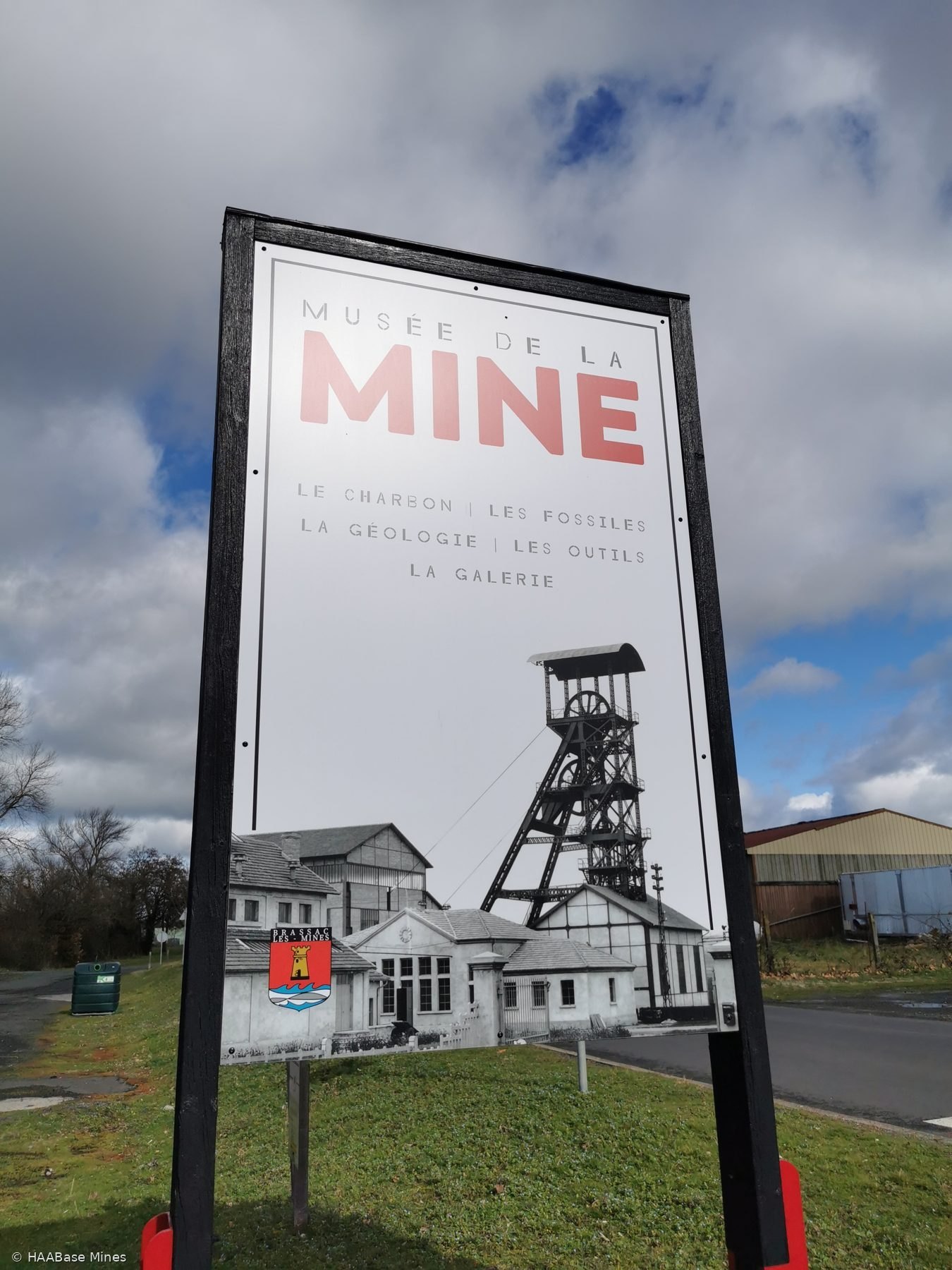
After closure, shafts were backfilled and the majority of the approximately twenty headframes across the wider basin, including those at Charbonnier and Frugères-les-Mines, were demolished. An association of former miners and local supporters campaigned to save the headframes at puits Bayard and puits des Graves at La Combelle. In 1989 the association purchased the chambre chaude at La Combelle. In 2000 negotiations concluded with the cession of the puits des Graves and puits Bayard sites to the communes of Auzat-sur-Allier–La Combelle and Brassac-les-Mines respectively for a nominal sum, securing their long-term preservation. The Musée de la Mine opened in 1990 in the former winding engine building at puits Bayard, created on the initiative of former miners. It contains 160 metres of faithfully reconstructed underground galleries, mining machinery, and equipment. On the carreau, the metal headframe of 34 metres height, the administrative offices, the salle des pendus, and a spoil heap survive. At La Combelle, the headframe of the puits des Graves, the chambre chaude, and the forge building remain. The masonry building of the puits de la Verrerie and parts of the Cellamines carreau are also extant.
Timeline

1600–1700
Operation

Coal extraction begins in the Brassac basin

Coal has been worked in the Brassac basin since at least the seventeenth century, with transport by river barge on the Allier to markets in Paris and the Loire valley via the canal de Briare, opened in 1644.
1855
Operation

Railway arrives at Brassac-les-Mines

The railway reached Brassac-les-Mines in 1855, replacing river transport as the primary means of coal distribution. The arrival of the railway also brought competition from the large northern coalfields, reorienting basin production toward regional markets.
1863
Operation

Three-shaft working at La Combelle

In 1863 the Compagnie des mines de Brassac was exploiting La Combelle through three shafts: puits d'Orléans (Verrerie seam, 264–205 m), puits de Verrerie (205 m to surface), and puits de la Ronzière (supplementary winding, 178 m level).
1913–1924
Construction

Sinking of puits des Graves at La Combelle

The puits des Graves was sunk from 1913, reaching a final depth of 680 metres. It entered service in 1924. The headframe stands 45 metres high.
1924
Construction

Sinking of puits Bayard begins

The sinking of puits Bayard commenced in 1924, reaching an initial depth of 305 metres. The headframe measures 34 metres in height with 5-metre winding wheels.
1929
Operation

Puits Bayard: annual output 157,700 tonnes

Production at puits Bayard in 1929 stood at 157,700 tonnes, with a workforce of 1,013. The sole extraction method was long-wall advancing with complete dry-fill packing. Reconnaissance galleries were driven toward the Charbonnier concession and northward toward Basse-Combelle.
1932
Construction

New agglomeration plant commissioned

A new agglomeration plant with a capacity exceeding 100,000 tonnes per year was brought into service at puits Bayard in 1932.
1939
Legislation

Mine de Brassac acquired by Commentry-Fourchambault et Decazeville

In 1939, following more than a century under the Denier family, the Charbonnier section of the basin was sold to the Société Commentry-Fourchambault et Decazeville.
1945
Construction

Puits Bayard deepened to 530 metres

After the Second World War, puits Bayard was deepened from its original 305 metres to 530 metres, extending the productive life of the principal shaft.
1946
Legislation

Nationalisation: Houillères du Bassin d'Auvergne created

The nationalisation of French collieries in 1946 consolidated the Brassac basin under the Houillères du Bassin d'Auvergne, within the Charbonnages de France framework, later reorganised as the Houillères du Bassin du Centre et du Midi (HBCM).
1978
Closure

Final closure of puits Bayard

The mines of the Brassac basin closed definitively on 28 July 1978. Puits Bayard was the last shaft to cease production. Shafts were backfilled and the majority of headframes across the wider basin were subsequently demolished.
1989
Heritage

Preservation campaign: chambre chaude at La Combelle purchased

The association of former miners and supporters purchased the chambre chaude at La Combelle in 1989, beginning the process of saving the La Combelle site from demolition.
1990
Heritage

Musée de la Mine opens at puits Bayard

The Musée de la Mine opened in 1990 in the former winding engine building at puits Bayard, created on the initiative of former miners. It contains 160 metres of reconstructed underground galleries and a collection of mining equipment.
2000
Heritage

Sites of puits Bayard and puits des Graves ceded to communes

In 2000, negotiations concluded with the transfer of the puits Bayard and puits des Graves sites to the communes of Brassac-les-Mines and Auzat-sur-Allier–La Combelle respectively for a nominal sum, securing their long-term preservation.

Sources and records

Wikipedia article (French): Musée de la mine de Brassac-les-Mines
Patrimoine-minier.fr — Auvergne mines survey (Bassin de Brassac-les-Mines section)
Exxplore.fr — detailed shaft records, Houillères d'Auvergne
Villes et Pays d'art et d'histoire en Auvergne-Rhône-Alpes — carreaux miniers Bayard et La Combelle
Wikipedia article (French): Houillères d'Auvergne
Association des Graves-Bayard website (pagesperso-orange.fr) — history of the preservation campaign
APPHIM article: Les musées de Brassac-les-Mines et le puits des Graves
Issoire Tourisme — Bayard mine tile description and museum entry
Zoomdici.fr — article on the Musée de la Mine, Brassac-les-Mines
cpauvergne.com — historical detail on the La Combelle and Bayard mines
mineur.simplesite.com — basin history
This researched site record is part of the HAABase Mines database. Normal personal research and browsing is welcome. Automated bulk extraction, republication, or harvesting of site text and images is not permitted without written consent.