Site overview

Hopewell Colliery is a small working coal mine situated near Coleford in the Forest of Dean, Gloucestershire, operated under the ancient freemining tradition unique to the Hundred of St Briavels. The gale was held by James and Robert Morrell from 1822, and by 1836 Thomas and James Bennett were applying to erect a steam engine at what was then known as Hope-Well Pit. The mine was open in 1863 and connected to the Severn and Wye Railway's Milkwall Branch, with sidings at Fetterhill laid in 1875 serving several local collieries.

Output reached 4,331 tons in 1880. By 1909 the colliery was offered for sale; by 1913 it was held by the Parkend Deep Navigation Collieries Co. Ltd, which used it to protect its other interests from flooding. Ownership passed to Mapleford Colliery Ltd in 1928.

The mine subsequently revived under freeminer working and today operates as a publicly accessible working colliery run by Rich Daniels, a qualified freeminer. Visitors may take guided underground tours, follow the route of the drainage adit driven in the 1820s, and walk the course of a former tramroad back to the surface museum and café.

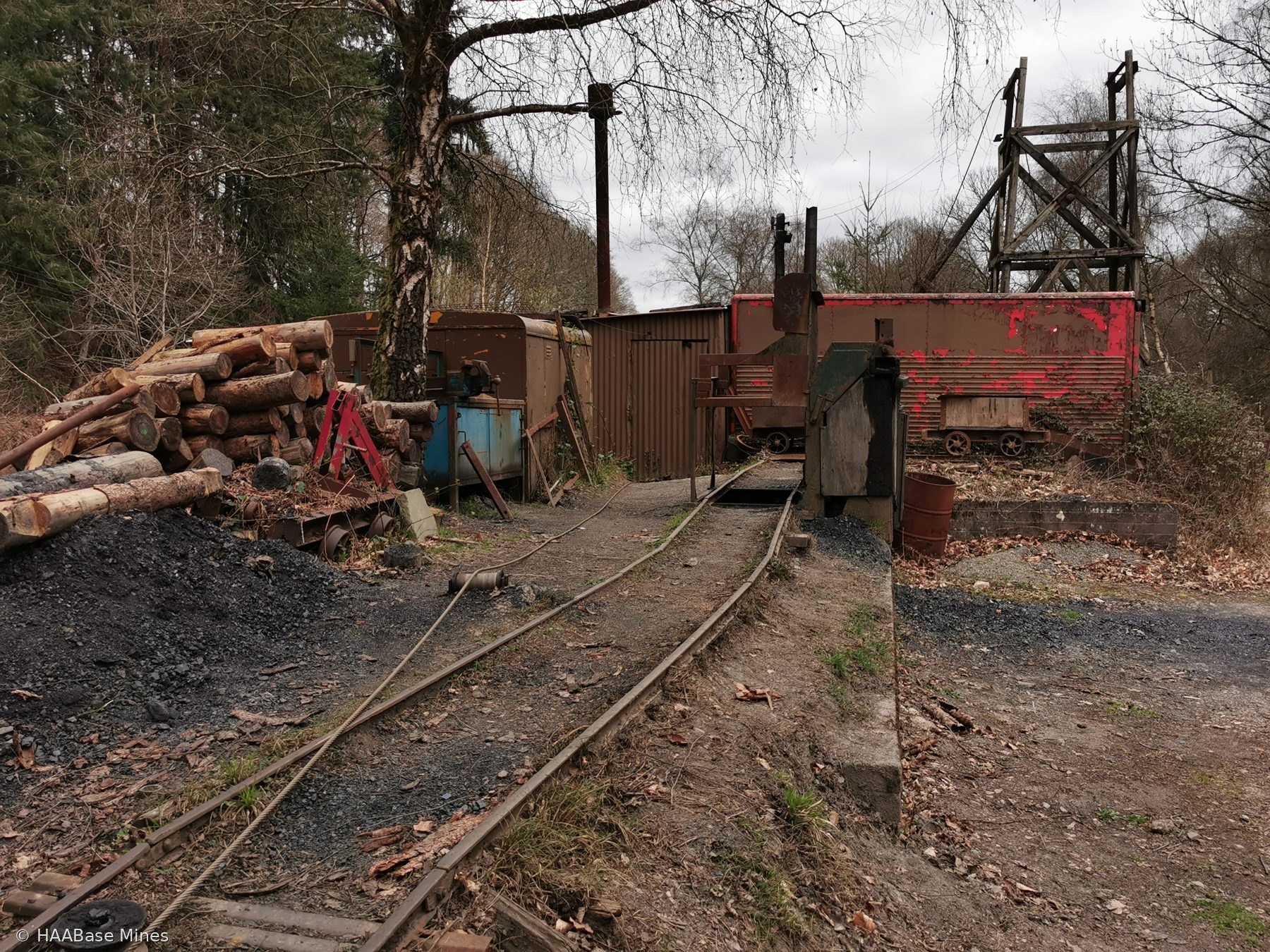
The mine stands in wooded rural surroundings on the edge of the Forest of Dean, where the working site reads as a small and enclosed colliery set within a wider forest landscape.

Map & photo

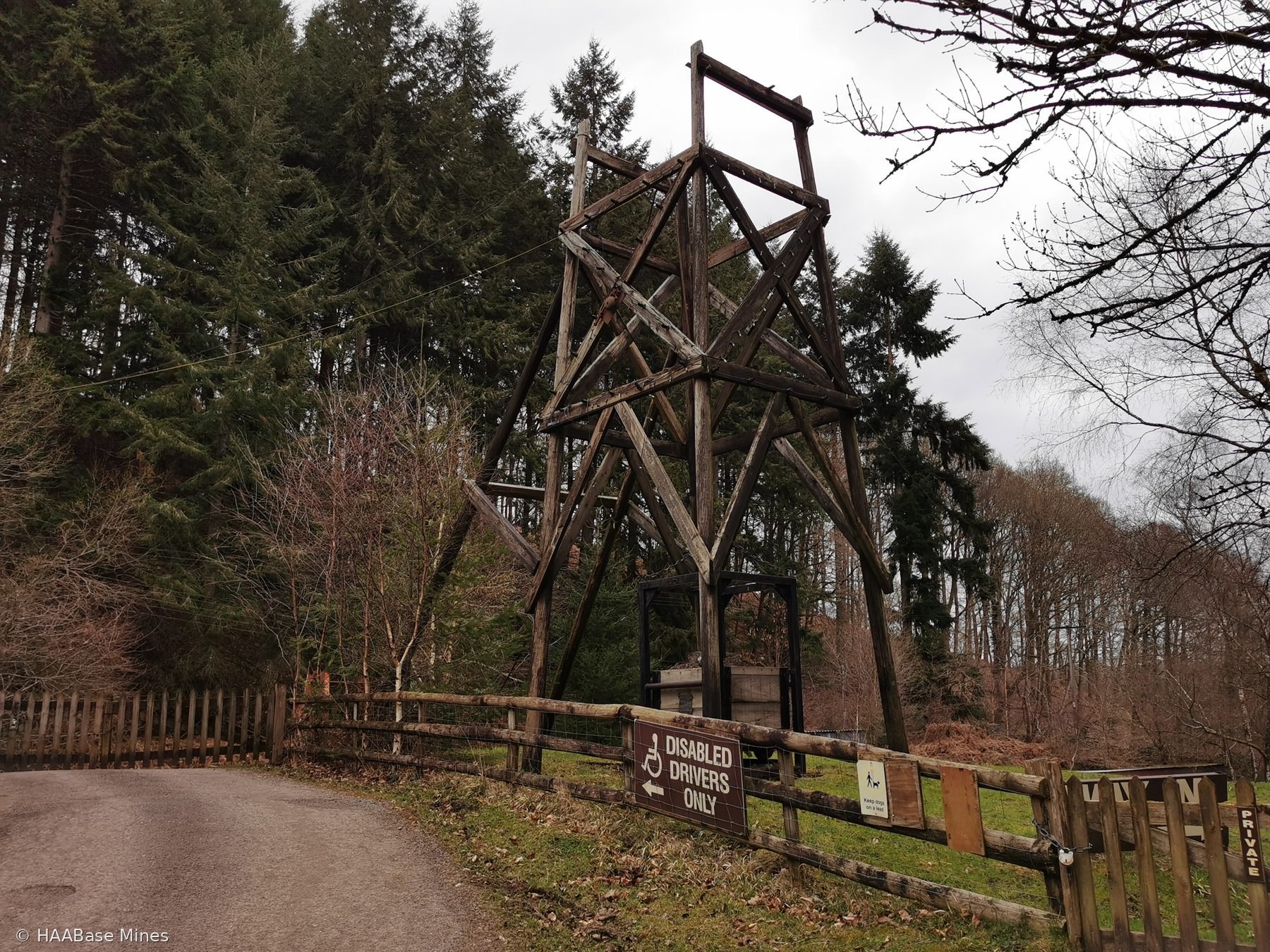
Hopewell Colliery mine headframe or winding tower site
Photograph taken: 29 March 2025
Map markers and directions links are provided for location reference only and do not indicate public access or permission to enter a site.

History

The Hopewell Colliery occupies a site near Coleford in the Forest of Dean, Gloucestershire, embedded within a coalfield whose freemining tradition stretches back at least to the reign of Edward I (1272–1307). The freemining right — granting those born within the ancient Hundred of St Briavels who had worked for a year and a day in a local mine the right to open their own gale — was formally enshrined in the Dean Forest (Mines) Act 1838. The colliery worked the Coleford High Delf Seam at the base of the Pennant Group, middle Upper Coal Measures, at a depth of approximately 45 metres.

The gale at Hopewell was held by James and Robert Morrell from 1822. By 1836, Thomas and James Bennett, presumably lessees, were applying to erect a steam engine at the site, which was by then referred to as Hope-Well Pit. A headframe was subsequently installed to accompany the steam winding arrangement. The mine was operating in 1863, and a connection was made with the Severn and Wye Railway's Milkwall Branch (later renamed the Coleford Branch). Sidings at Fetterhill, laid in 1875, served Hopewell Engine Colliery alongside several neighbouring workings including Dark Hill. Production in 1880 reached 4,331 tons of coal. In 1889–90 a dispute arose with the Severn and Wye Railway over underground workings causing damage to the railway line.

By 1909 the colliery was advertised for sale. By 1913 the Parkend Deep Navigation Collieries Co. Ltd had taken ownership and was using the mine not for active coal extraction but simply to protect its interests in neighbouring workings from flooding. In 1928 the colliery was transferred to the Mapleford Colliery Ltd, though whether further working was undertaken at that time is unclear in the consulted sources.

The mine subsequently passed into freeminer hands and revived as a small working colliery. The guided underground tour passes down New Road Adit, following a previously worked coal face only eighteen inches high, before returning to the surface via a drainage adit engineered in the 1820s — attributed in some accounts to David Mushet. The surface route back to the visitor facilities follows the course of the former Howler Slade tramway. Surface remains visible at the site include an old headframe, a pithead wheel, and an abandoned mine train. A museum and café adjoin the working pithead. Hopewell is currently managed by Rich Daniels, a Forest of Dean freeminer, and stands as one of only a handful of working coal mines remaining accessible in Britain and the only one routinely open to the public.
Timeline

Redevelopment

Revival as publicly accessible working freeminer colliery

The mine revived under freeminer working as a small publicly accessible working colliery. Guided underground tours pass through New Road Adit and return via the 1820s drainage adit. Surface remains include a headframe, pithead wheel, and abandoned mine train. A museum and café operate on site. Currently managed by Rich Daniels, a Forest of Dean freeminer.
1822
Legislation

Gale granted to the Morrell family

James and Robert Morrell held the gale at what became Hopewell Colliery from 1822, establishing the freeminer's right to work the site.
1836
Construction

Steam engine application at Hope-Well Pit

Thomas and James Bennett, presumably lessees, applied to erect a steam engine at the mine, then known as Hope-Well Pit. A headframe was installed to accompany the steam winding arrangement.
1838
Legislation

Dean Forest (Mines) Act enshrines freemining rights

The Dean Forest (Mines) Act 1838 formally enshrined the rights of freeminers within the Hundred of St Briavels, including those working the Hopewell gale.
1863
Construction

Connection made to Severn and Wye Railway

The mine was confirmed open in 1863 and a rail connection was made with the Severn and Wye Railway's Milkwall Branch, later renamed the Coleford Branch, enabling coal transport.
1875
Construction

Fetterhill sidings laid

Sidings at Fetterhill were laid in 1875 serving Hopewell Engine Colliery alongside several neighbouring workings including Dark Hill colliery.
1880
Operation

Annual output 4,331 tons

Recorded coal output for the year 1880 was 4,331 tons, from workings in the Coleford High Delf Seam of the Pennant Group.
1889–1890
Operation

Dispute with Severn and Wye Railway over damage

A dispute arose between the colliery and the Severn and Wye Railway in 1889–90 over underground workings that were causing structural damage to the railway line.
1909
Operation

Colliery offered for sale

By 1909 the colliery was advertised for sale, indicating a change in the fortunes of the operation.
1913
Operation

Acquired by Parkend Deep Navigation Collieries Co. Ltd

By 1913 the mine was owned by the Parkend Deep Navigation Collieries Co. Ltd, which used it solely to protect its other underground interests from flooding rather than for active coal production.
1928
Legislation

Transferred to Mapleford Colliery Ltd

The colliery was transferred to Mapleford Colliery Ltd in 1928. Whether further working was undertaken after this transfer is unclear in the consulted sources.

Sources and records

Forest of Dean Local History Society heritage site record: Hopewell Engine Colliery
Subterranea Britannica site record: Hopewell Colliery
Showcaves.com entry: Hopewell Colliery, compiled by Tony Oldham (2001)
VisitDeanWye business directory entry: Hopewell Colliery Working Mine and Café
Hopewell Colliery official website: hopewellcolliery.com
Wikipedia article (English): Forest of Dean Coalfield
Bristol History visitor account, August 2022
This researched site record is part of the HAABase Mines database. Normal personal research and browsing is welcome. Automated bulk extraction, republication, or harvesting of site text and images is not permitted without written consent.