Site overview

Groverake Mine occupies a high, exposed position in the North Pennines of County Durham, at the junction of the Groverake, Greencleugh, and Red veins, approximately 4.5 kilometres north-west of Rookhope. Mining in the area predates the seventeenth century, but the Beaumont Company developed the site in earnest from the late eighteenth century, sinking two major shafts on the Red and Groverake veins and driving adits that reached levels in and below the Great Limestone. The veins proved rich in fluorspar but relatively poor in lead.

The Weardale Lead Company acquired the mine in 1884 and, through a succession of further operators, worked it until 1940. More intensive fluorspar operations began during the Second World War under Blanchland Fluor Mines Ltd, followed by British Steel, which drove the Rake level and the Firestone dib to reach additional vein horizons. After British Steel's collapse in the early 1980s the mine passed to Weardale Minerals and Mining, then to Sherburn Minerals, which worked it until final closure in the summer of 1999.

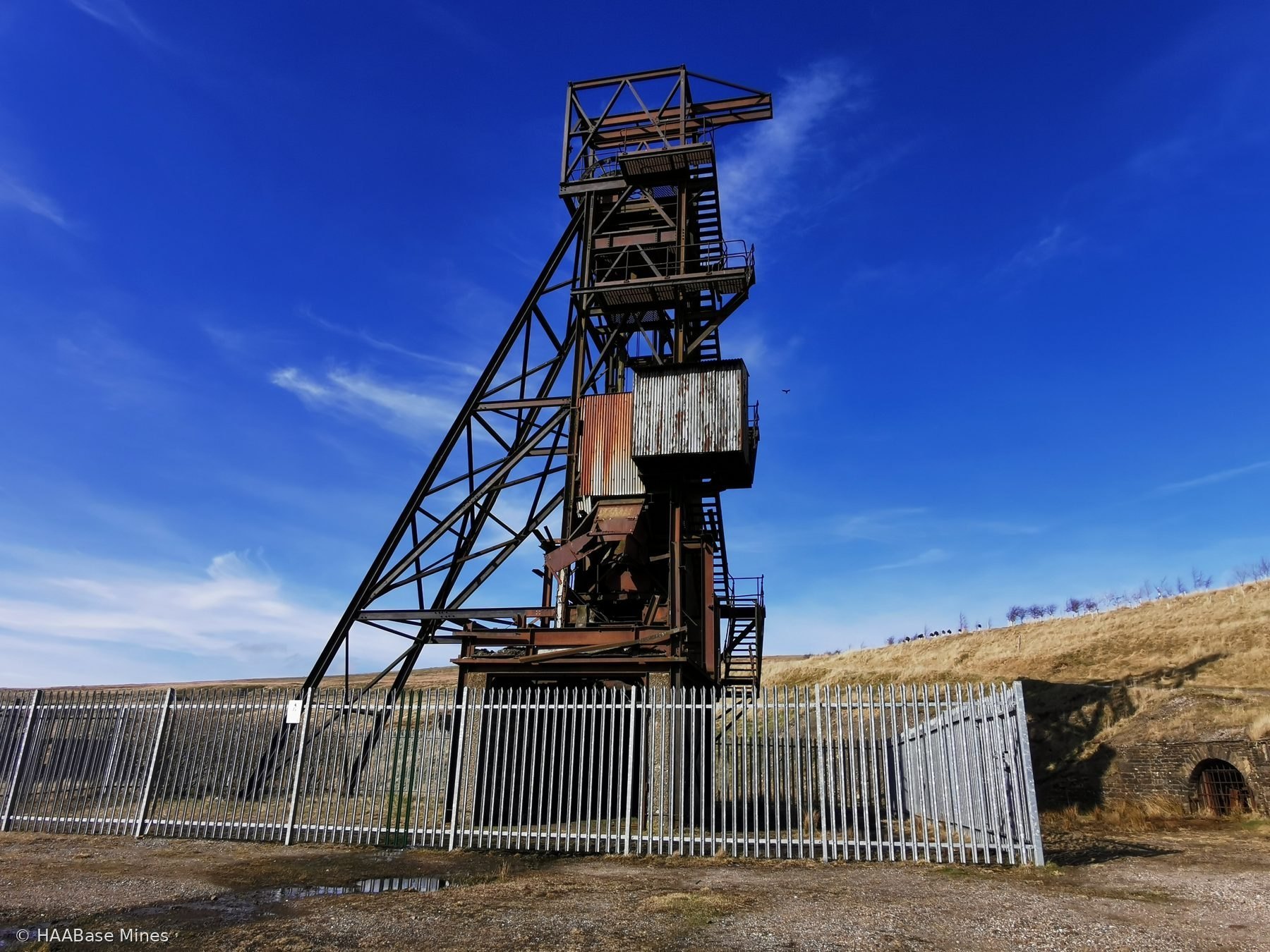
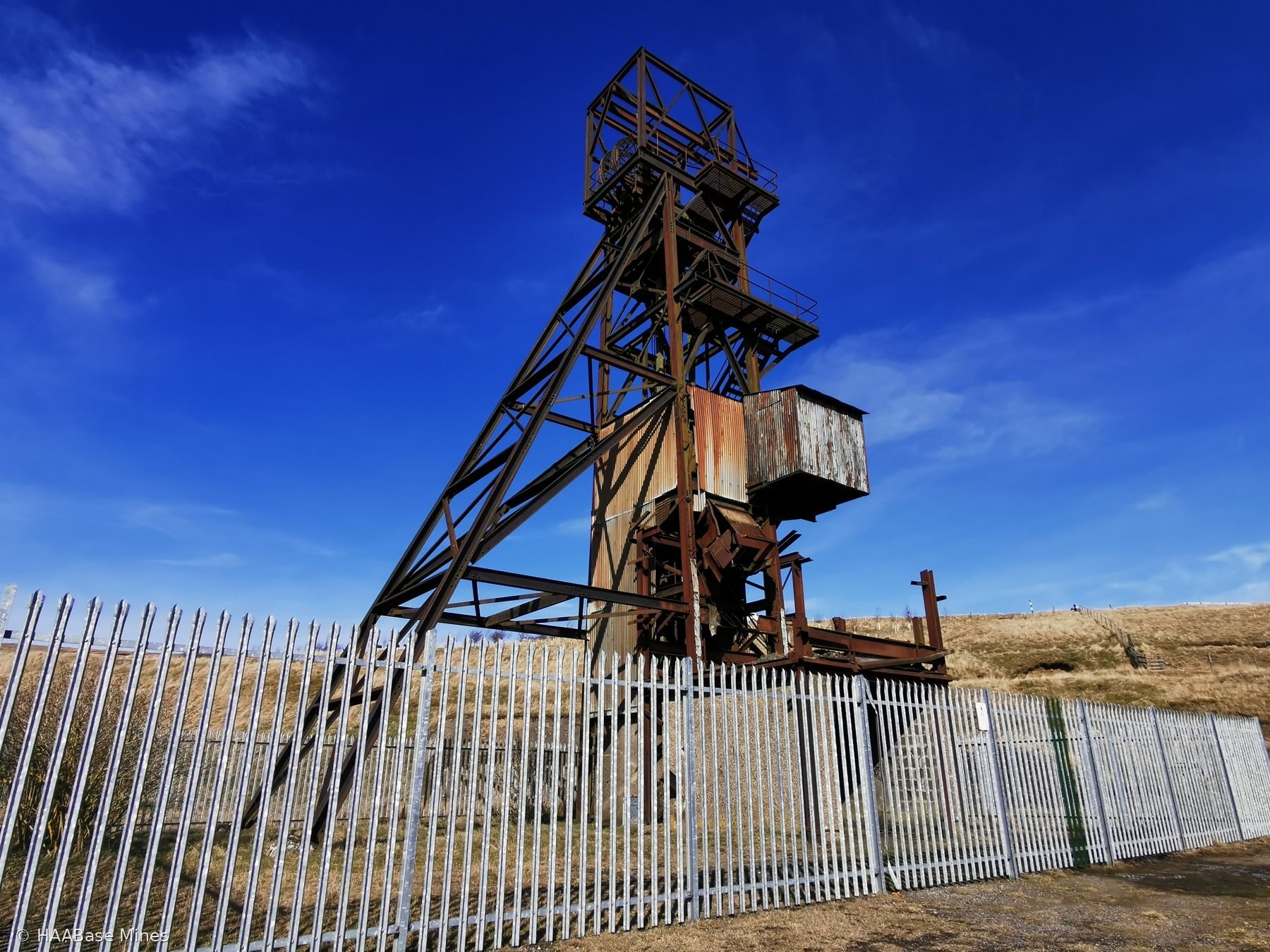
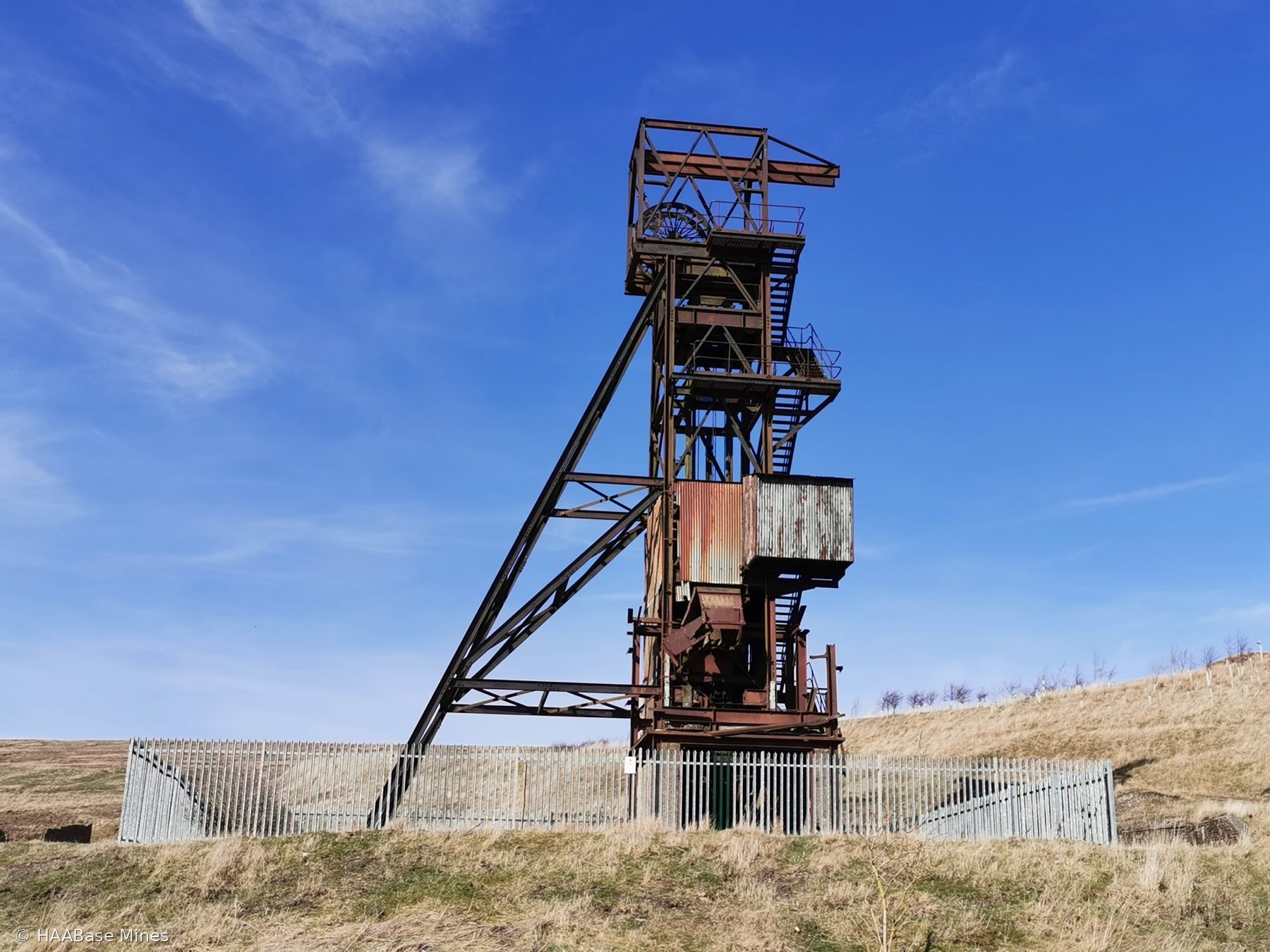
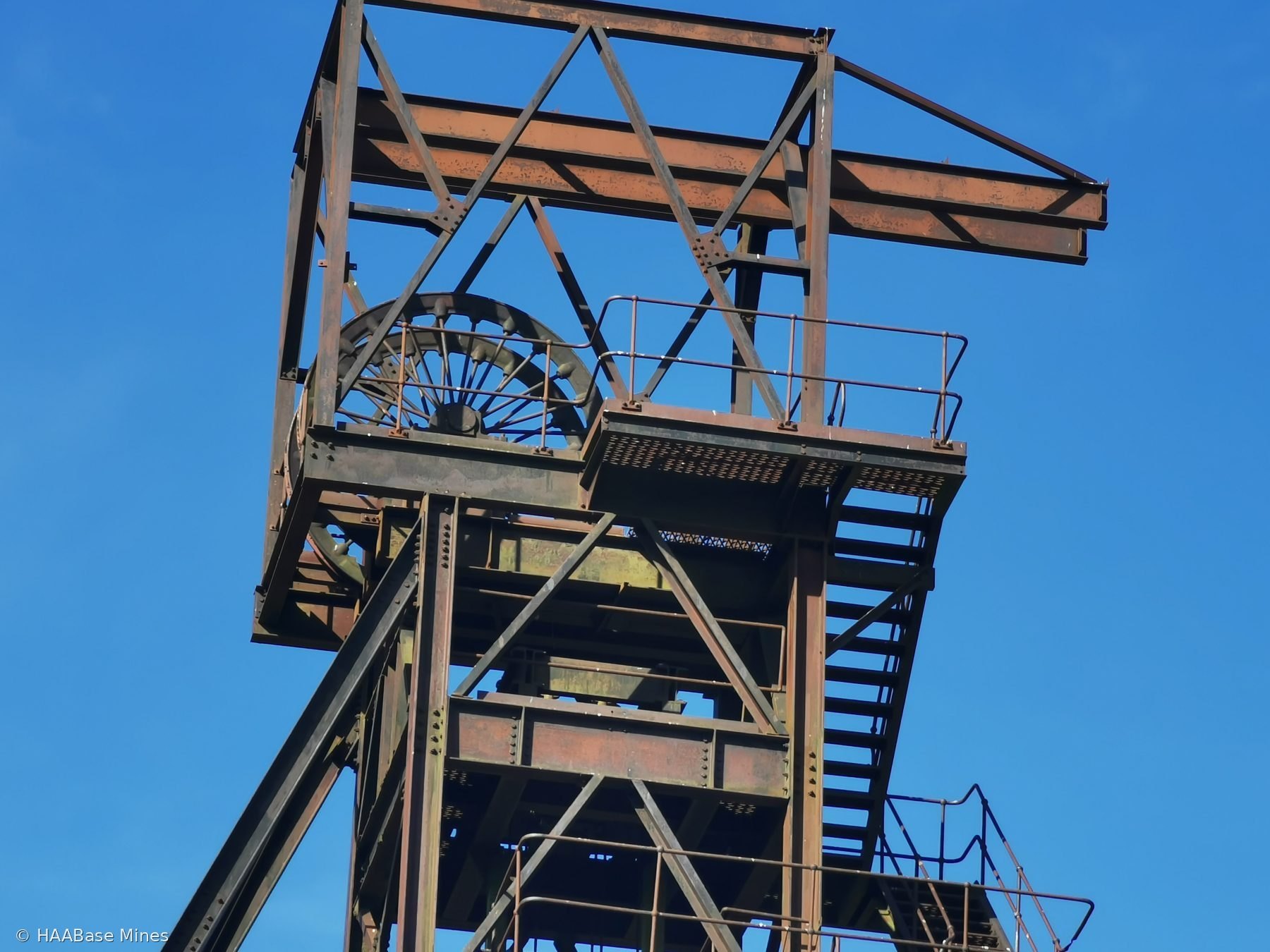
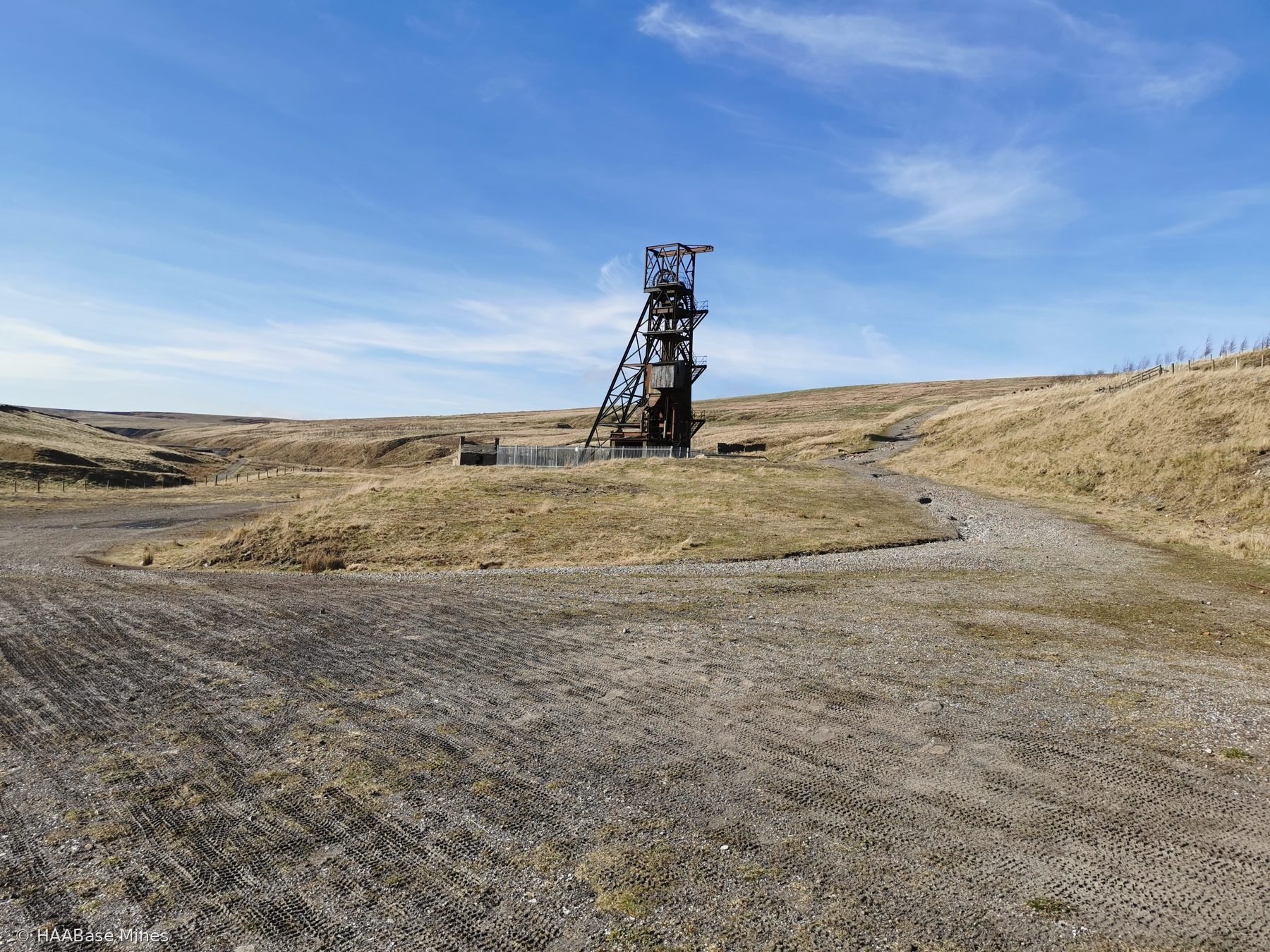
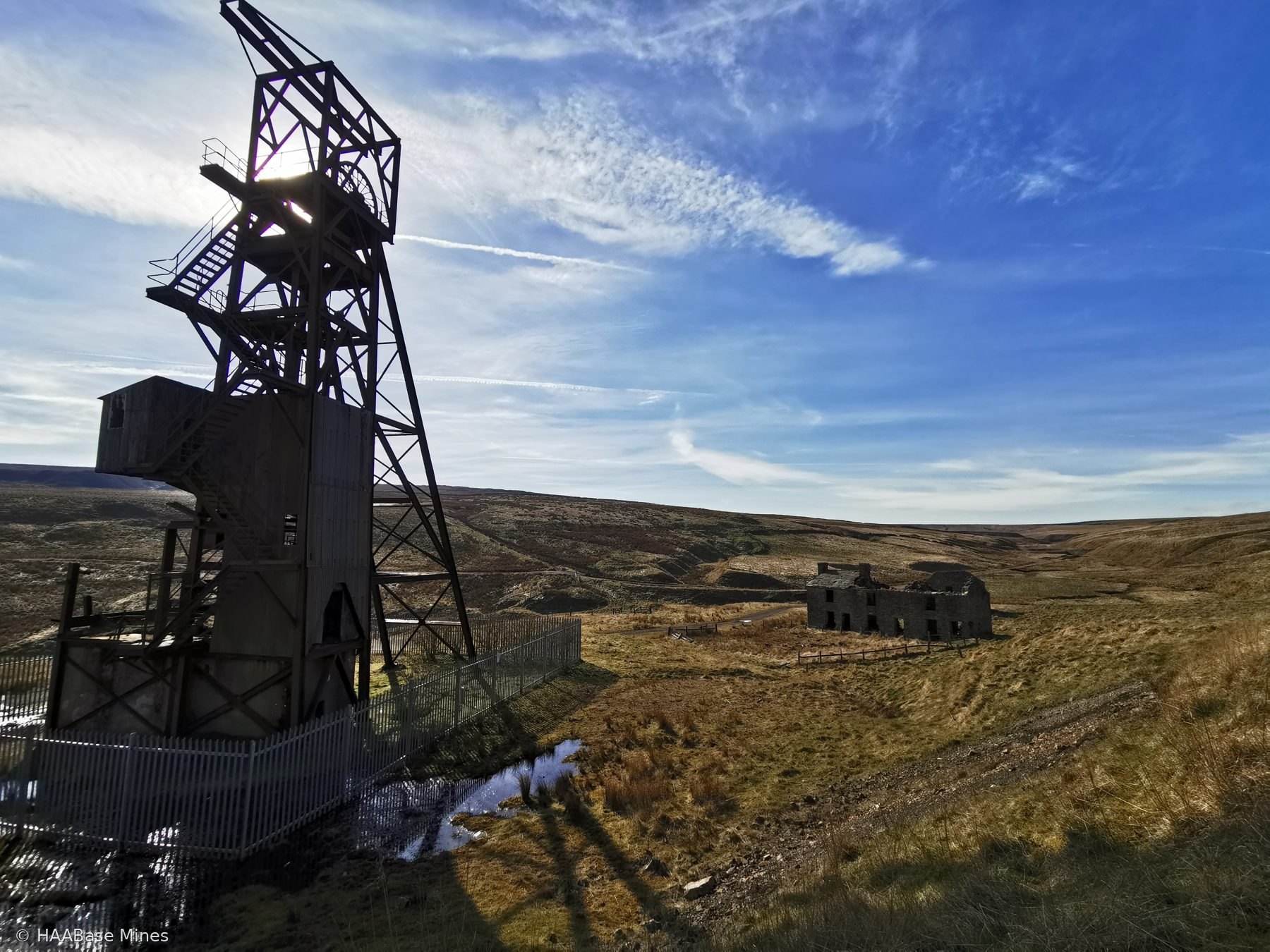
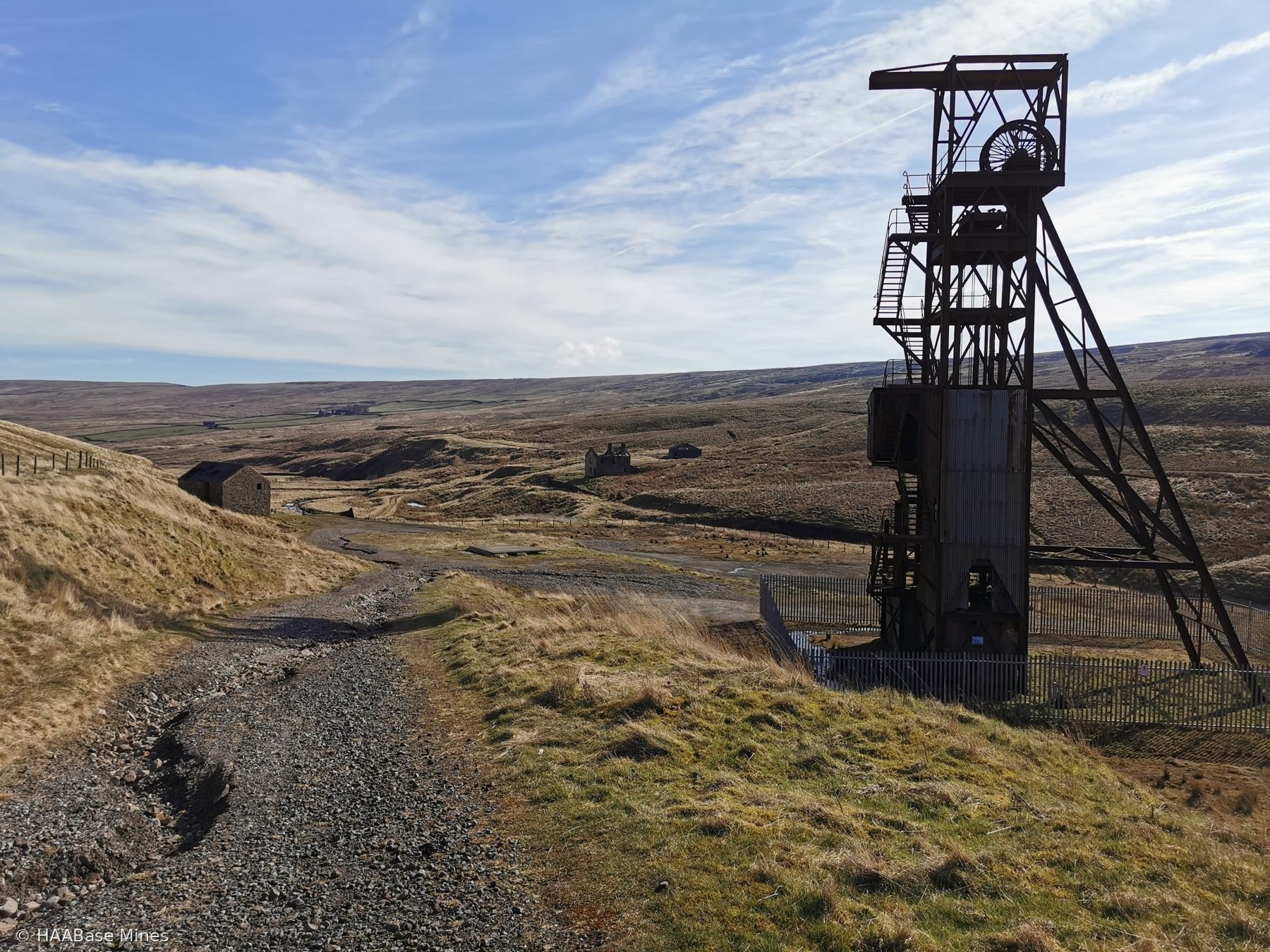
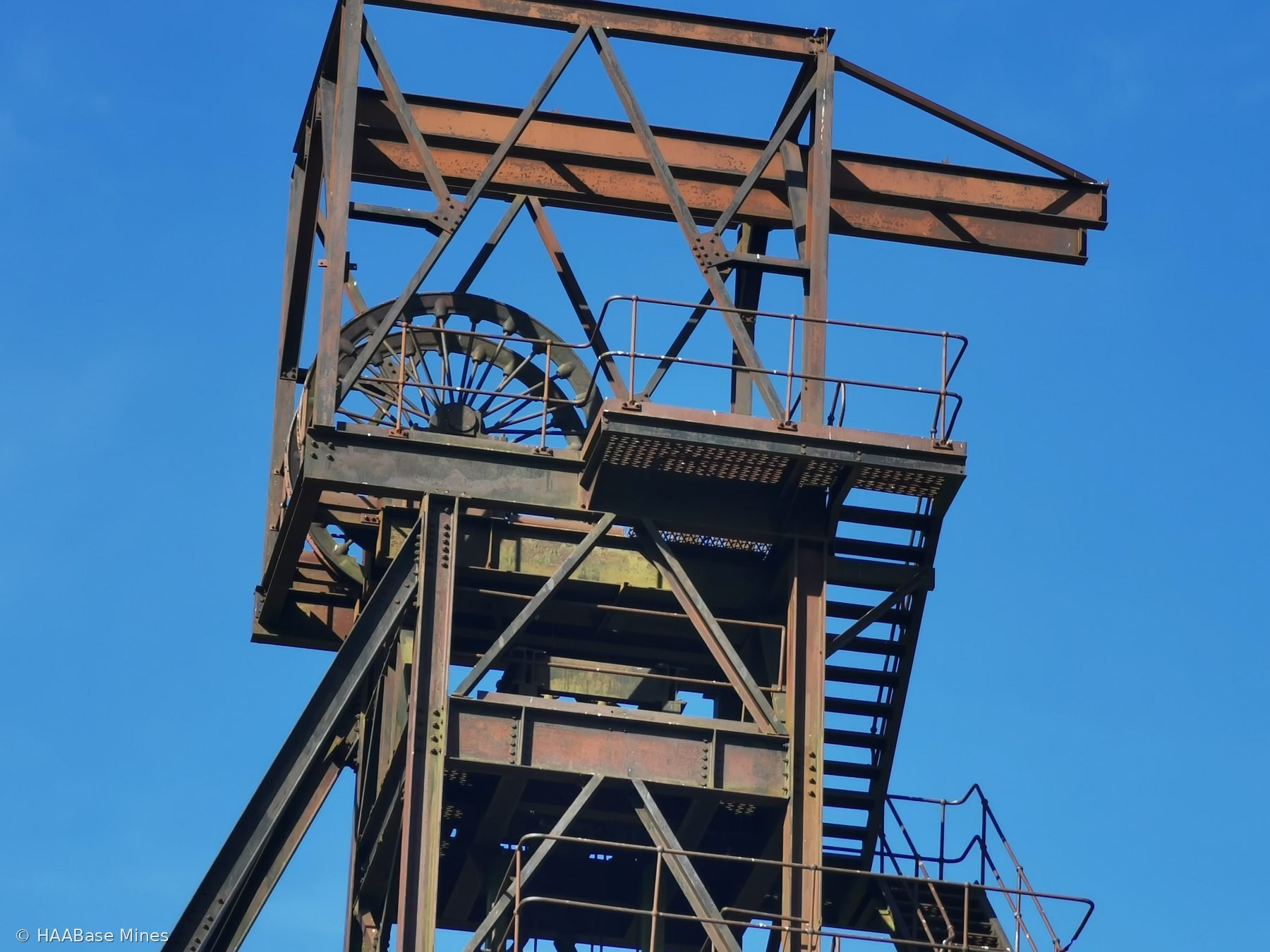
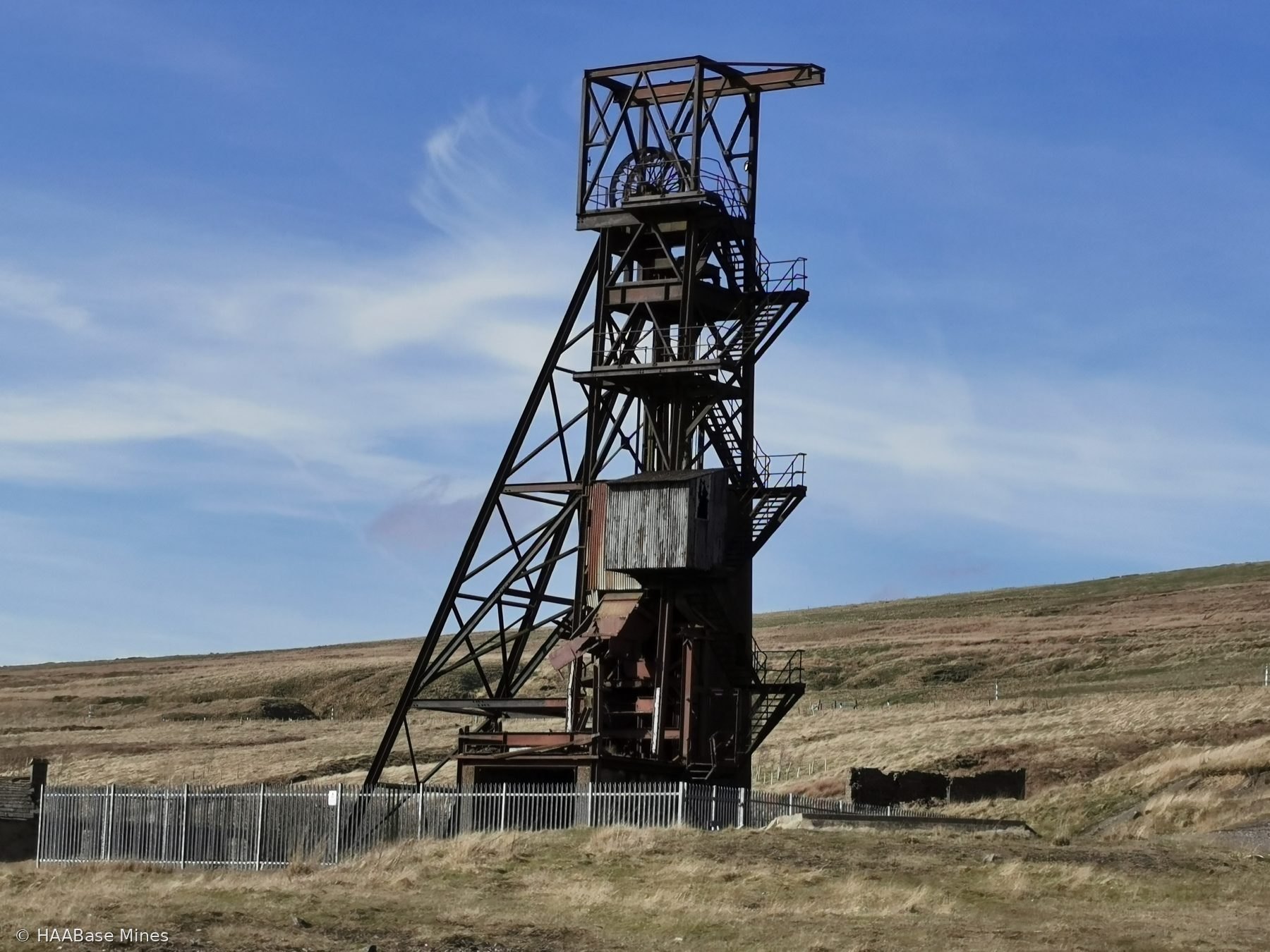
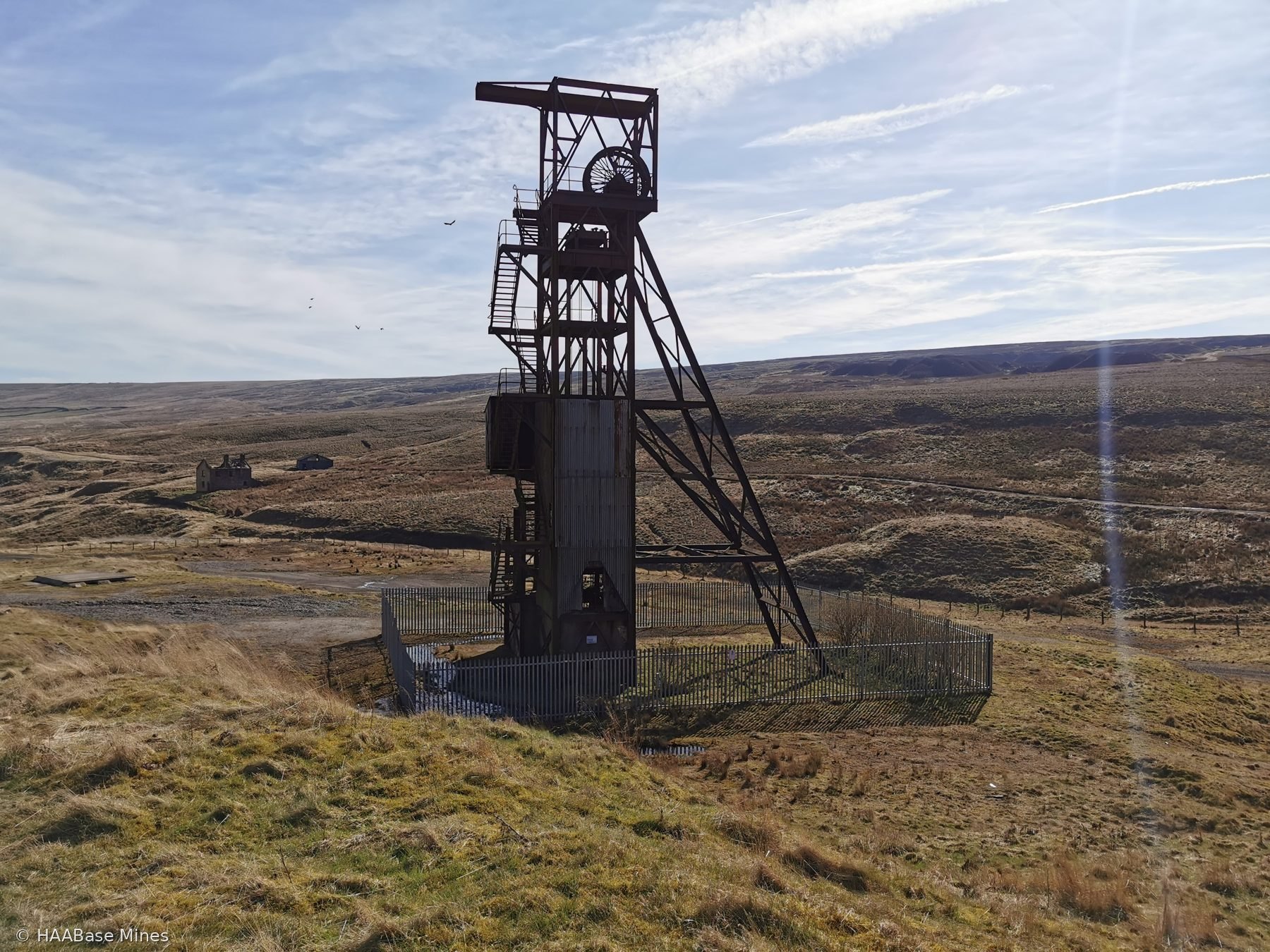
At closure, Groverake was the last commercial fluorspar mine in the North Pennines and the last deep mineral mine in County Durham. Most surface buildings were demolished in 2005, and one of the two original headframes was removed by scrap thieves. The surviving steel headframe, sourced from a coal mine during the British Steel tenancy, is now the last mining headframe in County Durham.

A community campaign in 2016 and 2017 secured the structure against planned demolition. The site lies on private land within the North Pennines National Landscape.

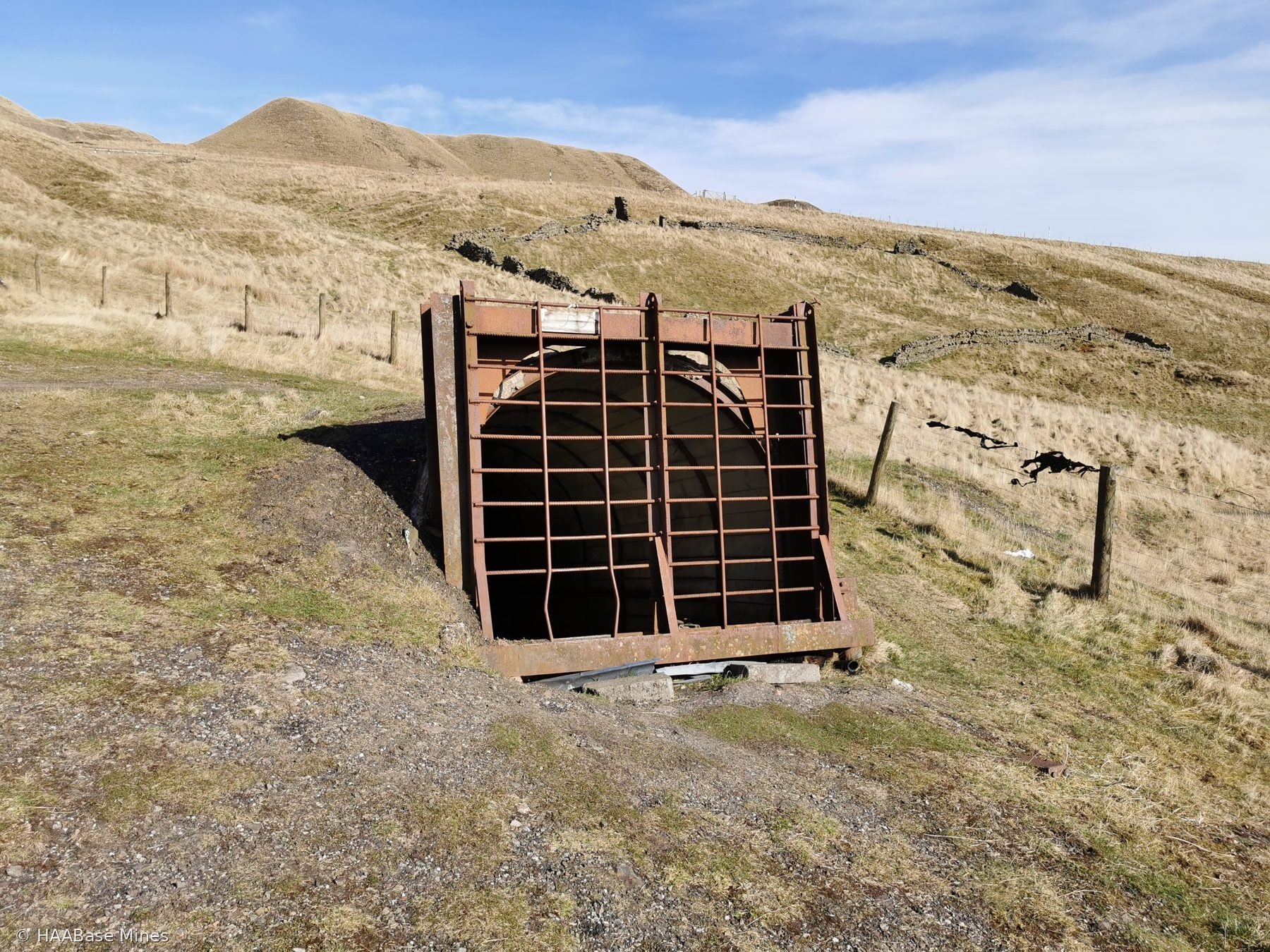
The site occupies a high and exposed upland setting, where open moorland and scattered remains leave the surviving headframe reading as an isolated landmark in the landscape.

Map & photo

Groverake Mine mine headframe or winding tower site
Photograph taken: 26 March 2025
Map markers and directions links are provided for location reference only and do not indicate public access or permission to enter a site.

History

The Groverake mine stands at the convergence of three principal mineral veins — the Groverake, Greencleugh, and Red veins — at an elevated position in the North Pennines roughly 4.5 kilometres north-west of Rookhope, near the head of the burn. The mine lies between the villages of Rookhope and Allenheads and was connected underground with the nearby Frazer's Hush mine. Mining activity in the area likely predates the seventeenth century, but the first substantial development was undertaken by the Beaumont Company beginning in the late eighteenth century. The Beaumont Company drove adits and sank two major shafts, one on the Red Vein and one on the Groverake Vein, both ultimately reaching levels in and below the Great Limestone. The main east-to-west Groverake Vein produced green and purple fluorite as well as lead. Despite the richness of the fluorspar deposits, the veins were relatively poor in lead; between 1818 and 1883 the Beaumont workings produced only 6,498 tons of lead concentrates, according to the record compiled by Dunham. The Beaumont Company continued working the mine until the early 1880s.

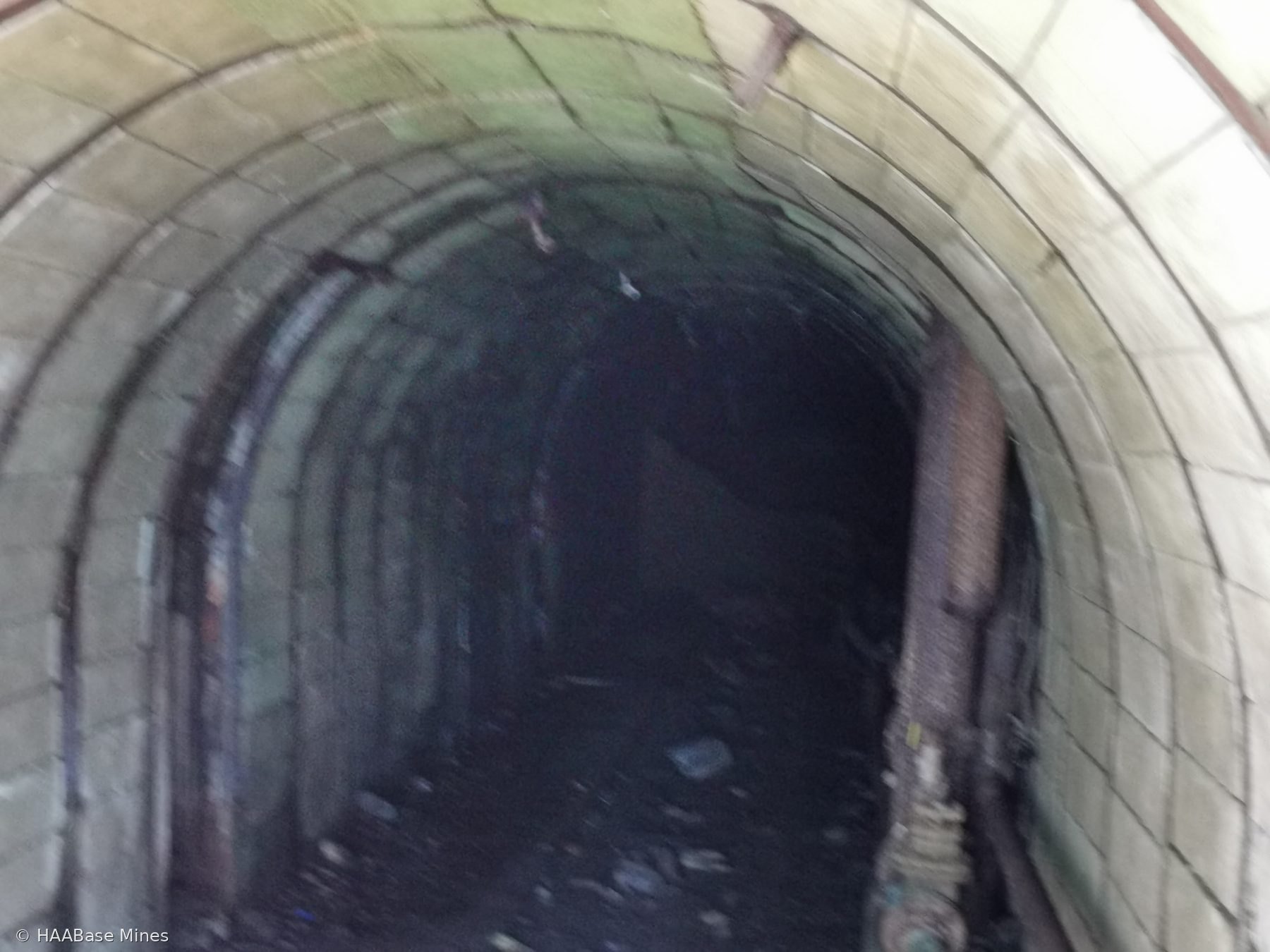
With the departure of Beaumont, the mine was acquired in 1884 by the Weardale Lead Company. That company, followed by a succession of further operators, worked the property for both fluorspar and lead until 1940. Problems with treating the fluorspar ores to remove silica limited the commercial success of the mine during this period. More successful operations began during the Second World War, when Blanchland Fluor Mines Ltd took on the site. During the tenancy that followed under British Steel, the Rake level was driven northward from the area of the shafts to access the upper horizons of both the Red and Groverake veins, and the Firestone dib — a local term for a decline — was put in to access lower levels on the same veins. Although these tunnels never interconnected with the shaft-accessed workings, they are treated as part of the Groverake mine complex. Fluorspar deposits on both veins proved rich, and the mine became one of the leading fluorspar producers in the region during the latter part of the twentieth century. British Steel also installed the steel headframe that had been sourced from a coal mine elsewhere; this structure became the surviving headframe on site.

Following the collapse of British Steel in the early 1980s, the mine was acquired by Weardale Minerals and Mining. Weardale Minerals re-opened the mine in 1985 and operated it in conjunction with Frazer's Hush mine. The parent company, Minworth Ltd, was forced into receivership in 1991. Sherburn Minerals then purchased the mine and worked it until the summer of 1999. At the time of final closure, Groverake was the last commercial fluorspar mine operating in the North Pennines and the last deep mineral mine in County Durham. The mine had been the leading producer of commercial fluorspar in Weardale during the 1980s and 1990s.

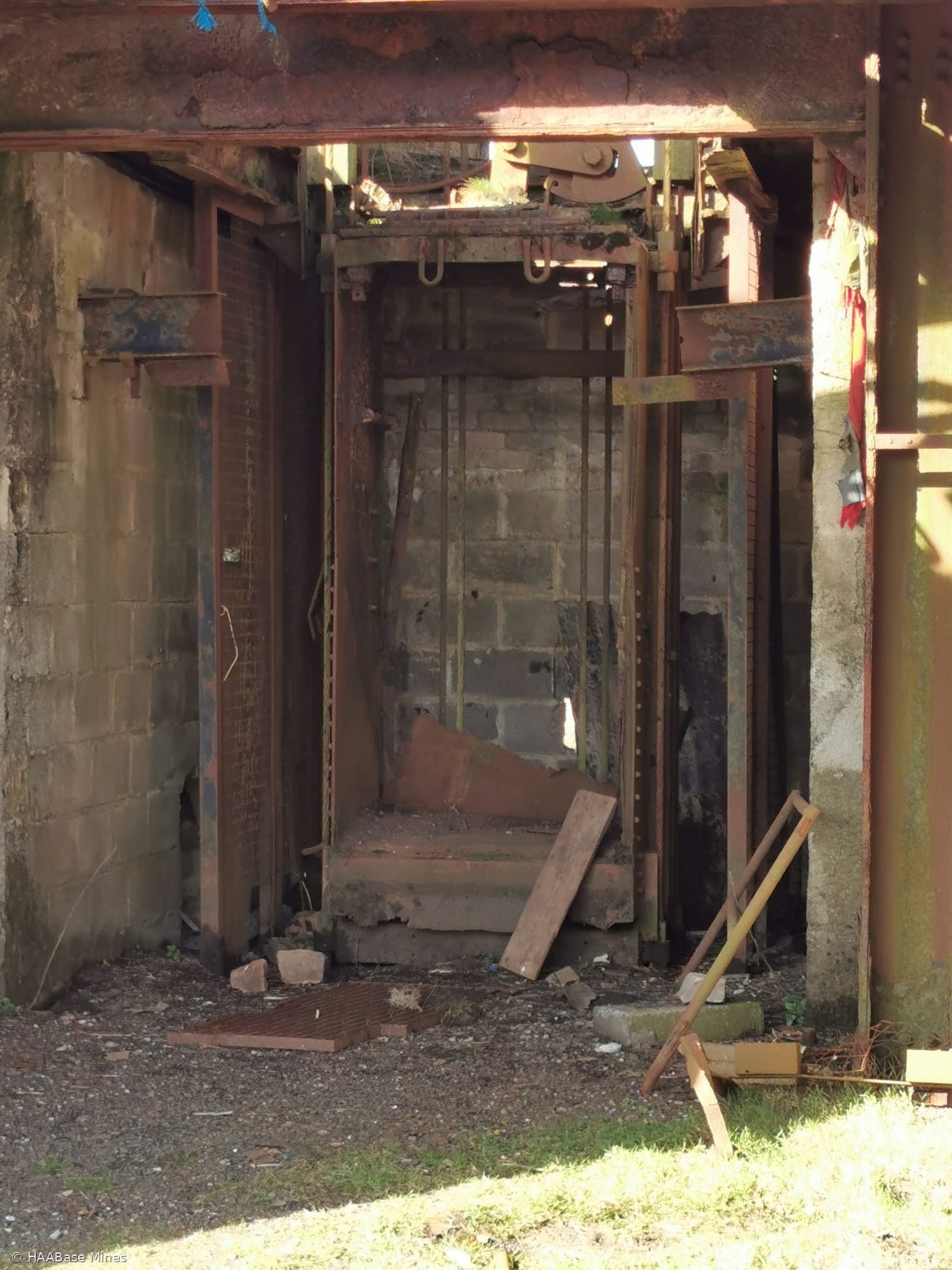
After closure, the majority of surface buildings were demolished in 2005, having been deemed unsafe by the landowner. Of two original headframes on site, scrap thieves had removed one. The remaining steel headframe is the sole surviving mining headframe in County Durham. Several of the remaining buildings were badly damaged in a fire in 2015. Durham County Council attempted to obtain a building preservation order in 2013, describing the structures as a unique collection, but formal listed building status was not secured. In 2016 the surviving headframe faced demolition in accordance with the original planning permission. The Friends of Groverake formed to campaign for its preservation, working alongside the Friends of Killhope and raising funds from supporters across Britain and from as far afield as Ireland and the United States. By March 2017 the landowner, Sherburn Stone, agreed to retain the headframe on site. The site remains on private land within the North Pennines National Landscape, where it is recognised as a geosite. Areas of ground collapse are present.
Timeline

Exploration

Pre-documented mining activity at vein junction

Mining in the area around the Groverake, Greencleugh, and Red veins is believed to predate the seventeenth century, though documentation of the earliest workings is not available.
Construction

British Steel tenancy: Rake level, Firestone dib, and headframe installation

During the British Steel tenancy the Rake level was driven northward from the shaft area to access the upper horizons of the Red and Groverake veins. The Firestone dib — a decline — was also driven to access lower levels. These tunnels did not interconnect with the shaft-accessed workings but are considered part of the Groverake mine complex. The mine became one of the leading fluorspar producers in County Durham. British Steel also installed a steel headframe sourced from a coal mine elsewhere; this is the structure that survives today as the last mining headframe in County Durham.
1780–1883
Construction

Beaumont Company development: shaft sinking and adits

The Beaumont Company began major development of the Groverake mine in the late eighteenth century, sinking two principal shafts — one on the Red Vein and one on the Groverake Vein — and driving adits. Both shafts ultimately reached levels in and below the Great Limestone. Between 1818 and 1883 the Beaumont workings produced approximately 6,498 tons of lead concentrates. The veins were relatively poor in lead despite their richness in fluorspar.
1884–1940
Operation

Weardale Lead Company and successor operators

Following the Beaumont Company's departure, the mine was acquired in 1884 by the Weardale Lead Company. That company, followed by a succession of further operators, worked the site for both fluorspar and lead until 1940. Difficulties in treating the fluorspar ores to remove silica limited the commercial success of the mine during this period.
1940
Operation

Blanchland Fluor Mines Ltd wartime operations

More successful fluorspar operations were begun during the Second World War by Blanchland Fluor Mines Ltd, which resumed and intensified extraction on the site.
1983–1991
Operation

Weardale Minerals and Mining ownership; mine reopened 1985

Following the collapse of British Steel in the early 1980s the mine was acquired by Weardale Minerals and Mining. It was re-opened in 1985 and operated in conjunction with Frazer's Hush mine. The parent company, Minworth Ltd, was forced into receivership in 1991.
1991–1999
Operation

Sherburn Minerals final working period

After Minworth Ltd entered receivership in 1991, Sherburn Minerals purchased the mine and continued working it until the summer of 1999. Groverake was the leading producer of commercial fluorspar in Weardale during the 1980s and 1990s.
1999
Closure

Final closure: last fluorspar mine in the North Pennines

The mine closed in the summer of 1999. At closure it was the last commercial fluorspar mine operating in the North Pennines and the last deep mineral mine in County Durham.
2005
Closure

Site demolition; one headframe removed by scrap thieves

Most surface buildings were demolished in 2005, having been deemed unsafe by the landowner. Of two original headframes on site, scrap thieves had removed one. The second steel headframe was left standing.
2013
Heritage

Durham County Council building preservation order attempt

Durham County Council attempted to obtain a building preservation order on the winding house and remaining structures in 2013, describing them as a unique collection. The order safeguarded the buildings for six months while a listing application was pursued, but lasting listed building status was not secured.
2015
Closure

Fire damages remaining buildings

Several of the remaining surface buildings at the site were badly damaged in a fire in 2015.
2016–2017
Heritage

Demolition threat and Friends of Groverake campaign

In 2016 the surviving headframe faced demolition in accordance with the original planning permission. The Friends of Groverake formed to campaign for its preservation, working alongside the Friends of Killhope and raising funds from across Britain and from as far afield as Ireland and the United States. By March 2017 the landowner, Sherburn Stone, agreed to retain the headframe on site, securing its future.

Sources and records

Atlas Obscura entry: Groverake Mine, Rookhope
North Pennines National Landscape geosite record: Groverake Mine
Mindat.org locality record: Groverake Mine, Rookhope, Stanhope, County Durham
The View from the North website: Grove Rake Fluorspar Mine, County Durham (citing Younger 2003 and Dunham 1990)
ClosedQuarters urban exploration blog, February 2015
Fabulous North: Groverake Mine
Friends of Killhope website: Saving Groverake
Anecdotes of Explorers: Groverake Headgear, November 2016
GooseyGoo mining heritage site record
Steetley Minerals: Weardale minerals history
Flickr: Gordon Edgar photograph caption notes
Dave Foster Stories: Exploring a Forgotten Legacy, October 2024
This researched site record is part of the HAABase Mines database. Normal personal research and browsing is welcome. Automated bulk extraction, republication, or harvesting of site text and images is not permitted without written consent.