Site overview

Haig Colliery, situated on the cliffs above Whitehaven in Cumbria, was a coal mine in operation for almost 70 years. Its shafts were sunk by the Whitehaven Colliery Company Ltd between 1914 and 1918 as a new access to the existing Wellington Pit workings, with full production beginning in 1925. The mine was named after Field Marshal Douglas Haig.

The underground workings spread westwards out under the Irish Sea, reaching over four miles beneath the sea bed. The mine produced high volatile strongly caking general purpose coal. Between 1922 and 1931 three firedamp explosions killed 83 miners, of whom 14 bodies were never recovered.

Wellington Pit, to which Haig was underground connected, closed in 1932. Haig was nationalised in 1947 and closed in March 1986, the last deep coal mine in Cumbria, with 180 jobs lost. The winding engine house became a Scheduled Monument in 1998 and was operated as the Haig Colliery Mining Museum from 1994, with major refurbishment completed in 2015; the museum closed in January 2016 due to insolvency.

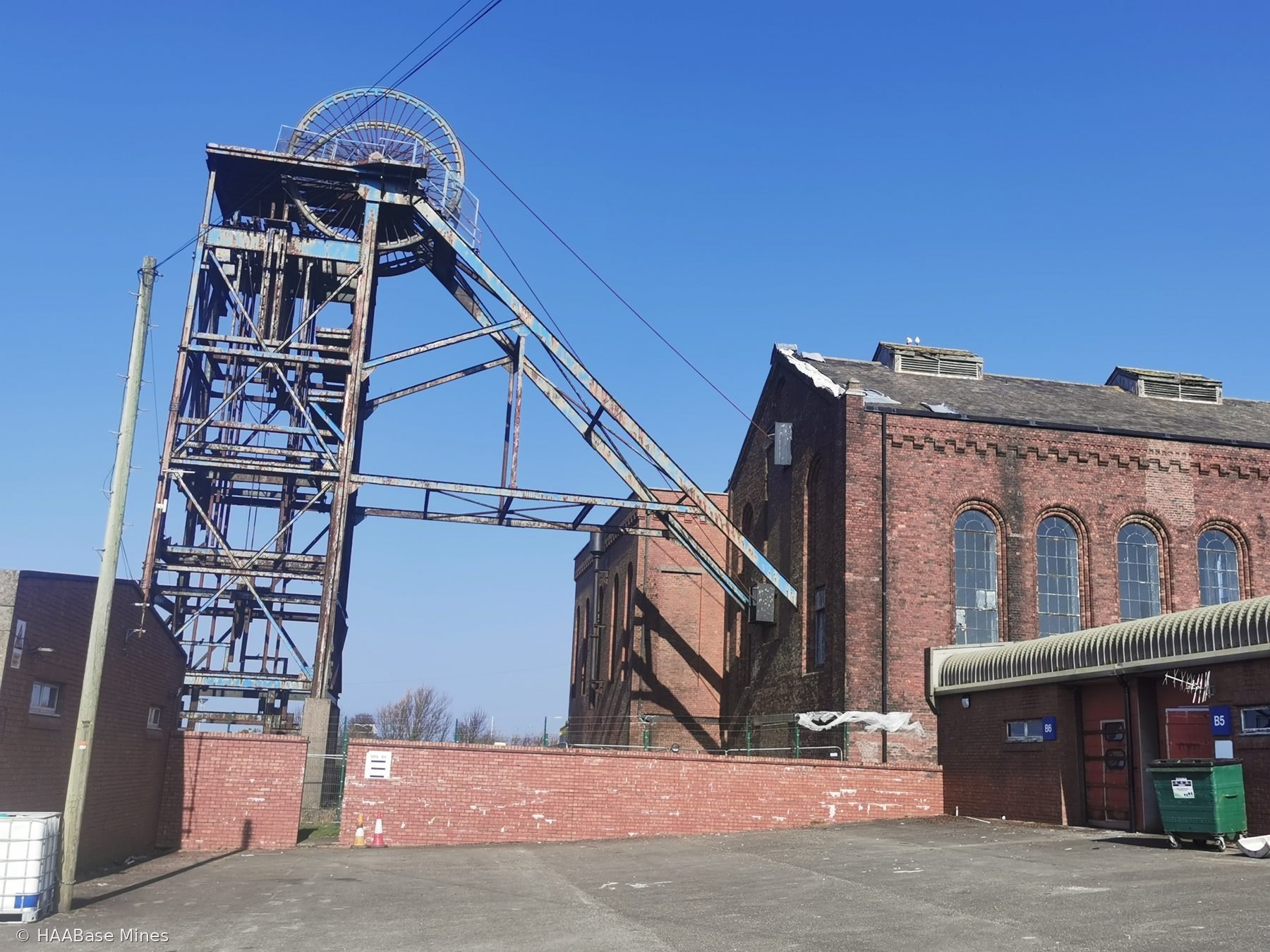
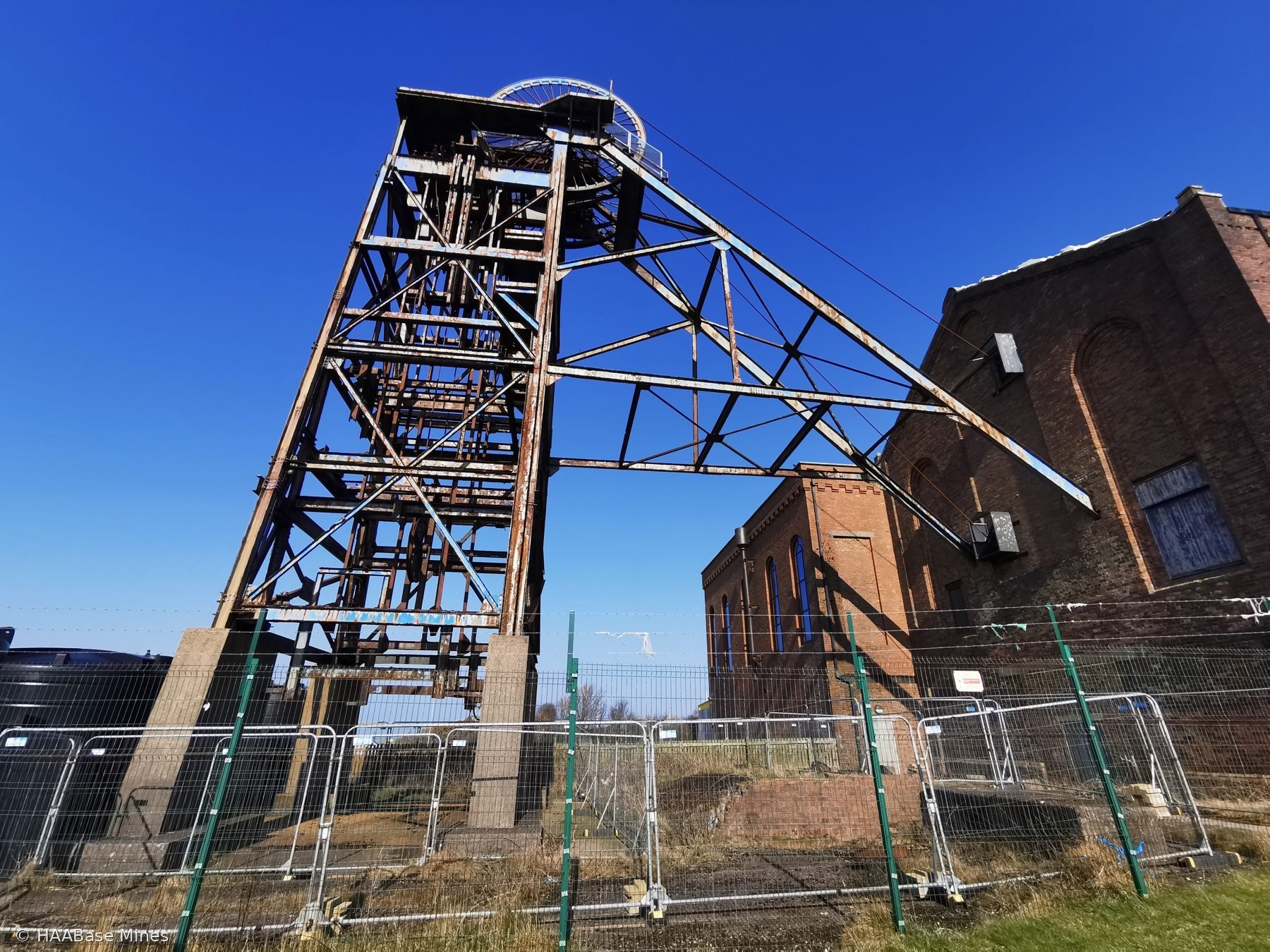
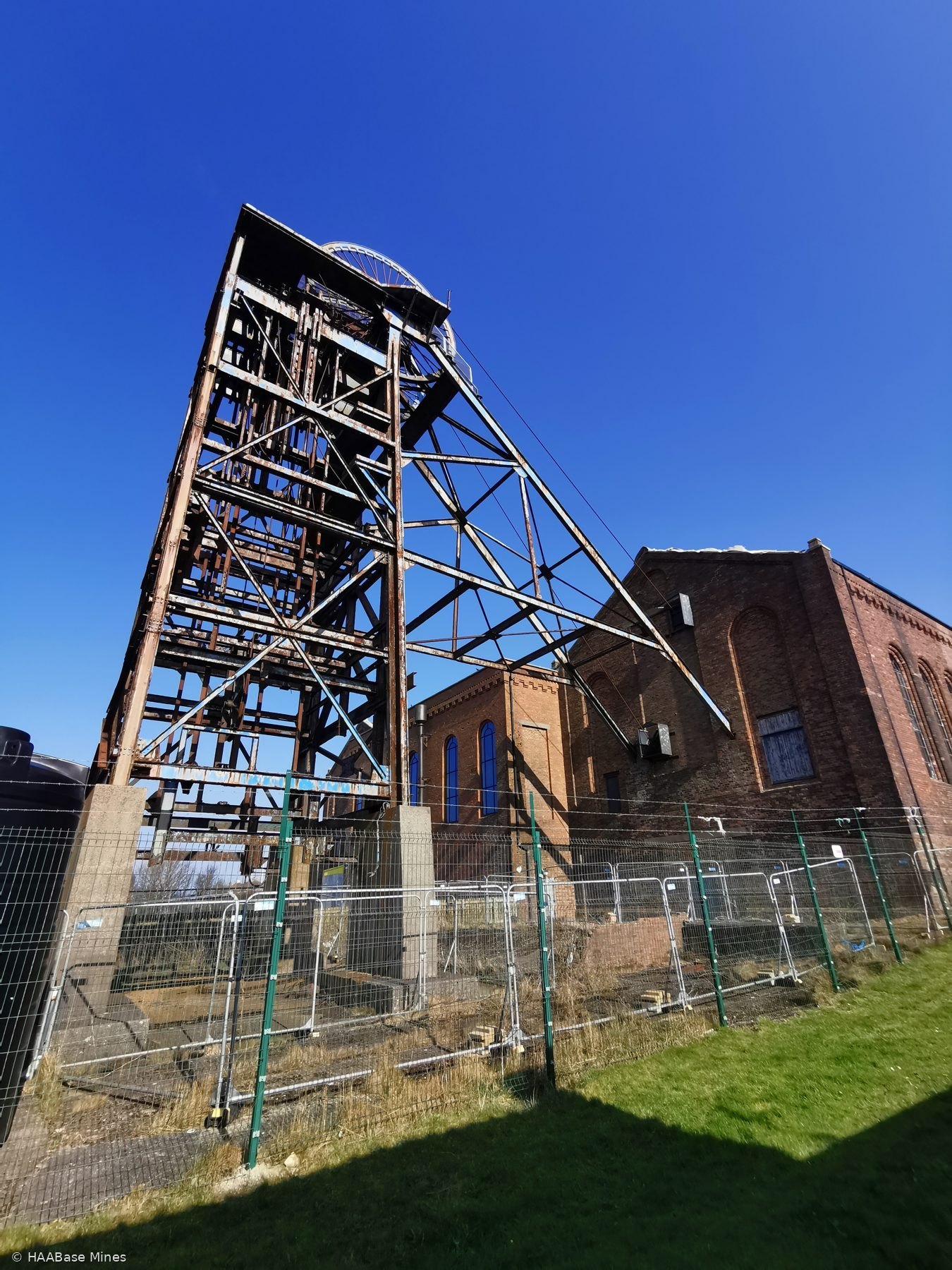
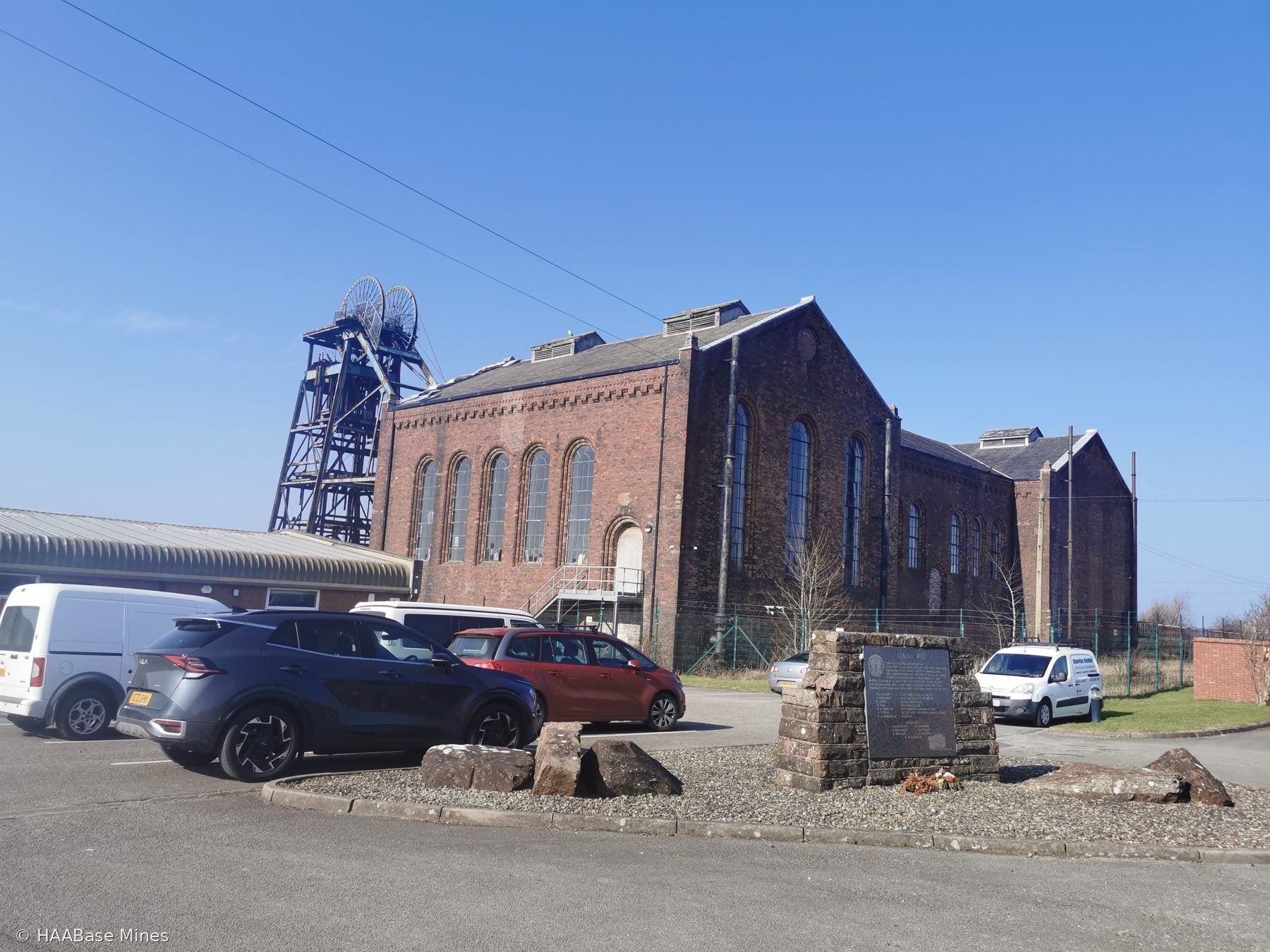
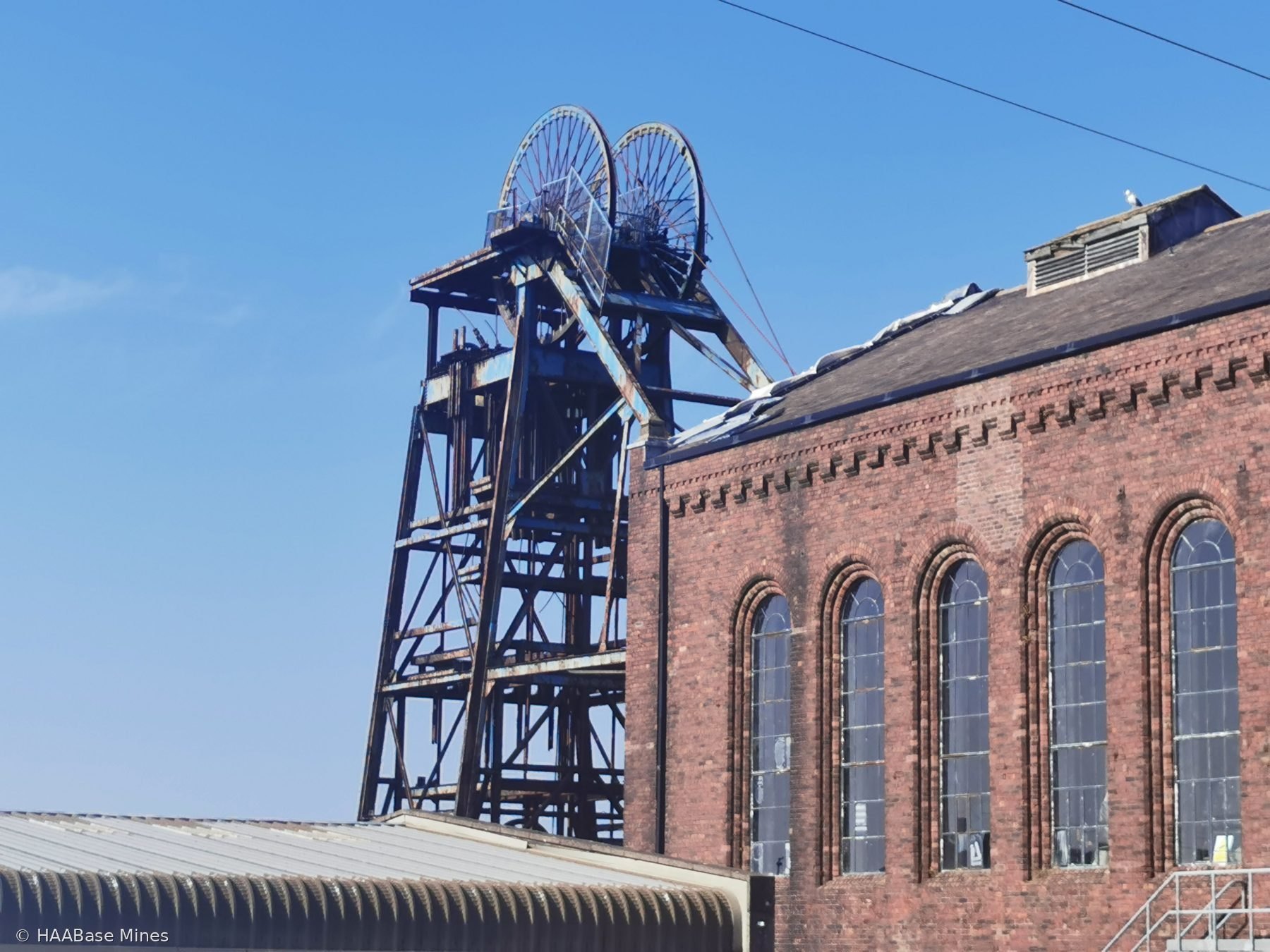
The surviving No. 5 shaft headframe and winding engine house, with two Bever Dorling steam winding engines, remain on site.

The site occupies a striking clifftop position above the sea, where the headframe and engine house stand exposed and prominent within a dramatic coastal industrial landscape.

Map & photo

Haig Colliery mine headframe or winding tower site
Photograph taken: 9 March 2025
Map markers and directions links are provided for location reference only and do not indicate public access or permission to enter a site.

History

Haig Colliery's shafts were sunk by the Whitehaven Colliery Company Ltd, which had acquired the Whitehaven collieries in 1913. The sinking of No. 5 shaft started in August 1914 and was completed in May 1916; it was 21 feet in diameter. No. 4 shaft was started in October 1916 and completed in March 1918; it was 18 feet in diameter. The two shafts were 40 yards apart and were 720 yards south-west of the Wellington Pits and 300 yards above the high water mark. Both shafts were walled throughout. The shaft numbering began at 4 because Nos. 1, 2, and 3 were the Wellington Pit shafts located closer to Whitehaven Harbour. The mine was intended to serve as new access to the Wellington Pit workings. The winding gear and steam engine for No. 5 shaft were not installed until 1920–21, with production starting in 1919 and full production not commencing until 1925. The engines powering both shafts were built by Bever Dorling of Bradford. No. 5 shaft had a horizontal twin cylinder steam winder with 40-inch diameter cylinders and a 7-foot stroke; running at 40 rpm and 120 psi it developed 3,200 hp and turned a 21-foot diameter drum.

The new sinking was connected to the existing workings of Wellington Colliery in 1922 and the two mines worked in conjunction until Wellington closed in 1932. Initially Haig was operated by the bord and pillar method, with longwall mining taking over from the late 1930s. Initially No. 4 shaft was used to transport everything in and out of the mine; following reorganisation of ventilation in 1933 all coal came via No. 5 shaft. No. 4 shaft was 1,200 feet deep and No. 5 shaft was slightly wider. The mine produced high volatile strongly caking general purpose coal used in the local iron-making industry, gas making, and domestic fires. In later years, following the closure of Workington Steelworks in 1980, coal from Haig was used in electricity generation at Fiddler's Ferry.

Between 1922 and 1931 three major firedamp explosions caused the deaths of 83 miners, of whom 14 bodies were never recovered. The explosion of 5 September 1922 in the Six Quarters Seam killed 39 men; an explosion on 13 December 1927 killed four men; on 9 February 1928 further explosions while recovery work was being conducted killed 13 men including mine inspectors; and on 29 January 1931 an explosion in the Main Band Seam killed 27 men and injured 13 others.

Haig Colliery was nationalised in 1947. No. 4 shaft was used for man riding during the later period of the mine's operation. In almost 70 years of production the mine brought 48,000,000 tonnes of coal to the surface, averaging approximately 700,000 tonnes per annum. In 1983 a major fault was encountered at Haig and the future of the pit came into doubt. By the time of the miners' national strike of 1984, Haig was the only deep mine remaining in Cumbria. Despite miners at Haig voting to work through the 1984–85 strike, flying pickets came to the pit from Northumberland and elsewhere. After further recovery work following the fault encounter, Haig finally ceased mining on 31 March 1986, with 180 jobs lost. On closing in March 1986 the shafts were capped and most of the surface was cleared to form the Haig Enterprise Park. The No. 4 shaft headframe was demolished when the shafts were sealed in 1986. The winding engine house with the No. 5 shaft headframe and two Bever Dorling steam winding engines survived.

Restoration work on the winding engine house began in early 1994, undertaken by volunteers. The winding engine house became a Scheduled Monument in 1998. The Haig Colliery Mining Museum formally opened; after the museum closed for repairs in 2014, a £2.4 million refurbishment was completed in February 2015, which involved building a new visitor centre and renovating the headgear. One of the two steam winding engines was returned to working order. The museum attracted more than 15,000 visitors but faced financial difficulties and closed in January 2016 due to insolvency. Some of the buildings have since been used by West Cumbria Mining as its main operating base for coal exploration drilling off the Cumbrian coast.
Timeline

1914–1918
Construction

Haig Pit shafts sunk by Whitehaven Colliery Company

No. 5 shaft sinking started in August 1914 and was completed in May 1916 (21 feet diameter). No. 4 shaft was started in October 1916 and completed in March 1918 (18 feet diameter). Both shafts were walled throughout. The Whitehaven Colliery Company Ltd had acquired the Whitehaven collieries in 1913.
1920–1921
Construction

No. 5 shaft winding gear and steam engine installed

The winding gear and steam engine for No. 5 shaft were installed in 1920–21. The engine was a horizontal twin cylinder steam winder by Bever Dorling of Bradford, with 40-inch diameter cylinders, a 7-foot stroke, developing 3,200 hp and turning a 21-foot diameter drum.
1922
Construction

Underground connection to Wellington Pit completed

In 1922 the Haig sinkings were connected to the existing workings of Wellington Colliery. The two mines worked in conjunction with each other until Wellington closed in 1932.
1922
Operation

Firedamp explosion kills 39 men

On 5 September 1922 a firedamp explosion in the Six Quarters Seam killed 39 men. All bodies were recovered by 10 September.
1925
Operation

Full production commences

Full production at Haig Colliery did not begin until 1925, having had some production starting from 1919.
1928
Operation

Further explosion during recovery work kills 13

An explosion on 13 December 1927 killed four men. On 9 February 1928, while recovery work was being conducted to check the state of the mine and recover a body from the 1927 accident, further explosions killed 13 men including mine inspectors.
1931
Operation

Third firedamp explosion kills 27 men

On 29 January 1931 an explosion occurred in the Main Band Seam at 8.15 pm, killing 27 men and injuring 13 others. The explosion occurred close to the sealed-off area where the 1928 deaths had occurred.
1933
Construction

Ventilation reorganised; all coal wound via No. 5 shaft

Following reorganisation of ventilation in 1933, all coal came via No. 5 shaft. No. 4 shaft was used for man riding.
1947
Legislation

Nationalisation

Haig Colliery was nationalised in 1947.
1986
Closure

Final closure; shafts capped; most surface buildings demolished

Haig Colliery ceased mining on 31 March 1986, with 180 jobs lost. The shafts were capped and most surface buildings were cleared to form the Haig Enterprise Park. The No. 4 shaft headframe was demolished when the shafts were sealed in 1986. The winding engine house with the No. 5 shaft headframe and two Bever Dorling steam winding engines survived.
1994
Heritage

Restoration of winding engine house begins; museum opens

Restoration work on the winding engine house began in early 1994 by local volunteers. The Haig Colliery Mining Museum opened to visitors.
1998
Heritage

Winding engine house designated a Scheduled Monument

The winding engine house at Haig Colliery became a Scheduled Monument in 1998 (Historic England list entry 1017644).
2015
Heritage

Museum reopens after £2.4 million refurbishment

Following closure for repairs in 2014, the museum reopened in February 2015 after an 18-month, £2.4 million refurbishment, which included construction of a new visitor centre and renovation of the headgear frame.
2016
Closure

Museum closes due to insolvency

Haig Colliery Mining Museum closed in January 2016 due to insolvency, despite attracting more than its anticipated 15,000 visitors following the 2015 reopening.

Sources and records

Wikipedia: Haig Colliery
Wikipedia: Haig Colliery Mining Museum
Historic England: Haig Colliery, list entry 1017644
Northern Mine Research Society: Haig Colliery
Northern Mine Research Society: Haig Colliery Explosion, Whitehaven, 1922
Northern Mine Research Society: Haig Colliery Explosion, Whitehaven, 1931
Shropshire CMC: Haig Colliery surface and shaft description
Thomasons engineers: Haig Colliery Mining Museum project description
Haig Pit Mining and Colliery Museum WordPress site
Durham Mining Museum: Haig Colliery
Kiddle encyclopedia: Haig Colliery Mining Museum
This researched site record is part of the HAABase Mines database. Normal personal research and browsing is welcome. Automated bulk extraction, republication, or harvesting of site text and images is not permitted without written consent.