History
The history of the site that became Barnsley Main Colliery begins with the Oaks Colliery, which was established when a coal-winding shaft and a pumping shaft were sunk to the west of Oaks Lane, Stairfoot, in 1824. Serious explosions had occurred in the neighbourhood in previous decades. On 12 December 1866 a series of firedamp explosions ripped through the underground workings at Oaks Colliery over ten days; in total 361 miners and rescuers were killed, making it the worst mining disaster in England. The Old Oaks shafts were closed and infilled in the aftermath. New shafts were sunk at Ardsley the following year and opened as the New Oaks Colliery in 1870. The Oaks Colliery workings were later incorporated into the wider Barnsley Main operation.
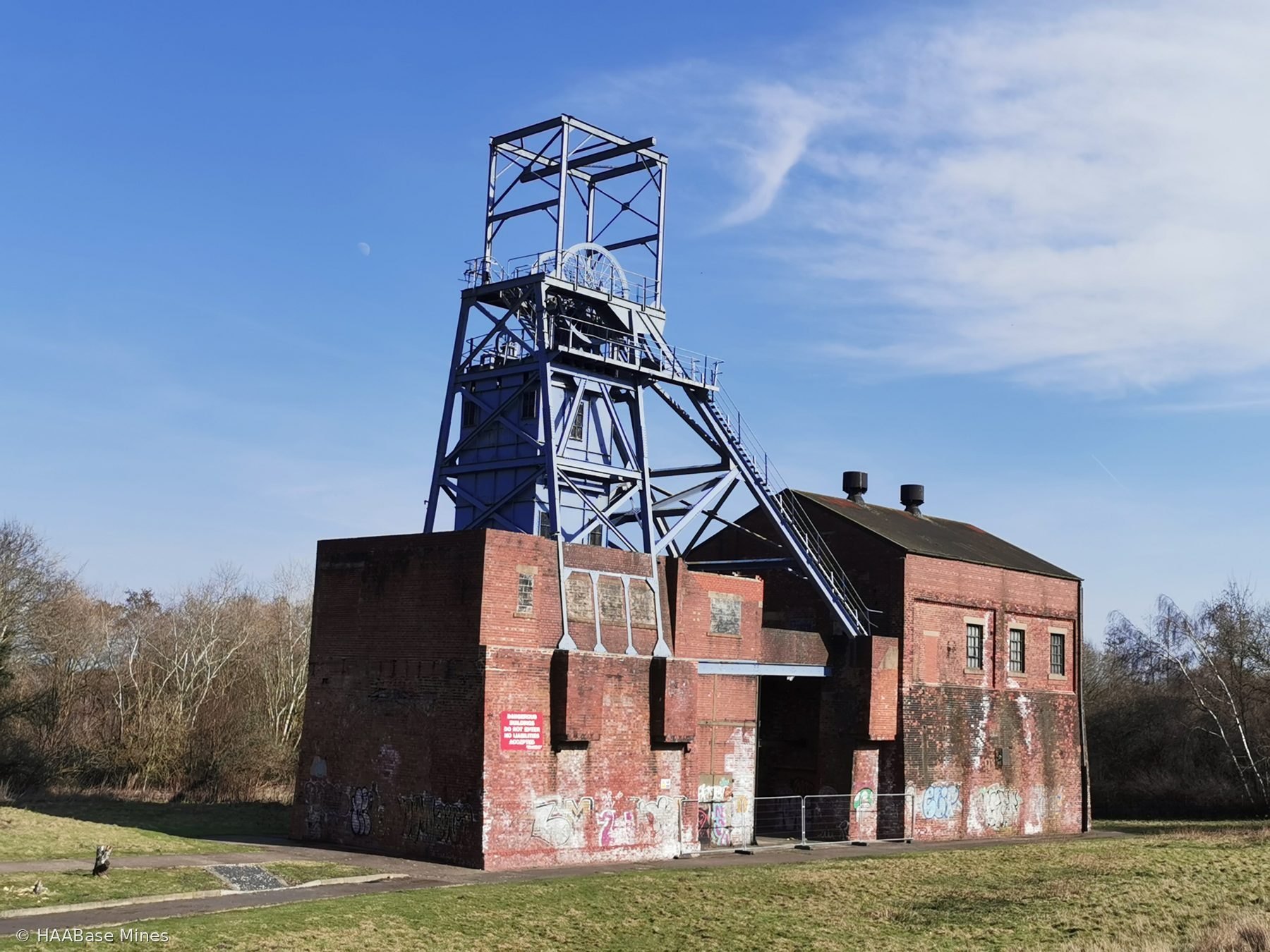
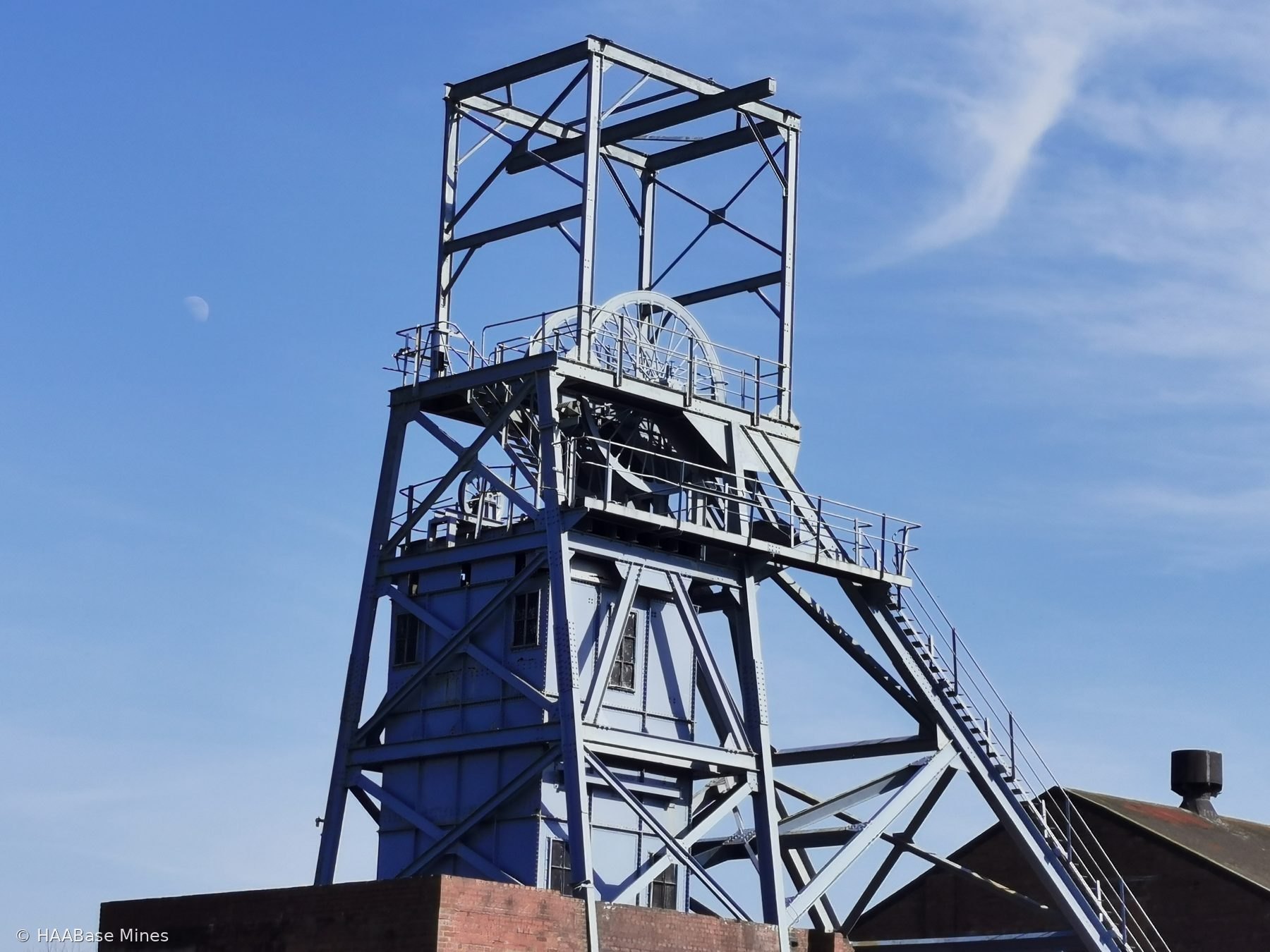
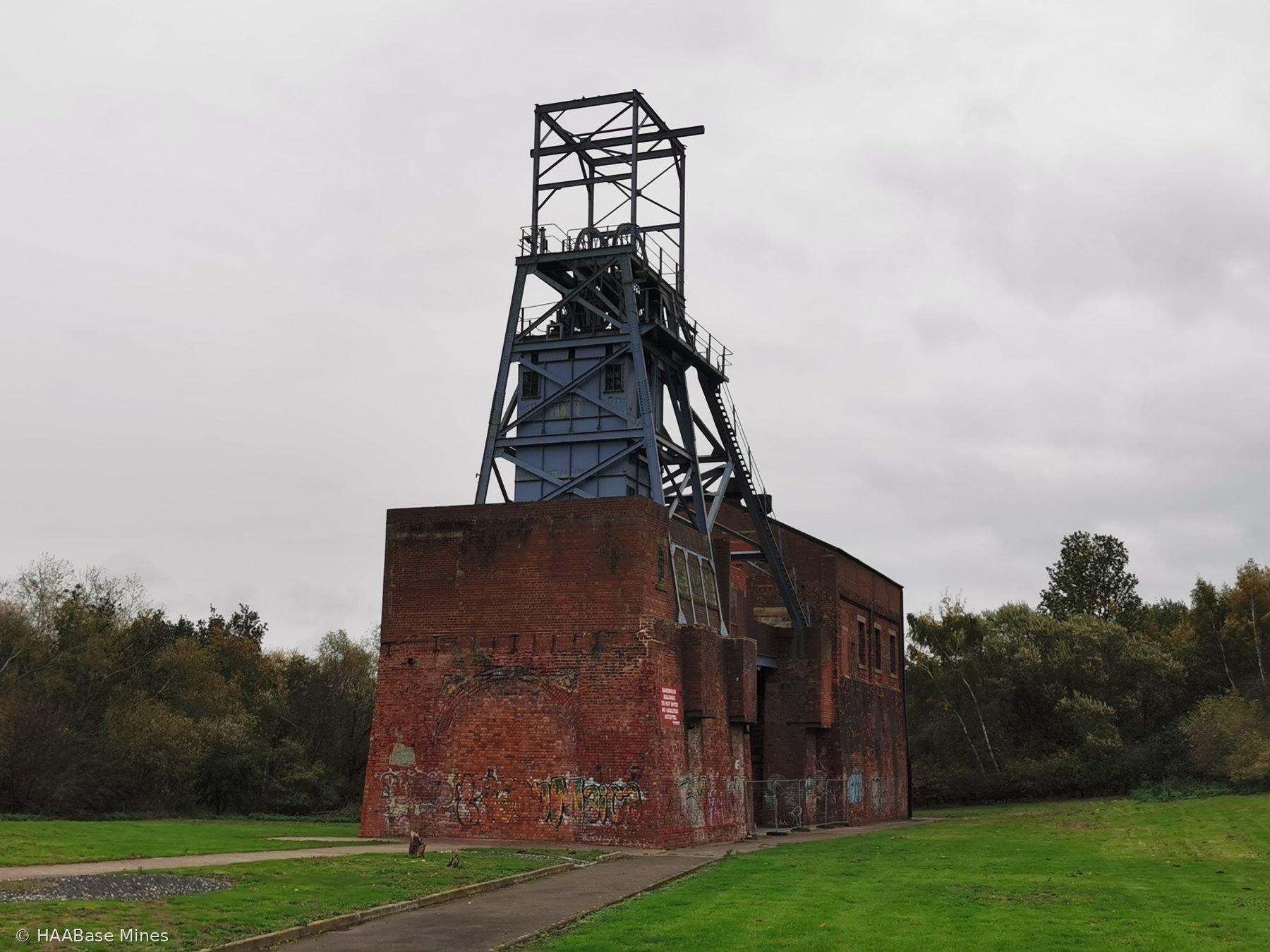
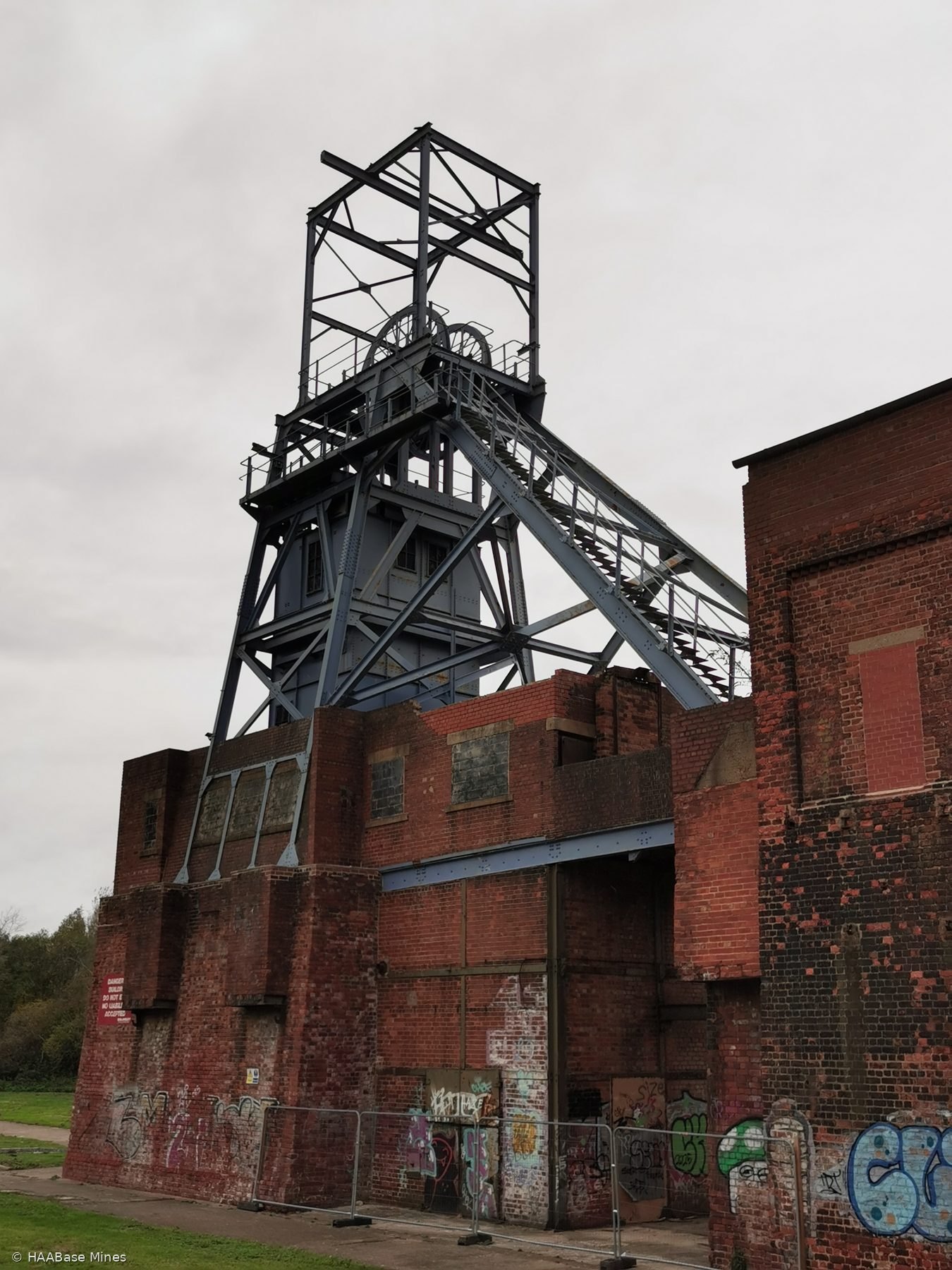
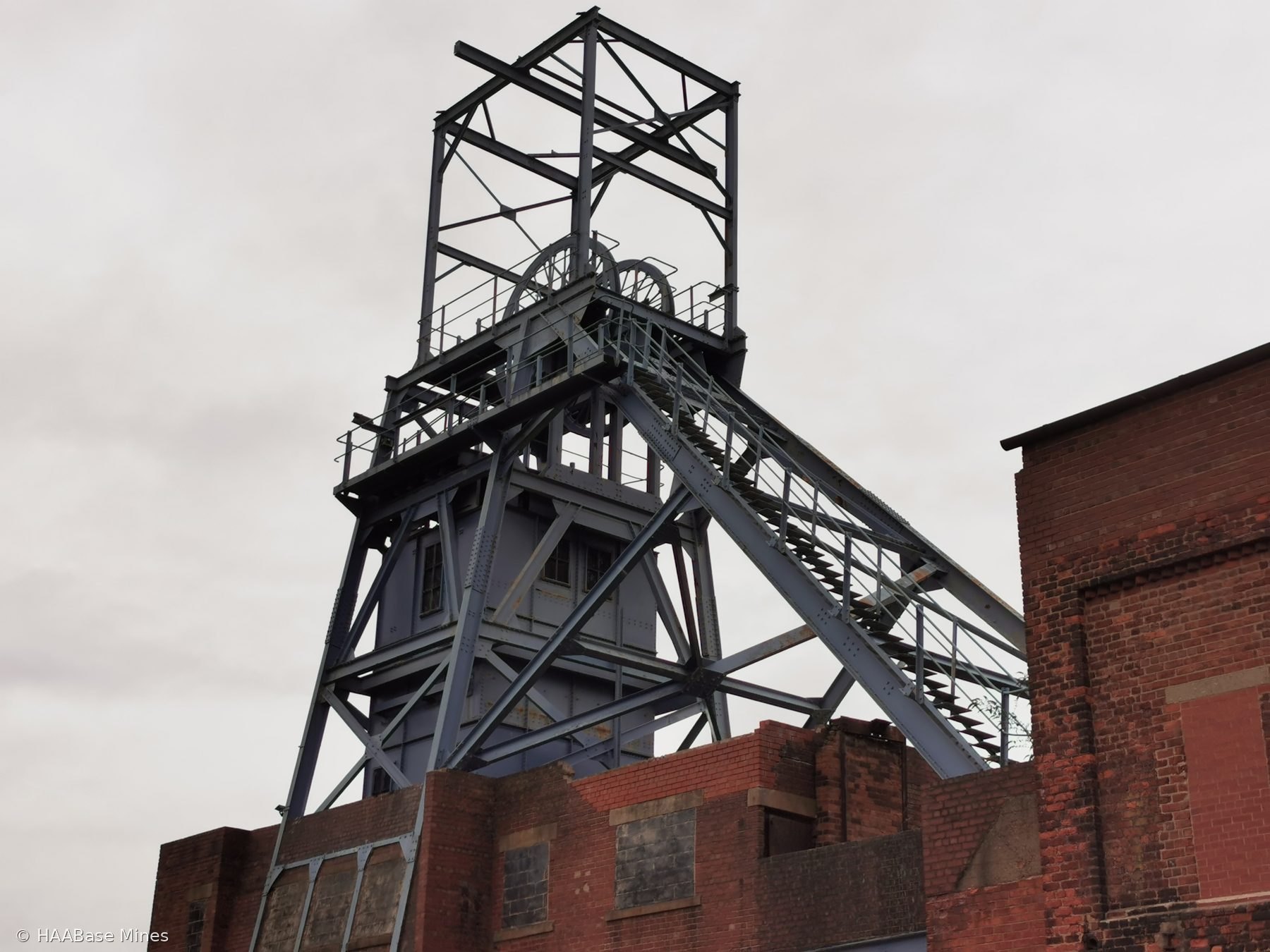
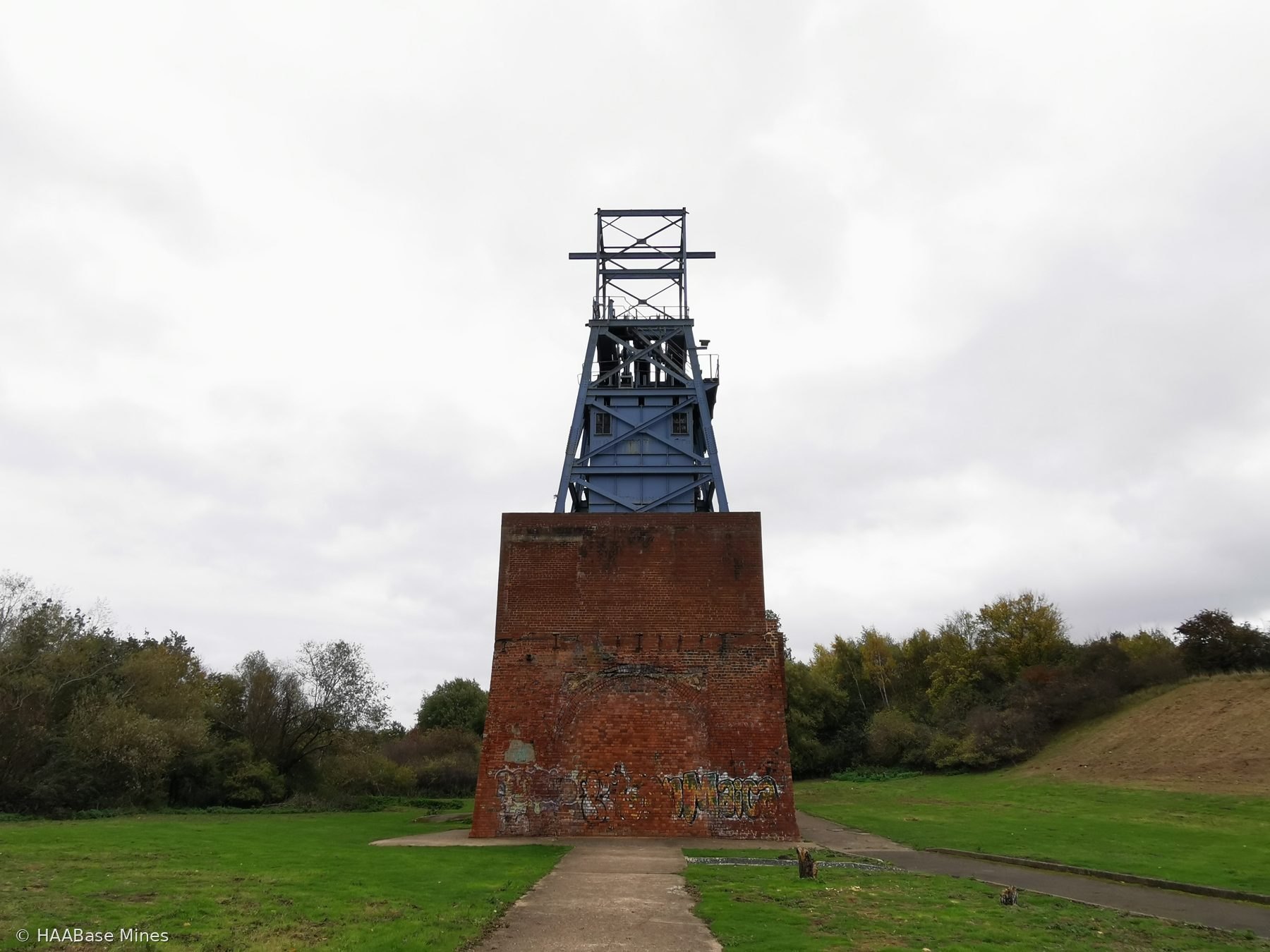
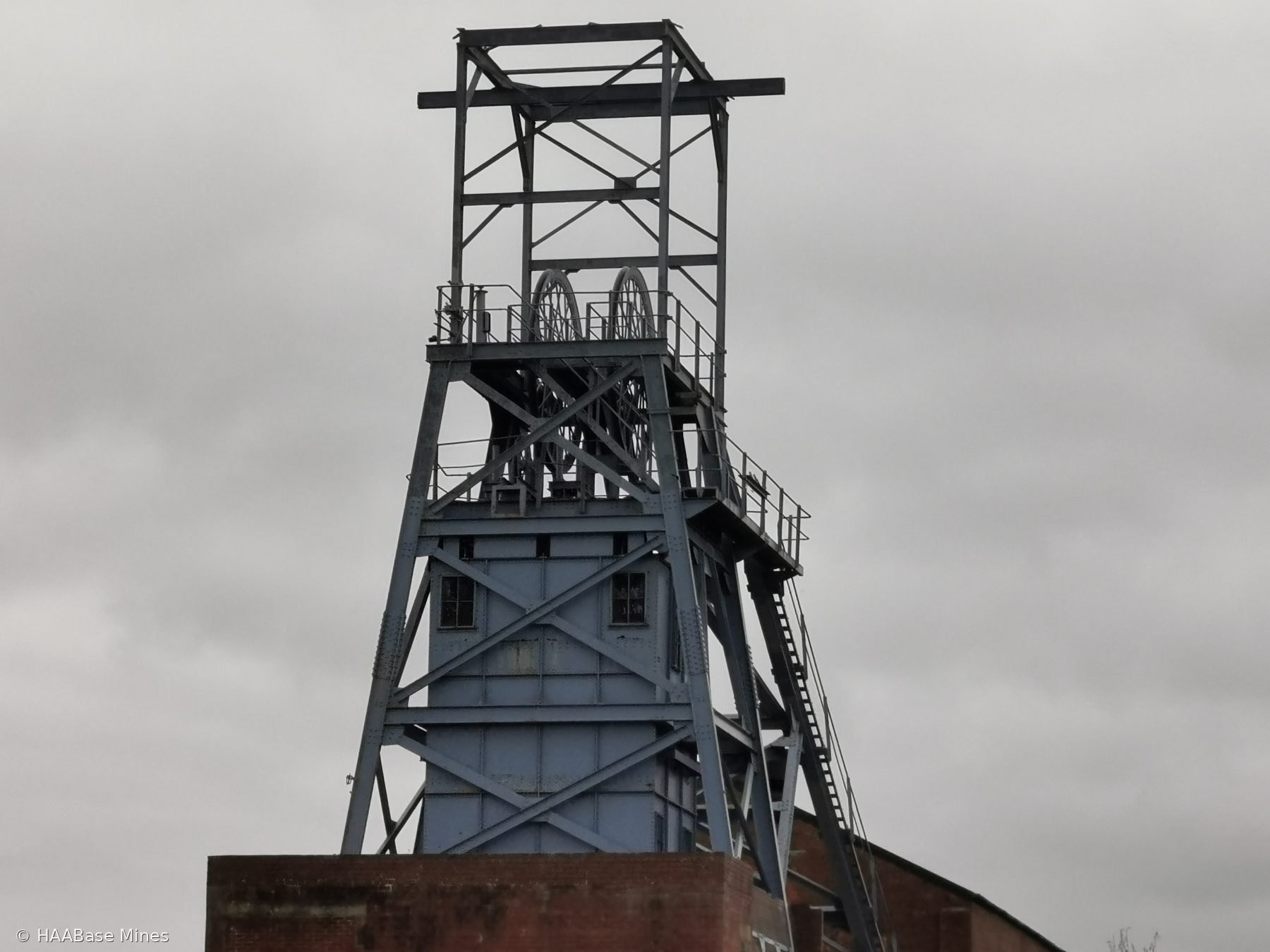
The No. 2 shaft which forms the core of the surviving pithead complex at Barnsley Main appears on an 1892 Ordnance Survey map, at that time without associated buildings and labelled as part of Rylands Main Colliery. The no. 2 downcast shaft was 15 feet in diameter and 512 yards deep; a no. 4 upcast shaft was 15 feet in diameter and sunk to 640 yards. The earliest parts of the winding house and shaft top building surrounding No. 2 shaft appear on a 1906 Ordnance Survey map and the site is identified on that map as Barnsley Main Colliery. The shaft head house contains steel girders manufactured by the Cargo Fleet Iron Company of Middlesbrough. By 1931 Barnsley Main Colliery had expanded further, absorbing Oaks Colliery whose pithead was just to the south-east.
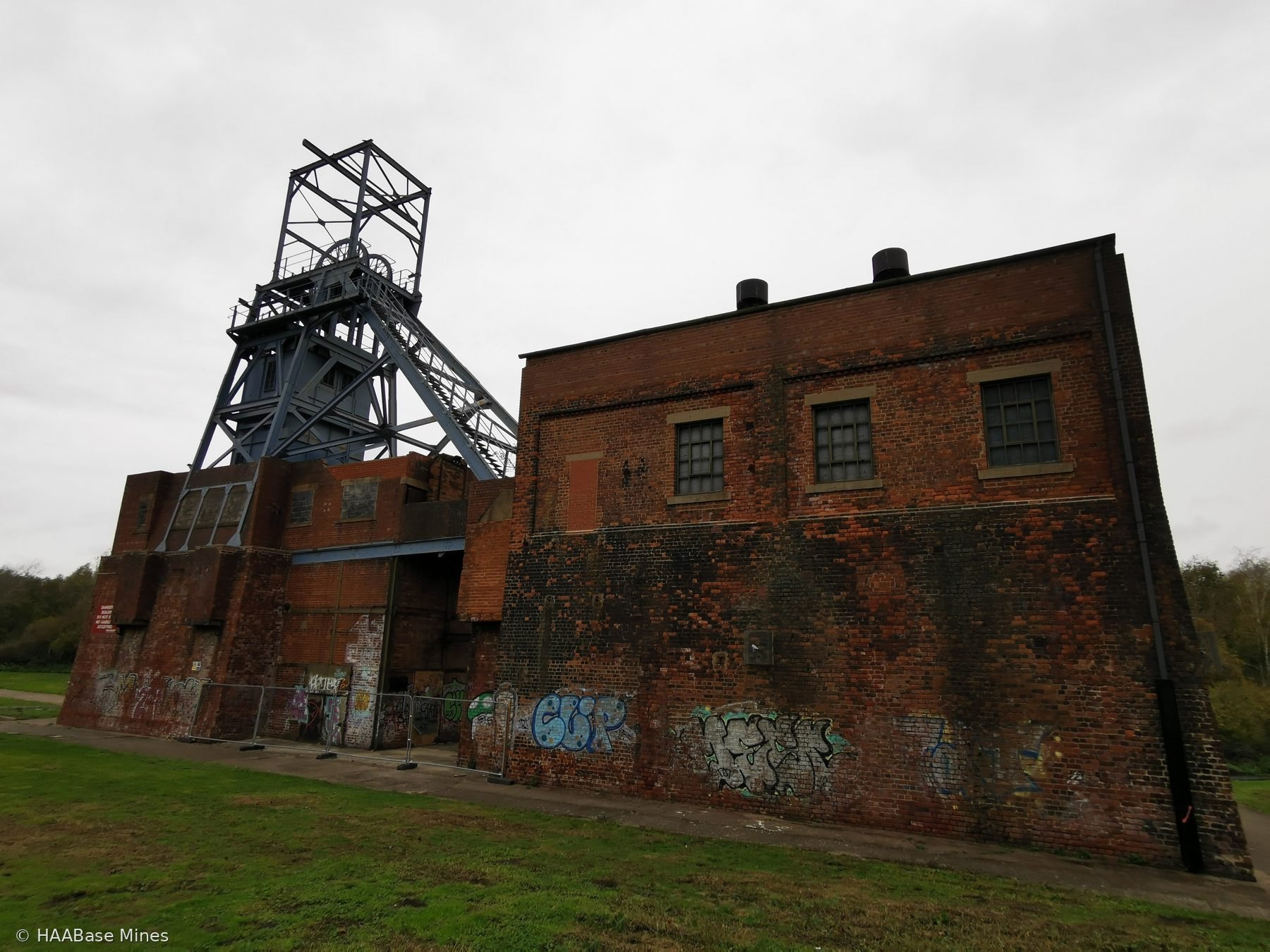
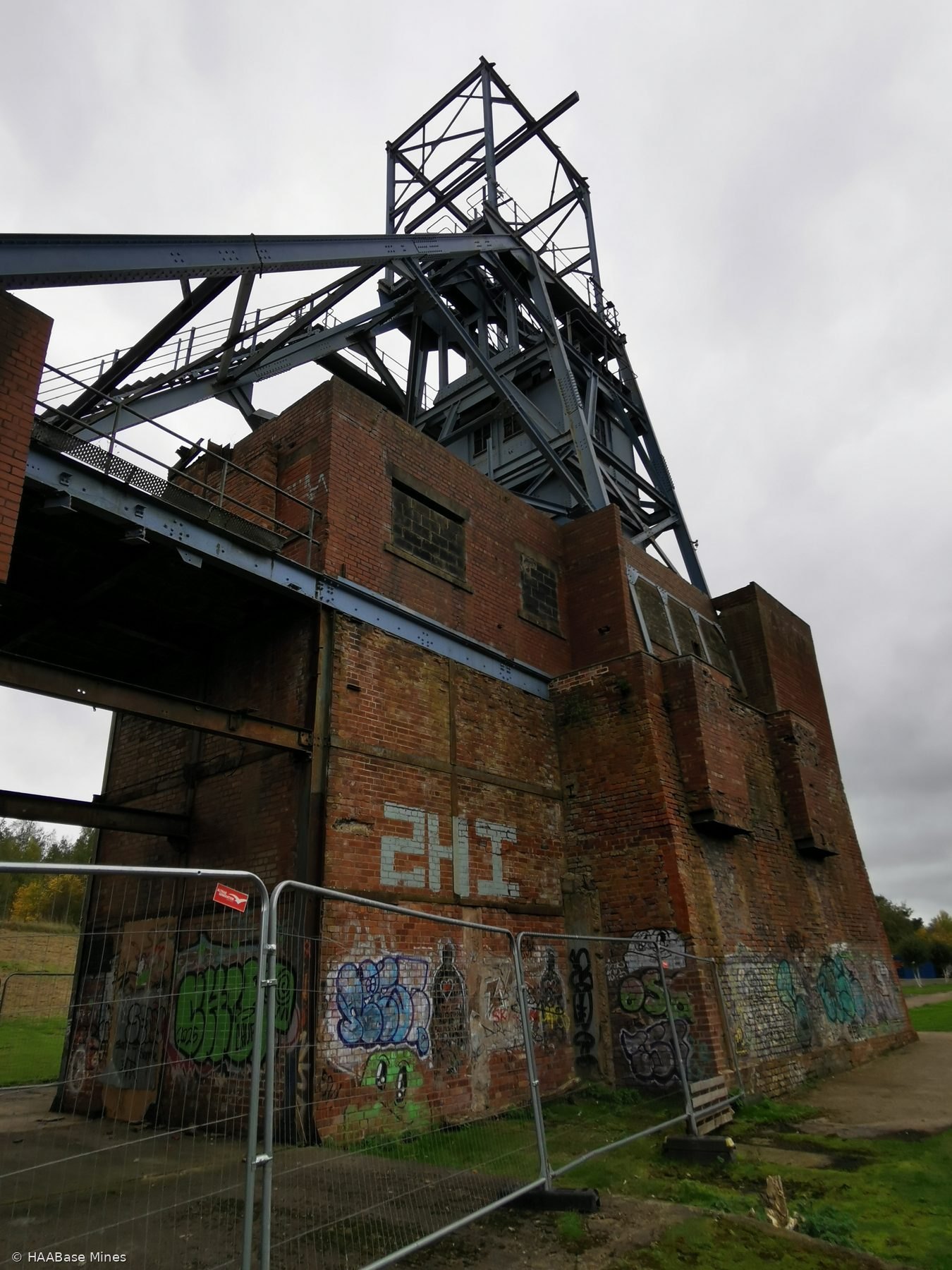
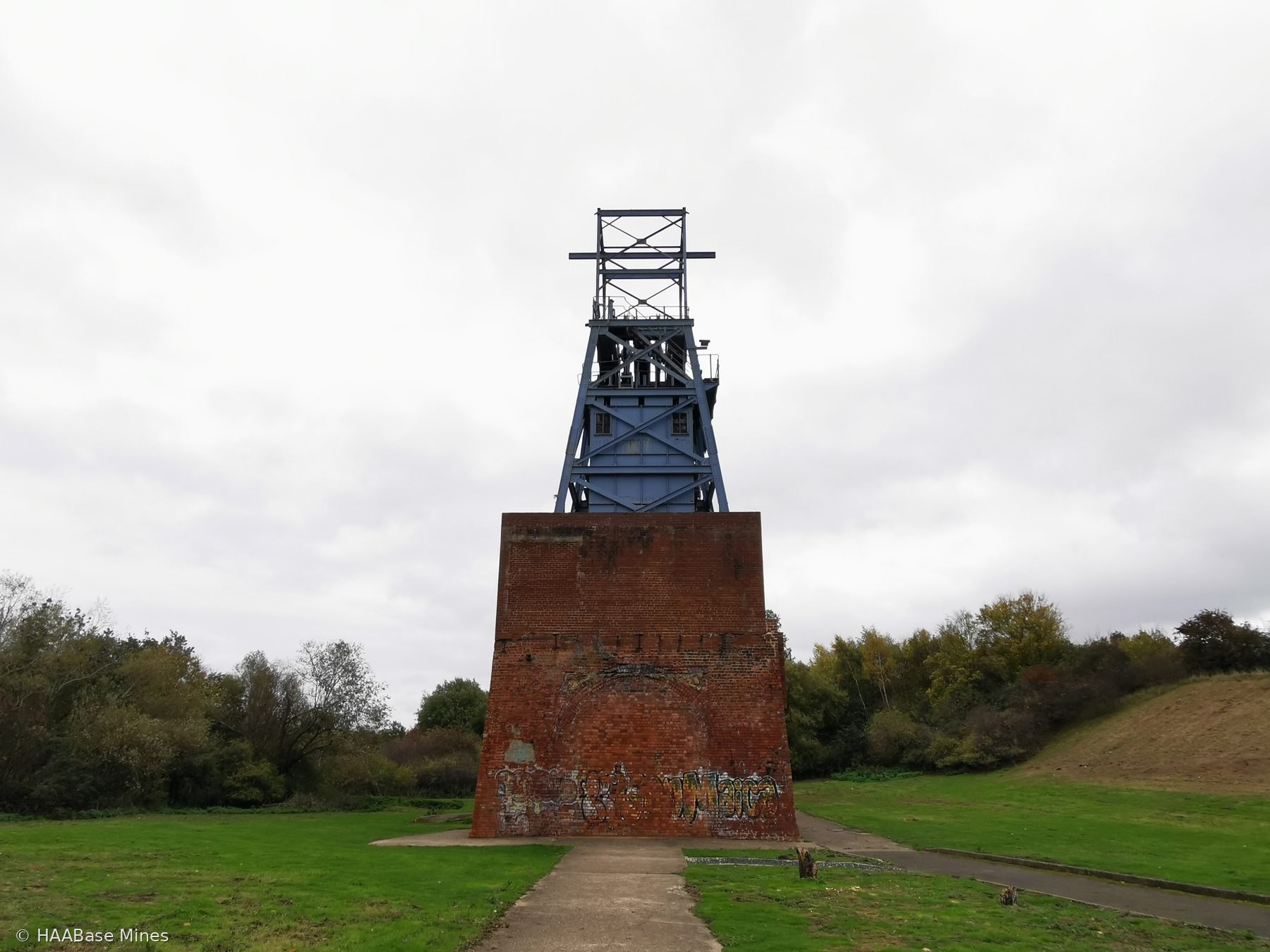
On 7 May 1947 an explosion occurred at Barnsley Main in the Kent's Thick Seam, killing nine men. At that date the colliery was owned by Barrow Barnsley Main Collieries Limited, which had intended to close the colliery before nationalisation; on representations, however, the plan was modified and the Kent's Thick Seam was worked instead. Development had started from the inset in No. 2 downcast shaft on 1 December 1945 and by 1 December 1946 output had reached 1,000 tons a day wound on one shift. Barnsley Main passed to the National Coal Board at nationalisation in 1947; at nationalisation the steel headstock above No. 2 shaft was installed. In 1956 the colliery underwent further modernisation under the National Coal Board, including construction of the upper floor of the engine house, the upper part of the shaft-head building, and installation of a new electric winder; an 1956 date stone is visible in the winding house. The winding engine house and shaft top building were built and modified in stages from the late nineteenth century through to the mid-twentieth century, with the result that the irregular brickwork records these successive phases.
Barnsley Main closed in 1965 following an accelerated pit-closure programme. A £25 million refurbishment scheme saw the reopening of Barnsley Main in the 1970s, with the construction of several new buildings at the pit top. During this period No. 2 shaft was reopened for man-riding, with miners descending at Barnsley Main and coal being brought to the surface at Barrow Colliery to the south. Production ceased definitively at Barnsley Main in 1991, after which the site was cleared and generally landscaped. No. 2 shaft with its headstocks and winding engine house were retained and passed into the ownership of the local authority.
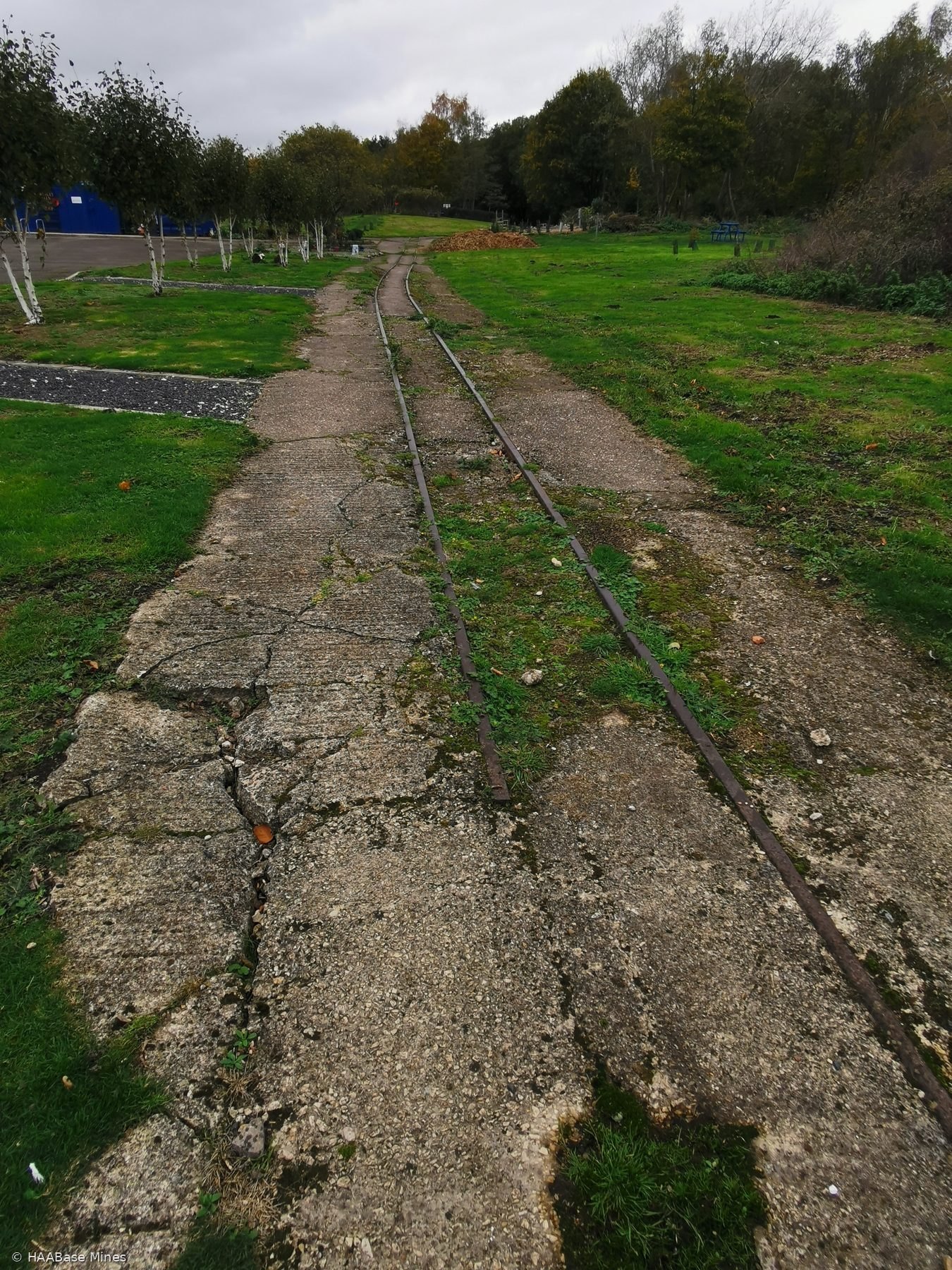
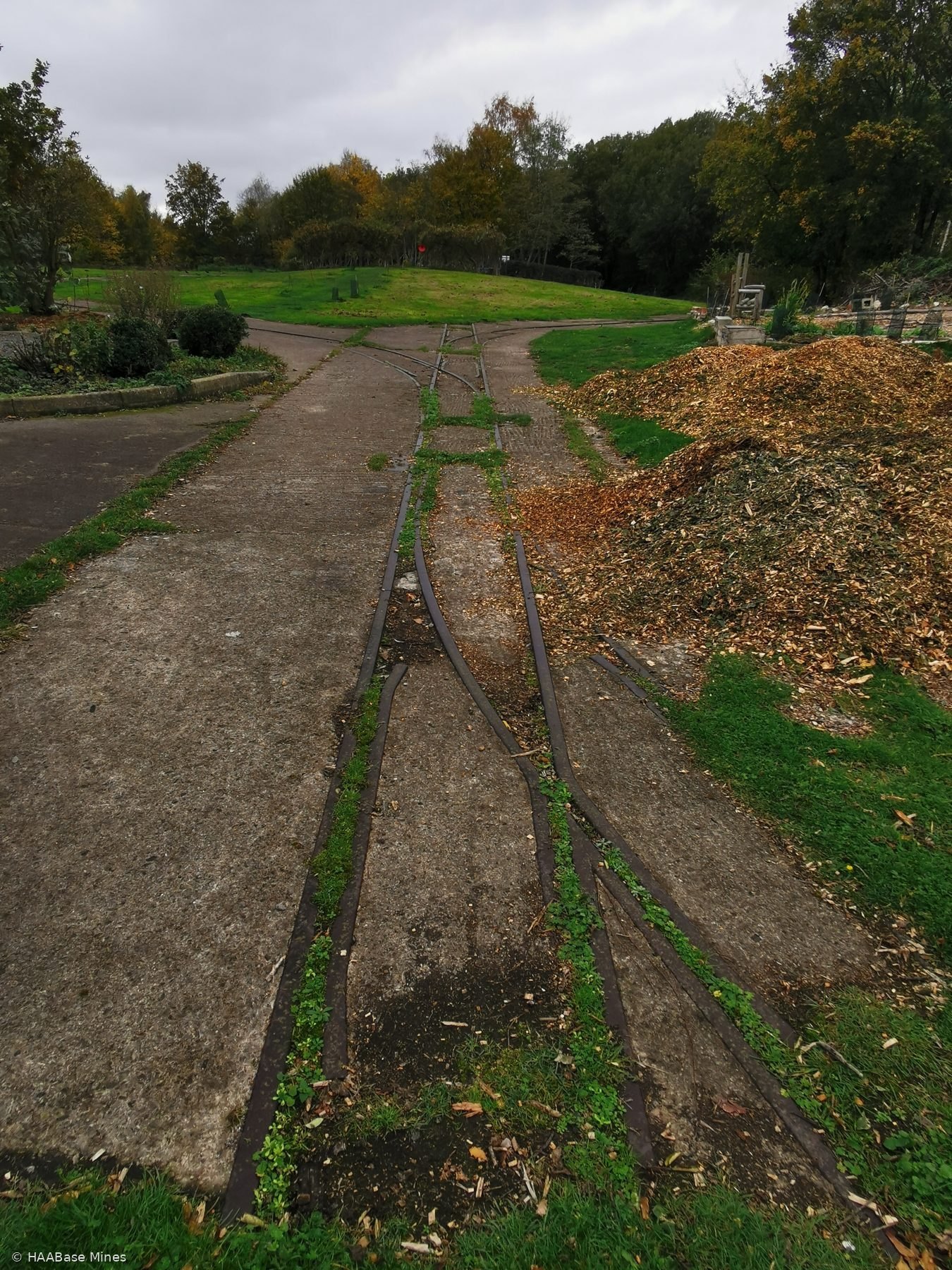
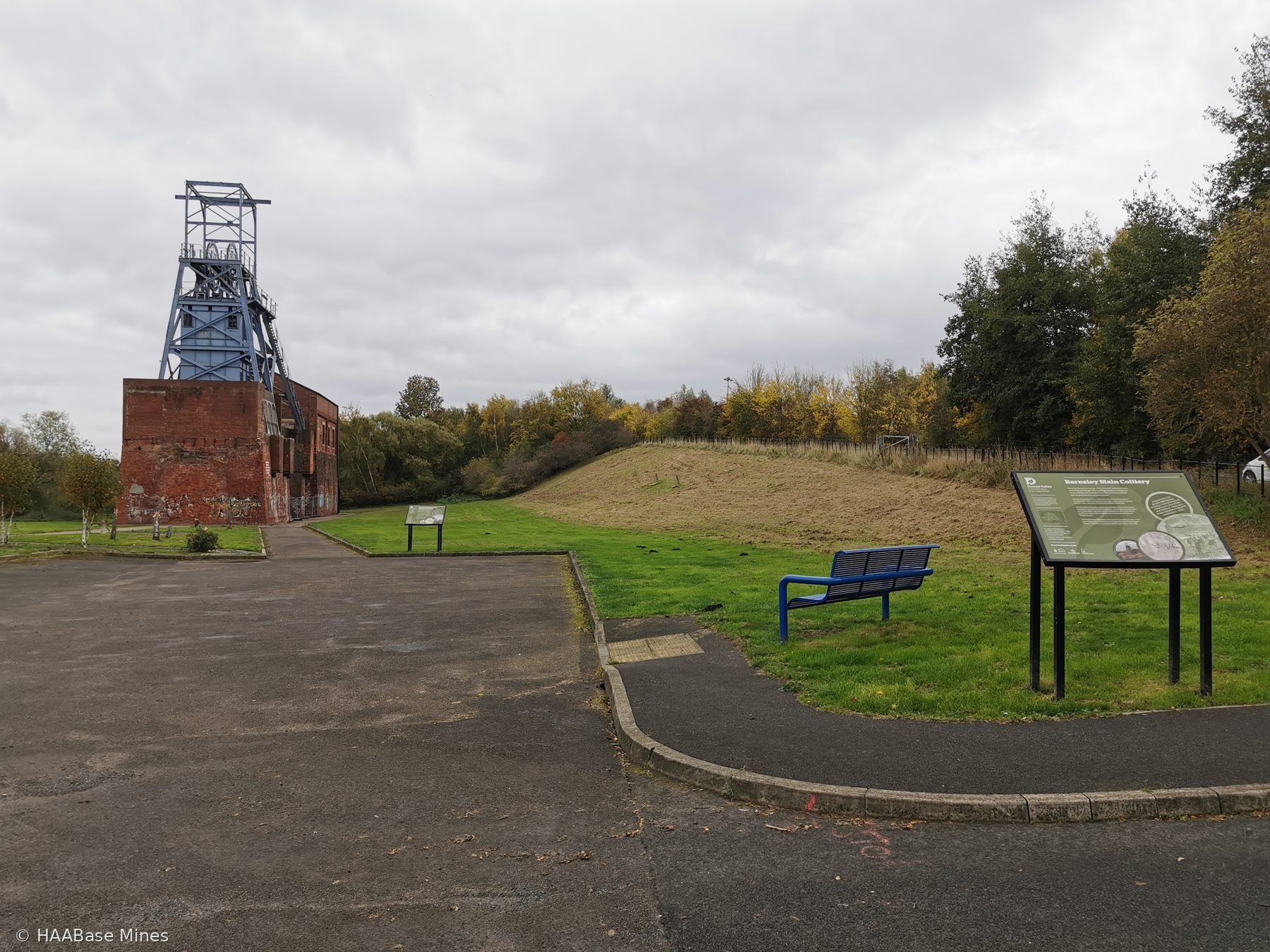
The surviving winding engine house and pithead structures, dating from circa 1900 with major modifications in 1956, are Grade II listed buildings (Historic England list entry 1413541). They are identified as a rare survival of winding-shaft structures modernised in the 1950s by the National Coal Board, and their presence preserves a historical connection to the Oaks Colliery disaster. Mineral railway track remains visible in the concrete courtyard. The site is accessible on foot and is maintained with the involvement of a volunteer group, the Barnsley Main Heritage Group, who open the car park and a pop-up museum on limited days.