—
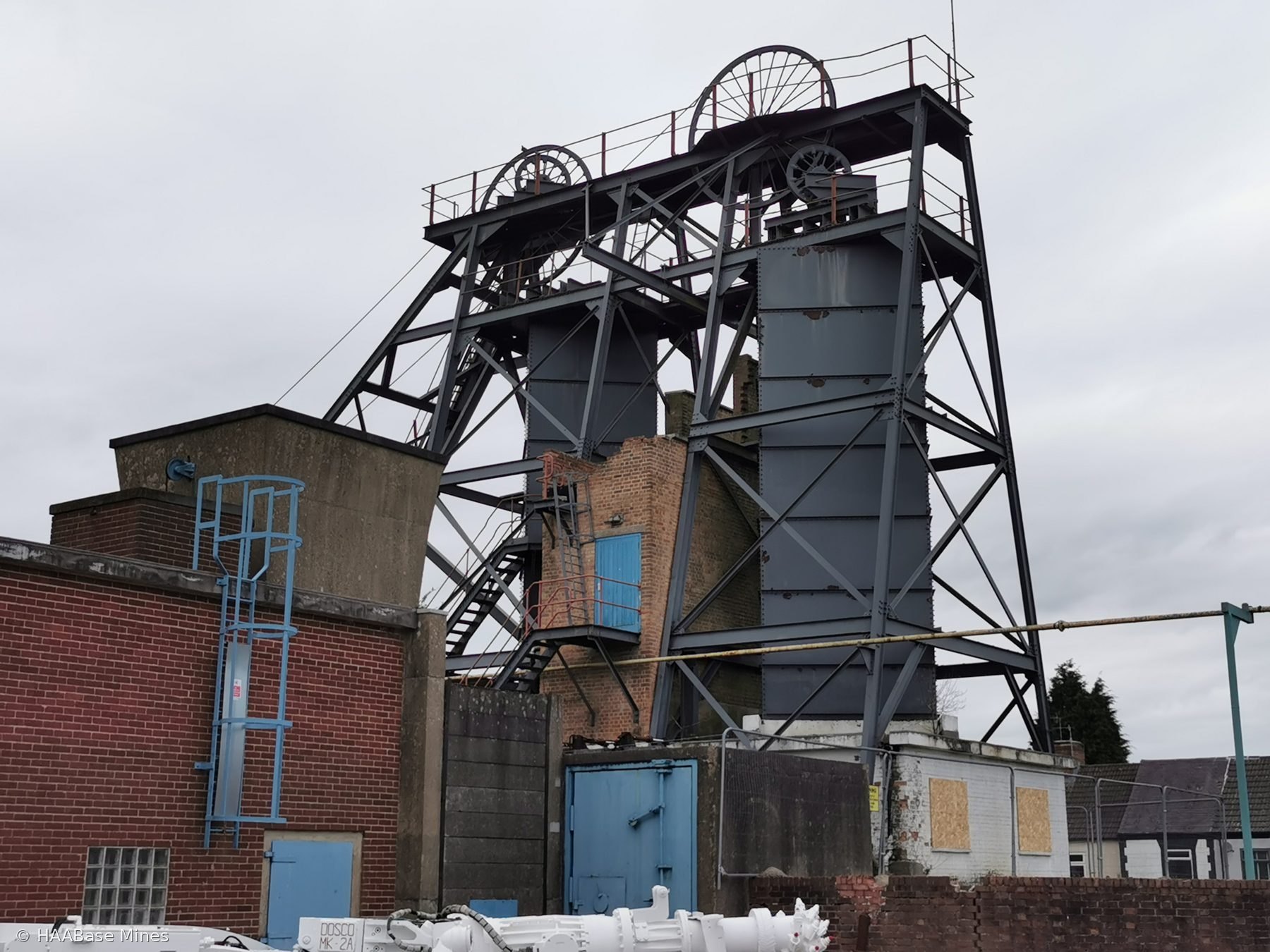
Wooden headstocks replaced with steel
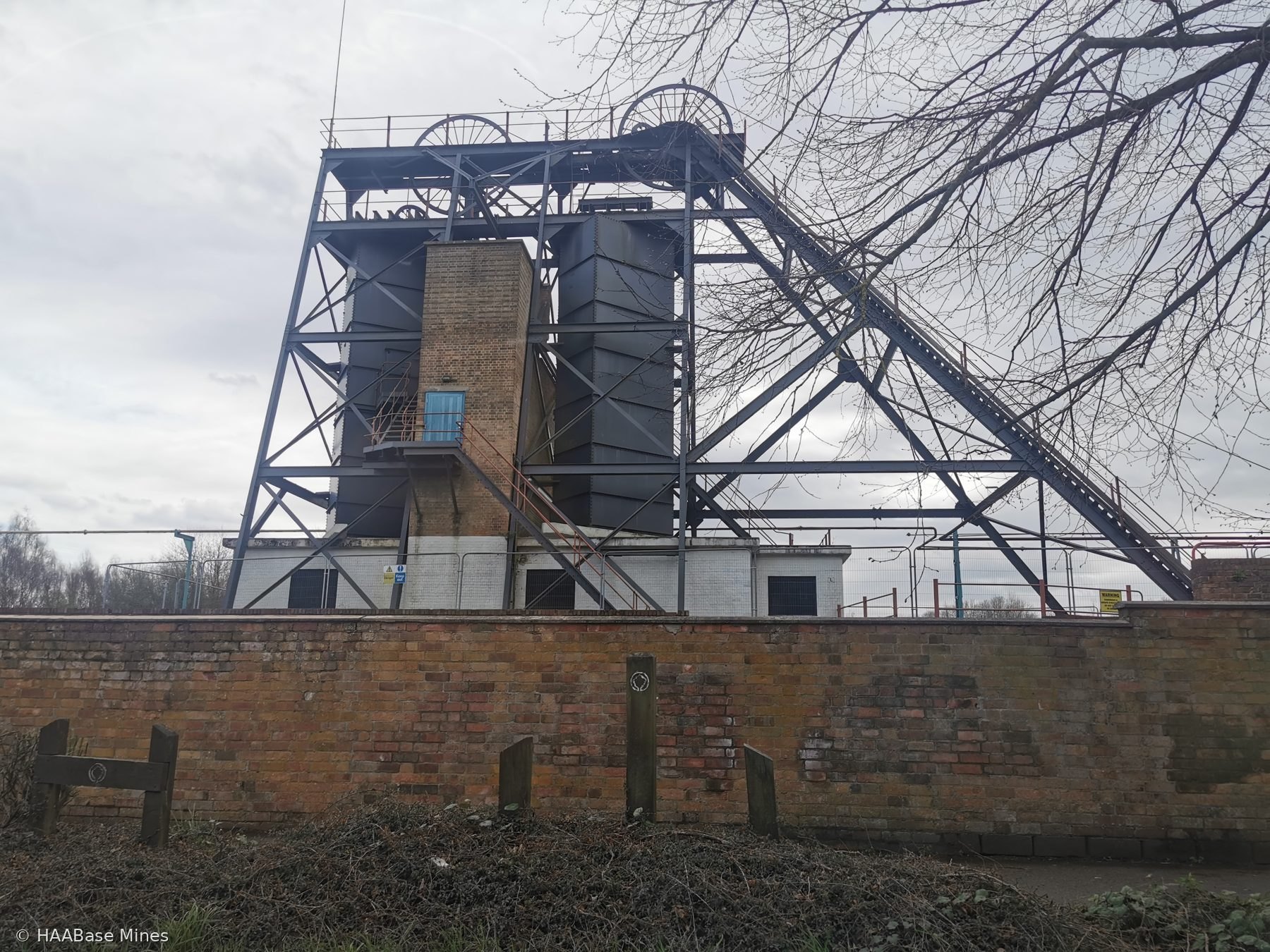
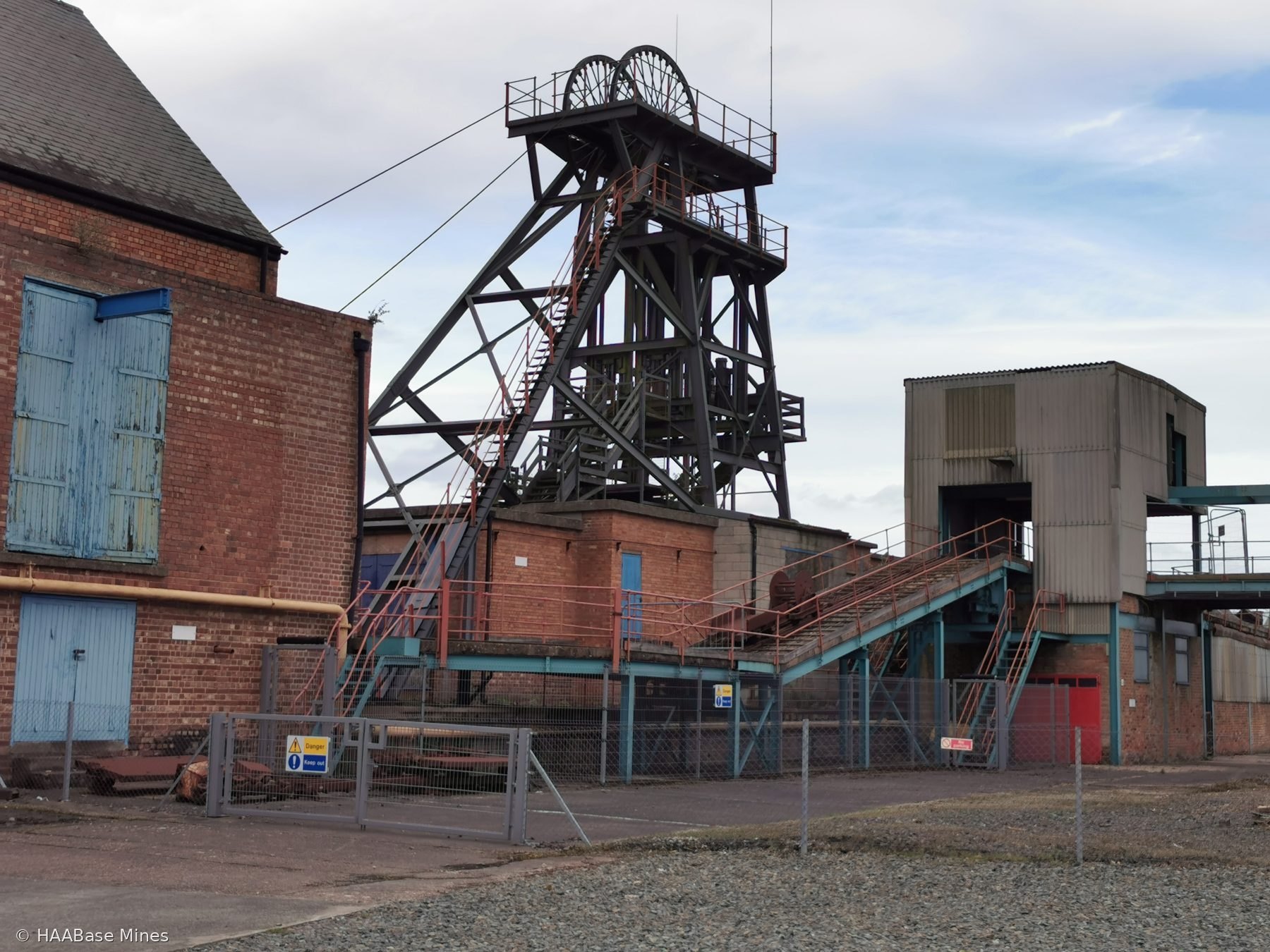
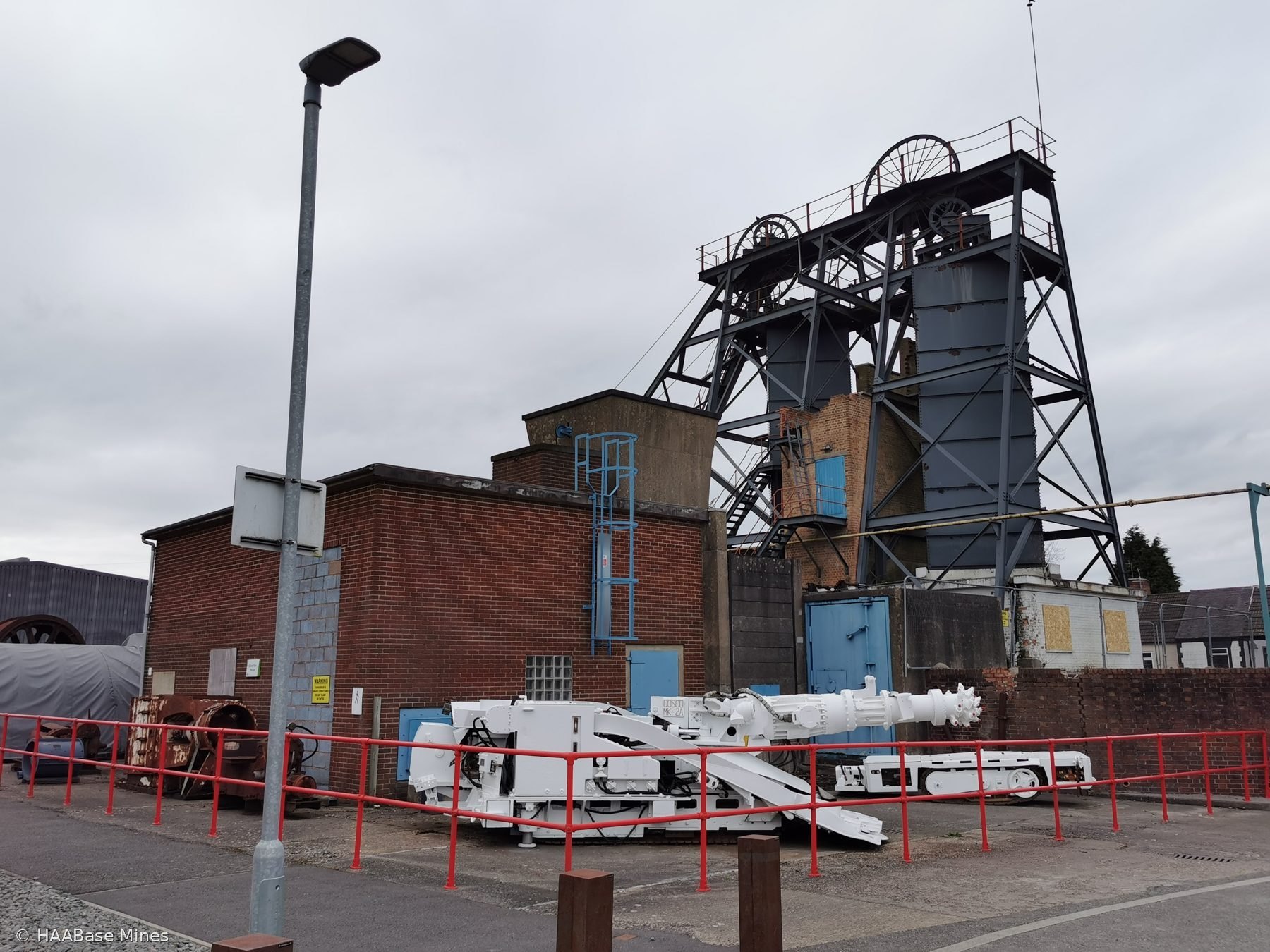
The original wooden tandem headstocks over Nos. 1 and 2 shafts were replaced by steel headstocks in the 1940s.
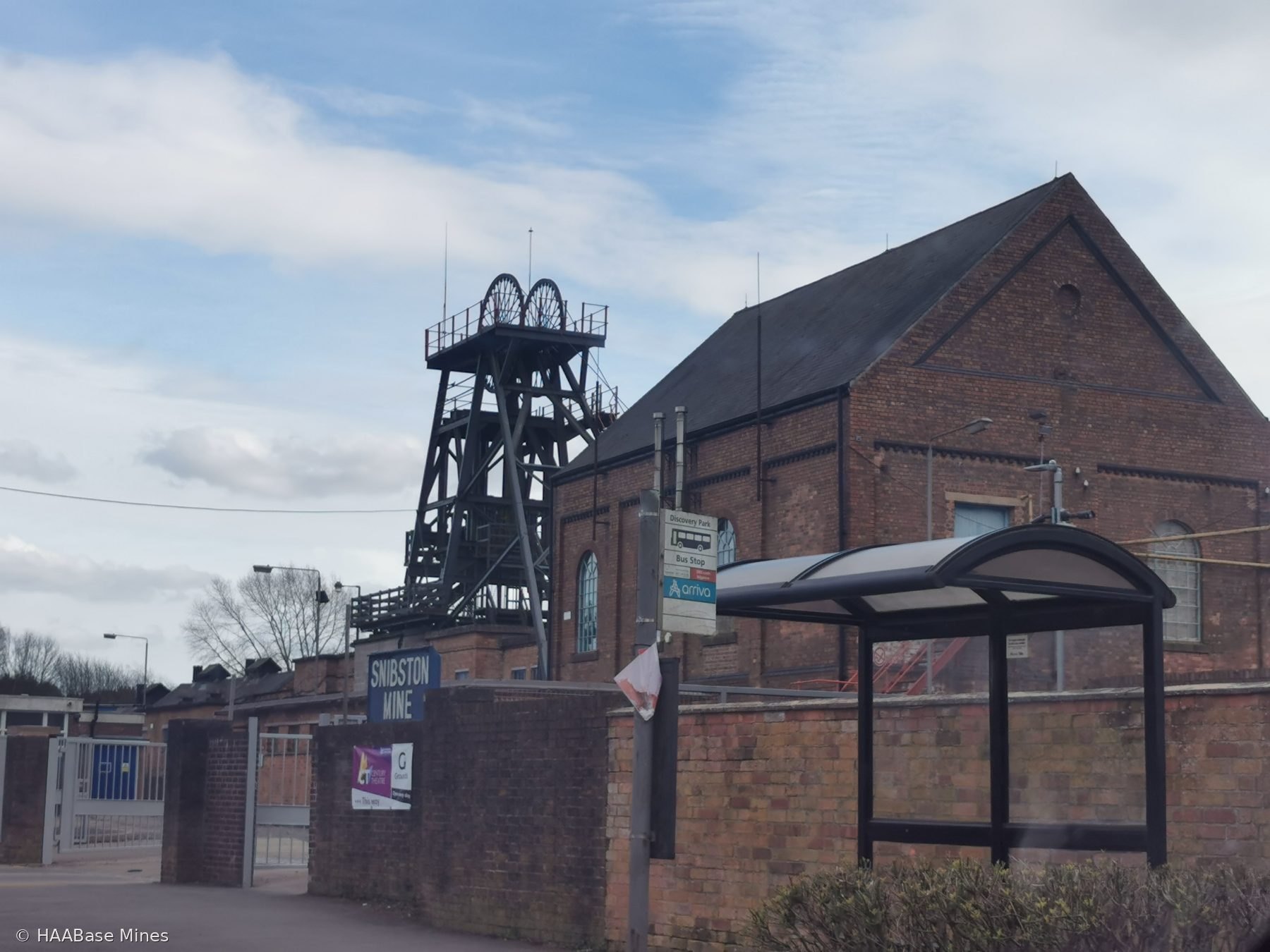
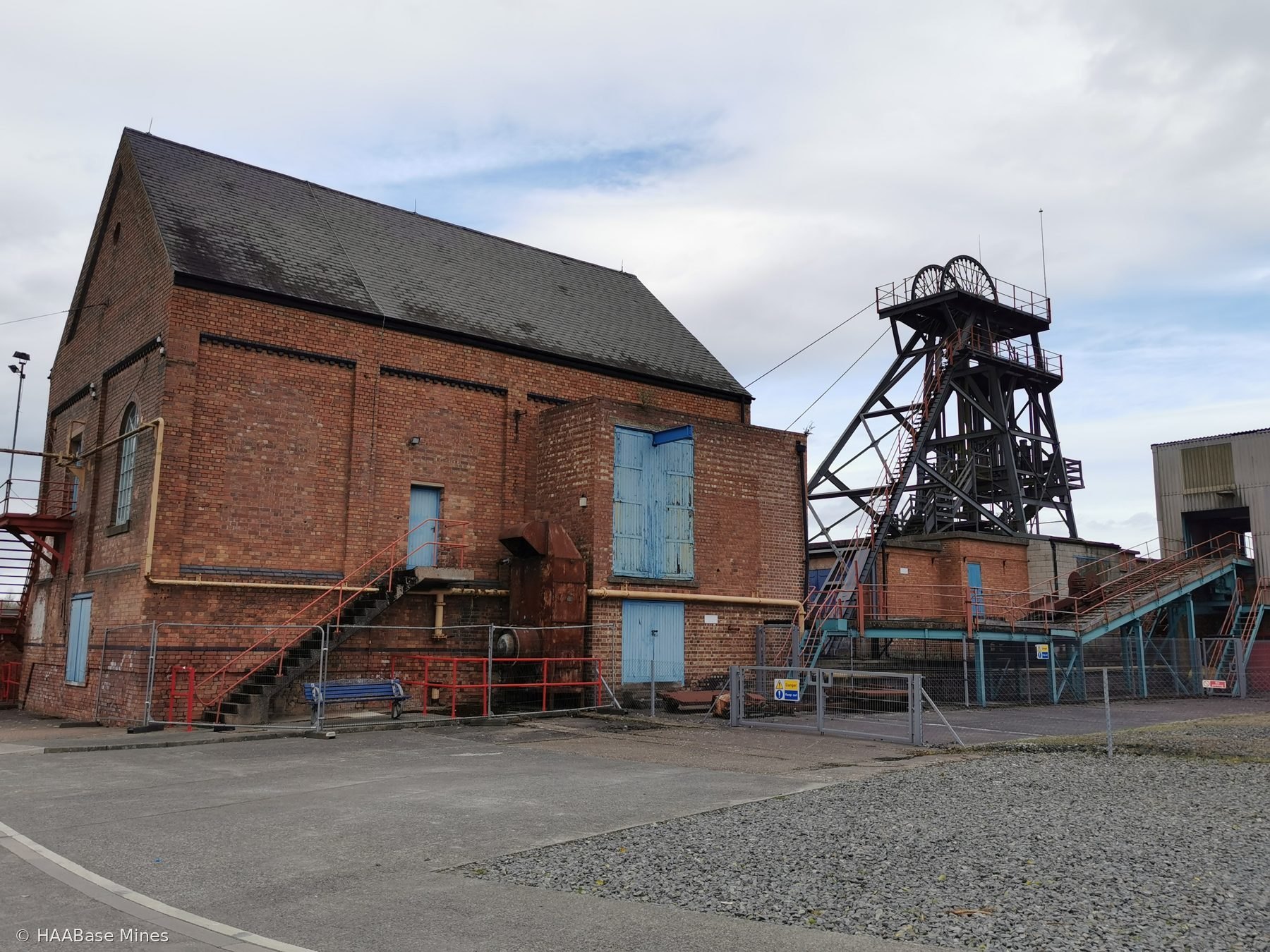
Surviving scheduled ancient monument colliery headstocks and historic buildings from an 1831 Stephenson colliery, now within Snibston Colliery Park with café, nature reserve, and heritage tours.
Snibston Colliery was established from 1831 by George and Robert Stephenson near what would become Coalville in north-west Leicestershire, while the two engineers were engaged in building the Leicester and Swannington Railway. Snibston Colliery No. 2, the principal surviving shaft, produced coal continuously from 1833 to 1983, one of the longest production runs of any British colliery. Three shafts were sunk to the Middle Lount seam at a depth of 195 metres; a fourth, the Stephenson Shaft, was added in 1913–1915.
The colliery worked numerous seams over its life, achieving record output of 544,958 tons in 1965–66, and from 1964 acted as the surface point for coal brought up from two neighbouring collieries. Coal production at Snibston ceased in December 1983; coal from South Leicester and Whitwick collieries continued to reach the surface via the Snibston drift until final closure of those collieries in July 1986. The site was purchased by Leicestershire County Council in 1985.
The Snibston Discovery Museum opened in 1992 on the site, closing in 2015. The colliery headstocks and historic buildings are designated scheduled ancient monuments. Snibston Colliery Park, incorporating the preserved buildings, a country park, café, and nature reserve, reopened in 2020.
Snibston Colliery takes its name from the area of Snibston in north-west Leicestershire, a district transformed by coal mining from the early 1830s. Mining in the broader area had ancient roots, with coal worked from the exposed seams in the Swannington and Coleorton districts since at least the thirteenth century, and evidence of medieval shaft mining found near Coleorton.
In 1828 the mine engineer William Stenson invited George Stephenson to build a railway to connect the mines of the area with Leicester. The Leicester and Swannington Railway, one of the earliest steam railways in the world and the first public railway in the Midlands, was built by Robert Stephenson as engineer. While engaged in this construction, the Stephensons — then resident at Alton Grange on the south side of the road to Ashby de la Zouch — identified a good prospect for a new colliery on land north of the Long Lane (Coalville) to Ashby road. Joseph Sanders and Charles Binns were also involved in the original development.
Snibston Colliery No. 1 was commenced in 1831 on the north side of the Leicester and Swannington Railway near what was becoming Coalville. Sinking proved difficult: at the top of the shafts 157 feet of Triassic rocks were cut through, yielding considerable amounts of water. The colliery was one of the first to use cast iron tubbing in the shaft to hold back strata water. Snibston Colliery No. 2 was located approximately half a mile to the west of No. 1, on land originally owned by Leonard Fosbrooke; after Fosbrooke's death the Stephensons purchased the land and completed the colliery, also building cottages for the miners. Snibston Colliery No. 2 began producing coal in 1833 and is the colliery whose surviving structures are preserved today.
A colliery railway connecting the colliery to the Leicester and Swannington Railway was constructed by Robert Stephenson between 1833 and 1836, built to carry coal rather than passengers, and incorporating a novel lifting bridge to cross a canal without building long inclines or a high embankment. The original tandem headstocks over Nos. 1 and 2 shafts were of wooden construction, later replaced by steel in the 1940s.
A fourth shaft, the Stephenson Shaft, named in memory of the colliery's founder, was sunk from 1913 to 1915. Seams worked during the operational life of the colliery included the Roaster seam (worked until 1885), the Upper Main, Yard seam, Middle Lount seam, Nether Lount seam, Smoile, New Main, and Lower Main. The colliery was bought by the South Leicestershire Colliery Company in 1885. At nationalisation in 1947 Snibston initially became part of the National Coal Board East Midlands Division No. 8 Area, moving into the amalgamated No. 7 Area a year later; in 1967 it went into the NCB South Midlands Area following a further reorganisation. Electric winding was introduced at Nos. 2 and 3 shafts in 1959 and at the Stephenson Shaft in 1964.
In the 1961 to 1963 period a 925-yard surface drift was driven at a 1 in 4 incline as part of a major colliery reorganisation. From 1964 underground connections were made with nearby New Lount Colliery (which closed in 1968) and South Leicester Colliery (which closed in 1986), and from that year all output from those collieries surfaced at Snibston for preparation. In 1969 an underground connection was made with nearby Whitwick Colliery, which also closed in 1986. Record annual output of 544,958 tons was achieved in 1965–66.
Coal production at Snibston Colliery finished in December 1983 after 151 years of continuous production. Coal from South Leicester and Whitwick collieries continued to be brought to the surface via the Snibston surface drift until both of those collieries closed in July 1986, at which point all activity at the Snibston surface ceased.
The site was purchased by Leicestershire County Council in 1985 with the aim of preserving the most important buildings and creating a new museum and recreational area. Many of the historic mining buildings were recognised as rare survivals. The Snibston Discovery Museum, a joint discovery centre, interactive science museum, and country park incorporating surface colliery heritage tours, opened in 1992. A section of the colliery railway from the mine to the centre of Coalville, which had been partially dismantled after closure, was restored between 1998 and 2001. The colliery headstocks were designated as ancient monuments by English Heritage in 1998. The Snibston Discovery Museum closed on 31 July 2015 following a decision by Leicestershire County Council that it could not sustain the running costs; the main museum hall was demolished in March to April 2016. The scheduled ancient monument buildings and headstocks were unaffected by the closure and demolition of the museum. Snibston Colliery Park, incorporating the preserved colliery buildings, a country park, café, nature reserve, and mountain bike trail, opened in late 2020. Guided surface tours of the colliery site recommenced in 2022, organised by the Snibston Heritage Trust.