Site overview

Caphouse Colliery, originally known as Overton Colliery, was a coal mine situated on the Denby Grange estate near Wakefield, West Yorkshire, worked from at least the 1770s until 1985. The Flockton Thick Seam was mined as early as 1793. The site expanded significantly under the Lister Kaye family from 1827, with Hope Pit sunk in that year and the Blossom Pit following by 1840.

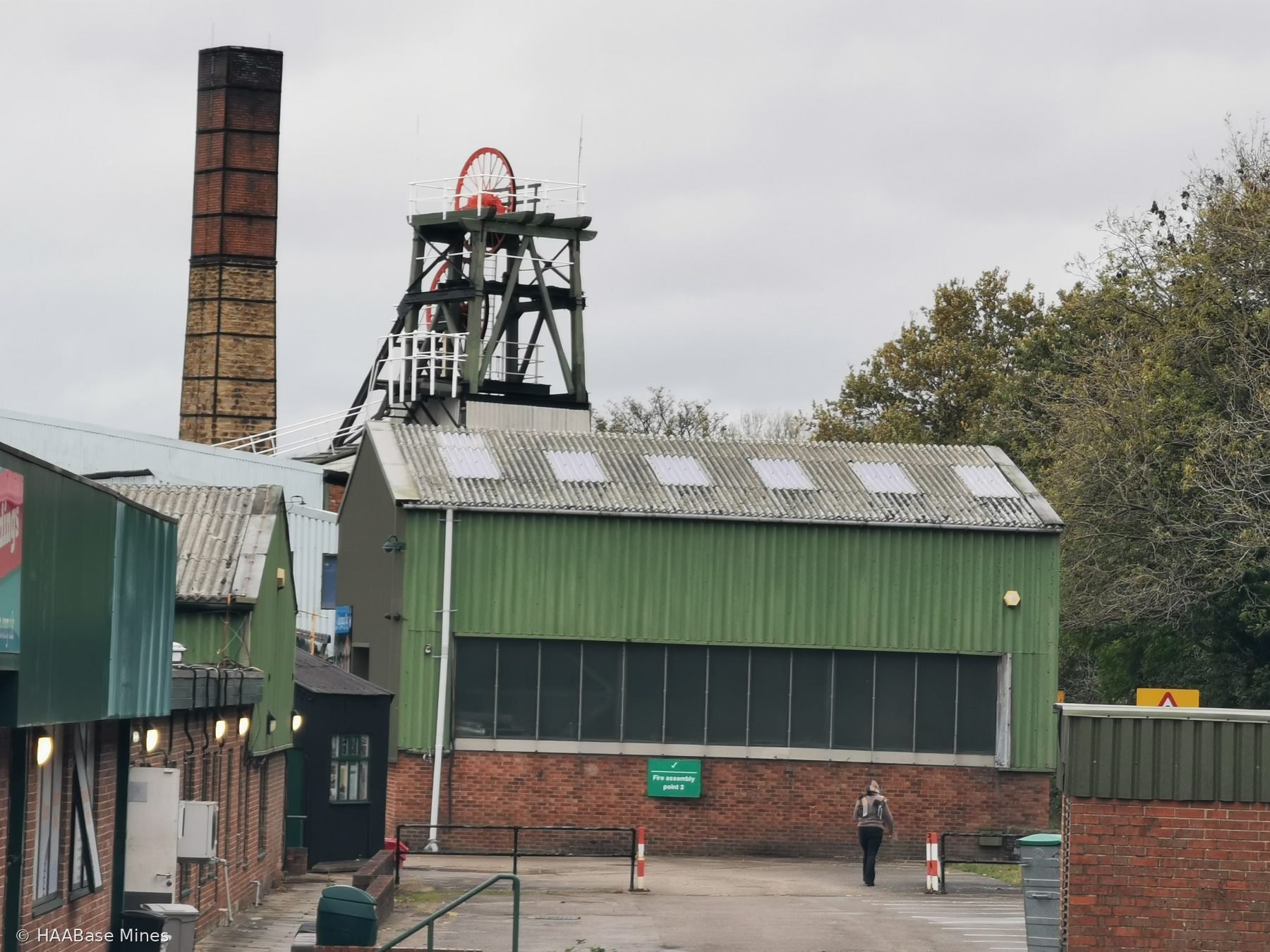
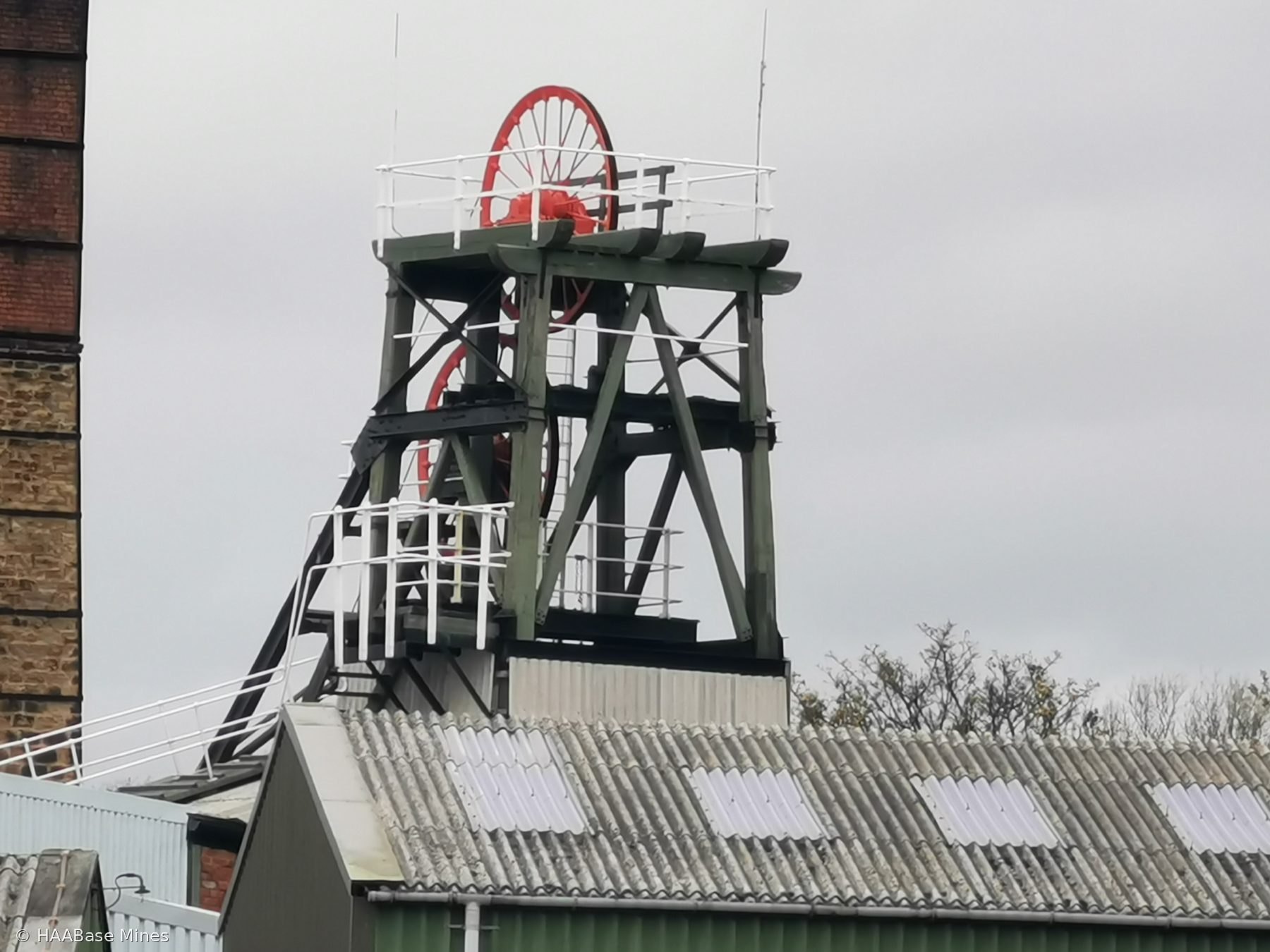
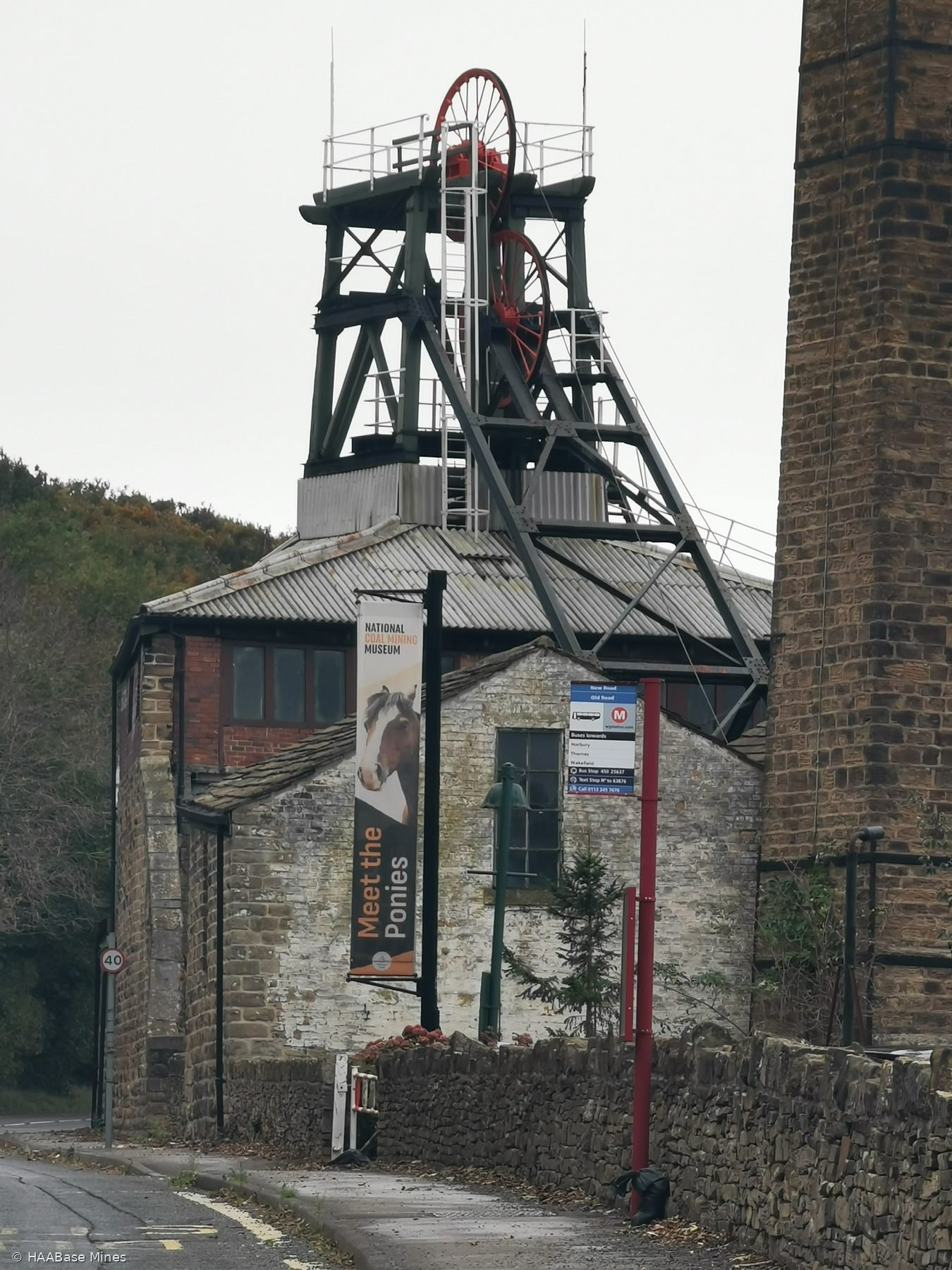
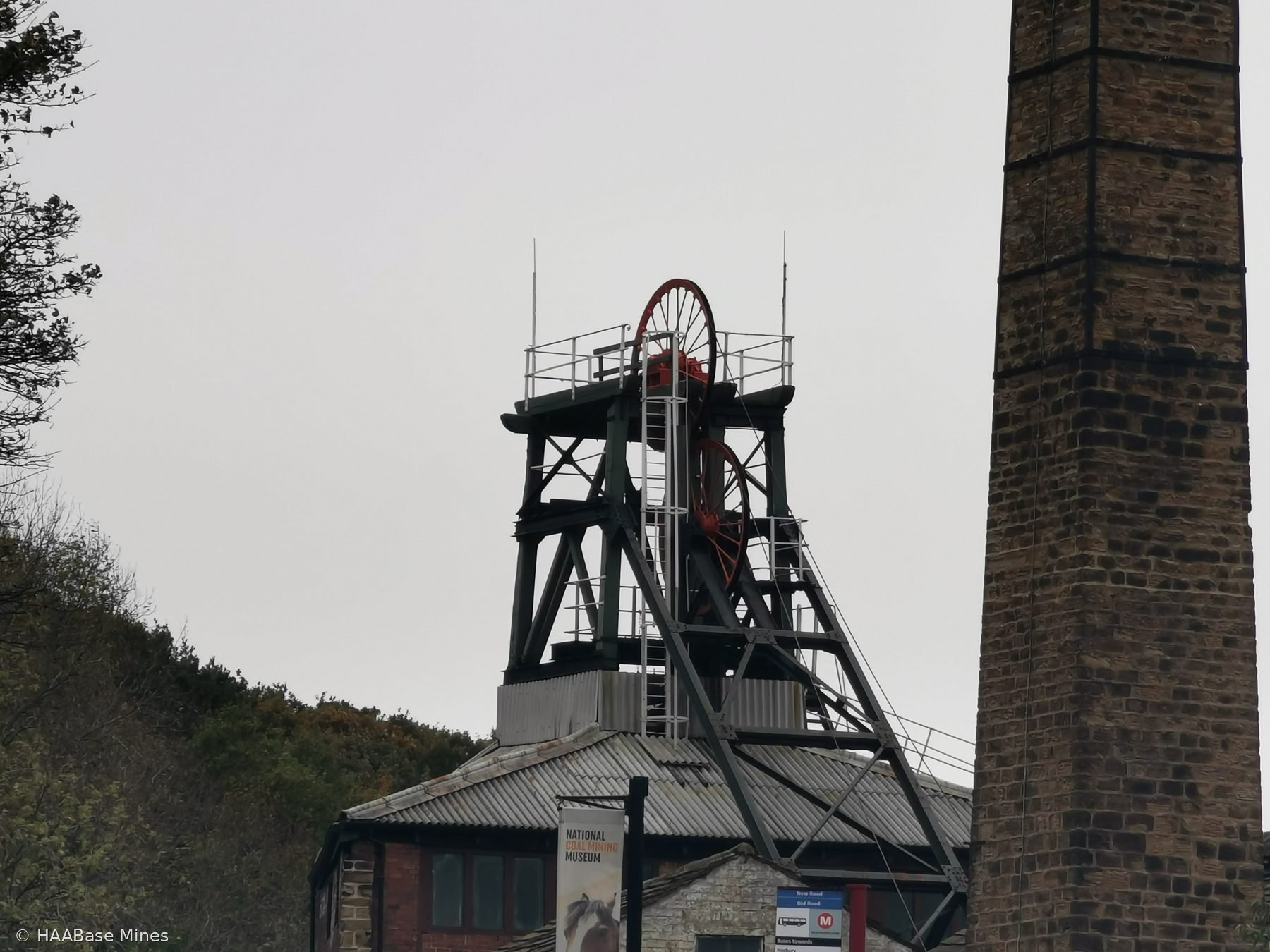
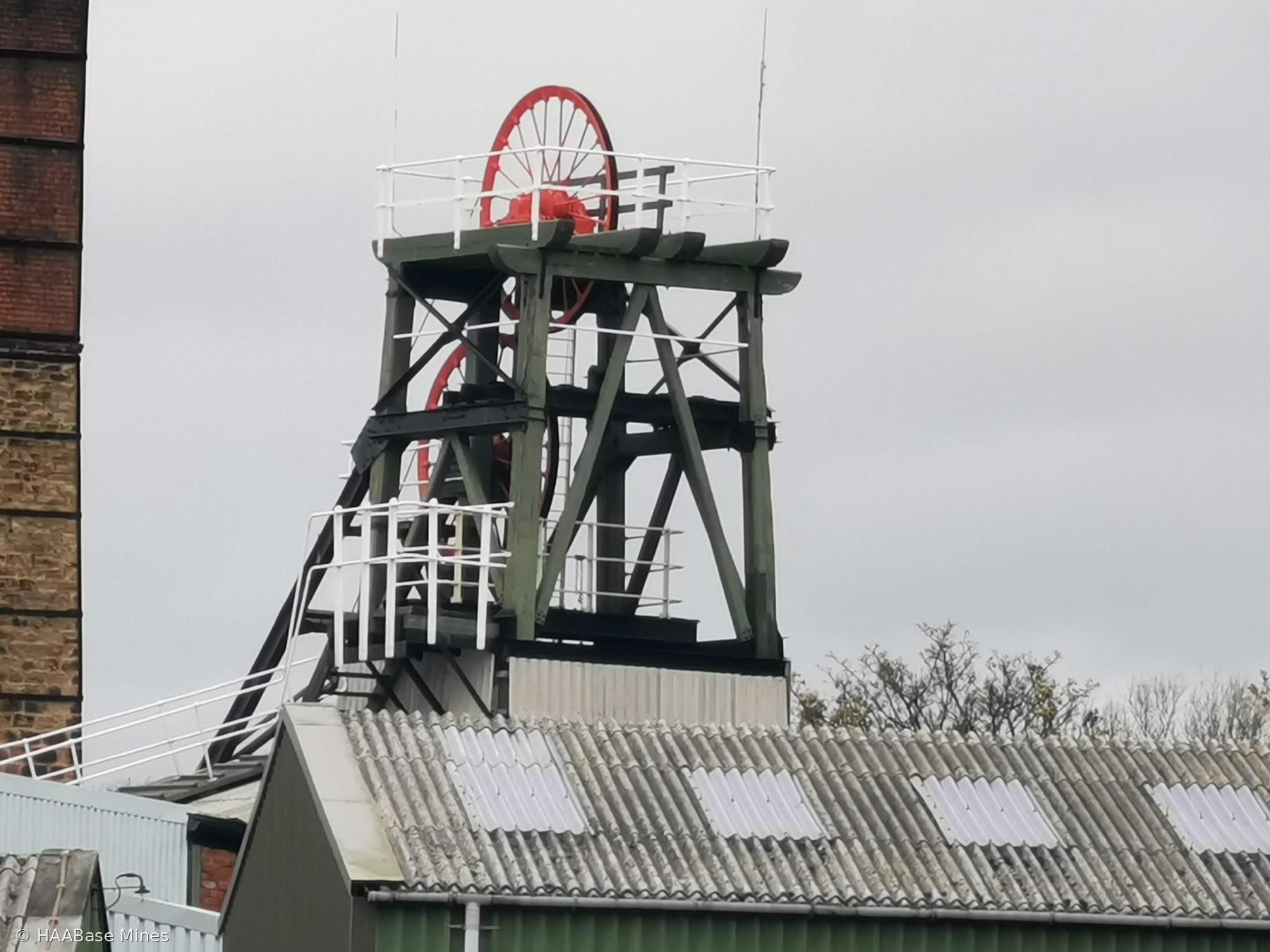
A major development phase in 1876 produced the steam winding engine house, boiler yard, stone heapstead, ventilation shaft, and the surviving pitch pine and steel headframe. Pithead baths and an administration block were added around 1937, and surface buildings were upgraded between 1943 and 1946. Nationalised in 1947, the colliery continued production from the Beeston Seam until its coal reserves were exhausted and it closed in 1985.

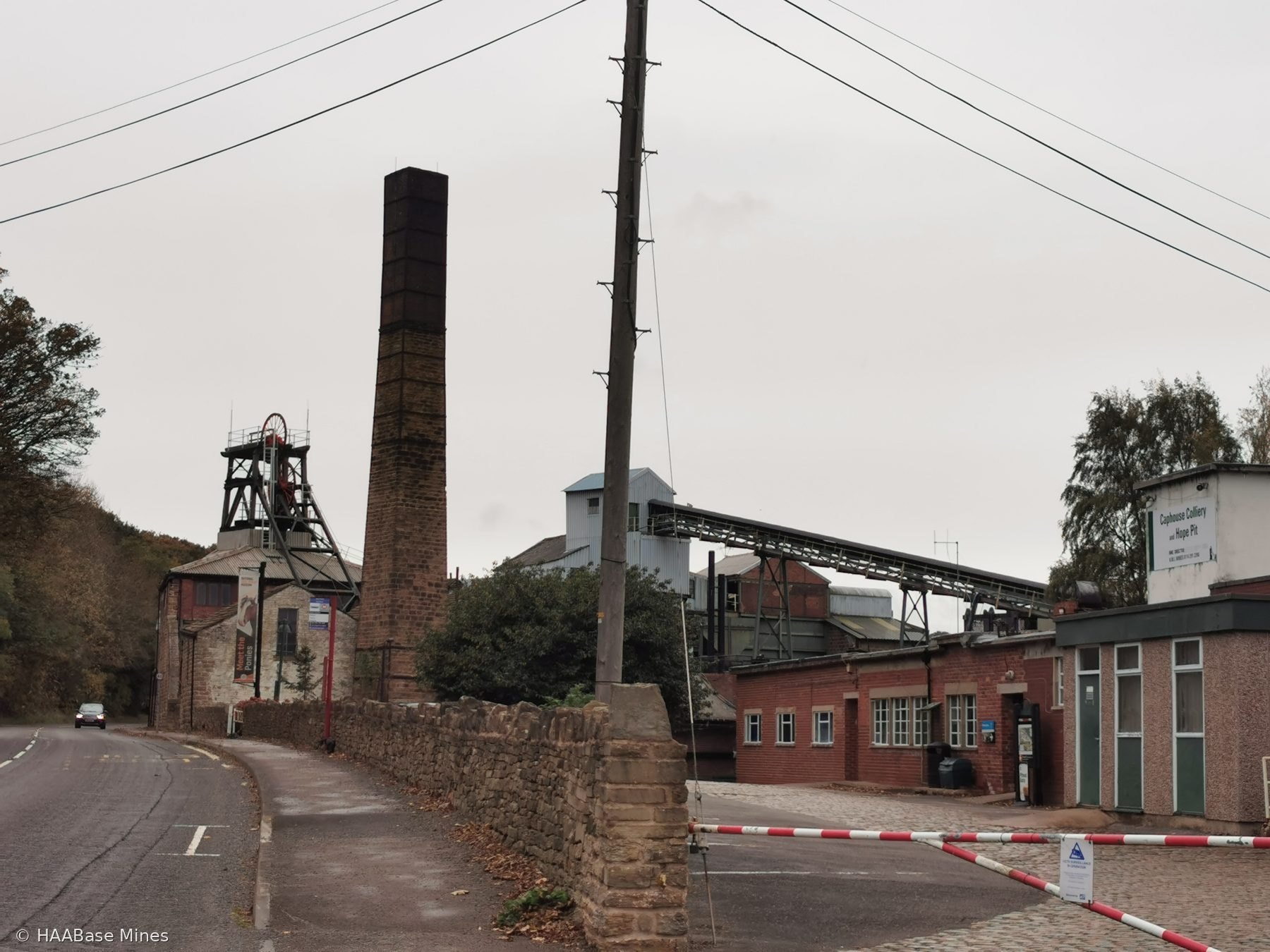
It reopened as the Yorkshire Mining Museum in 1988 and was granted national status as the National Coal Mining Museum for England in 1995. The winding house, heapstead, and headstock are listed at Grade II*, and the boiler house and chimney at Grade II.

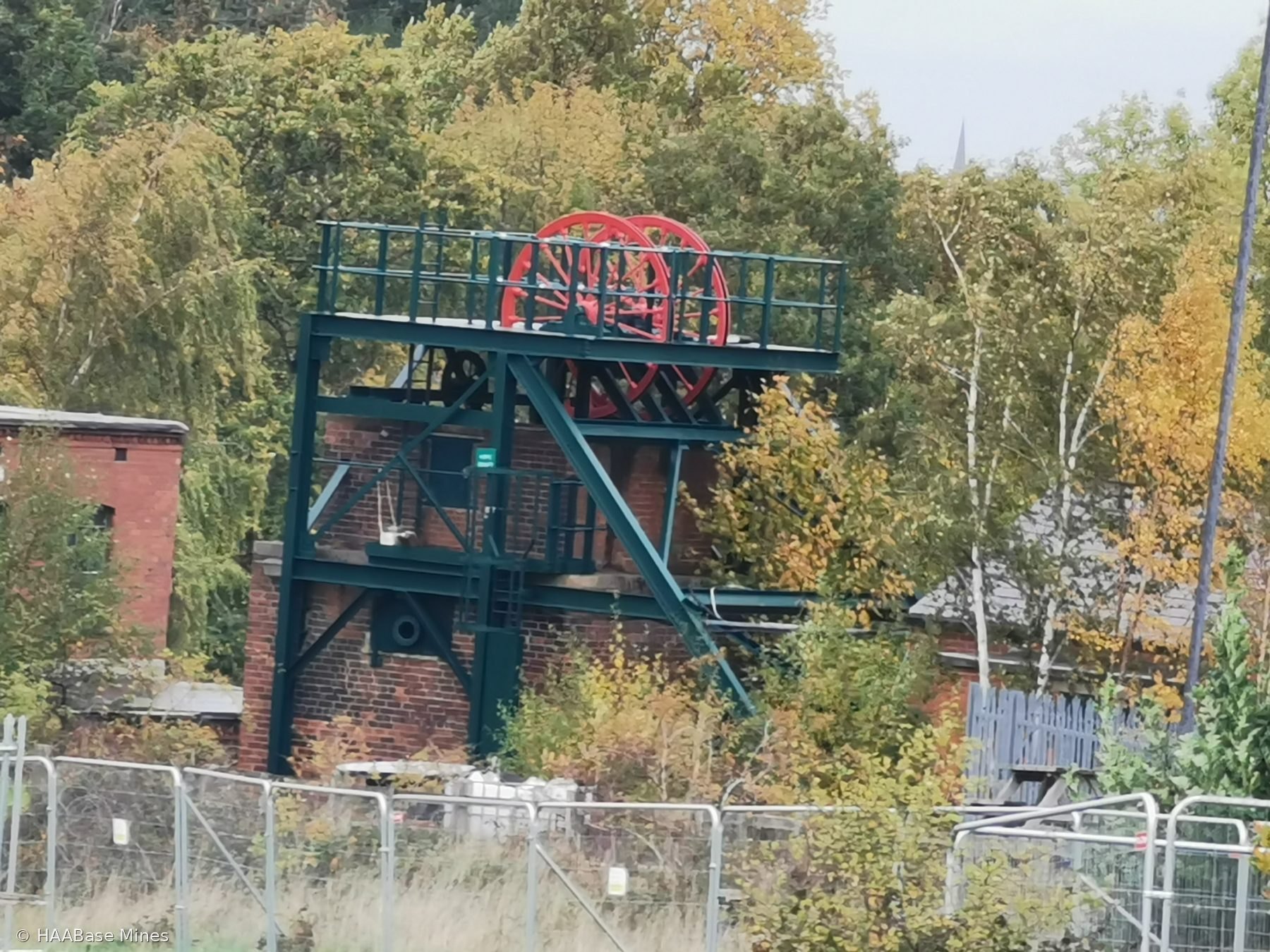
The site stands in open rural surroundings on the edge of the Wakefield coalfield, where the surviving pit buildings and headgear read as a substantial and visually prominent historic complex within a largely open landscape.

Map & photo

Caphouse Colliery / National Coal Mining Museum for England mine headframe or winding tower site
Photograph taken: 26 October 2025
Map markers and directions links are provided for location reference only and do not indicate public access or permission to enter a site.

History

Caphouse Colliery, originally known as Overton Colliery, stands on the Denby Grange estate at Overton, near Wakefield in West Yorkshire, in an area where coal had been mined since at least the sixteenth century. The Flockton Thick Seam was mined at the site by 1793. During the early decades of the nineteenth century, leases were held by James Milnes, whose colliery had grown to seventeen shafts by 1791, worked out by 1803.

No. 17 of Milnes' shafts became the Caphouse shaft. Smith's coal pits at the site came under the control of Sir John Lister Kaye by 1817, overseen by managers including John Blenkinsop of the Middleton Collieries, who oversaw enlargement in the 1820s. In 1827 Sir John Lister Lister-Kaye took over the lease from the executors of James Milnes and began to expand the colliery.

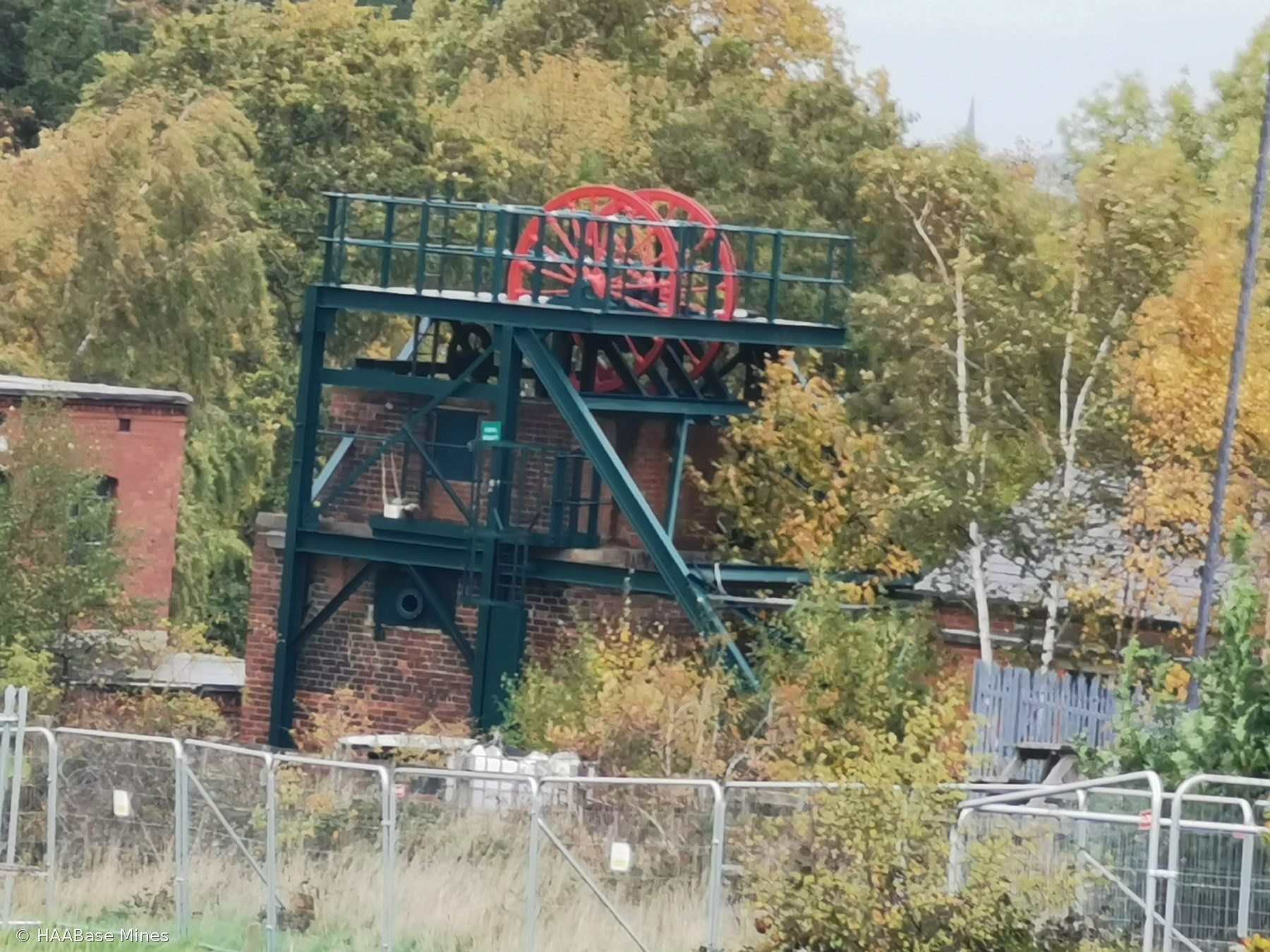
Hope Pit was sunk nearby in 1827, descending 215 yards, and produced coal from 1829; coal was wound there by horse gins until the 1920s, and it was among the earliest Yorkshire mines to use electrical coal cutters. Milnes' pits had previously been linked to the Calder and Hebble Navigation at Horbury Bridge by a wooden wagonway, later laid with iron rails. The Blossom Pit, on the opposite side of the Wakefield to Austerlands turnpike road, was sunk by 1840.

The Inman Water Shaft was sunk to 97 yards around 1840 to pump water from Hope Pit; its beam engine house survives. The shaft was subsequently deepened to the New Hards Seam. The pits were originally ventilated by furnaces at the shaft bottoms.

Sir John Lister Lister-Kaye (1801–1871) linked Hope Pit, Caphouse, and Victoria Pits at Netherton to the Lancashire and Yorkshire Railway's Barnsley branch and the Calder and Hebble Navigation at Calder Grove by a private mineral line. The line, designed by colliery manager John Marsden from 1852, began near Hope Pit with a tunnel under the turnpike and used two rope-hauled inclines, one partly in a tunnel, before reaching the navigation or the railway. Two locomotives, the four-wheeled Solferino and the six-wheeled Balaklava, were bought to operate the line.

The Prince of Wales Pit was sunk close to this line near New Hall Wood in 1870. Caphouse was again substantially developed in 1876, when the steam winding engine house, boiler yard, chimney, stone heapstead, and ventilation shaft were completed for Emma Lister Kaye, who had inherited the colliery from her father in 1871. She had the Caphouse shaft deepened to the New Hards Seam at 141 yards.

The winding engine, bought second-hand, was powered by two Lancashire boilers. The headframe, built of pitch pine with steel braces, is a late survivor of its type; the Caphouse shaft is 11 feet in diameter and, though deepened and widened over its life, was considered by some to have been the oldest working mine shaft in the country in the 1980s. The New Hards Seam was worked out at Hope and Blossom Pits by 1885, after which Blossom Pit closed and Hope Pit was deepened to the Wheatley Lime Seam at 129 yards.

The colliery was sold in 1907, after which the name Denby Grange Collieries referred to Caphouse and the Prince of Wales Colliery near New Hall in Flockton. In 1901 the colliery employed 93 workers, rising to 206 in 1911 and 240 in 1918. Pithead baths and an administration block were built around 1937, and surface buildings were upgraded between 1943 and 1946.

The colliery passed into the National Coal Board on nationalisation in 1947. The NCB replaced the back legs of the pitch pine headgear with rolled steel. In 1960 an electric ventilation fan was installed at the Hope shaft, and mechanical shearers were subsequently introduced in the Beeston Seam after unsuccessful experiments with coal ploughs.

A surface drift to the Beeston Seam opened in 1974, after which winding coal ceased at the Caphouse shaft, which was then used for pumping and ventilation. By 1978 the colliery employed 230 men, producing 4,000 tons per week from the Beeston Seam. In 1981 the colliery was linked underground to the Prince of Wales Pit, by then named Denby Grange.

The mineral railway to Calder Grove had fallen out of use in the late 1940s when road transport was favoured. Coal reserves were exhausted by 1985 and the colliery closed. The site reopened as the Yorkshire Mining Museum in 1988 and was granted national status as the National Coal Mining Museum for England in 1995.

In May 2005 the museum complex was extended to include Hope Pit, connected to the main Caphouse site by an operating paddy train. The winding house, heapstead, and headstock are listed at Grade II* under the Planning (Listed Buildings and Conservation Areas) Act 1990, listed on 6 May 1988; the boiler house and chimney are listed at Grade II. The museum occupies a 45-acre semi-rural site and incorporates over a dozen galleries, pithead baths, a steam winding house, coal screening plant, library, archive, Miners Memorial Garden (opened 2015), and an adventure playground (built 2017).

Underground guided tours are conducted by former miners to a depth of 140 metres. The Hope Pit pump house and compressor house are preserved, and a natural water treatment facility with reed beds operates in partnership with the Coal Authority.
Timeline

1778–1793
Exploration

Early working of the Flockton Thick Seam

James Milnes leased the mineral rights from Mary Wortley, the Countess of Bute in 1778 and mined the Flockton Thick Seam. His colliery had grown to seventeen shafts by 1791; the seam was worked out by 1803. No. 17 shaft subsequently became the Caphouse shaft.
1817
Legislation

Lister Kaye takes control of Smith's coal pits

Smith's coal pits at the site came under the control of Sir John Lister Kaye by 1817. John Blenkinsop of the Middleton Collieries oversaw enlargement of the enterprise in the 1820s.
1827
Construction

Lister-Kaye takes lease; Hope Pit sunk

Sir John Lister Lister-Kaye took over the lease from the executors of James Milnes in 1827 and began expanding the colliery. Hope Pit was sunk nearby in the same year to a depth of 215 yards; it produced coal from 1829. Milnes' pits had been linked to the Calder and Hebble Navigation at Horbury Bridge by a wagonway later laid with iron rails.
1840
Construction

Blossom Pit sunk; Inman Water Shaft sunk

The Blossom Pit was sunk on the opposite side of the A642 turnpike road by 1840. The Inman Water Shaft was sunk to 97 yards around the same time to pump water from Hope Pit; its beam engine house survives. The Inman shaft was later deepened to the New Hards Seam.
1852
Construction

Private mineral railway constructed

John Marsden, colliery manager from 1852, designed and built a private mineral line linking Hope Pit, Caphouse, and Victoria Pits at Netherton to the Lancashire and Yorkshire Railway's Barnsley branch and the Calder and Hebble Navigation at Calder Grove. The line used two rope-hauled inclines and two locomotives, Solferino and Balaklava.
1871
Legislation

Emma Lister Kaye becomes sole proprietor

Emma Lister Kaye inherited the colliery from her father in 1871 and became the sole proprietor. She oversaw the major development phase of 1876.
1876
Construction

Major surface development: winding house, heapstead, headframe

The steam winding engine house, boiler yard, chimney, stone heapstead, and ventilation shaft were completed in 1876 for Emma Lister Kaye. The Caphouse shaft was deepened to the New Hards Seam at 141 yards. The winding engine was bought second-hand and powered by two Lancashire boilers. The pitch pine and steel headframe constructed at this time is a late survivor of its type.
1885
Closure

Blossom Pit closure; Hope Pit deepened

The New Hards Seam was worked out at Hope and Blossom Pits by 1885. Blossom Pit closed and Hope Pit was deepened to the Wheatley Lime Seam at 129 yards.
1907
Legislation

Colliery sold; Denby Grange Collieries name adopted

The colliery was sold in 1907. Following the sale, the name Denby Grange Collieries referred to Caphouse and the Prince of Wales Colliery near New Hall in Flockton.
1937–1946
Construction

Pithead baths, administration block, and surface building upgrades

Pithead baths and an administration block were built around 1937. Surface buildings were further upgraded between 1943 and 1946.
1947
Legislation

Nationalisation: colliery passes to National Coal Board

Caphouse Colliery became part of the National Coal Board on nationalisation in 1947. The NCB subsequently replaced the back legs of the pitch pine headgear with rolled steel.
1960
Construction

Electric ventilation fan installed at Hope shaft; mechanical shearers introduced

An electric ventilation fan was installed at the Hope shaft in 1960. After unsuccessful experiments with coal ploughs, mechanical shearers were introduced in the Beeston Seam.
1974
Construction

Surface drift to Beeston Seam opened; Caphouse shaft repurposed

A surface drift mine to the Beeston Seam opened in 1974. Winding coal ceased at the Caphouse shaft, which was then used for pumping and ventilation. By 1978 the colliery employed 230 men producing 4,000 tons of coal per week.
1981
Construction

Underground connection to Denby Grange Colliery

The colliery was linked underground to the Prince of Wales Pit, by then named Denby Grange, in 1981.
1985
Closure

Coal reserves exhausted; colliery closes

Coal reserves at Caphouse were exhausted by 1985 and the colliery closed, ending a working life stretching back to the eighteenth century.
1988
Heritage

Site reopens as Yorkshire Mining Museum

The site reopened in 1988 as the Yorkshire Mining Museum, three years after closure.
1988
Heritage

Winding house, heapstead, and headstock listed Grade II*

The winding house, heapstead, and headstock at Caphouse Colliery were listed at Grade II* on 6 May 1988 under the Planning (Listed Buildings and Conservation Areas) Act 1990. The boiler house and chimney were listed at Grade II.
1995
Heritage

Site granted national status as National Coal Mining Museum for England

The Yorkshire Mining Museum was granted national status in 1995 and renamed the National Coal Mining Museum for England.
2005
Heritage

Museum extended to include Hope Pit

In May 2005 the museum complex was extended to include the neighbouring Hope Pit. The pump house and compressor house at Hope Pit were incorporated into the collection. An operating paddy train connects the two sites.
2015
Heritage

Miners Memorial Garden opened

The Miners Memorial Garden was opened at the museum site in 2015.
2017
Heritage

Mining-themed adventure playground built

A large mining-themed adventure playground was built at the museum site in 2017.

Sources and records

Wikipedia article (English): Caphouse Colliery
Wikipedia article (English): National Coal Mining Museum for England
Historic England listing entry: Winding House, Heapstead and Headstock at Caphouse Colliery, list entry 1135482, Grade II*
ERIH (European Route of Industrial Heritage) site record: National Coal Mining Museum for England
Historic England conservation plan reference: National Coal Mining Museum for England, Caphouse Colliery, report 155-1997
Britain Express heritage guide entry: National Coal Mining Museum for England
Goodchild, John (1983). Caphouse Colliery and the Denby Grange Collieries. Wakefield Historical Publications
Till, Malcolm (2007). Caphouse to Calder Grove. National Coal Mining Museum for England Publications
Peak District Mines Historical Society Bulletin, Vol. 7 No. 3, March 1979: The Coal Mines of the Flockton Area
This researched site record is part of the HAABase Mines database. Normal personal research and browsing is welcome. Automated bulk extraction, republication, or harvesting of site text and images is not permitted without written consent.