The mine of Helchteren-Zolder arose from the rapid industrial development of the Belgian Kempen after the discovery of deep coal measures in Limburg. A royal decree dated 25 October 1906 granted separate concessions for Helchteren, covering 3,240 hectares, and Zolder, covering 3,280 hectares. Together these covered 6,520 hectares below parts of Koersel, Heusden, Zolder, Helchteren, Houthalen and Zonhoven. The Société anonyme Charbonnage d’Helchteren-Zolder was established in Brussels on 26 October 1907 with capital of 15 million Belgian francs. Its first shareholders included the Mariemont, Bascoup and Courcelles-Nord coal companies and Baron Goffinet. Subsequent share issues brought in other mining and steel interests, notably the widow of Alfred Solvay, the Boël and Lambert interests, and, in 1920, ARBED and Usines de la Providence. The history of the company’s financing helps explain the scale and duration of the undertaking before a single tonne of commercial coal could be sold.
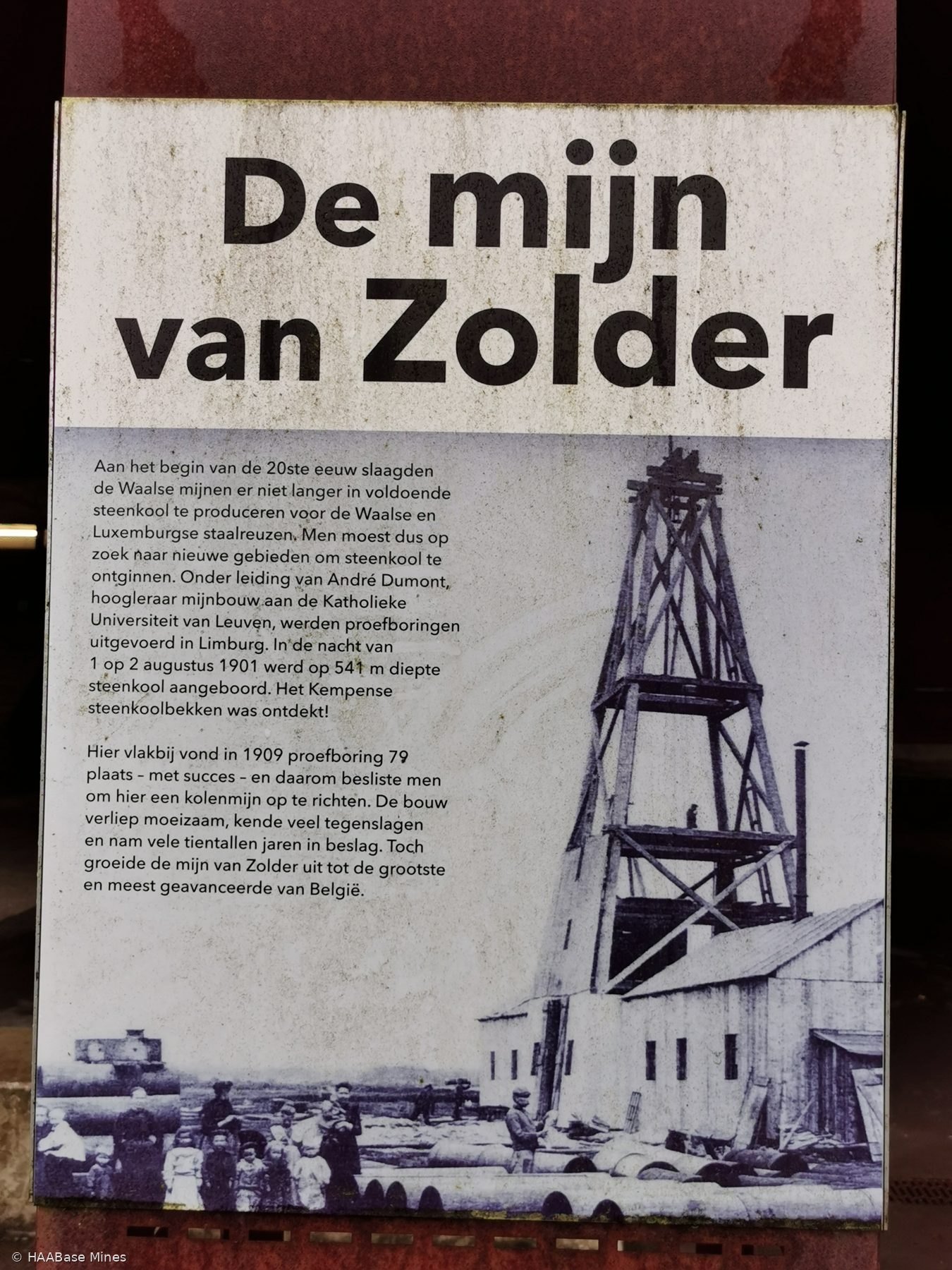
The directors selected a colliery site at Voort, a hamlet of Zolder. Prospecting was undertaken over several years: drilling at Zolder-Vogelzang in 1907–08 reached 967 metres, at Houthalen-Lillo in 1908–09 reached 1,017 metres, and at Zolder-Voort in 1909–10 reached 1,333 metres. A further exploratory boring at Wijvenheide, some distance from the shaft site but within the southern concession, reached 1,912 metres in 1921 and was noted as a Belgian pre-war depth record. Land was purchased between 1909 and 1911 and freezing borings for the shafts began in 1912. The proposed extraction seat was therefore already a substantial engineering venture before the First World War interrupted it.
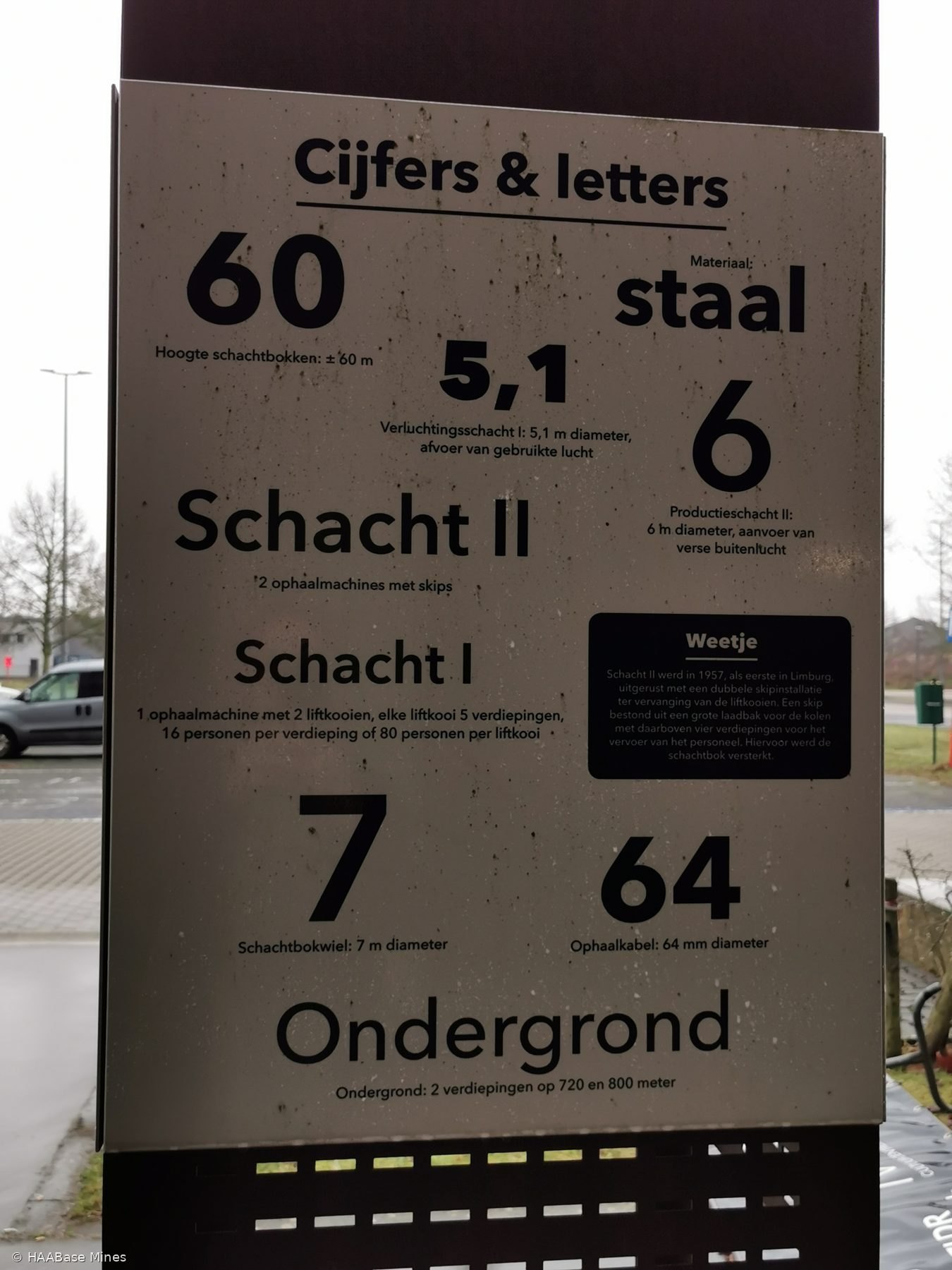
The problem was the thick, water-bearing ground above the coal measures. Plans for sinking and the means of holding back water had to be altered as difficulties emerged. During the First World War the German occupying authorities requisitioned equipment from the refrigeration plant and sections of the cast-iron shaft lining, setting the works back still further. The shaft sinking process in the 1920s was beset by flooding and failures of the frozen ground barrier. Historical accounts describe a water breakthrough in May 1925 and a fire in June that destroyed timber sinking structures and steelwork then being erected. In consequence Schacht I, the smaller return-air shaft, was not fully sunk until late 1928, while Schacht II, the larger intake-air and production shaft, was not completed until the middle of 1930. The long delay was a striking contrast to the much faster establishment of several other Kempen collieries.
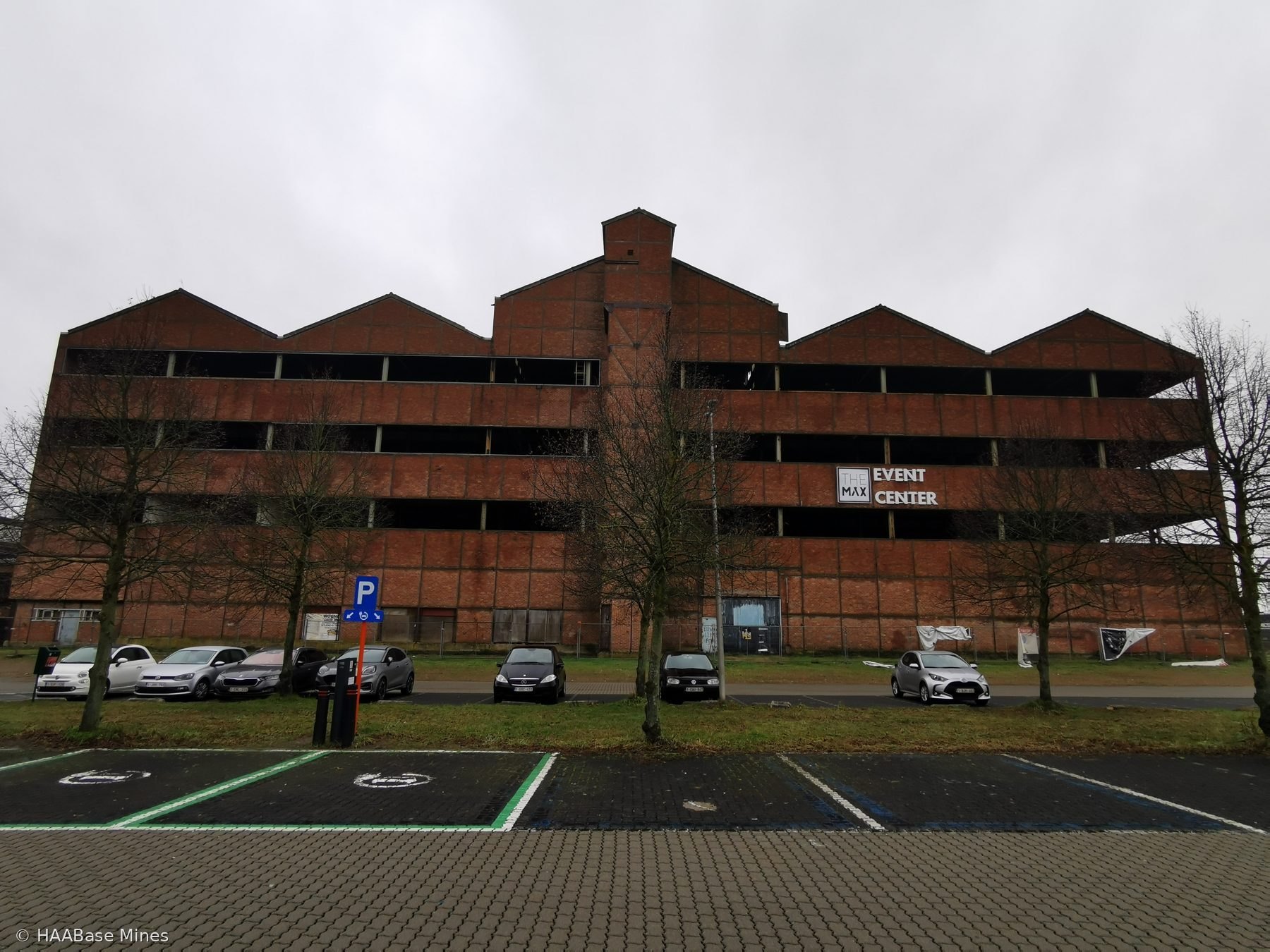
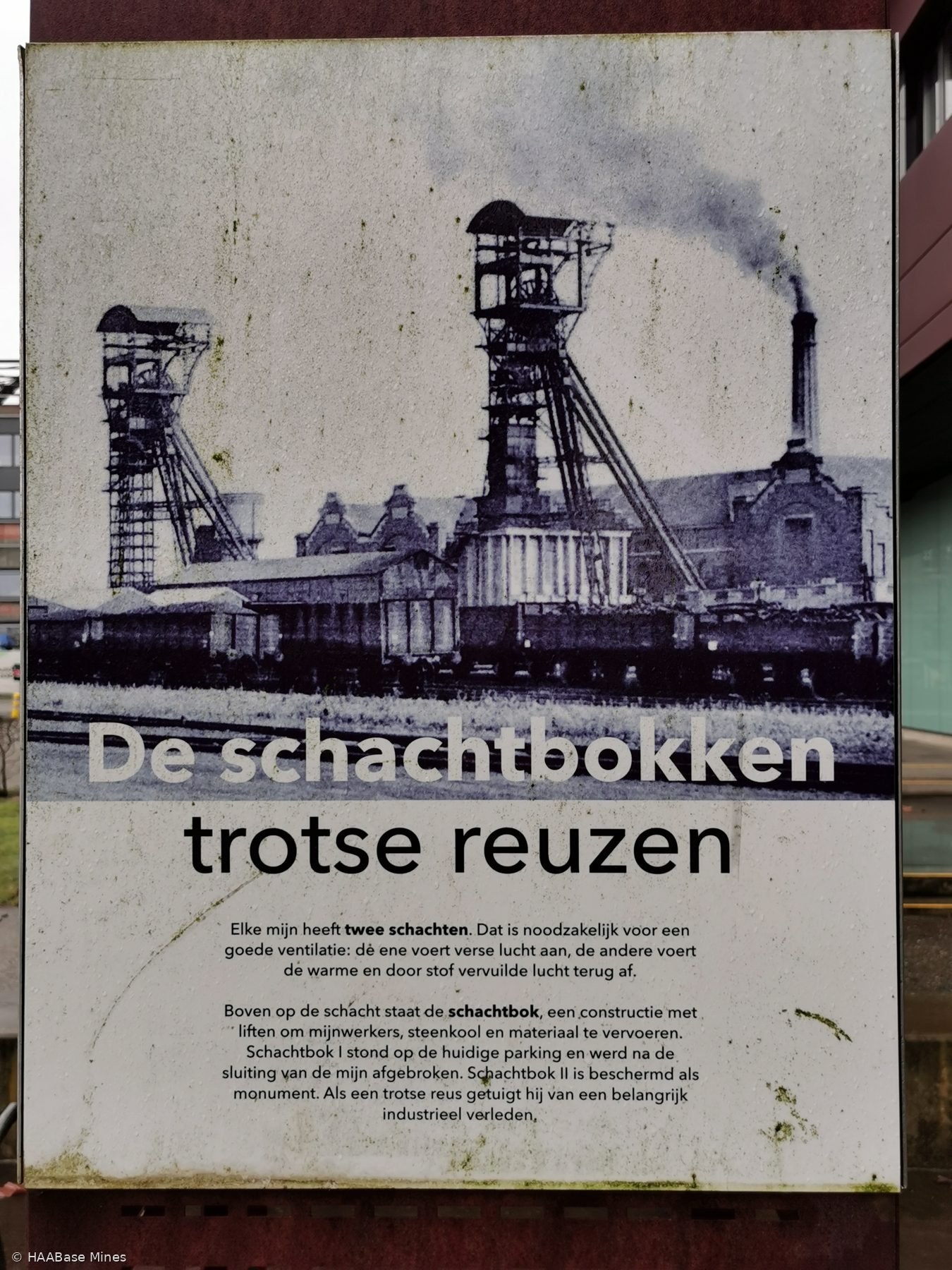
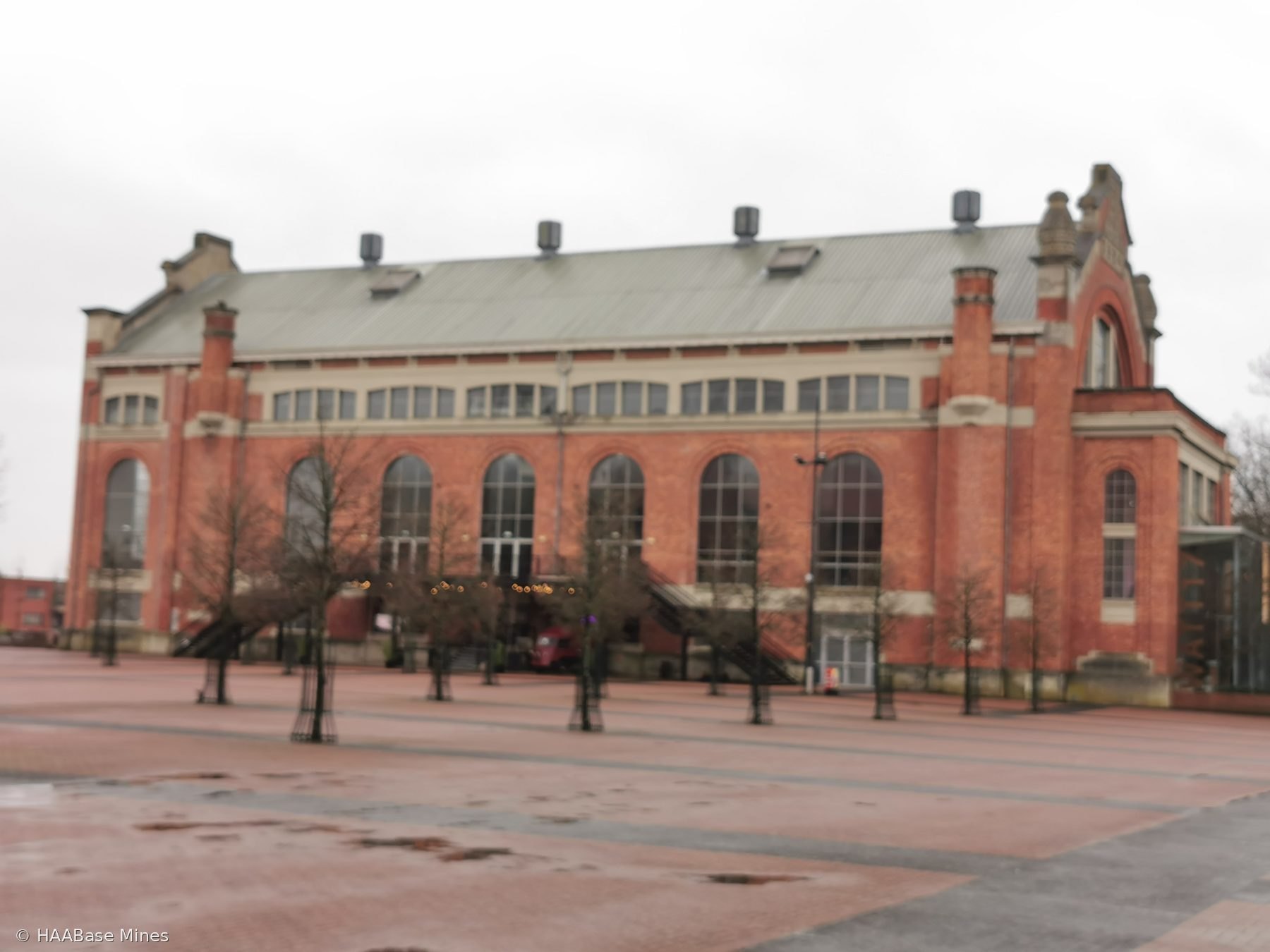
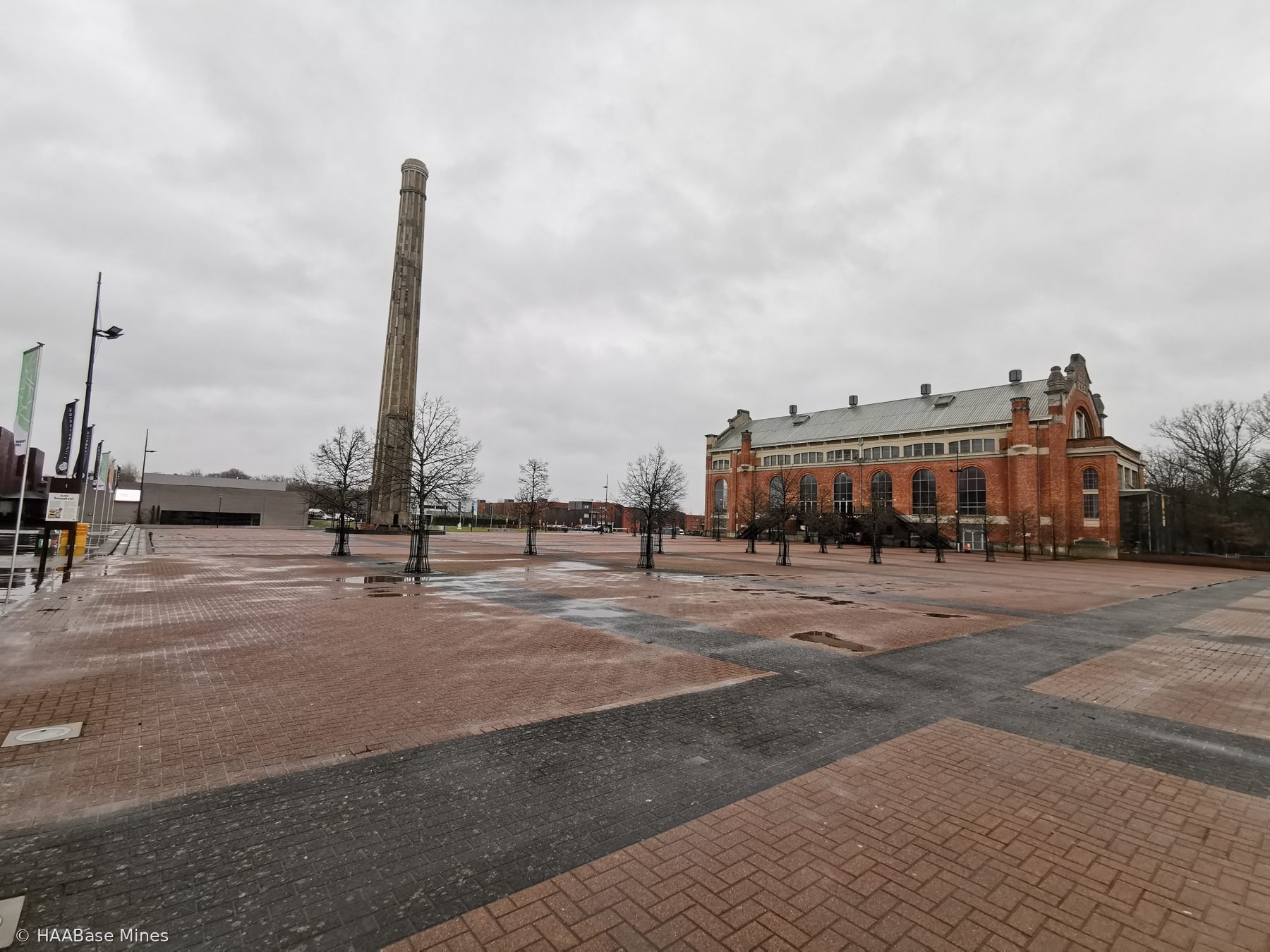
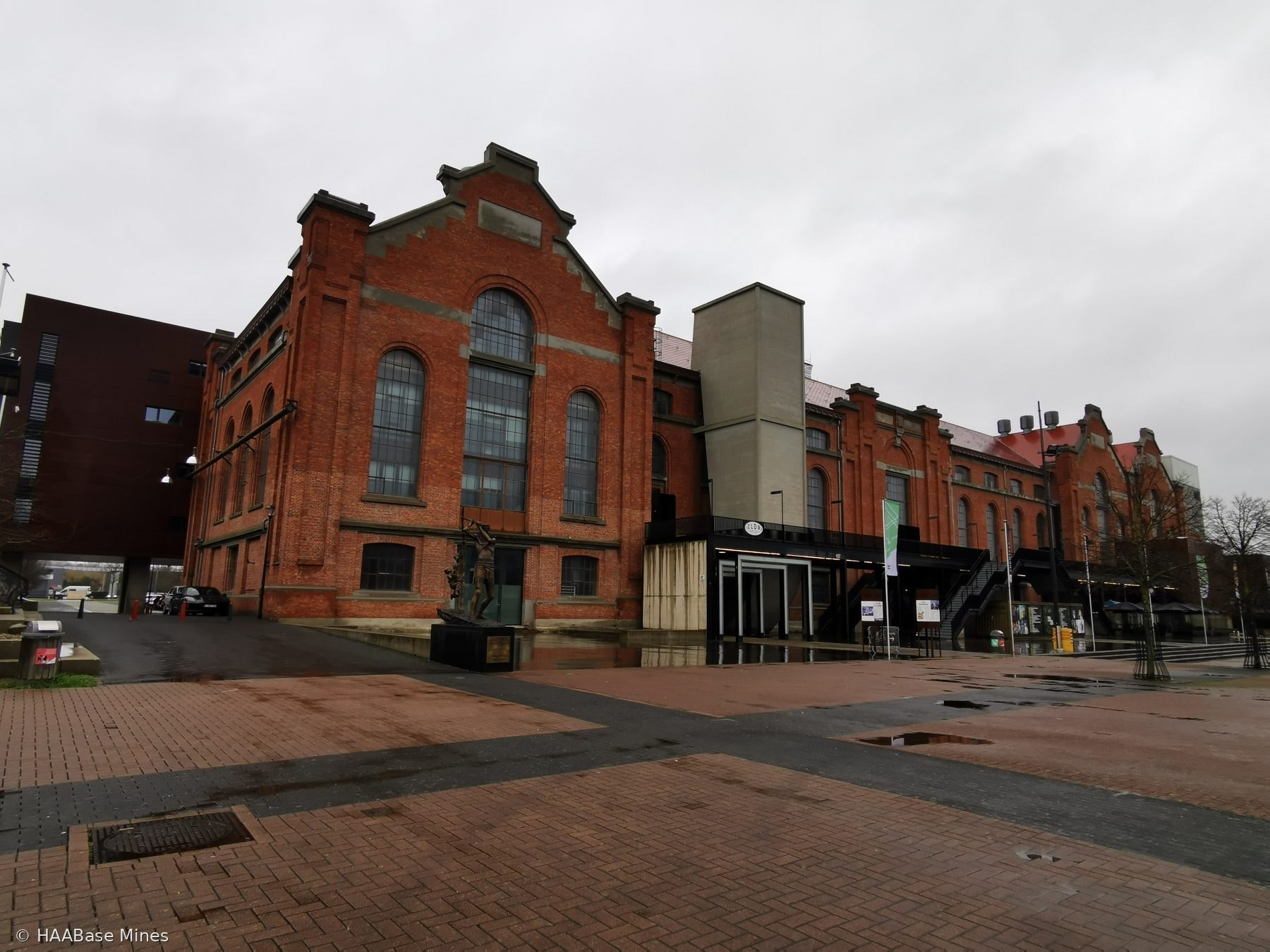
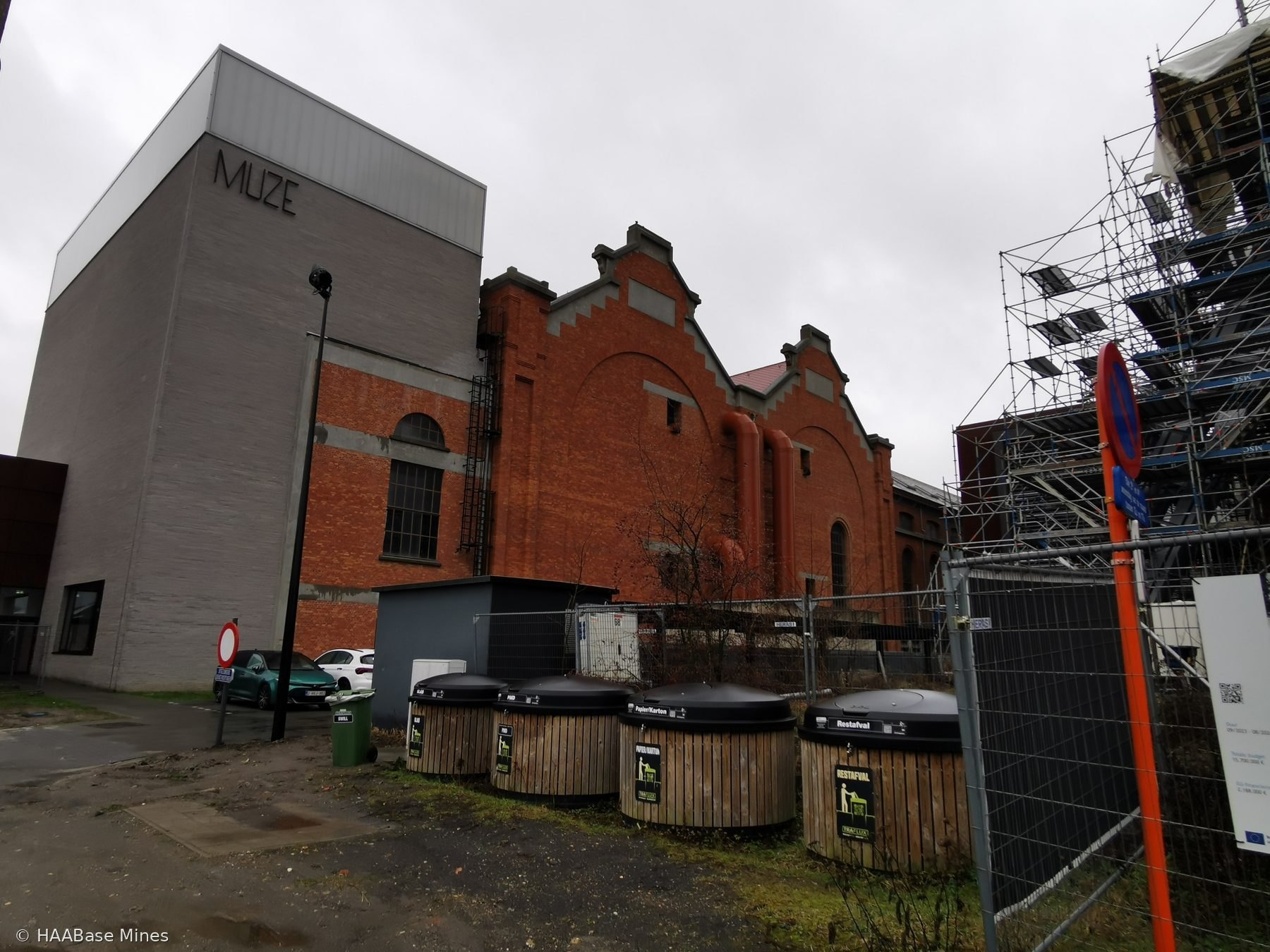
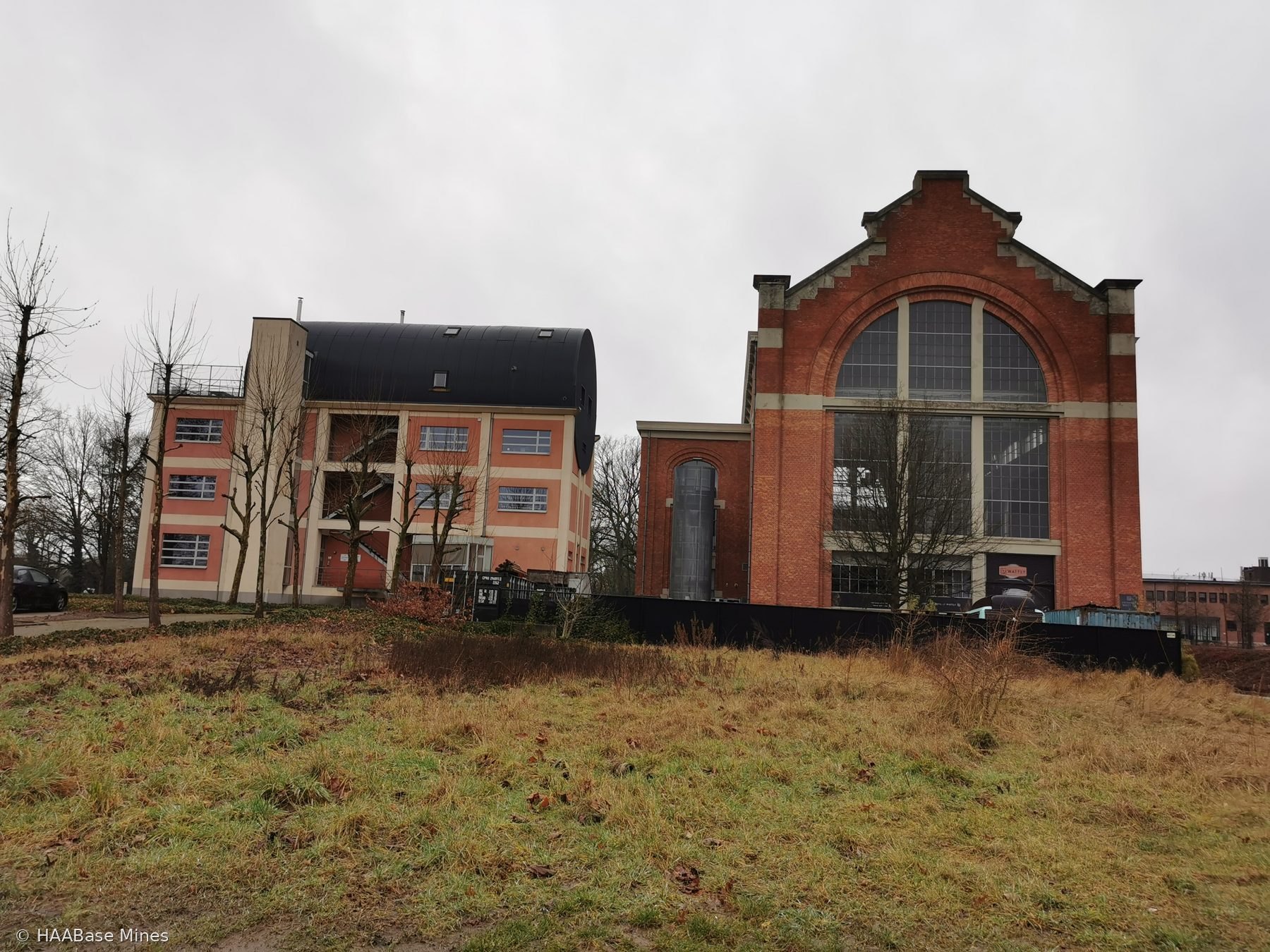
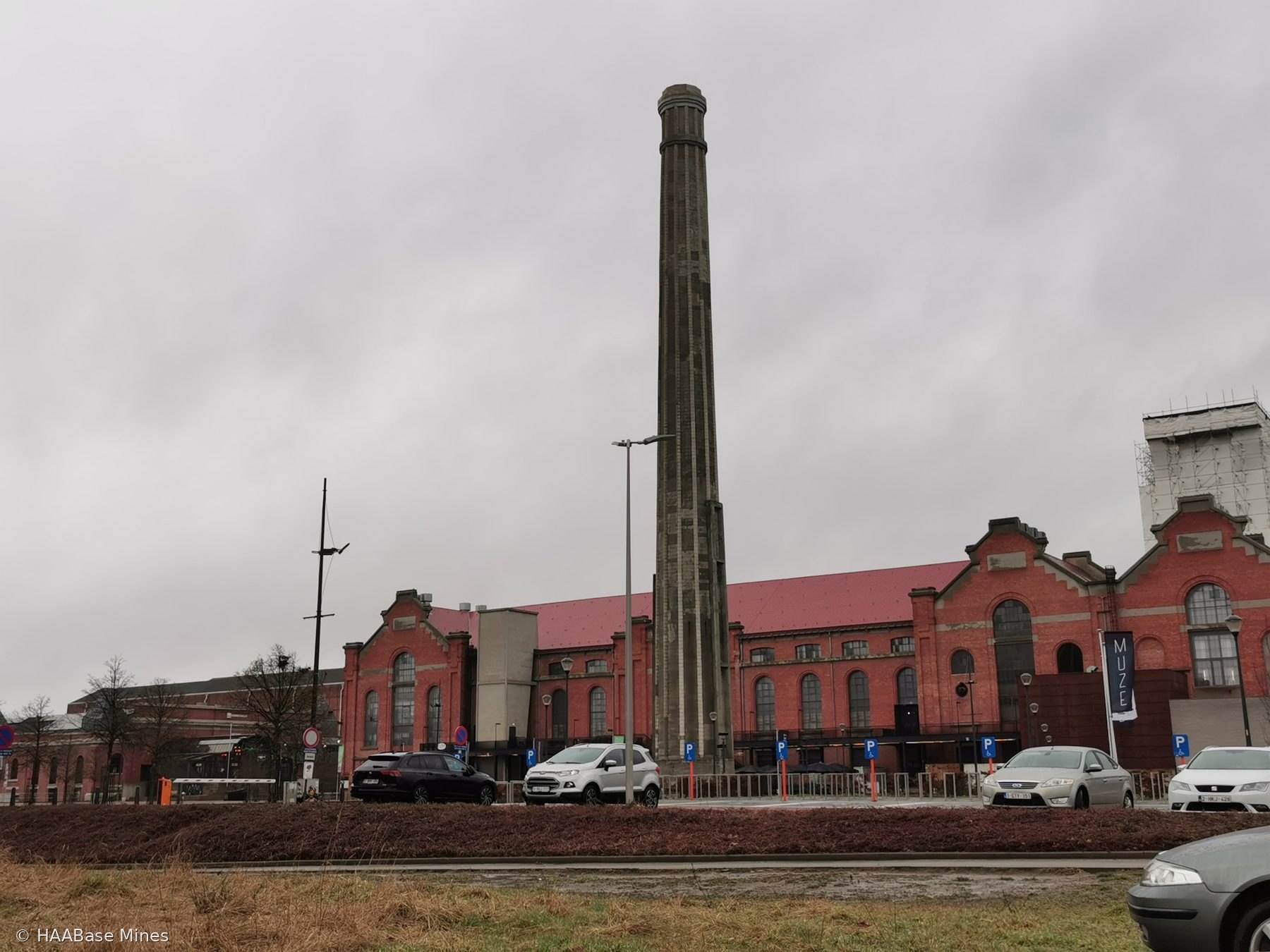
The original headframes were constructed in steel latticework of the traditional Belgian bok type, designed by Lemaire of Châtelineau and built by the Luxembourg firm Wurth, with work beginning in 1924 above Schacht I and in 1925 above Schacht II. The latter, which remains standing, formed an integrated group with its concrete pithead reception building. The smaller Schacht I had a useful diameter of five metres, while Schacht II was six metres across and could accommodate a more substantial winding arrangement. To the south stood the winding and compressor building, designed by the technical department of Charbonnages de Mariemont in 1924. The electrical power station, a notable concrete hall with a brick façade, was built in the same year to designs by Armand Dewandre. Other buildings incorporated an early refrigeration workshop, baths and changing accommodation, while a monumental reinforced-concrete chimney followed a design dated 1913. The office building, completed in 1937, brought a more restrained, functional architectural style to the complex.
The first coal was brought to the surface on 15 April 1930, more than two decades after formation of the company. Daily production increased from 781 tonnes of fat coal in 1931 to 2,868 tonnes in 1939. Workings developed on deep horizons, reported at approximately 720, 800 and 900 metres, as equipment and underground transport were progressively modernised. By the later 1930s a washery and sizing plant were being developed, with a steel framework and associated settling basins. During the 1950s the production shaft acquired improved winding equipment, including skip hoisting, enabling larger quantities of coal to be raised. The power demands of the operation were visible in the colliery’s cooling installations; reinforced-concrete cooling towers were constructed in 1937 and 1952–53.
The mine influenced settlement far beyond the pithead. Plans made from 1913 envisaged extensive workers’ housing, although shortage of capital during the prolonged sinking period limited the original schemes. Houses appeared in phases in the nearby Berkenbos and Lindeman settlements, where the planned neighbourhoods, social facilities and changing labour force formed an important part of the mining landscape. Those estates were linked economically and socially to the mine but were not the same physical site as its shafts and industrial buildings. Zolder drew workers from Belgium and from abroad, contributing to the distinctive population of the Limburg mining district.
Zolder’s own output is reported as reaching about 1.6 million tonnes in 1955. On 29 May 1964 the Zolder and Houthalen collieries were combined into a single undertaking, with Zolder carrying out extraction for the linked underground operation and Houthalen continuing in a supporting role. Consequently later employment and production totals refer to the combined company rather than solely to coal raised from the historical Zolder concession. The combined enterprise is reported to have employed around 9,379 workers in the period of the merger, while annual production reached approximately 2.377 million tonnes in 1967. For this major regional coal producer, the latter decades of the twentieth century brought growing competition from other fuels and pressures for rationalisation, despite continued mechanisation and changes to its underground organisation.
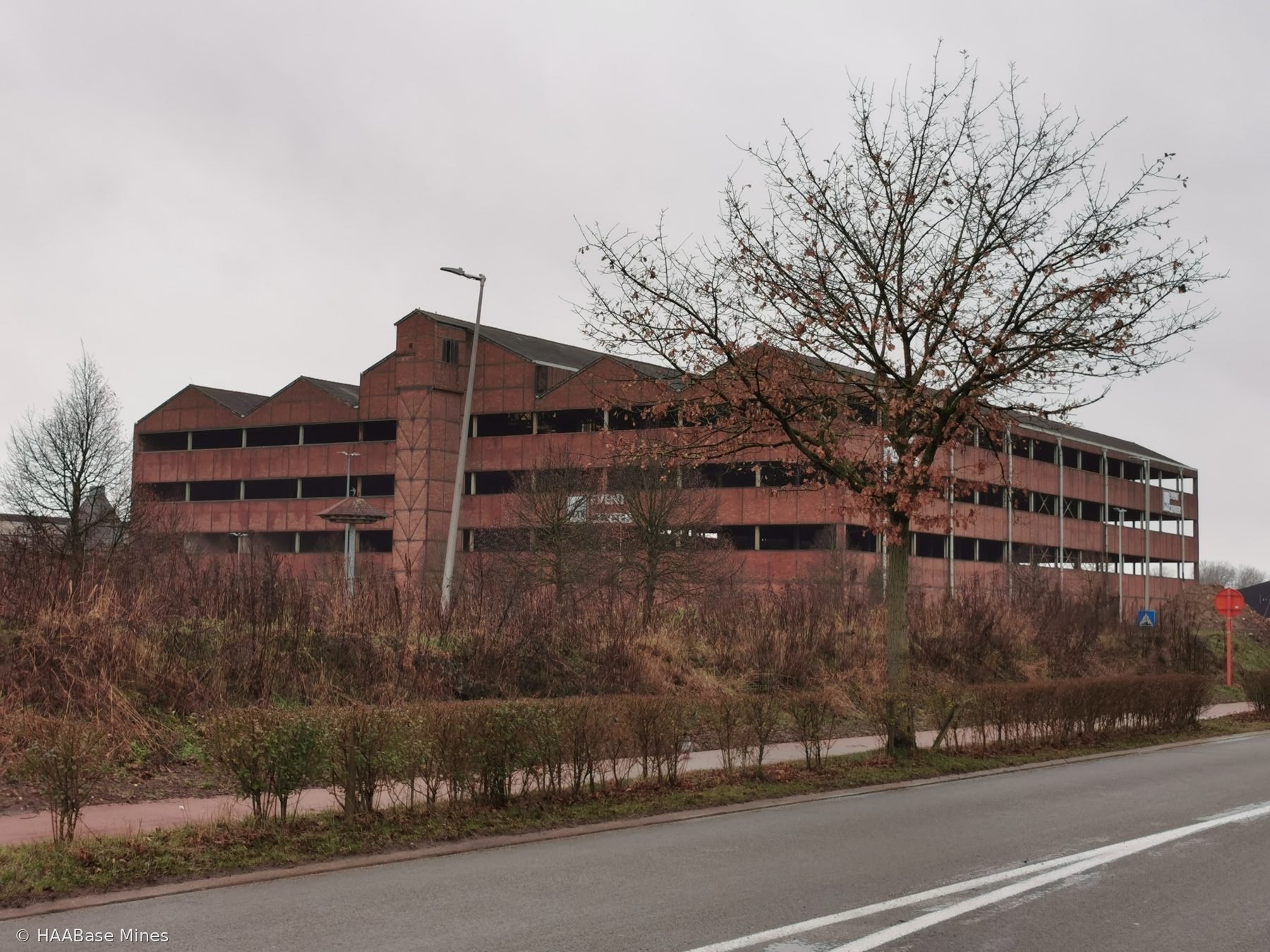
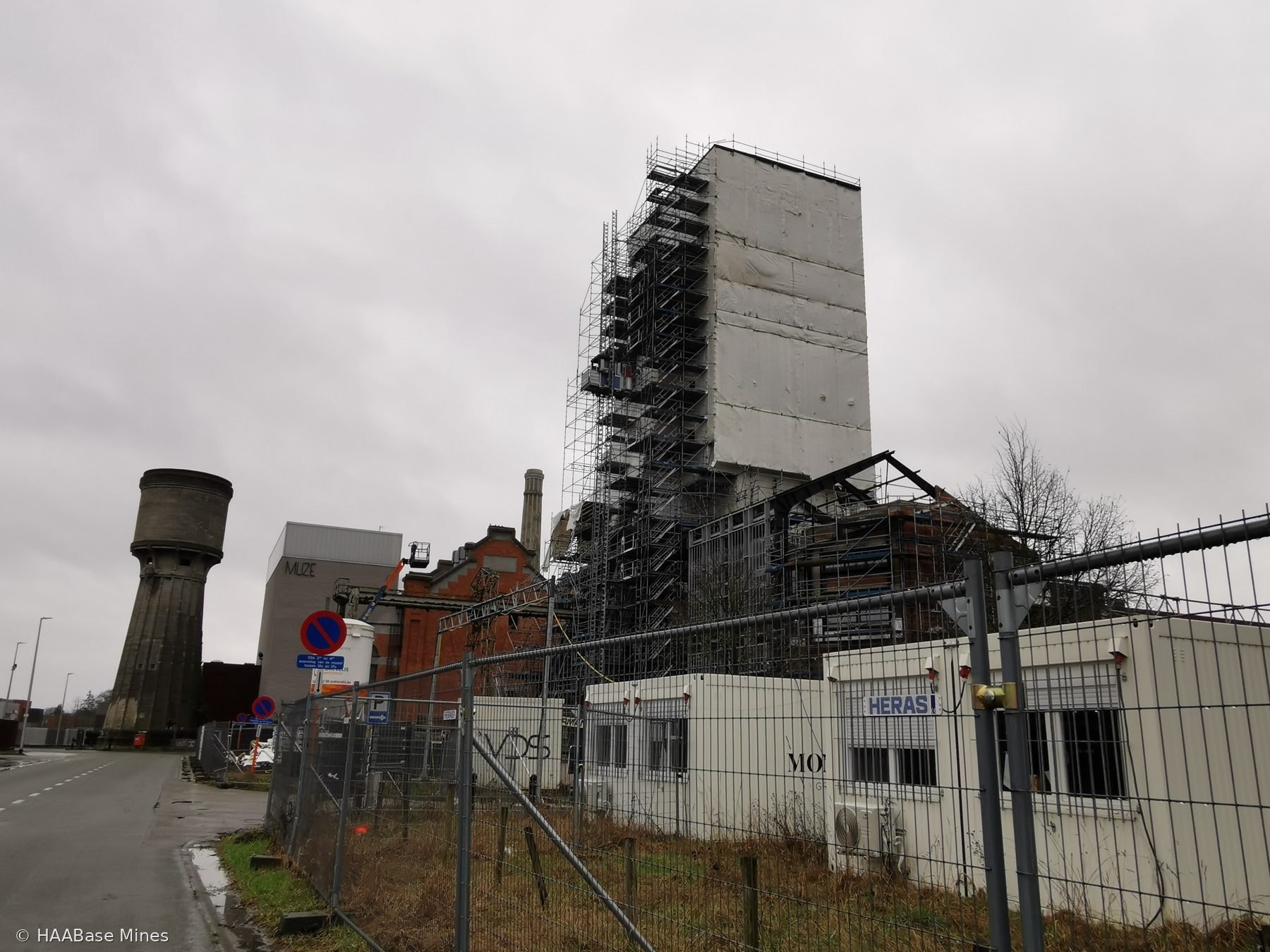
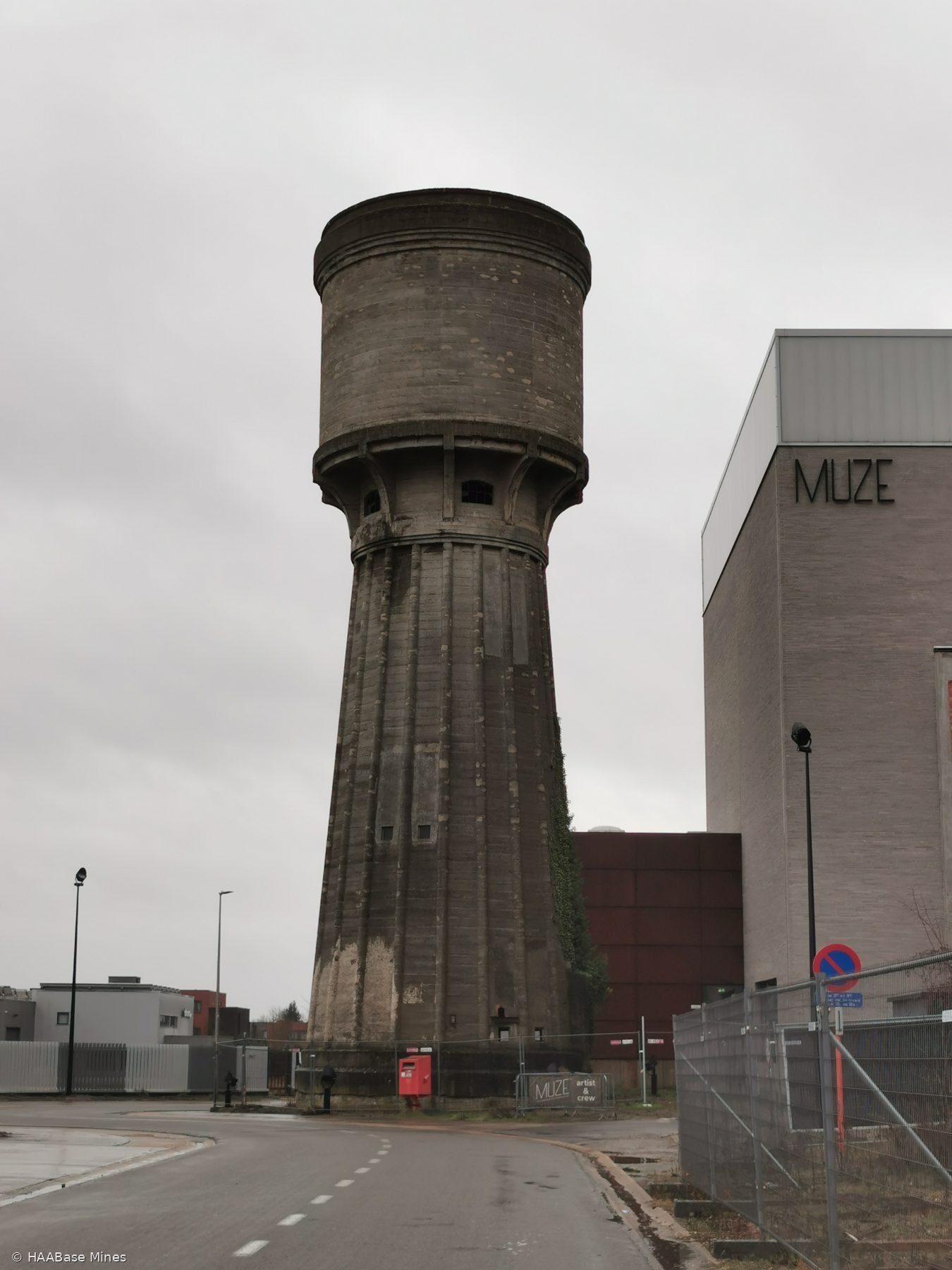
On 30 September 1992 Zolder ceased extraction, becoming the last coal mine in Belgium and the Benelux to close. After closure some surface buildings and one of the two headframes were lost, but an unusually varied group of industrial buildings remained. The municipality acquired the former colliery terrain in 1999 and began the long process of finding new uses for it. Flemish monument protection had already been secured for the offices, the 1924 power station, surviving electrical and coal-preparation controls, Schachtbok II with its reception building, and a Monnoyer-type water tower on 22 December 1993. A second order of 1 March 1995 protected the winding-machine building and its significant surviving machinery, compressors and chimney. These survivals explain much more of the mine’s operation than a solitary headframe could do.
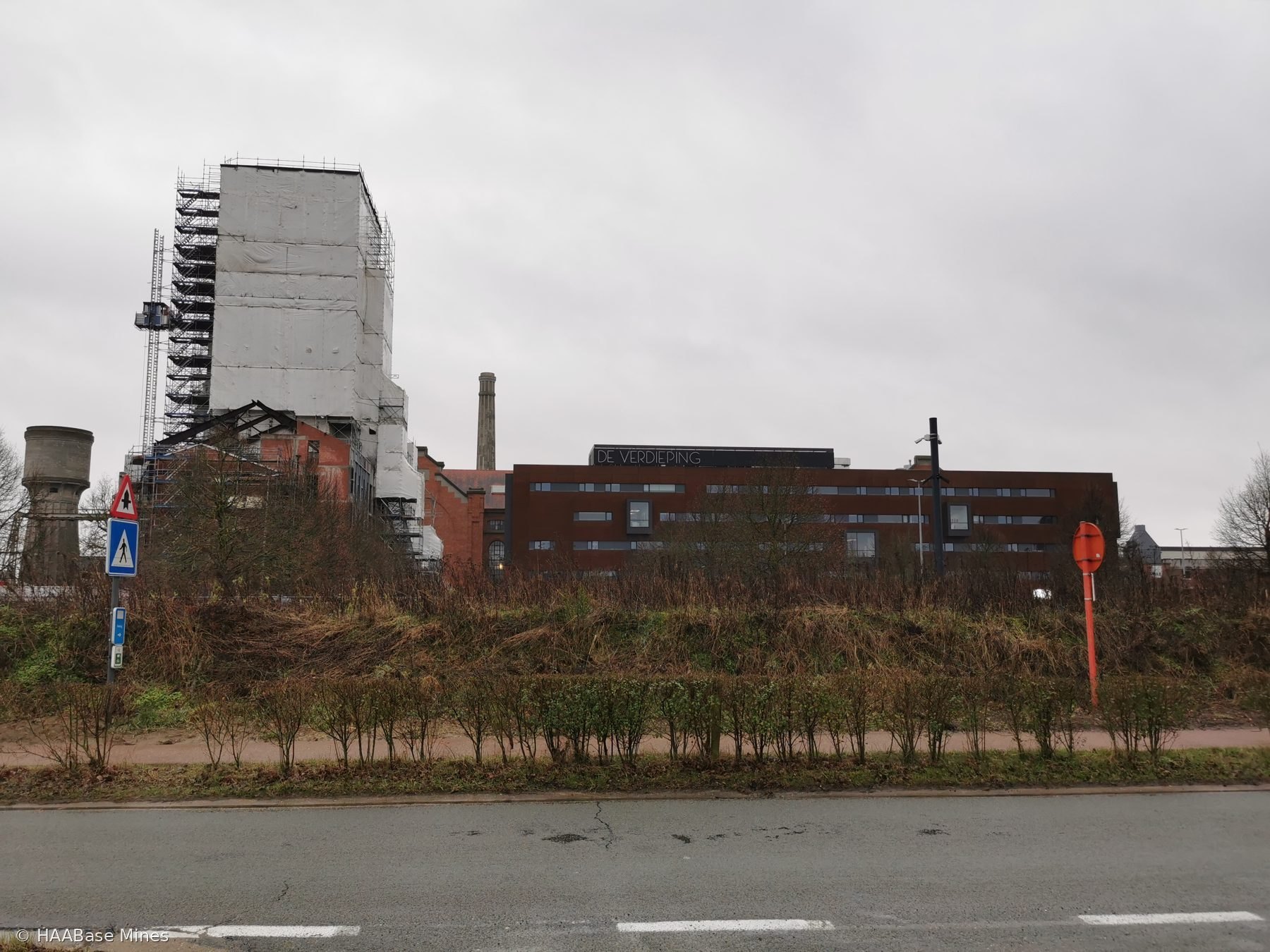
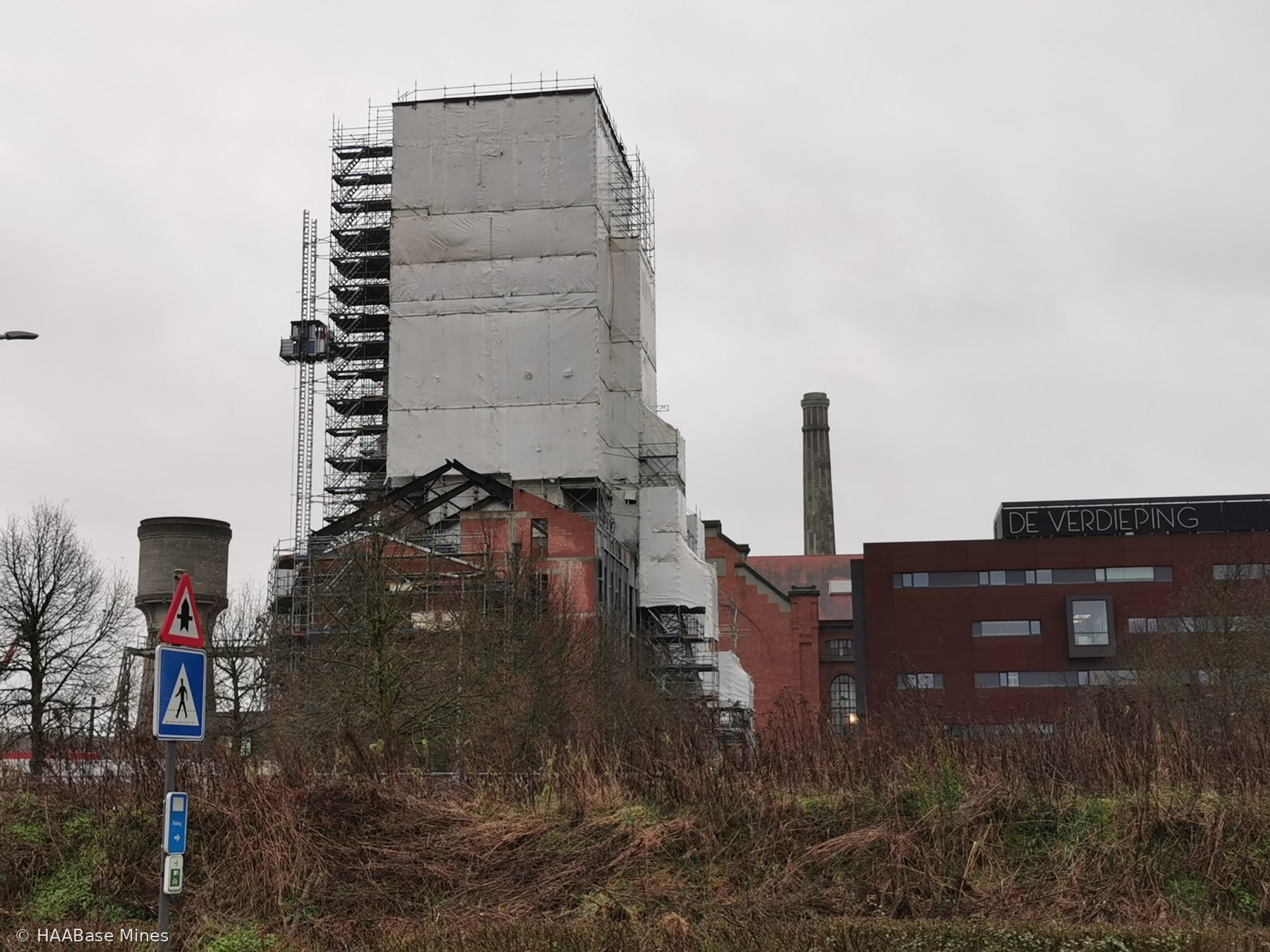
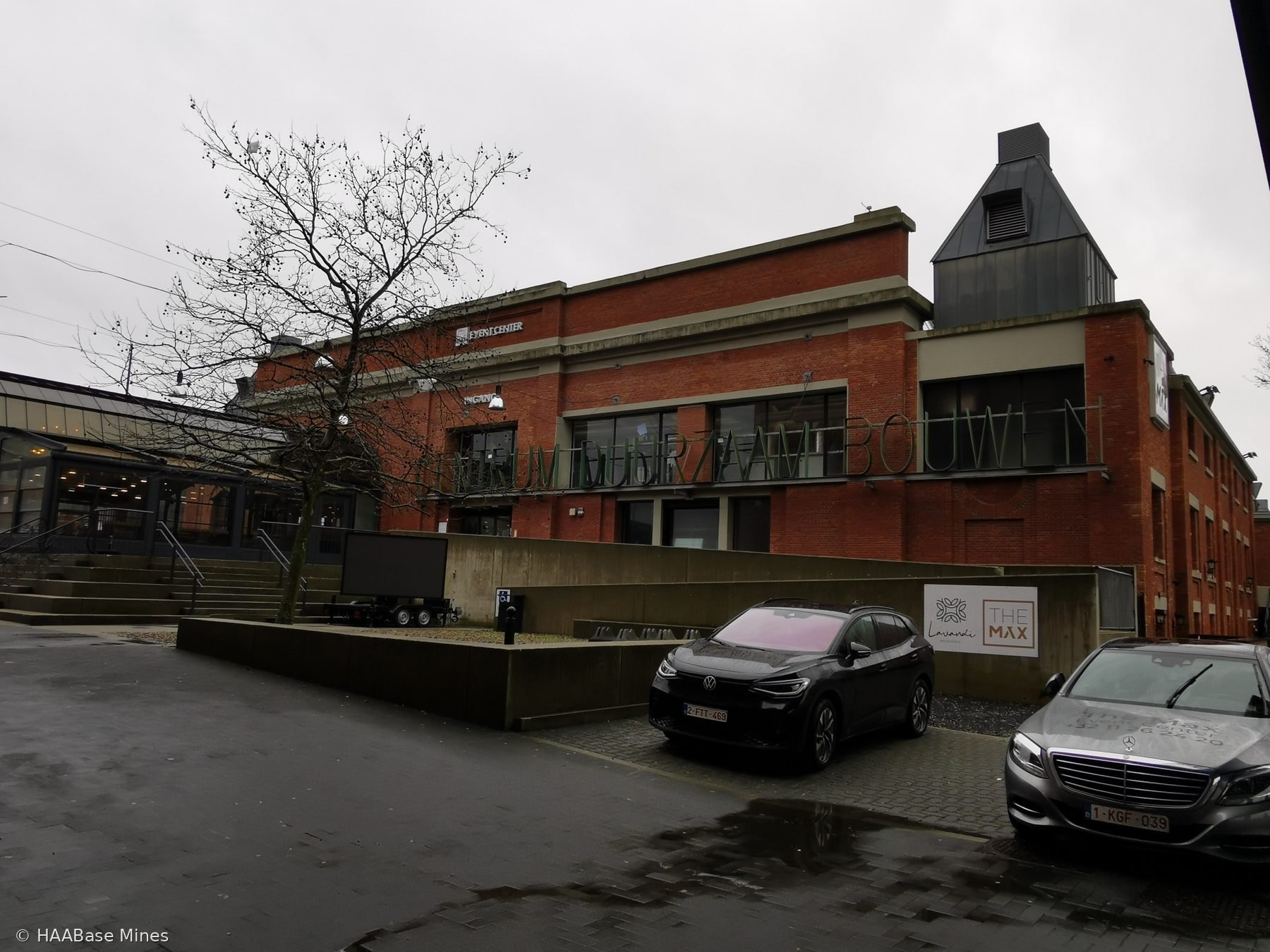
Adaptive reuse developed in stages. The former power station became an events venue, while parts of the former baths found community and hospitality uses. The protected winding-machine and compressor building underwent restoration and reopened in April 2015 as part of De Verdieping. Its ZLDR Luchtfabriek interpretation route takes visitors through original engineering spaces and machinery, using the workings of winding, ventilation and compressed air to explain life below ground. The open steel framework of Schachtbok II and the original concrete reception building continued to define the industrial character of the site even as education, business and public activities occupied the former colliery around them.
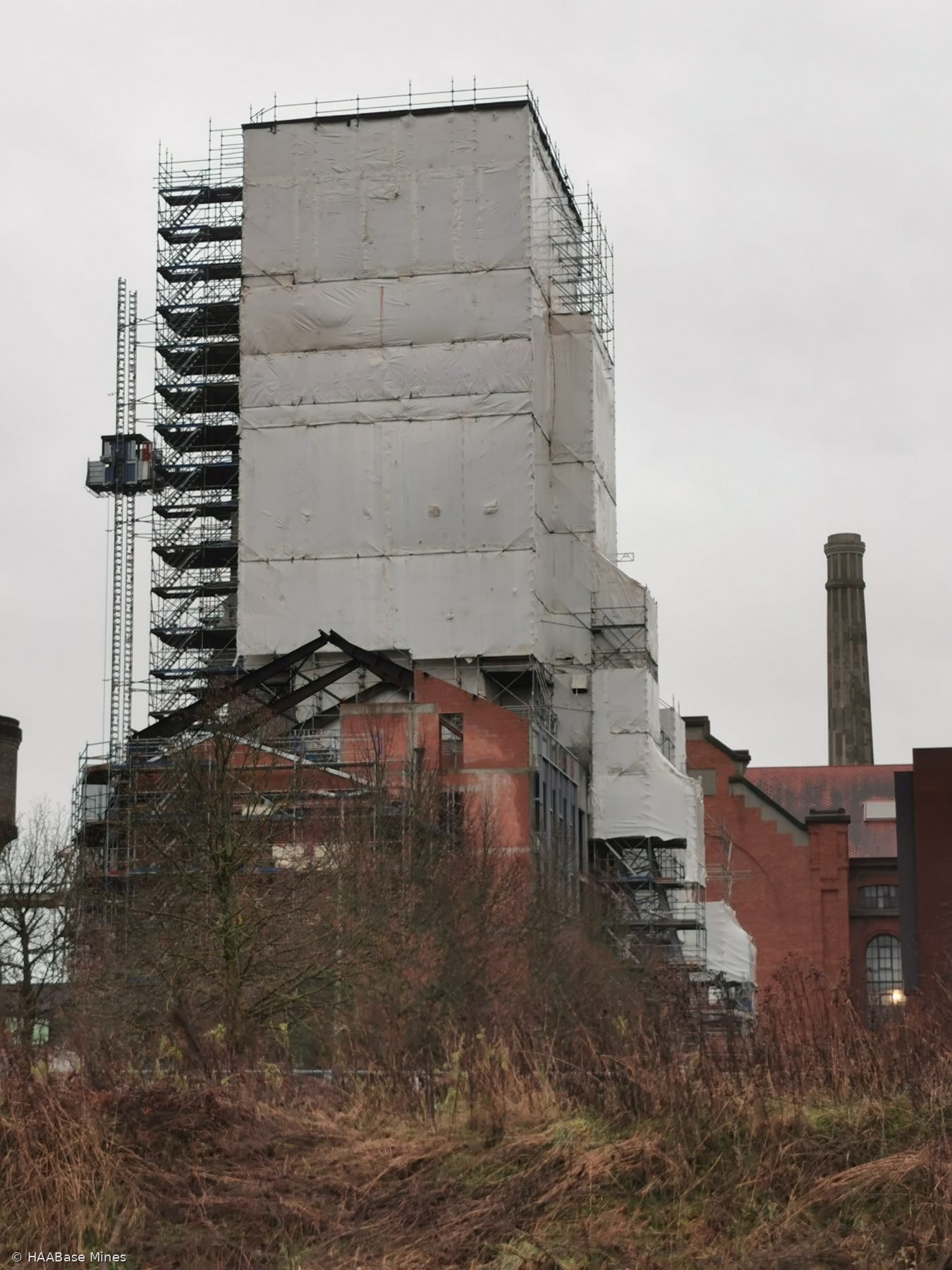
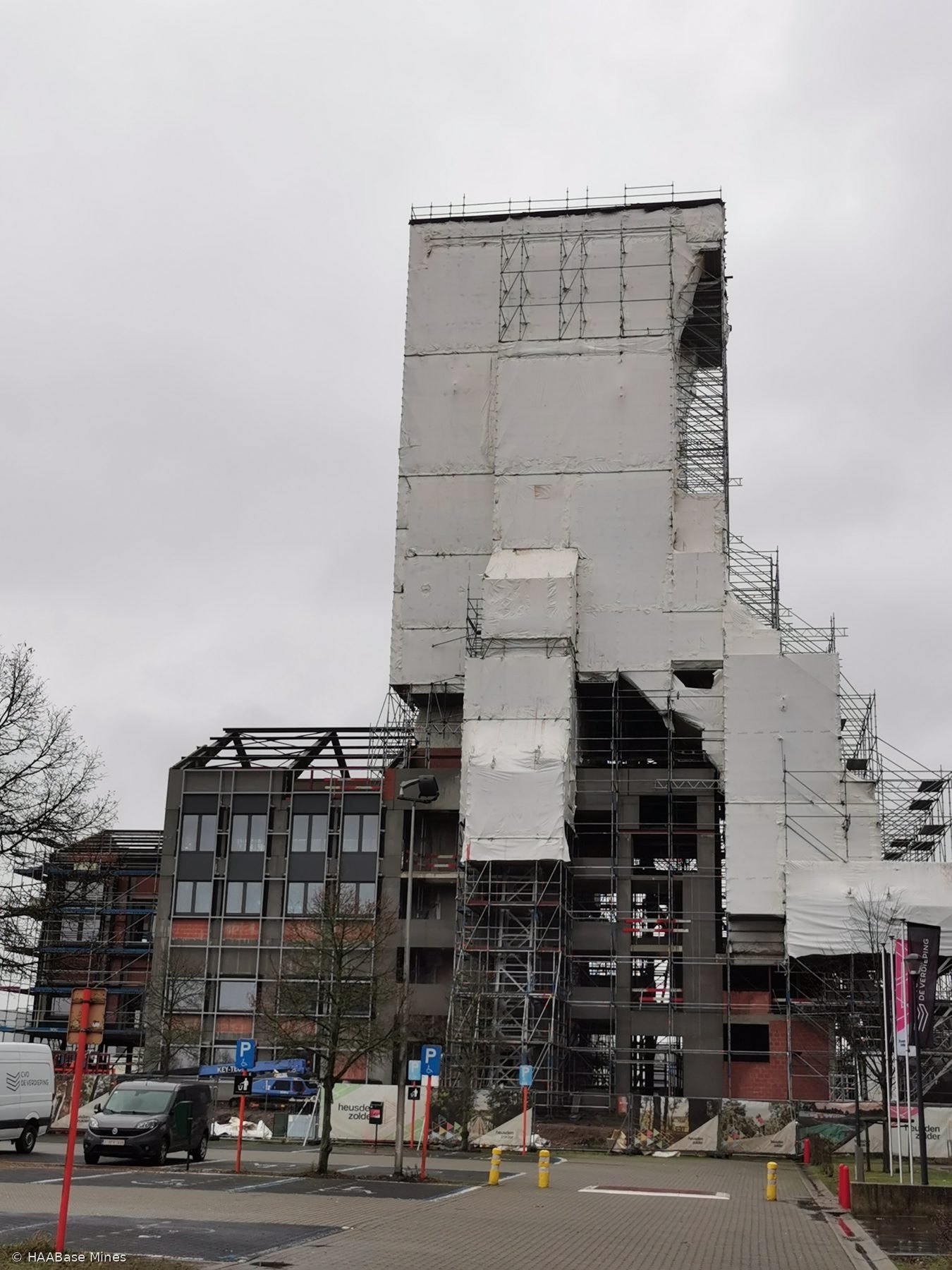
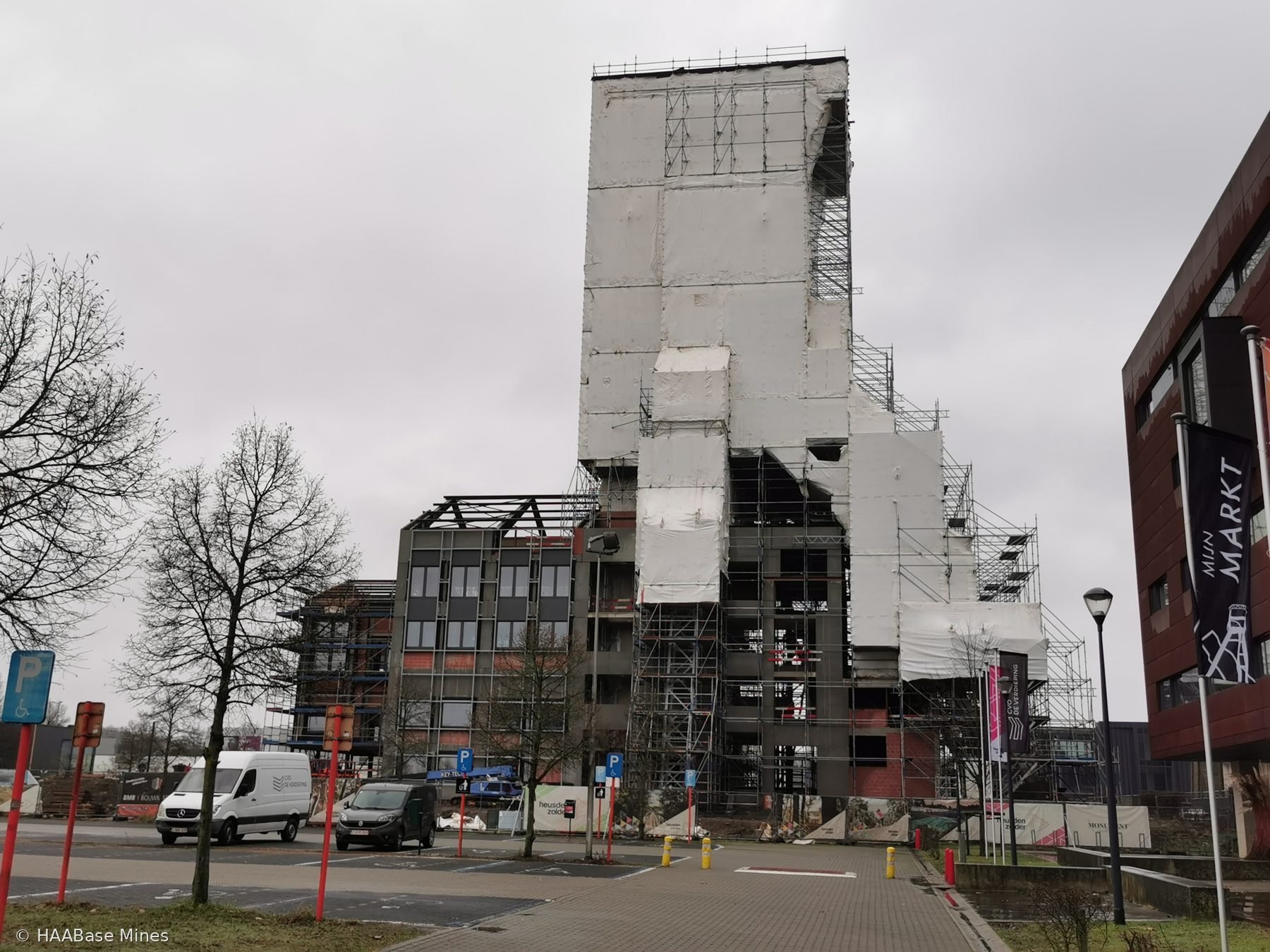
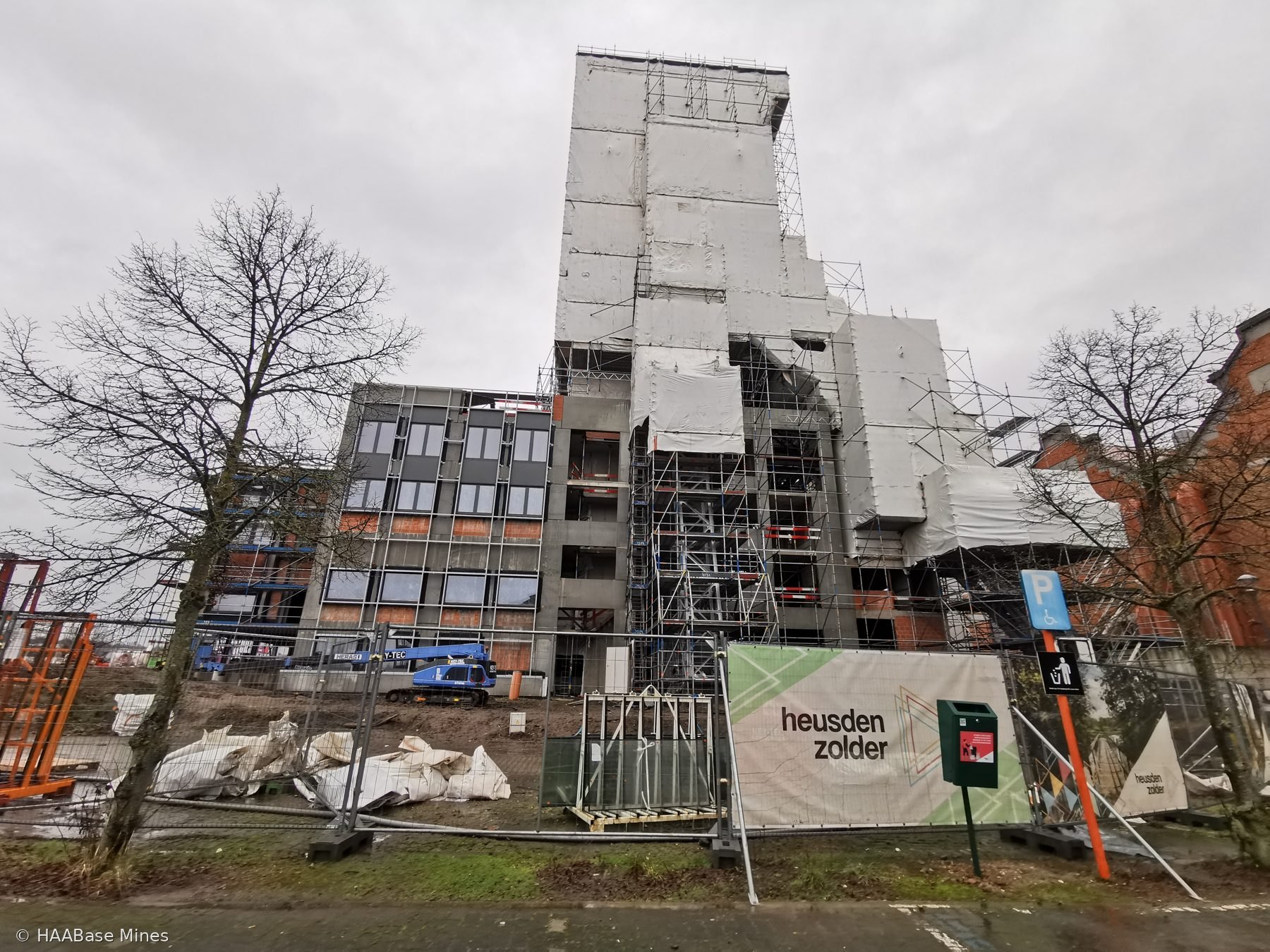
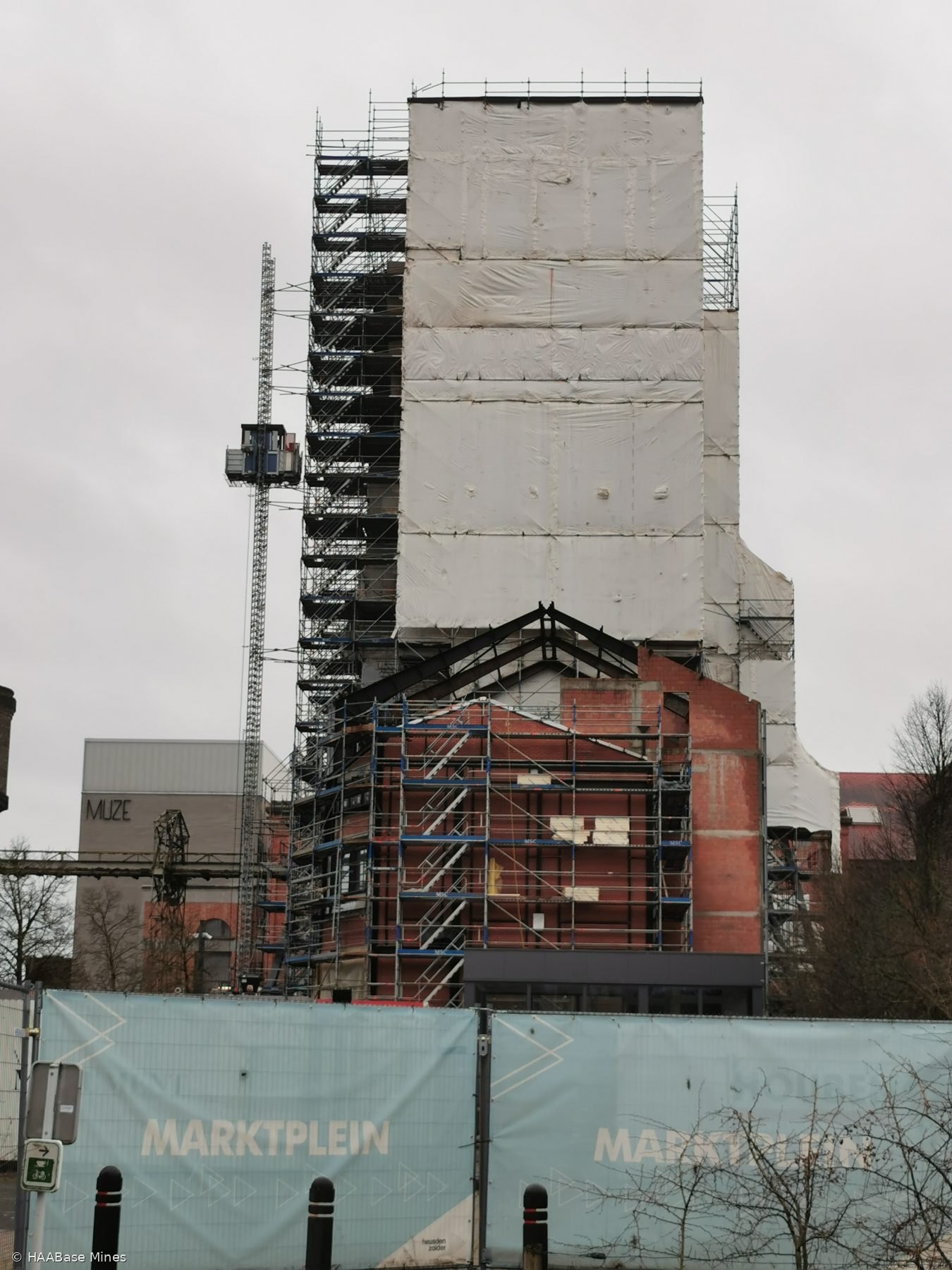
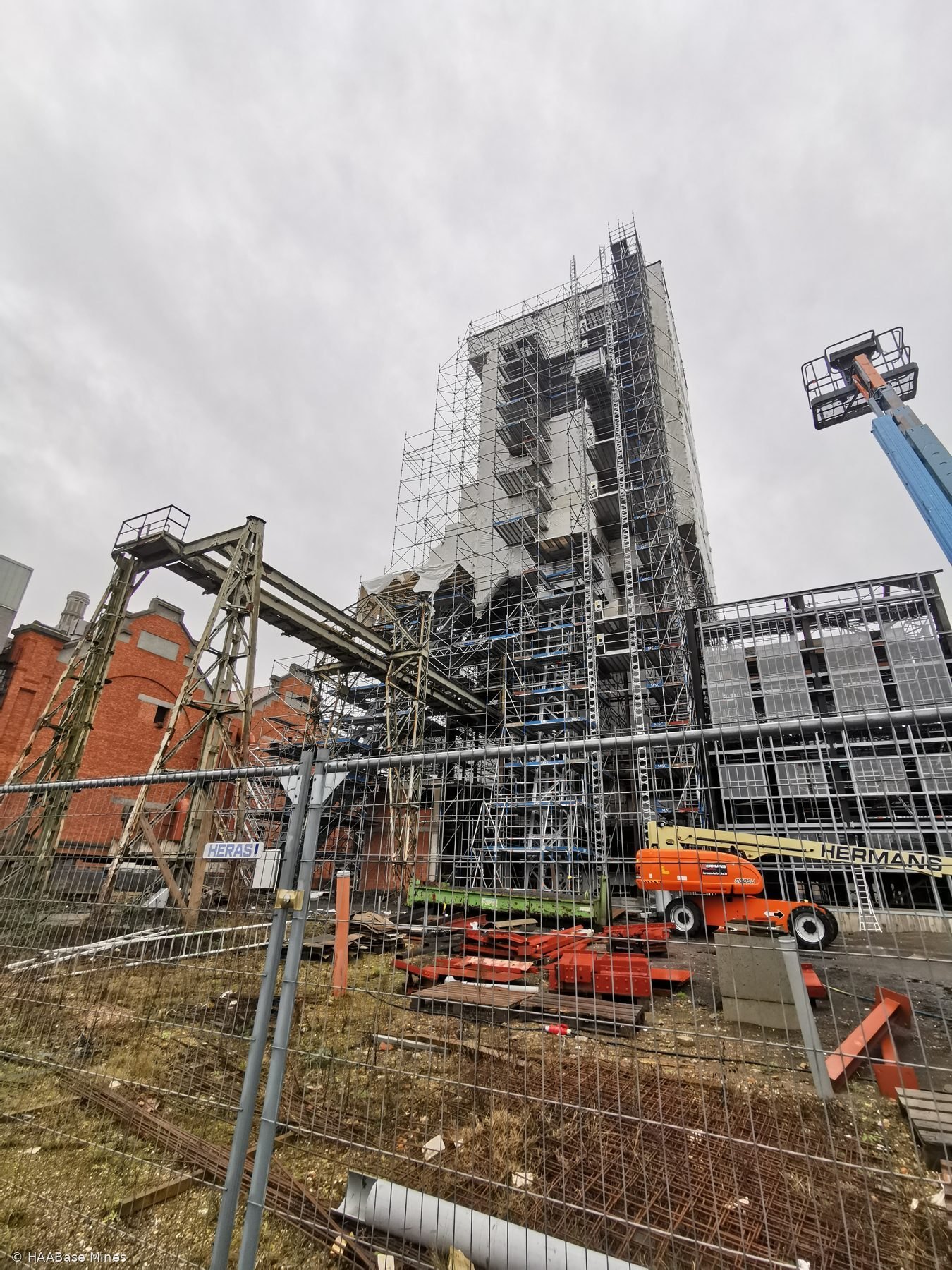
The surviving headframe itself became the focus of a major restoration and adaptation project for an extended-reality training and innovation centre known as the Skip. Work commenced in 2024, with the overall scheme valued at around €16 million. Investigations during conservation found more severe corrosion than expected, requiring replacement of damaged steel and substantial reconstruction of the roof. In February 2026 local reporting suggested that full restoration might continue until autumn 2027, rather than being completed that year. A new skybox was lifted into place on the structure on 1 September 2026, while restoration of the historic roof continued. Thus the outline of the shaft tower remains a powerful landmark above a changing industrial landscape, its machinery halls and neighbouring buildings offering a remarkably tangible account of the coalfield’s final working generation.