1901–1902
Initial coal survey borings at Winterslag
Borings in 1901–02 at Winterslag and Gelieren confirmed the coal potential of the Genk area.
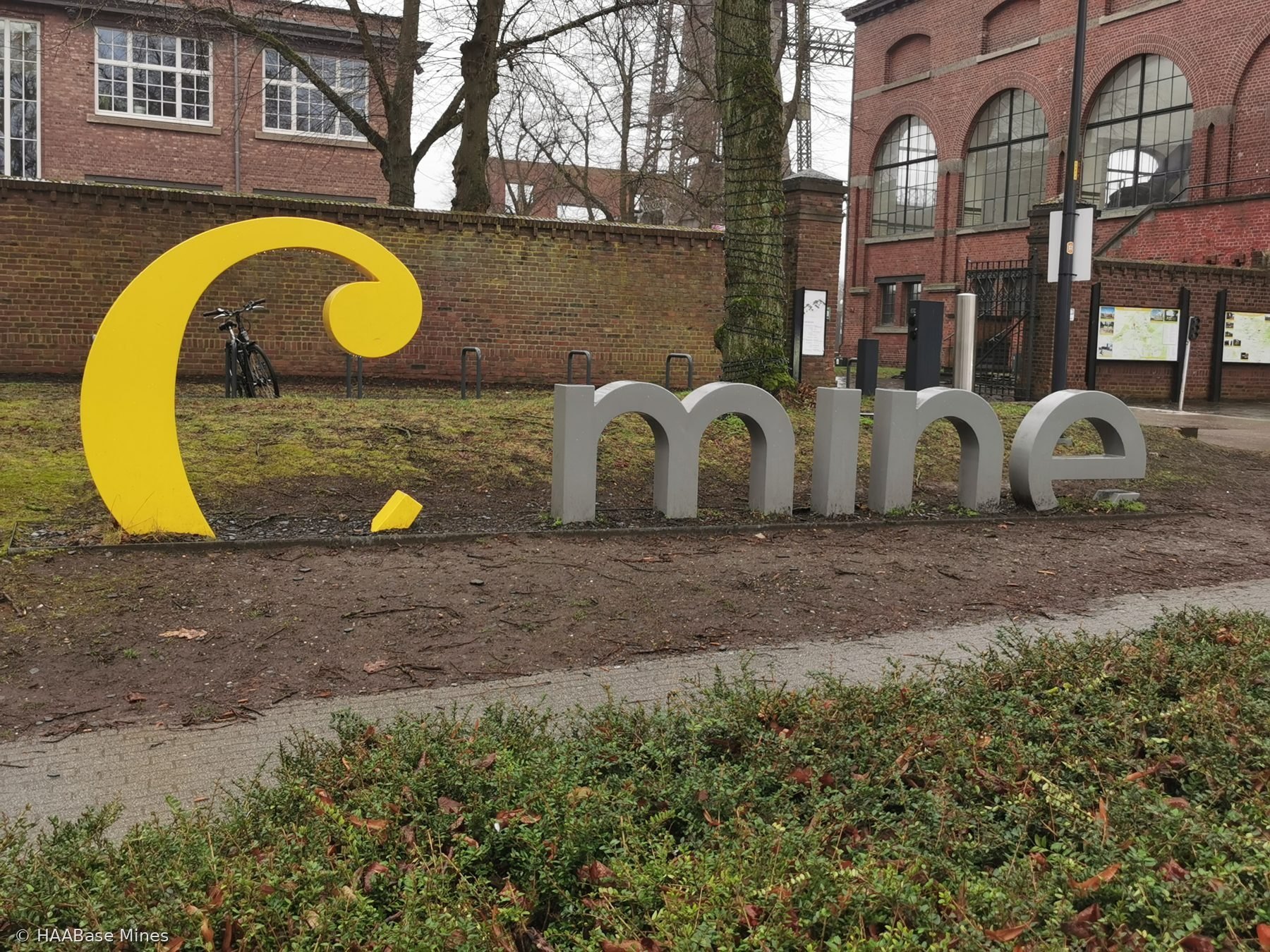
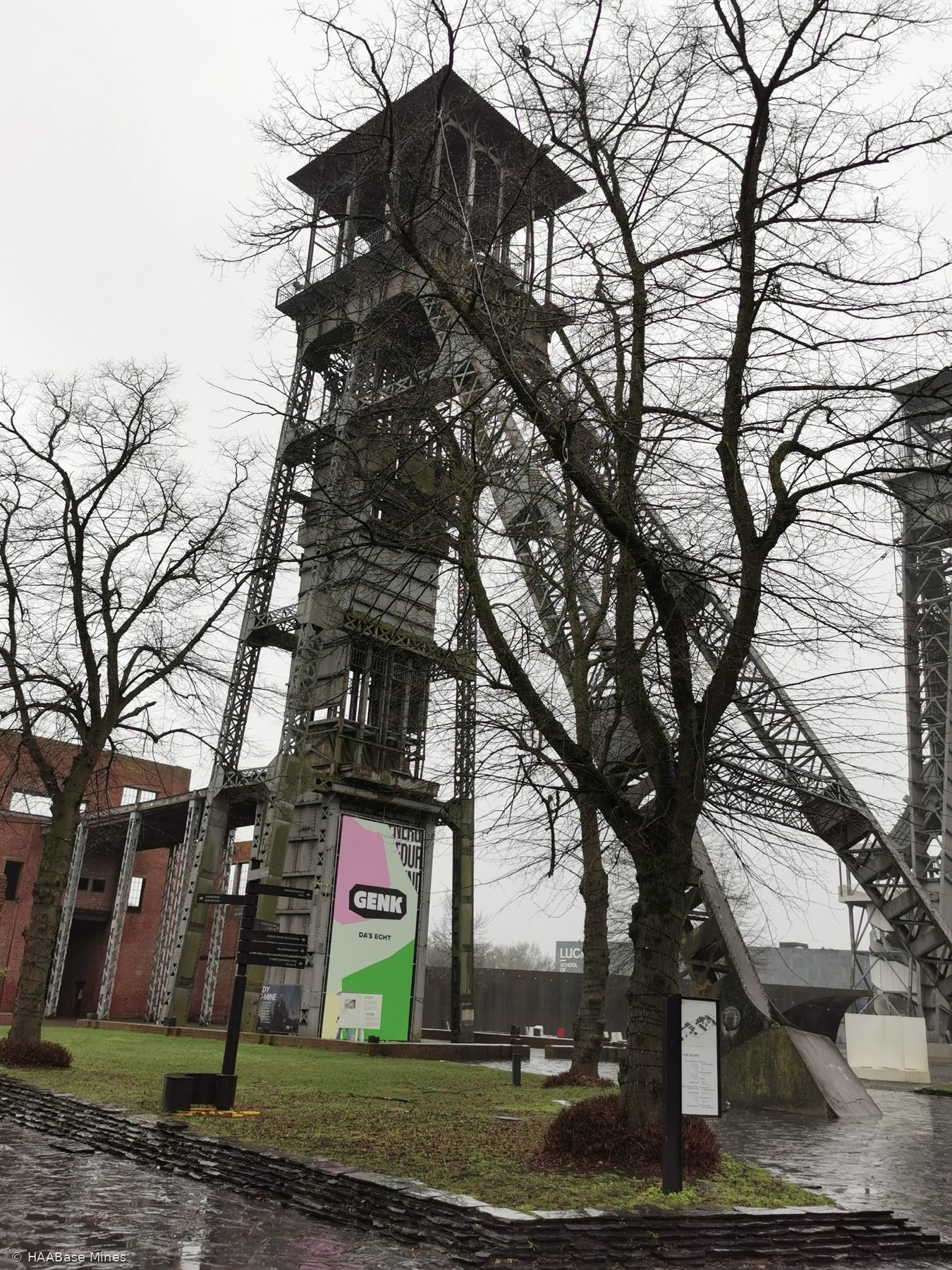
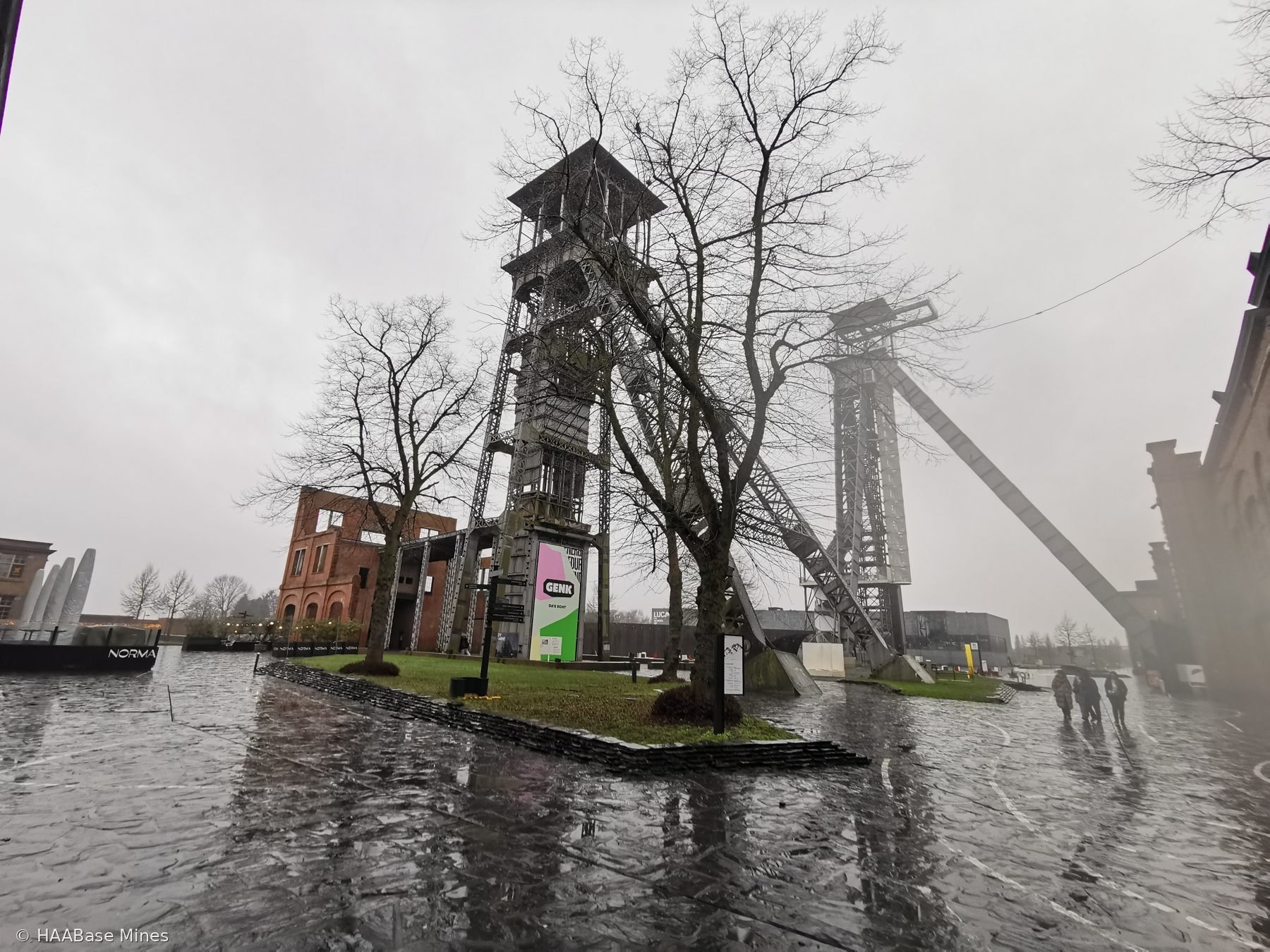
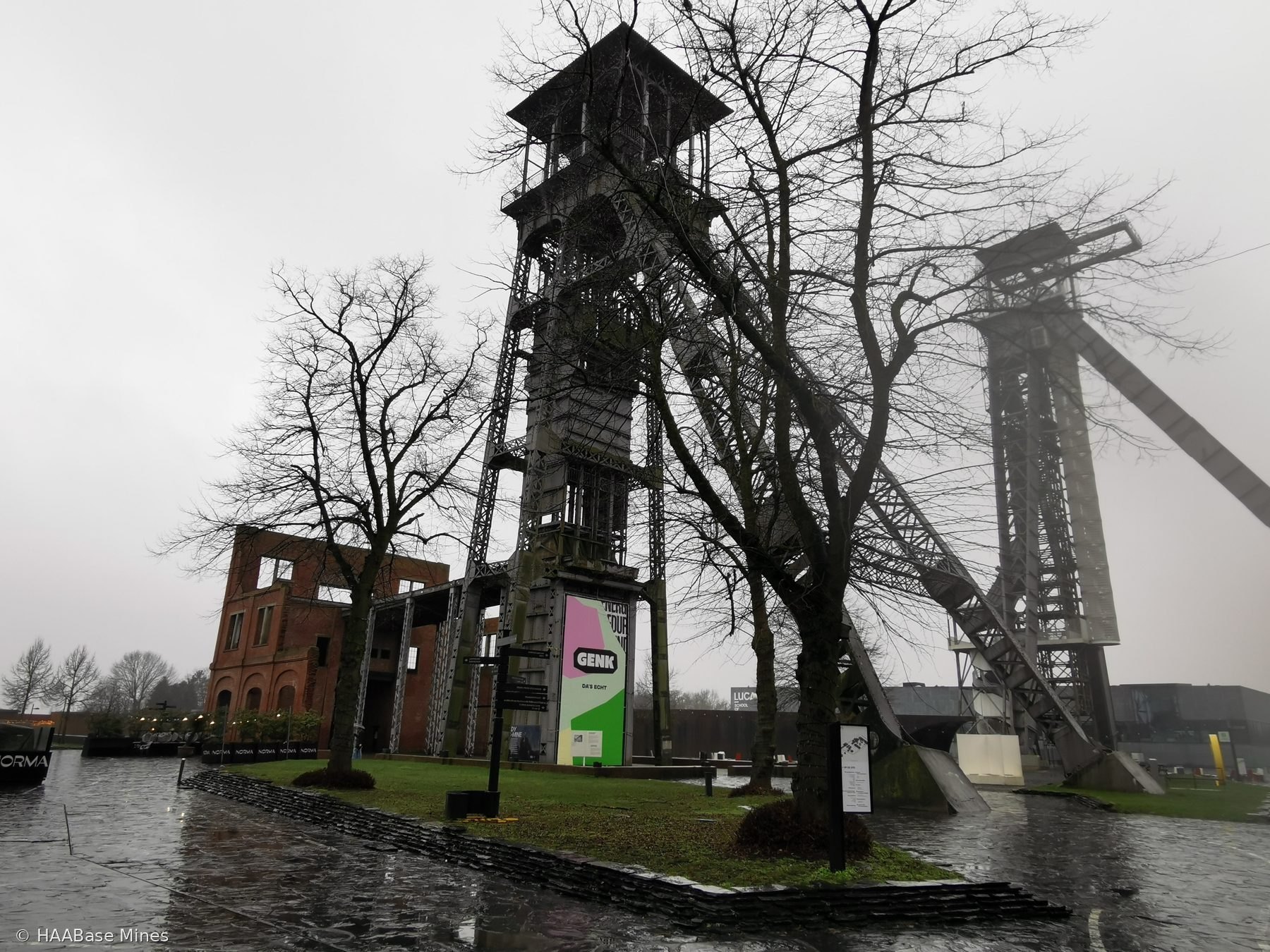
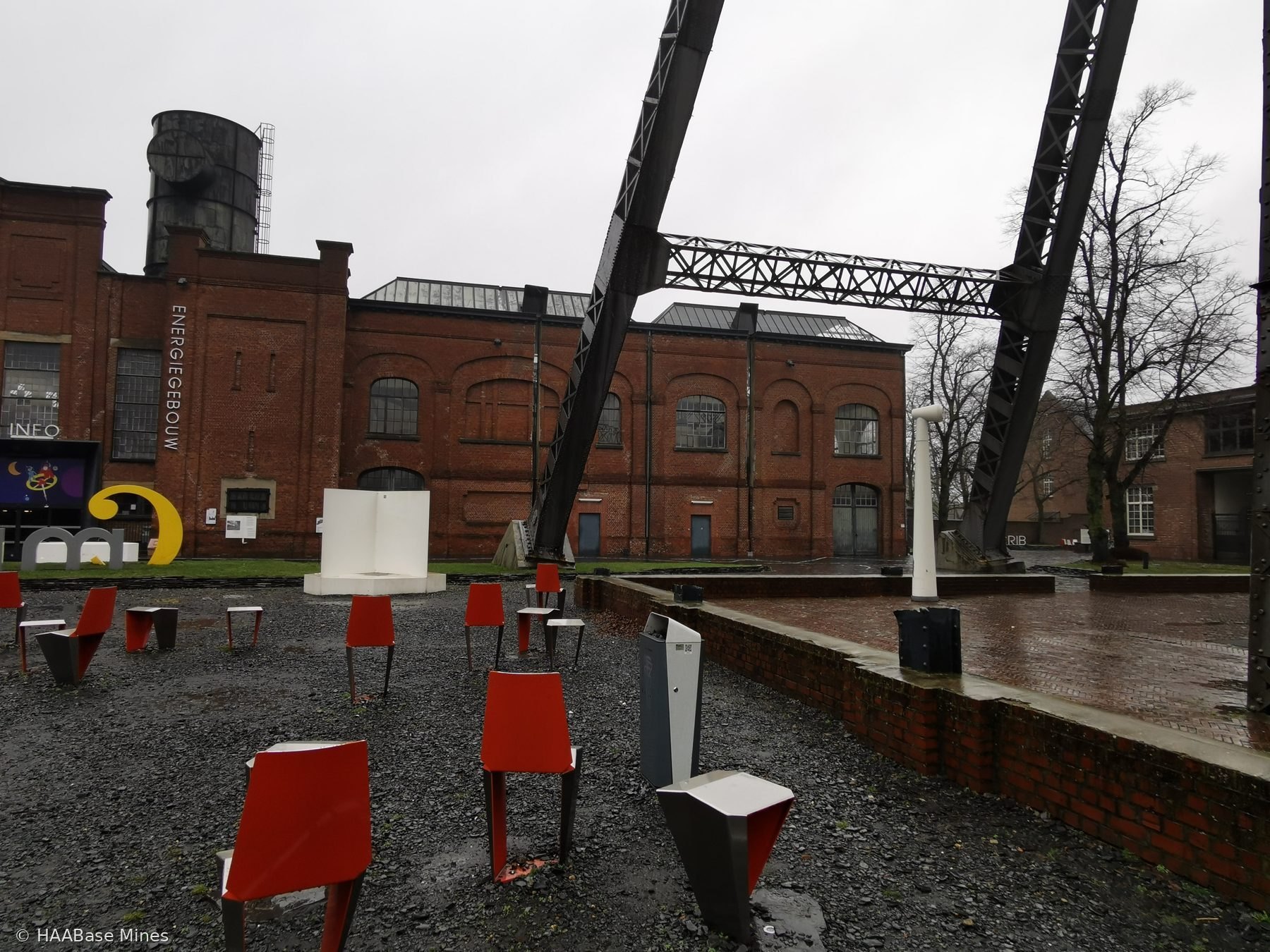
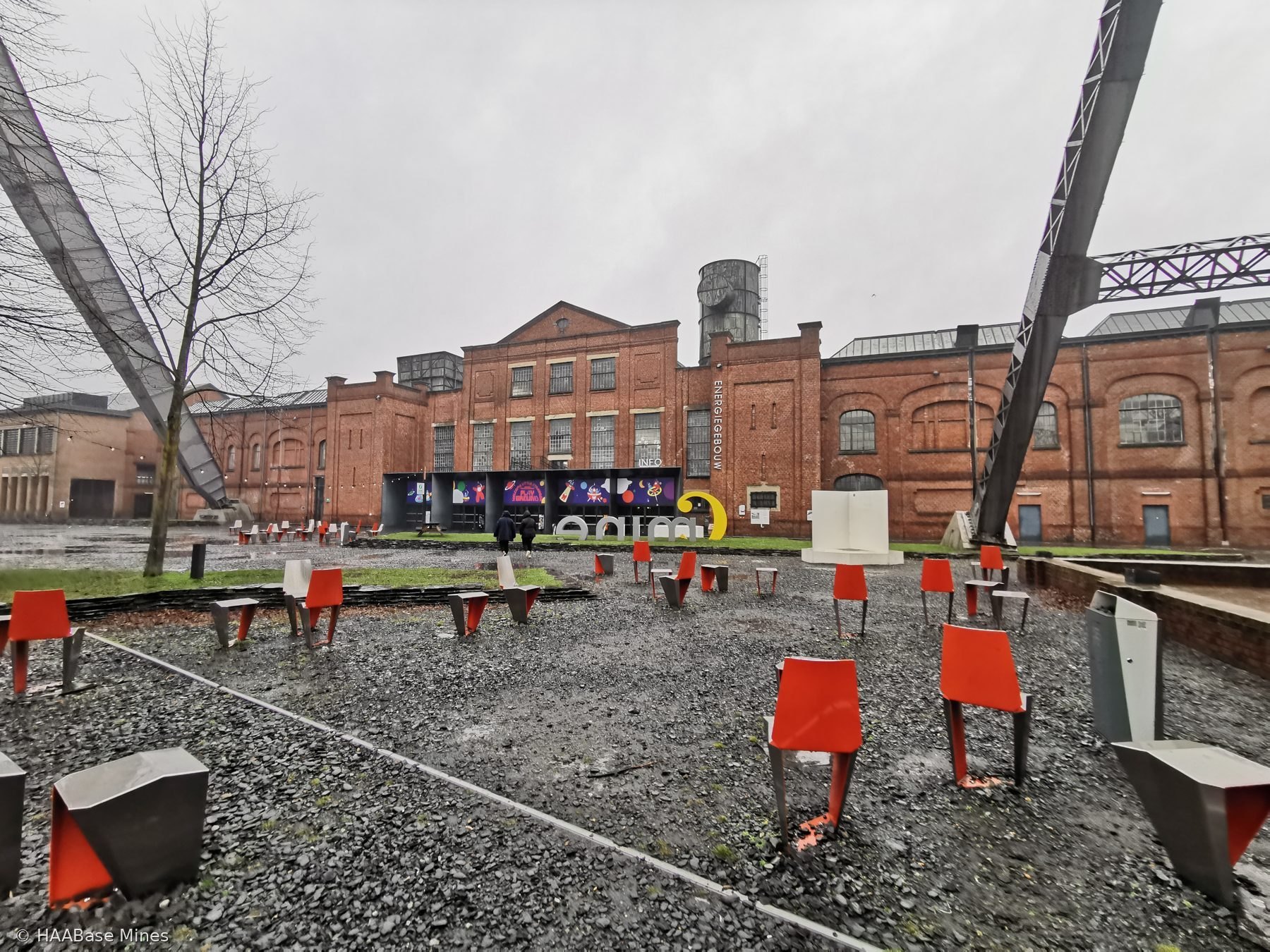
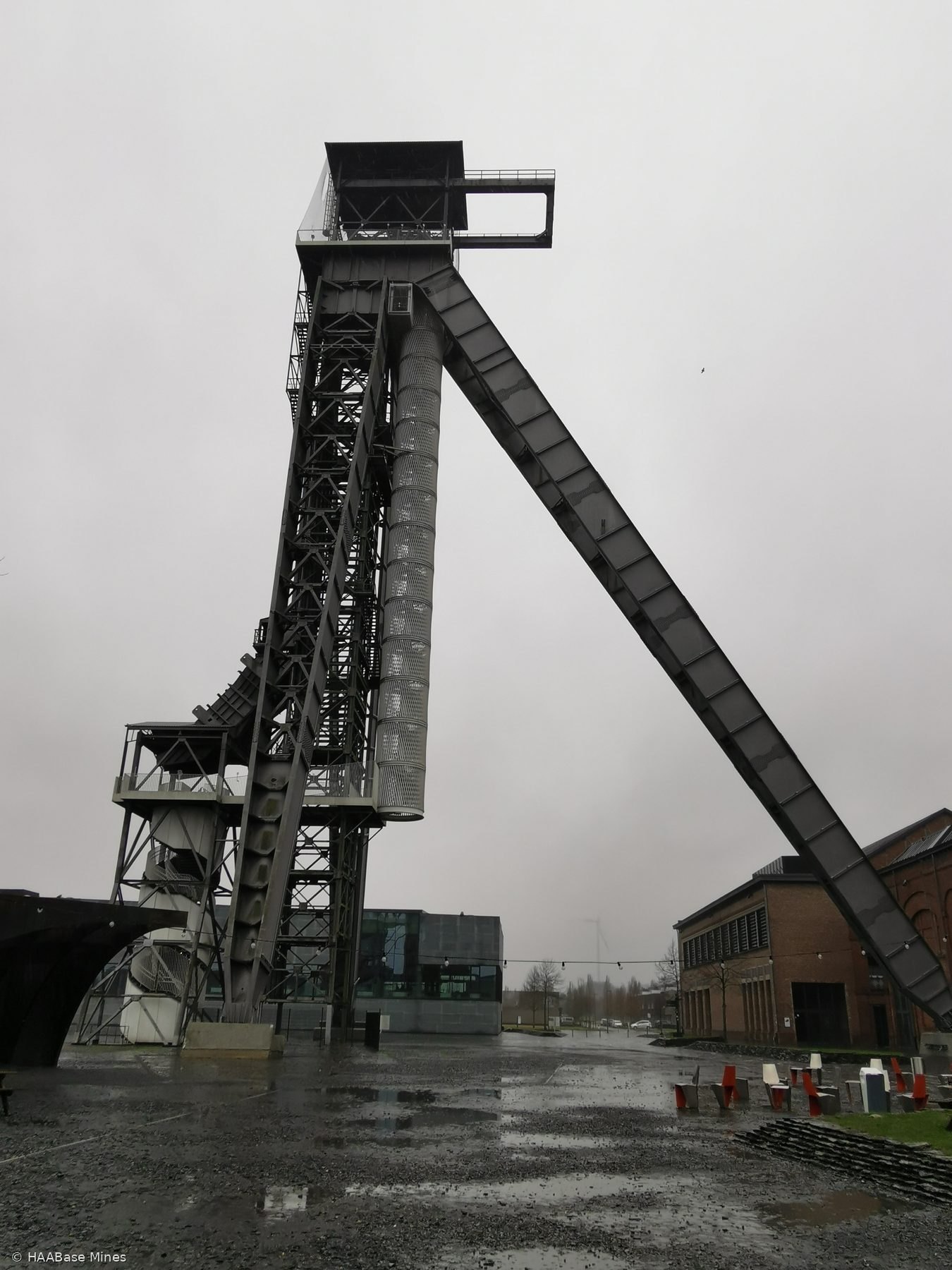
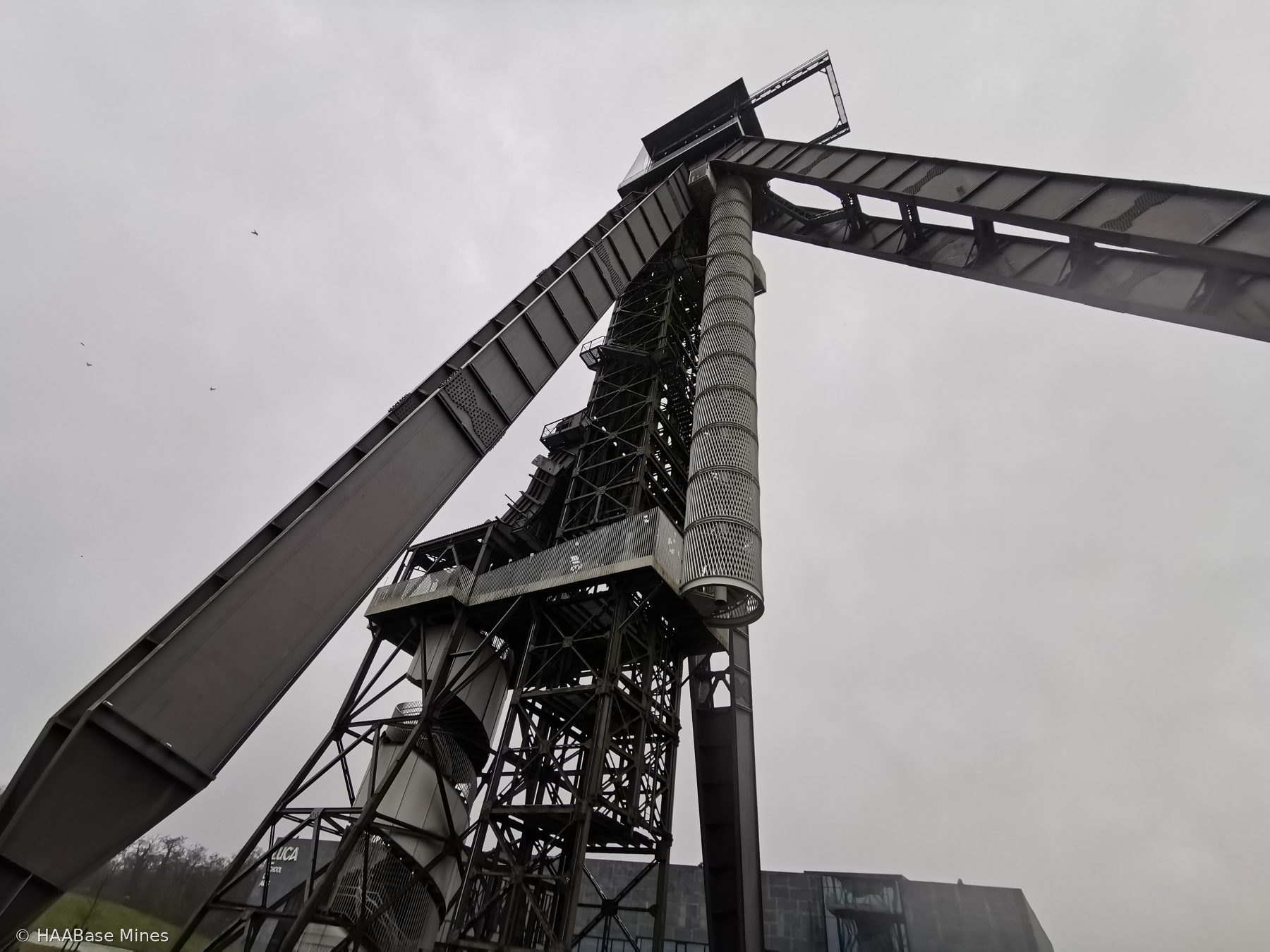
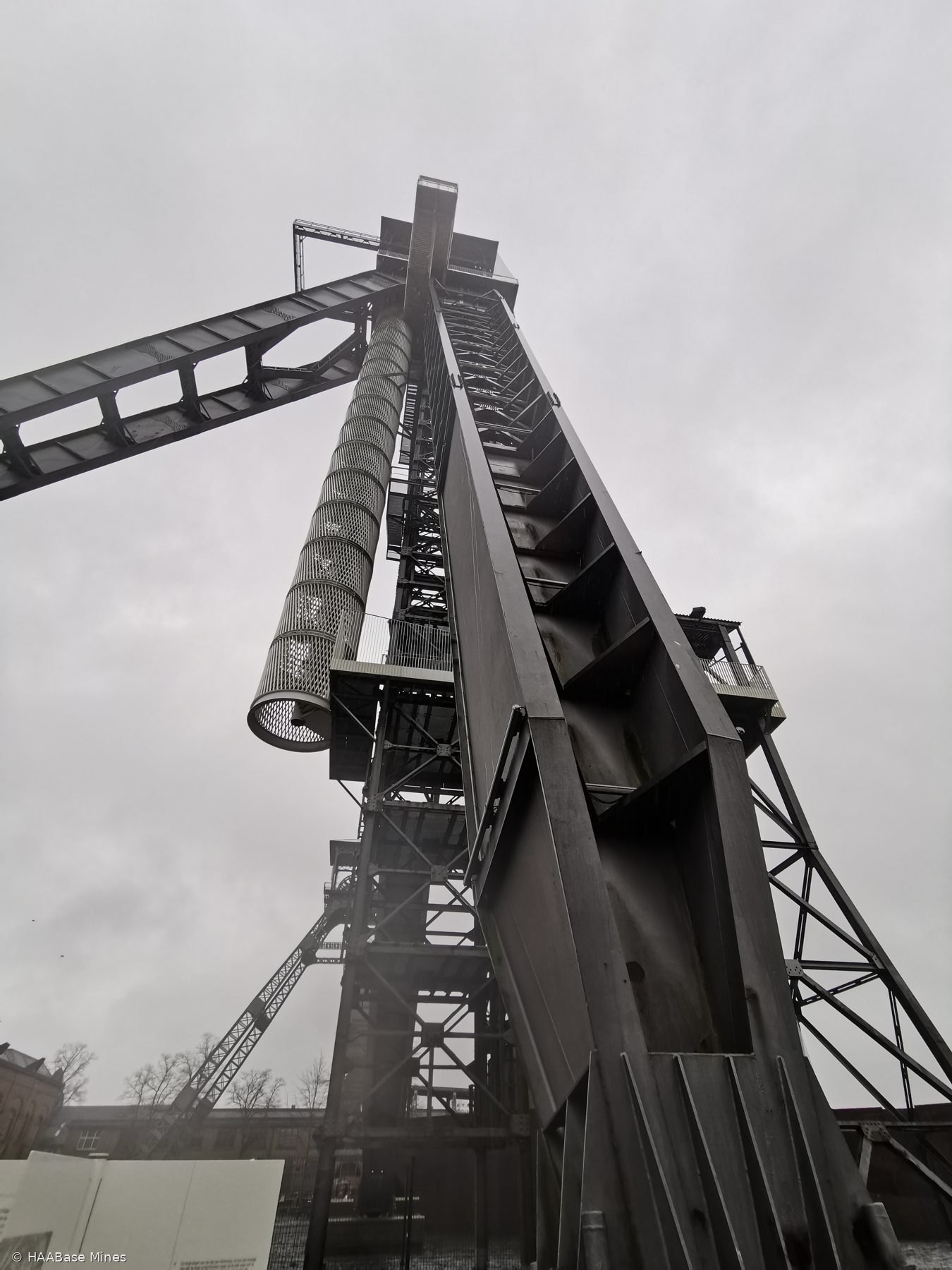
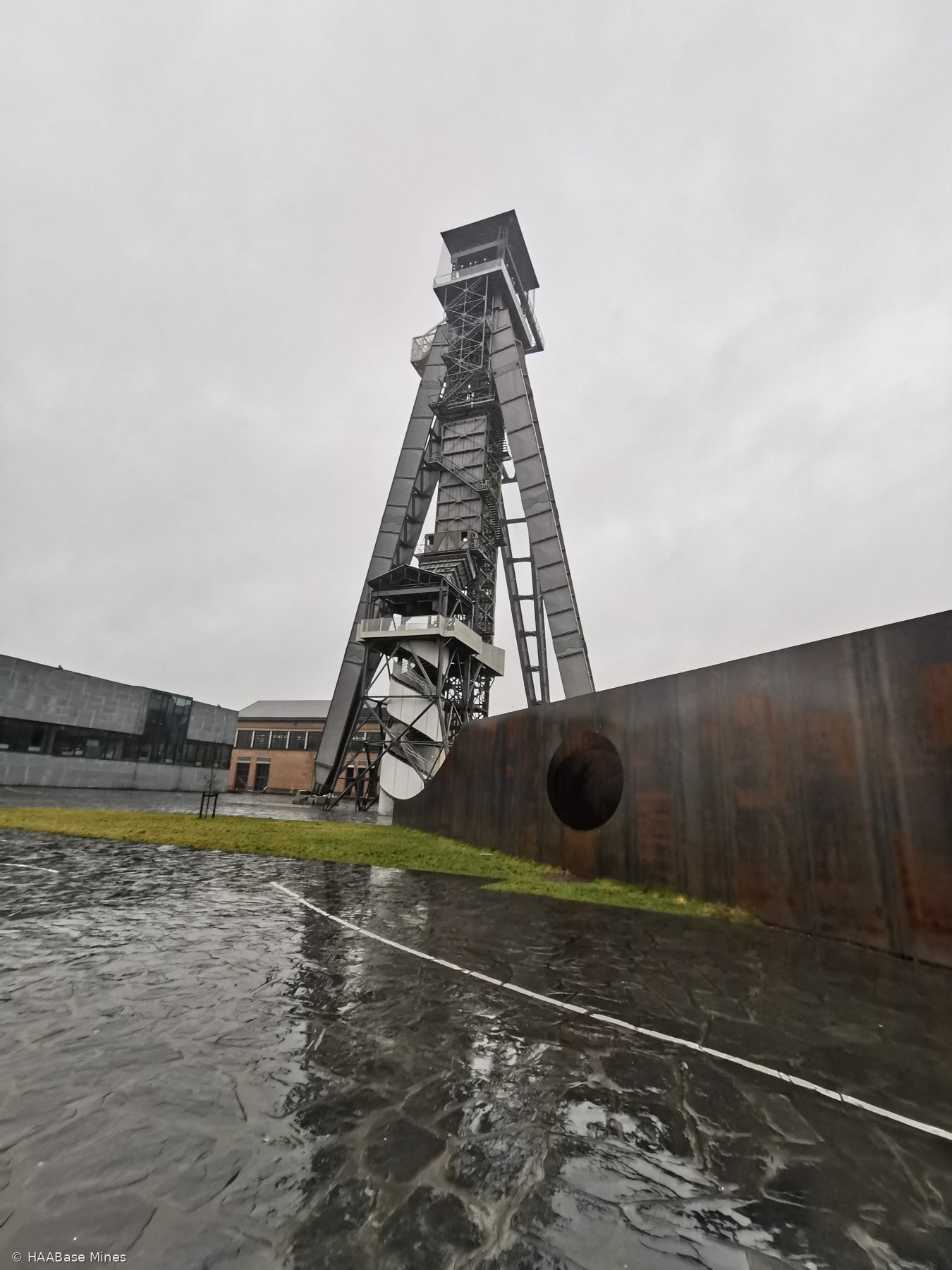
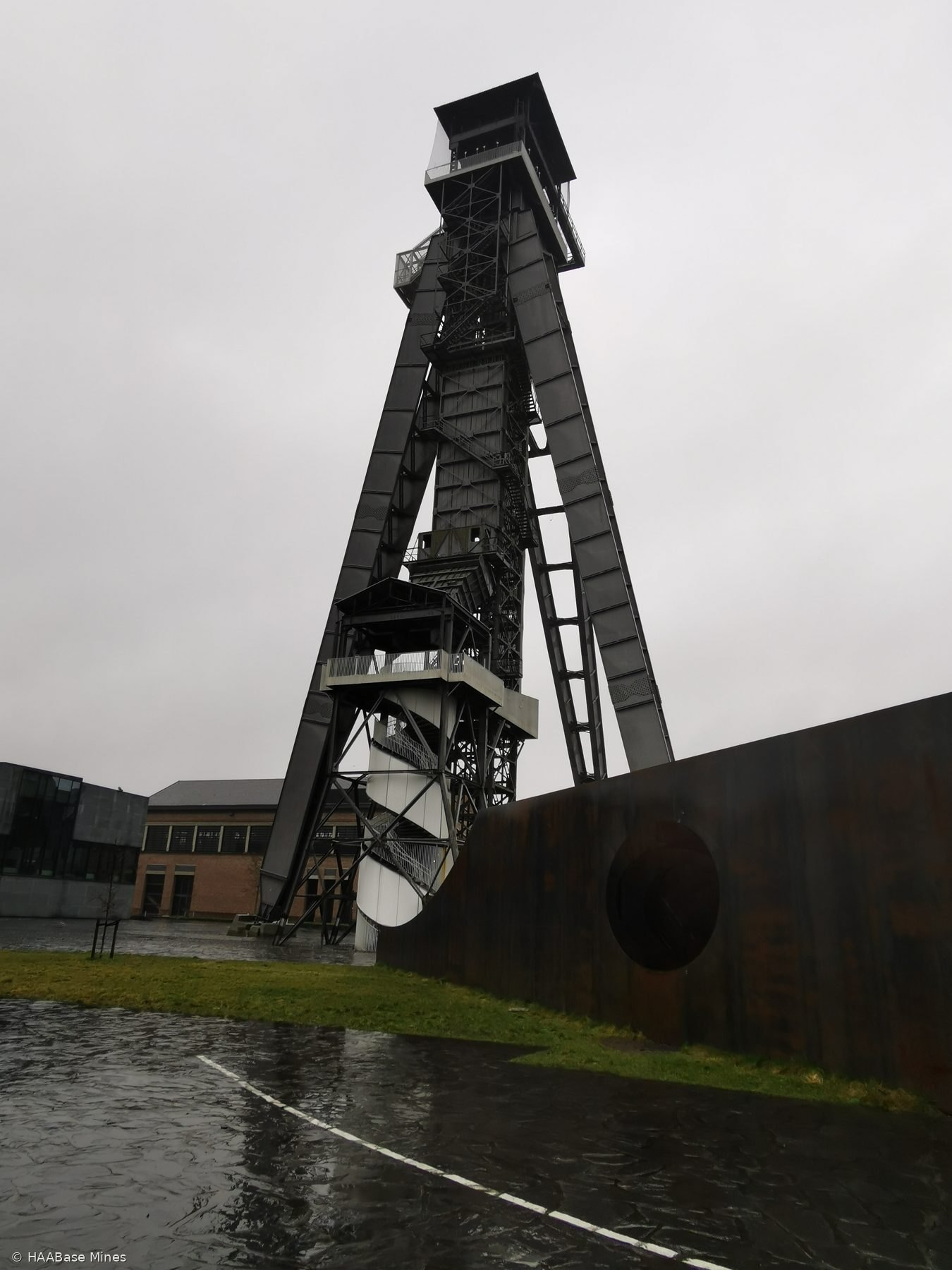
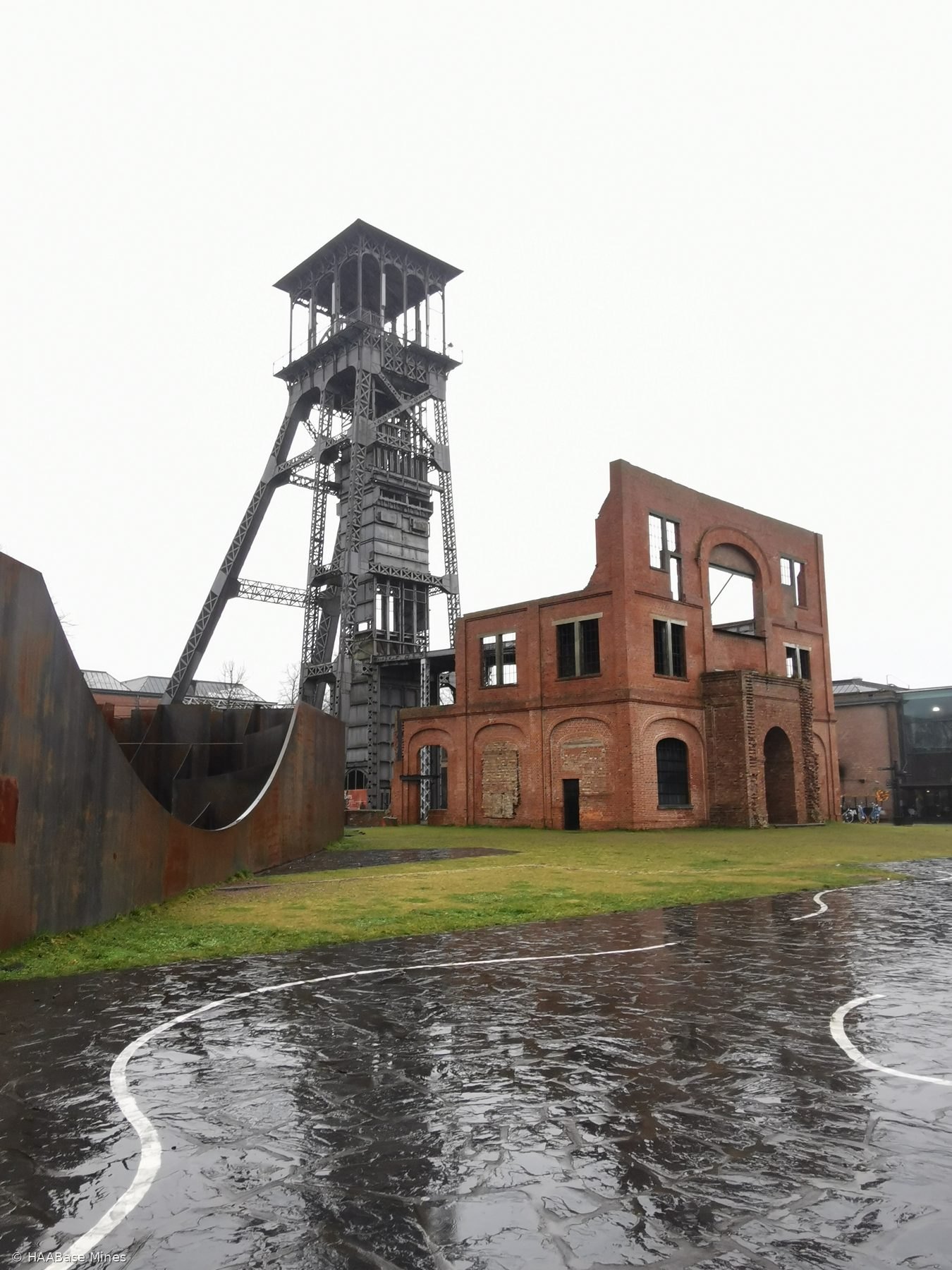
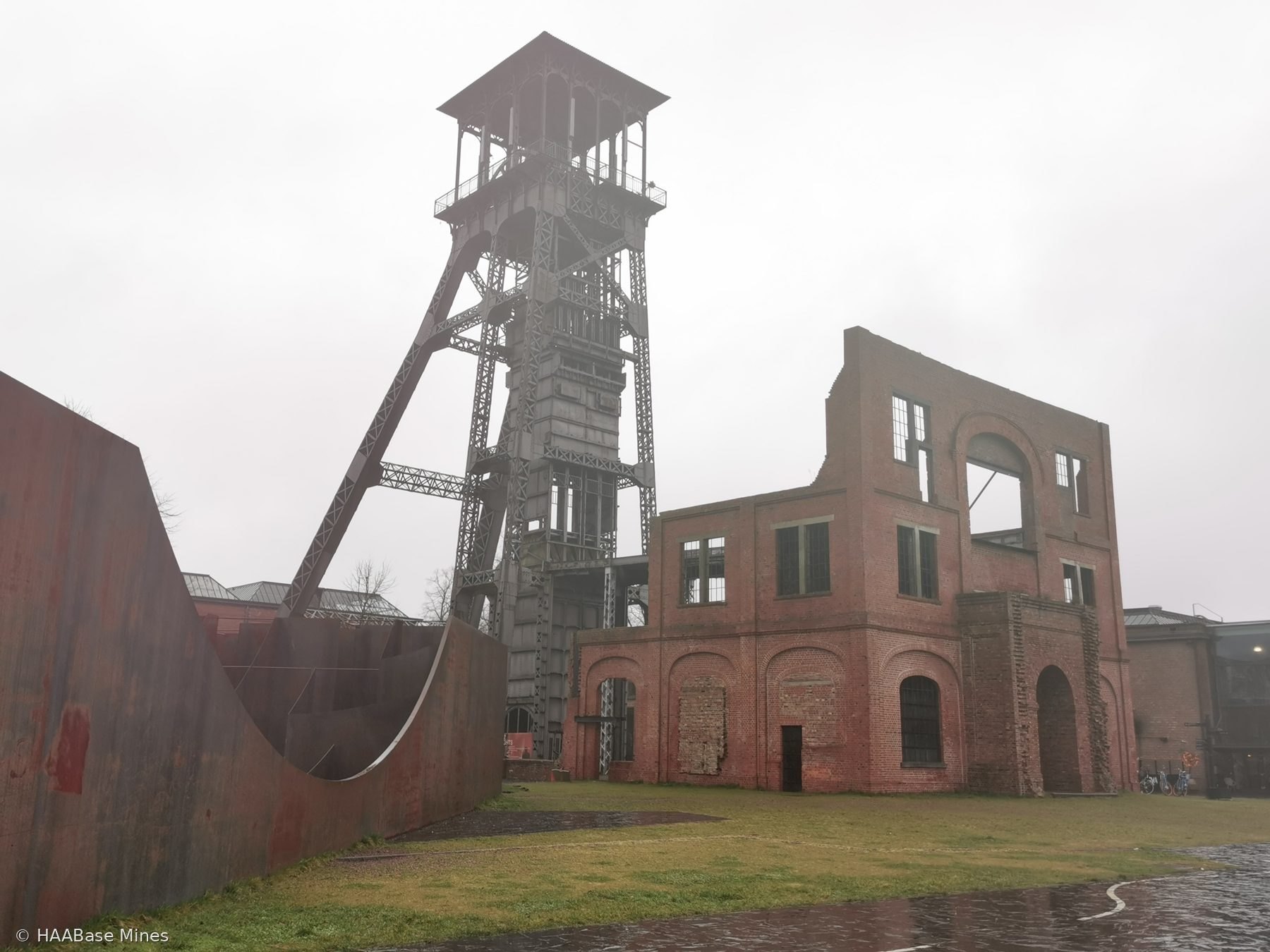
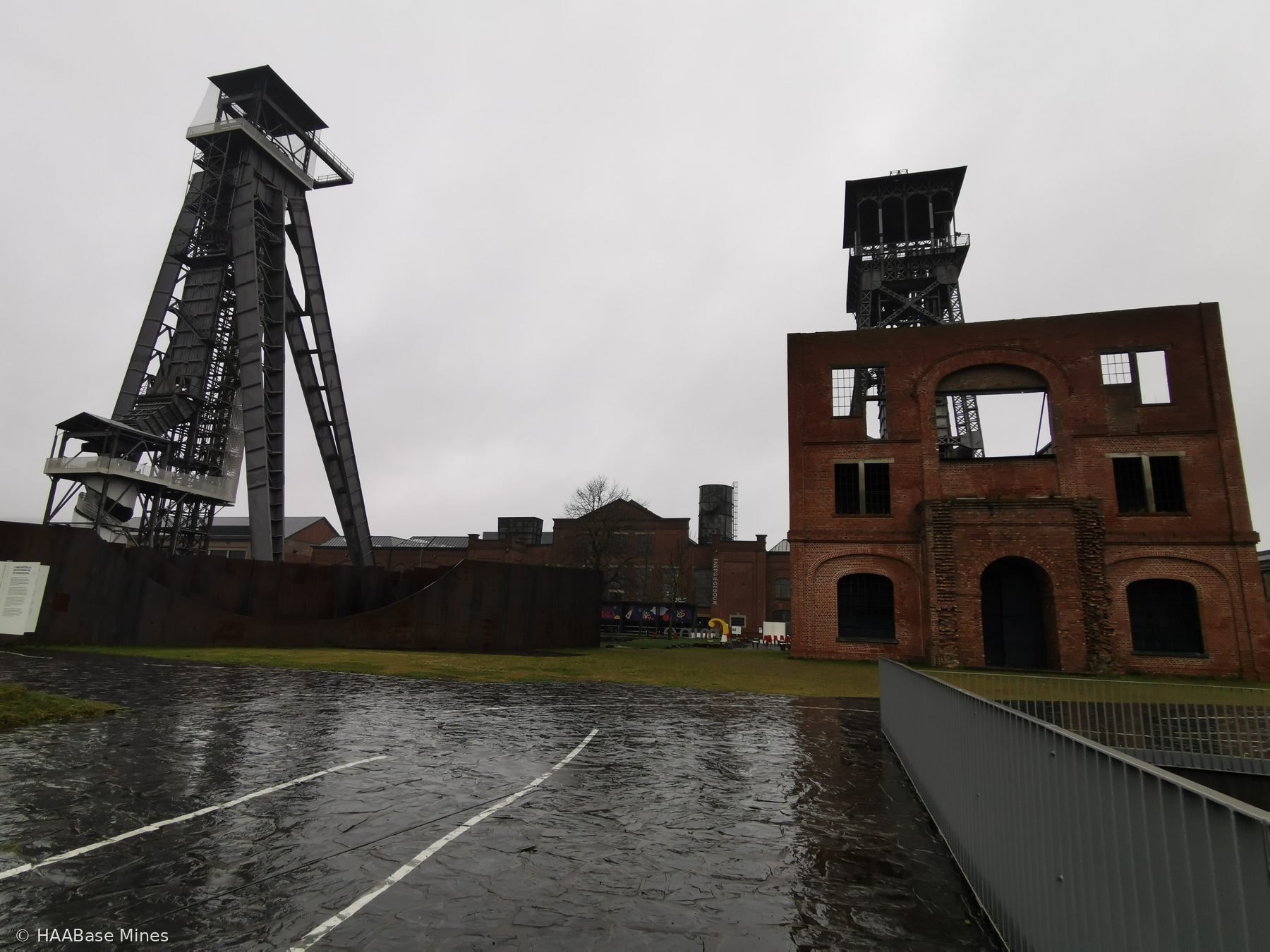
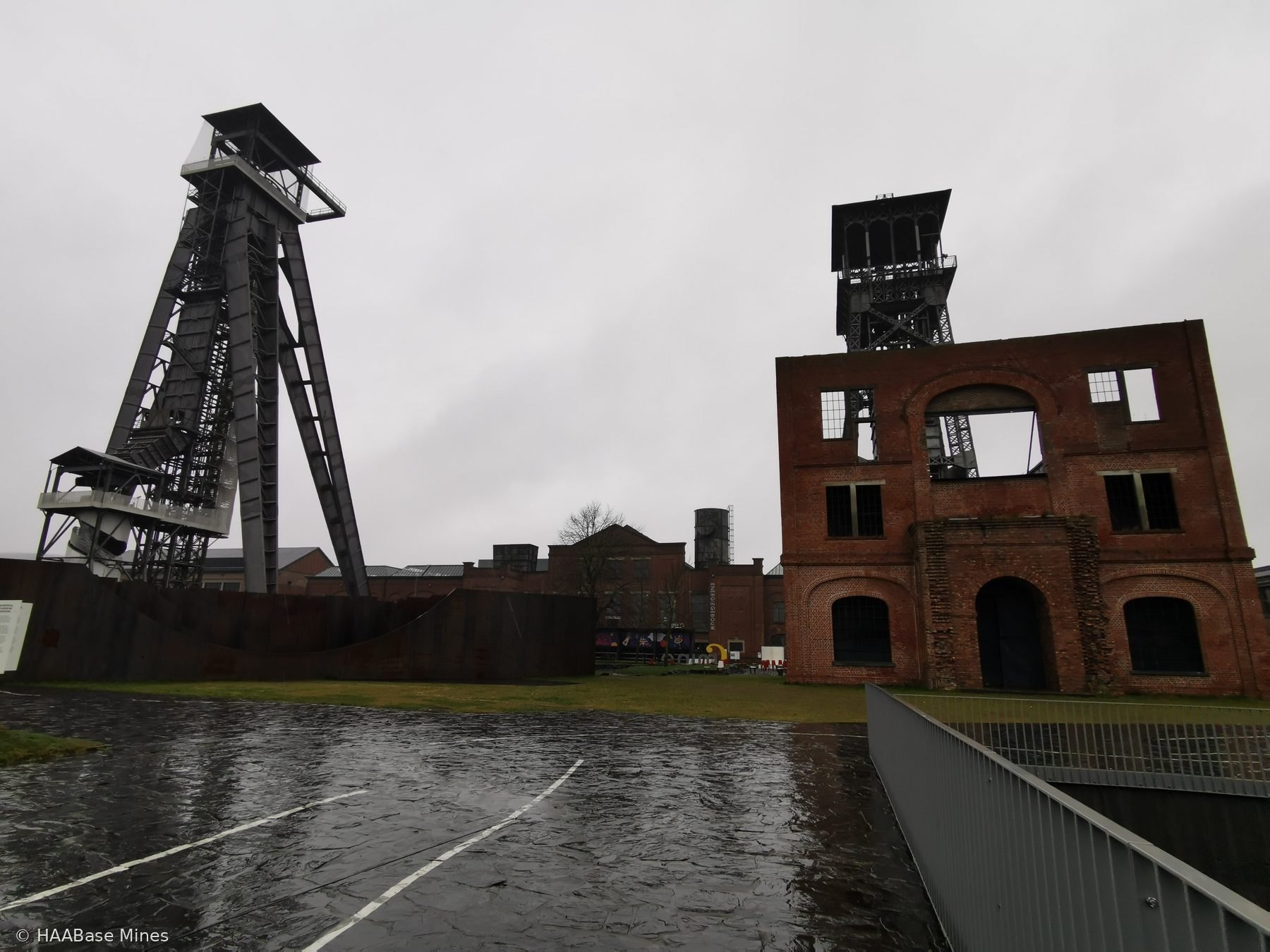
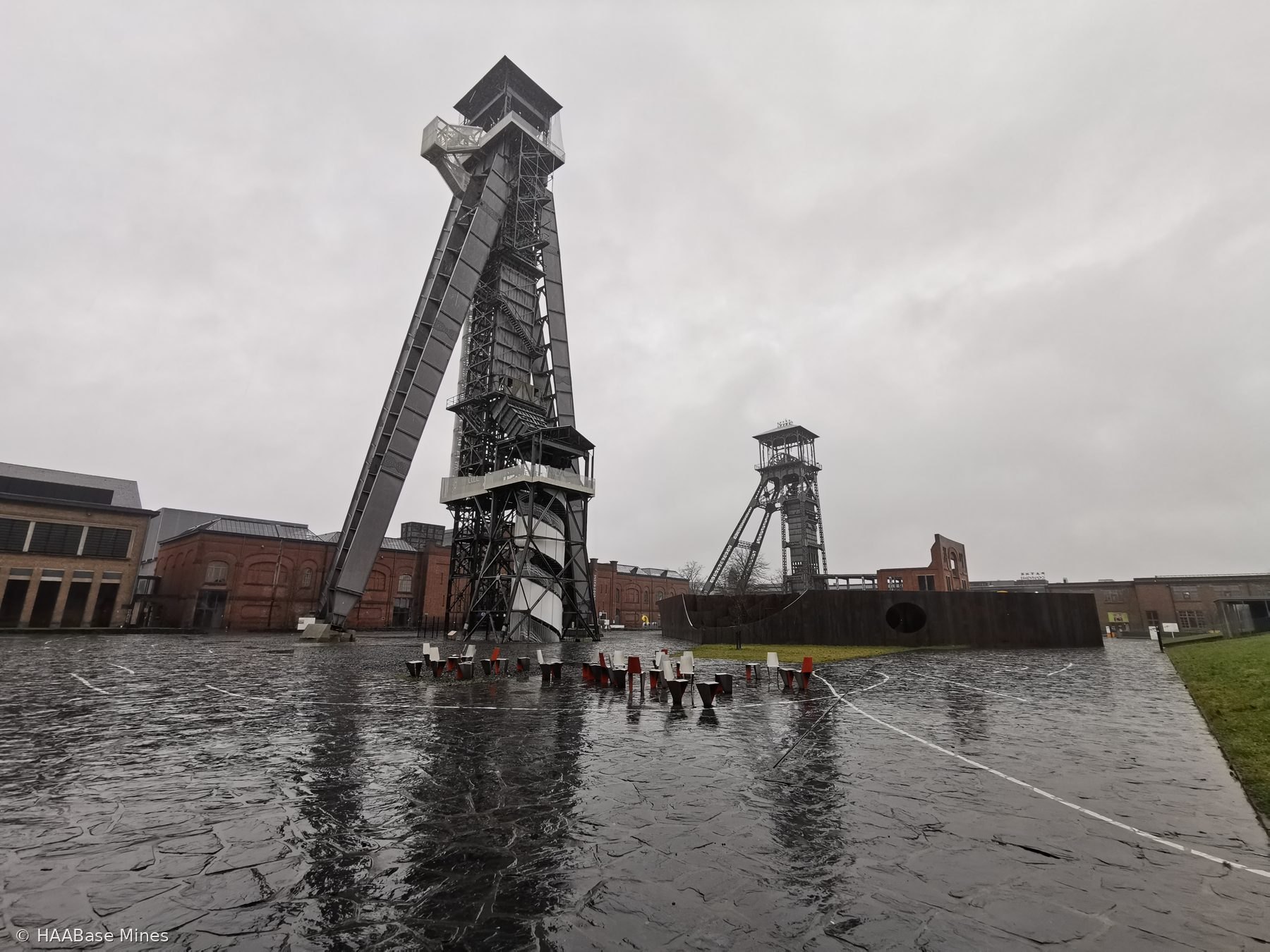
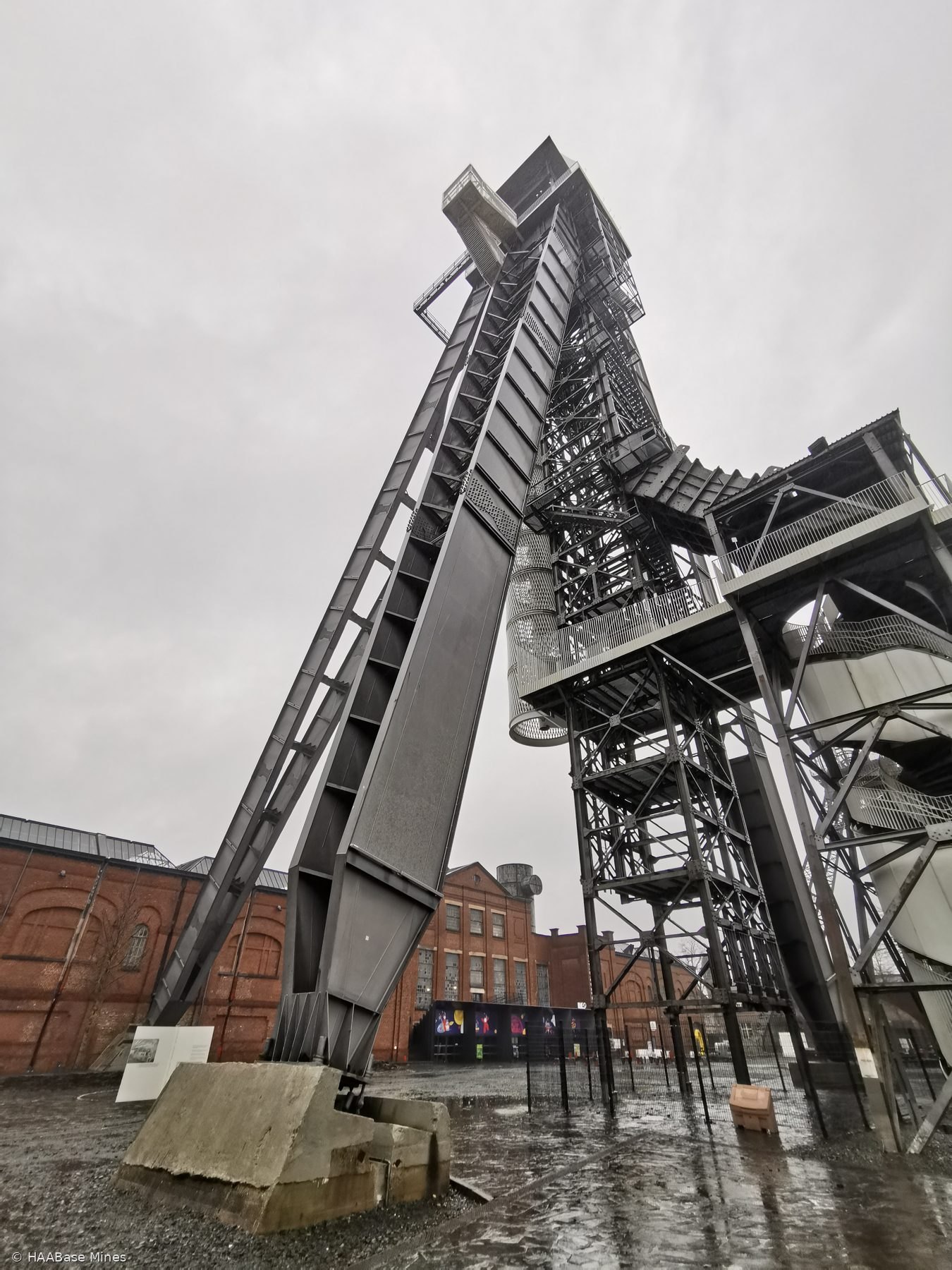
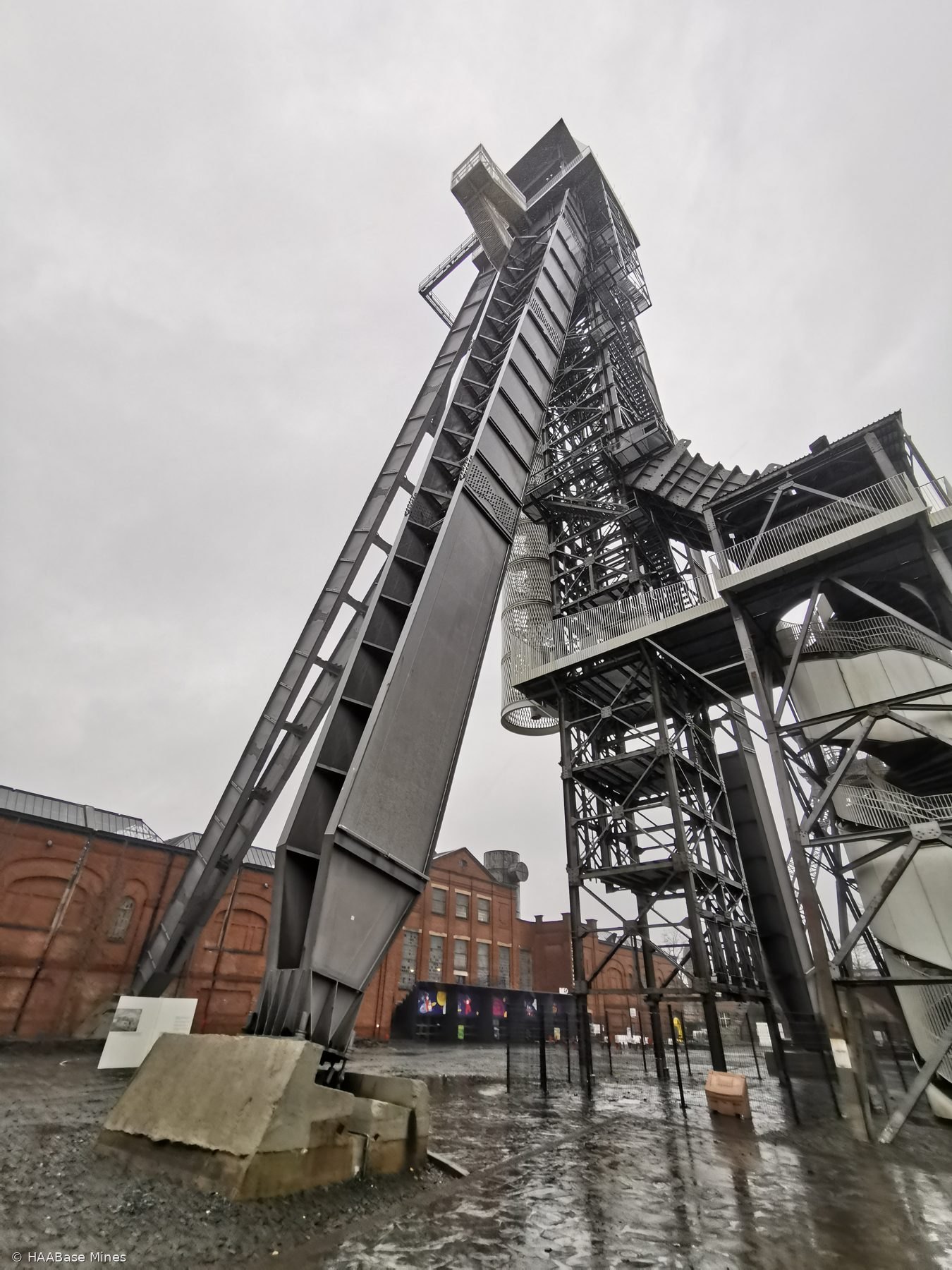
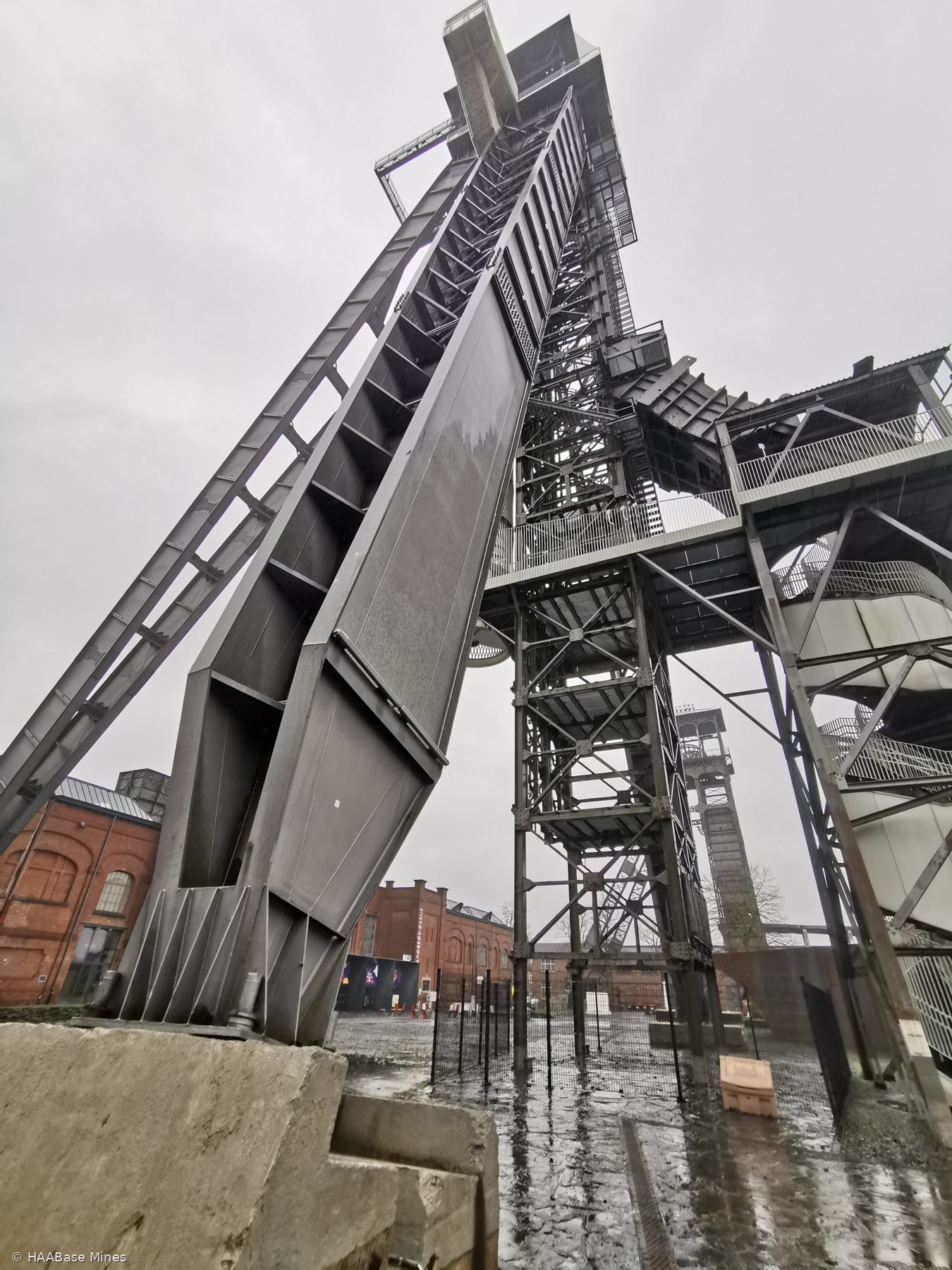
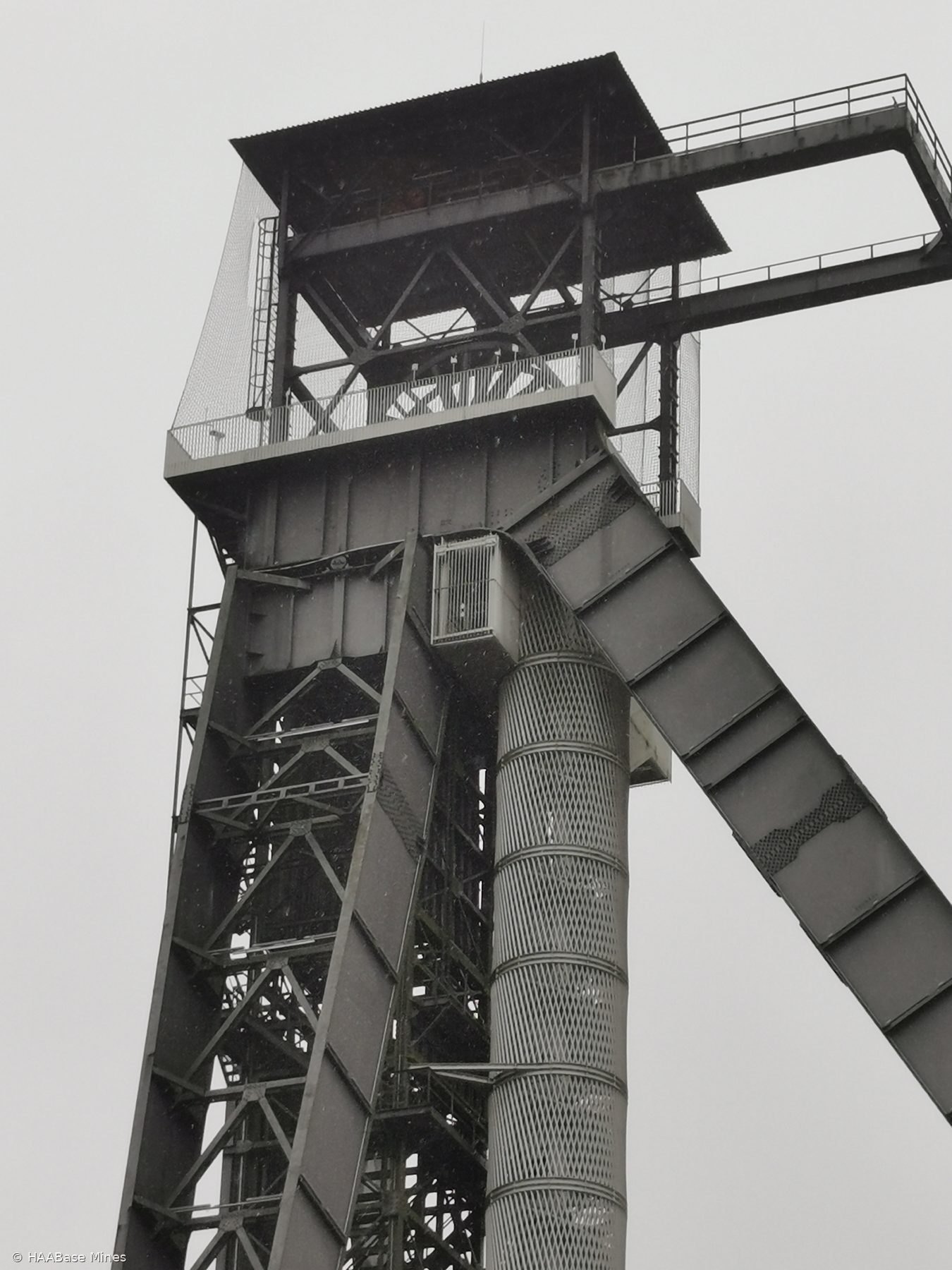
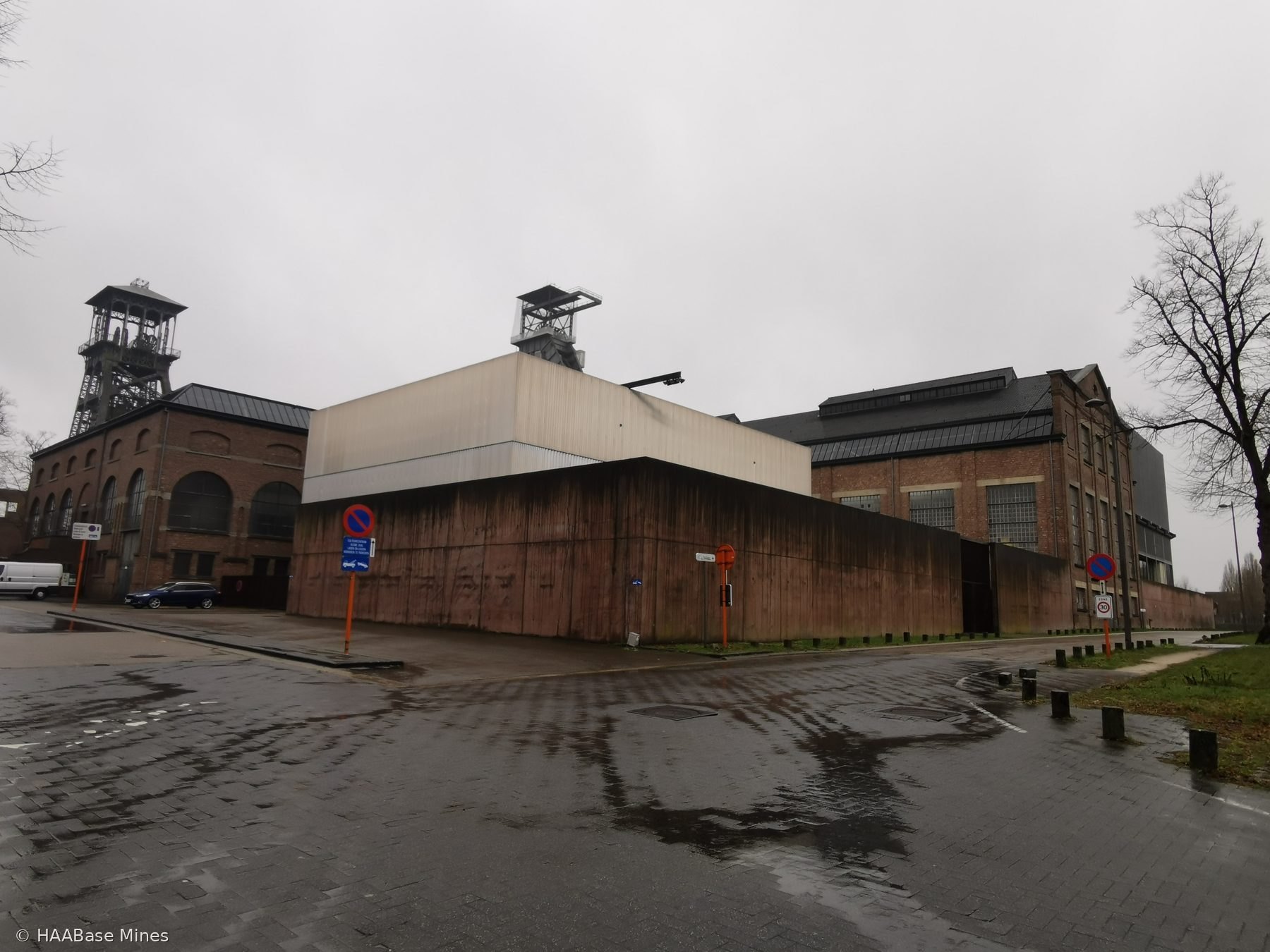
Former Winterslag coal mine at Genk, now C-mine, retaining its 1915 and 1963 steel headframes, winding houses and important protected industrial buildings.
The history, timeline and surviving-site classification shown here reflect the reviewed account.
The record identifies the former Winterslag colliery in Genk, the first Kempen mine to raise coal in 1914 and begin commercial production in 1917. The history and timeline are strongly documented by the official Flemish heritage inventory, statutory monument records, C-mine site history and specialist mining-history sources. Evidence establishes the distinct origins of the surviving Schacht II headframe of 1915 and Schacht I skip tower of 1963, the closure of the colliery on 31 March 1988, the survival of important pithead buildings and the subsequent cultural transformation.
The first protection order dates from 23 April 1993. Some exact production totals and particular redevelopment project dates rest on secondary rather than contemporary records, so they are presented with appropriate qualification. Overall the physical identity and principal chronology are supported to high confidence.
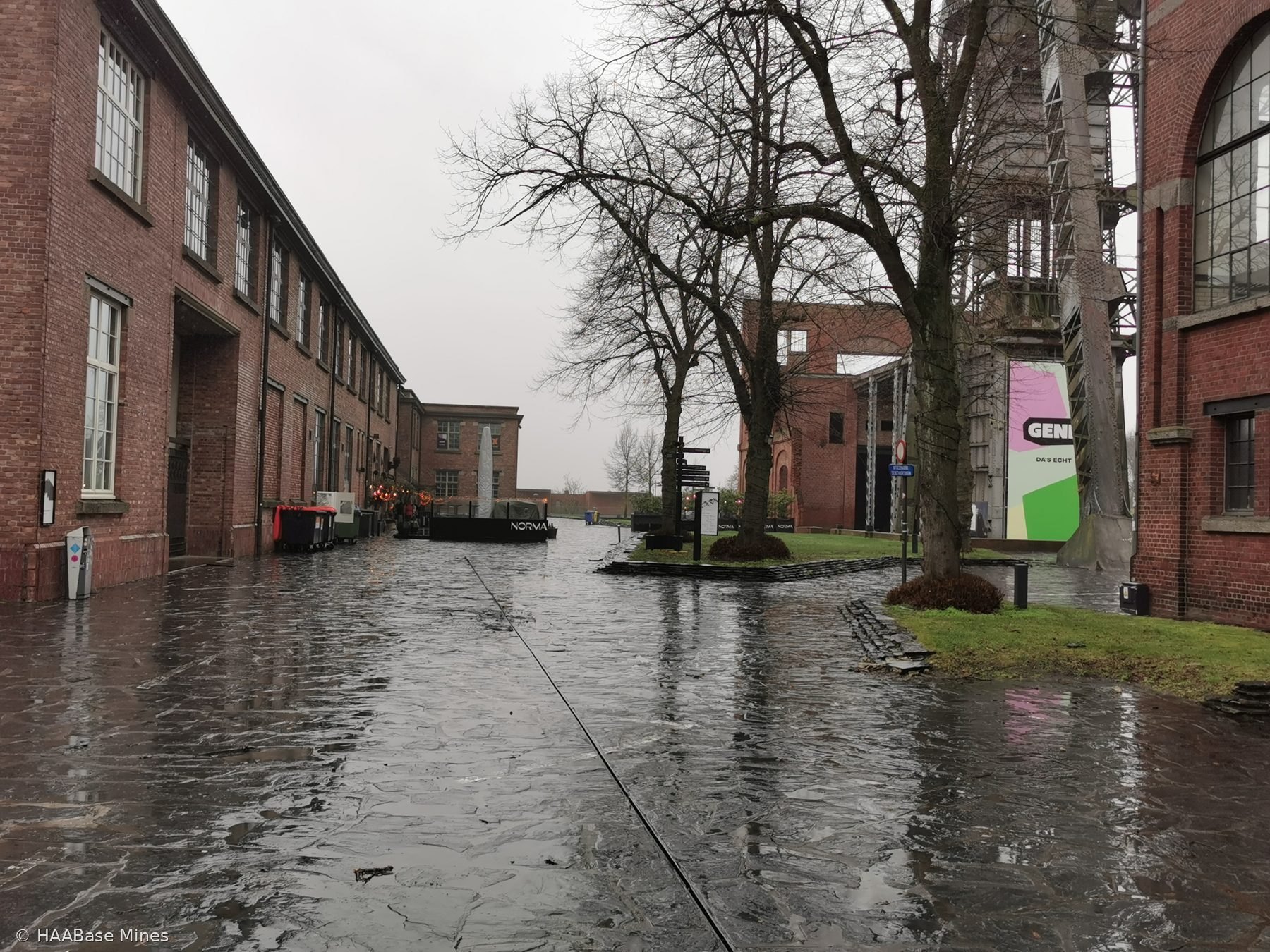
The surviving Winterslag site comprises two original-to-their-period steel headframes over the historic shaft locations, winding houses and machinery rooms, electrical buildings and controls, former pithead baths, lamp room and other service and administrative buildings. It is classified as shafts_buildings, with two headframes and extensive retained pithead architecture, and as a repurposed site because the industrial complex now serves cultural, commercial and educational functions. Authenticity is mixed: both headframes are genuine working-period structures, but the taller Schacht I tower replaced an earlier headframe in 1963, several reception buildings have been altered or reduced, and important former industrial structures including the washery and cooling towers have been demolished.
The 1993 monument protection and Flemish architectural inventory, alongside C-mine’s site history, provide strong physical and documentary support.
Steenkoolmijn van Winterslag at Genk was the first of the Belgian Kempen collieries to produce coal commercially, beginning in 1917 after shaft development started in 1910. The first coal had been raised on 28 July 1914. Its former pithead now forms C-mine, a cultural and creative complex retaining two steel winding towers and several important buildings.
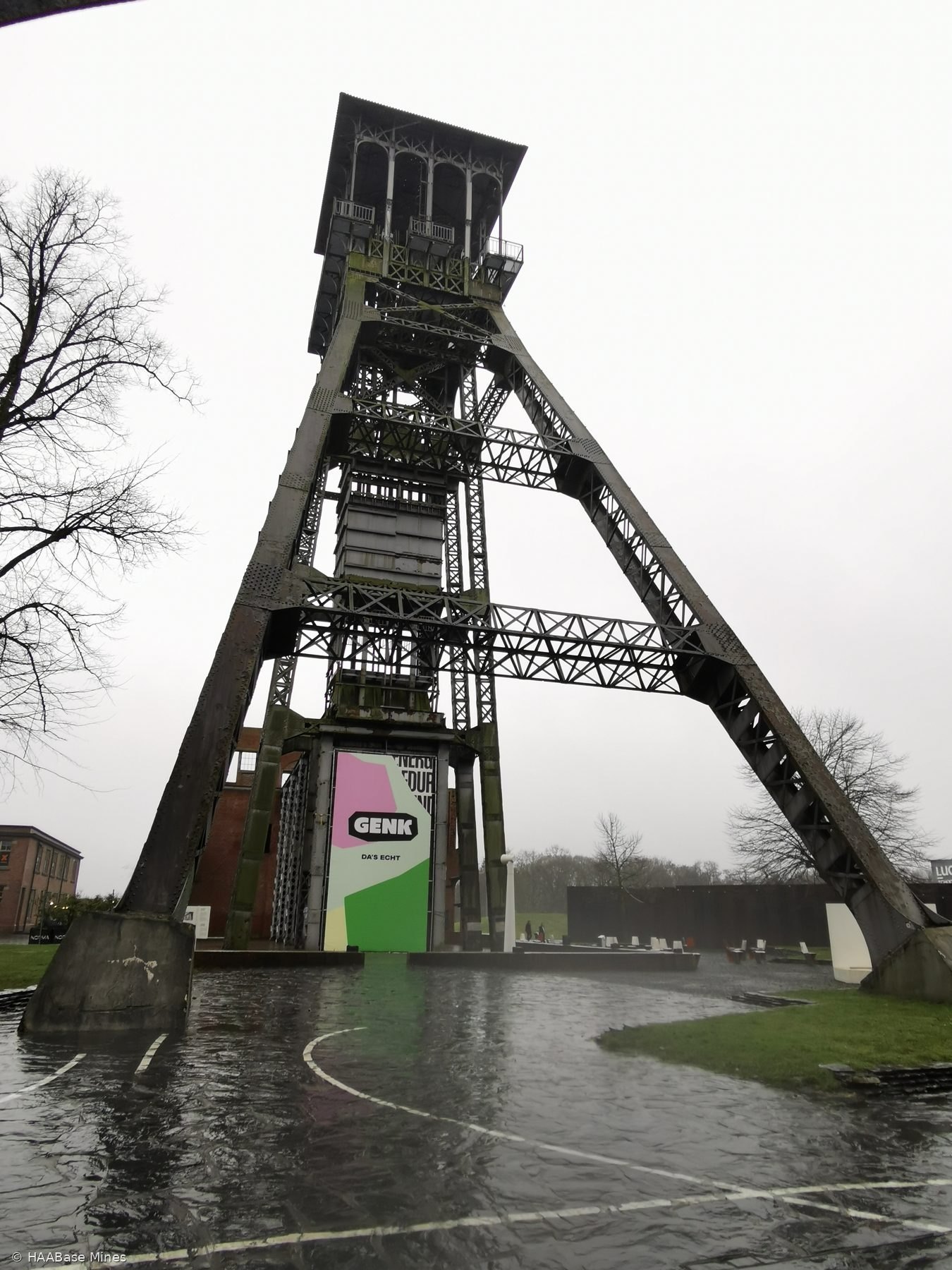
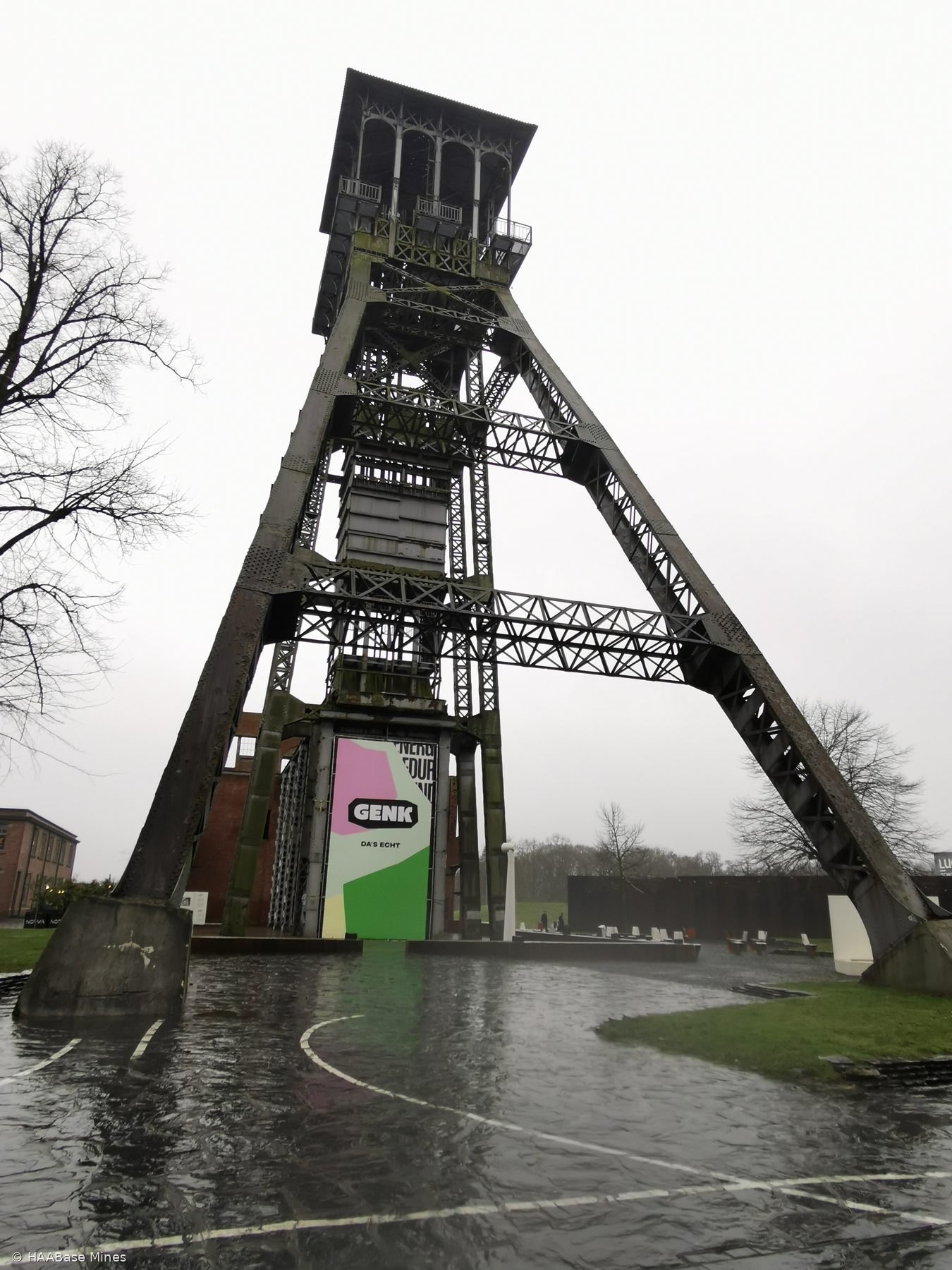
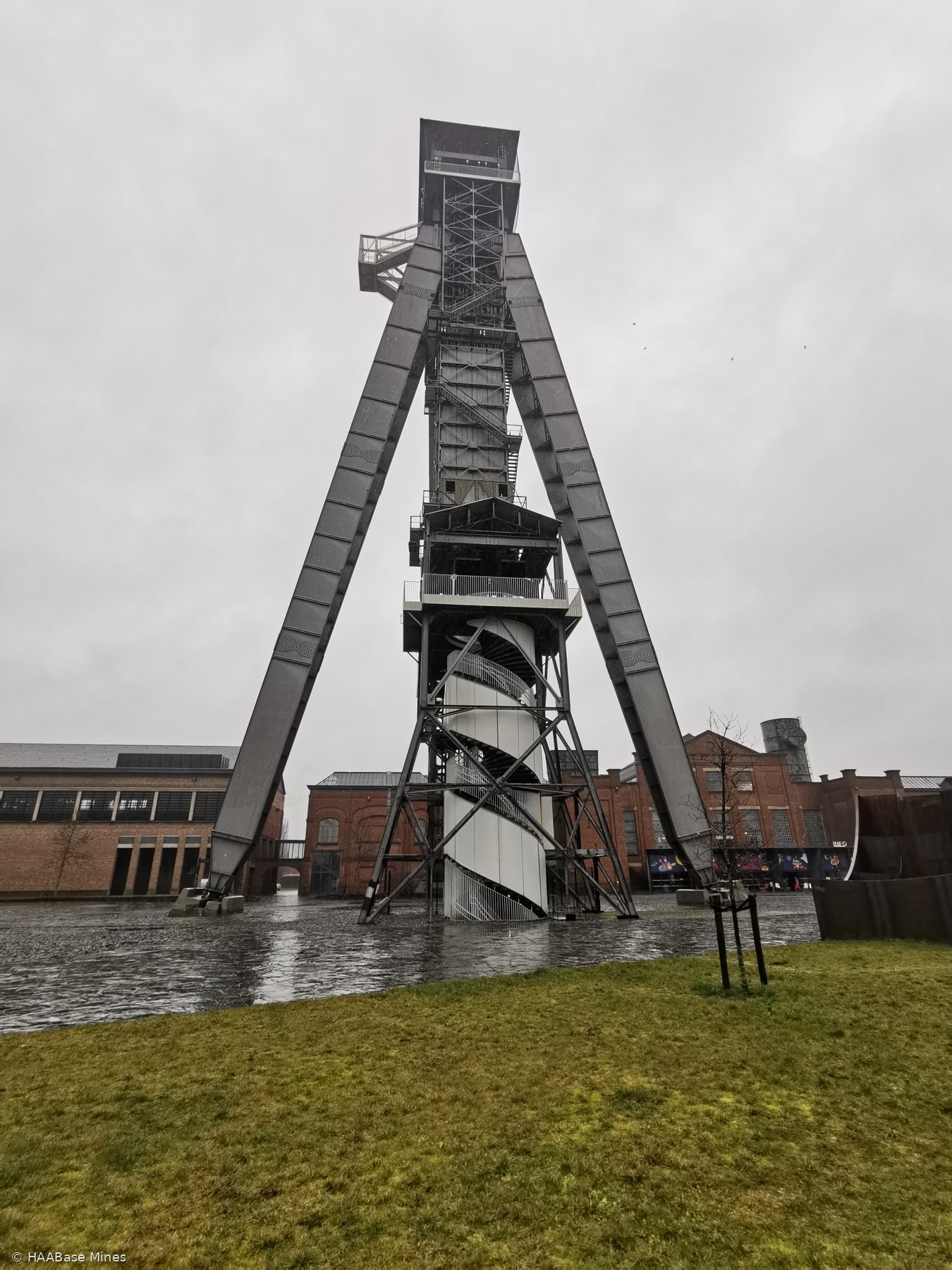
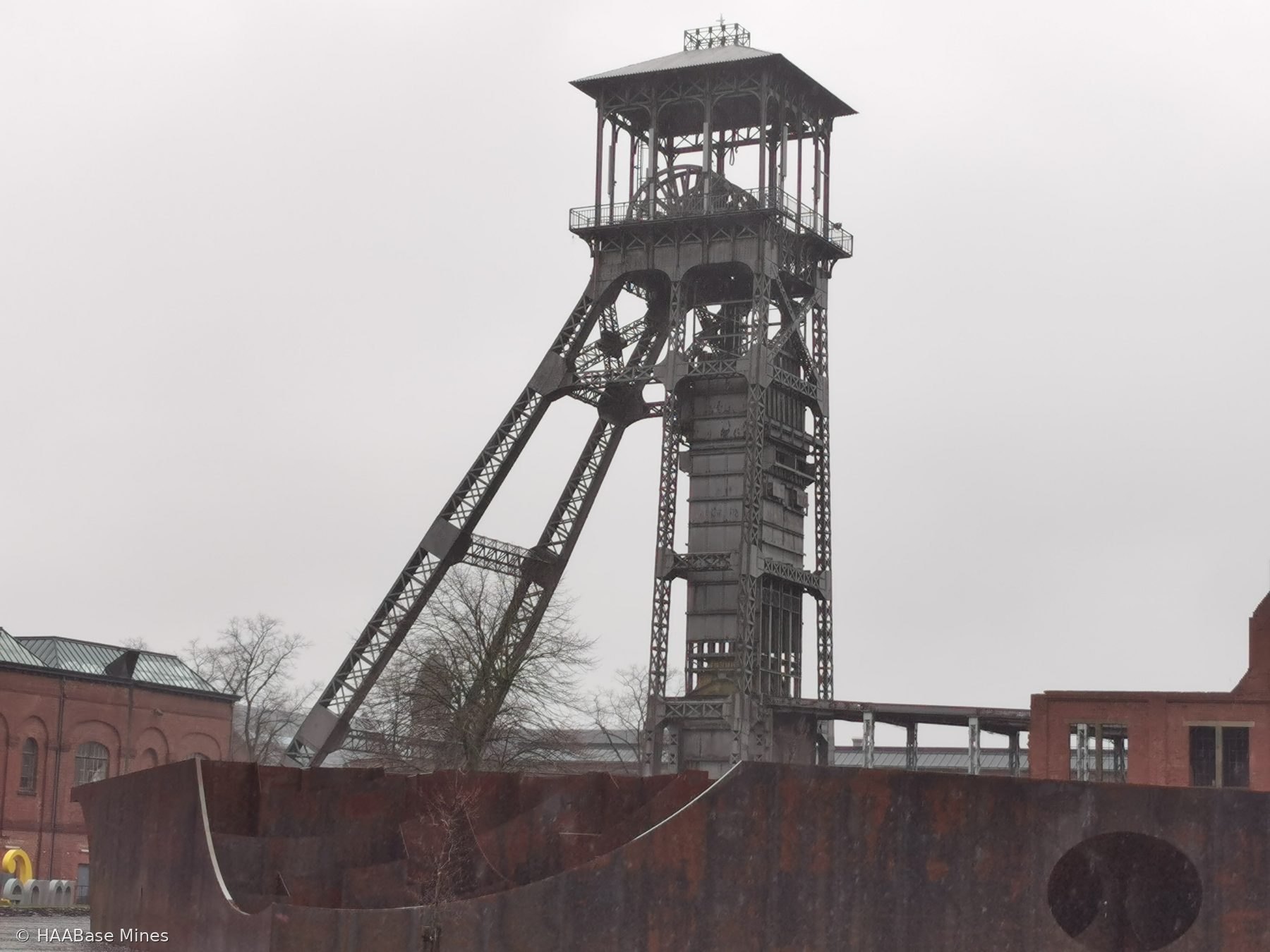
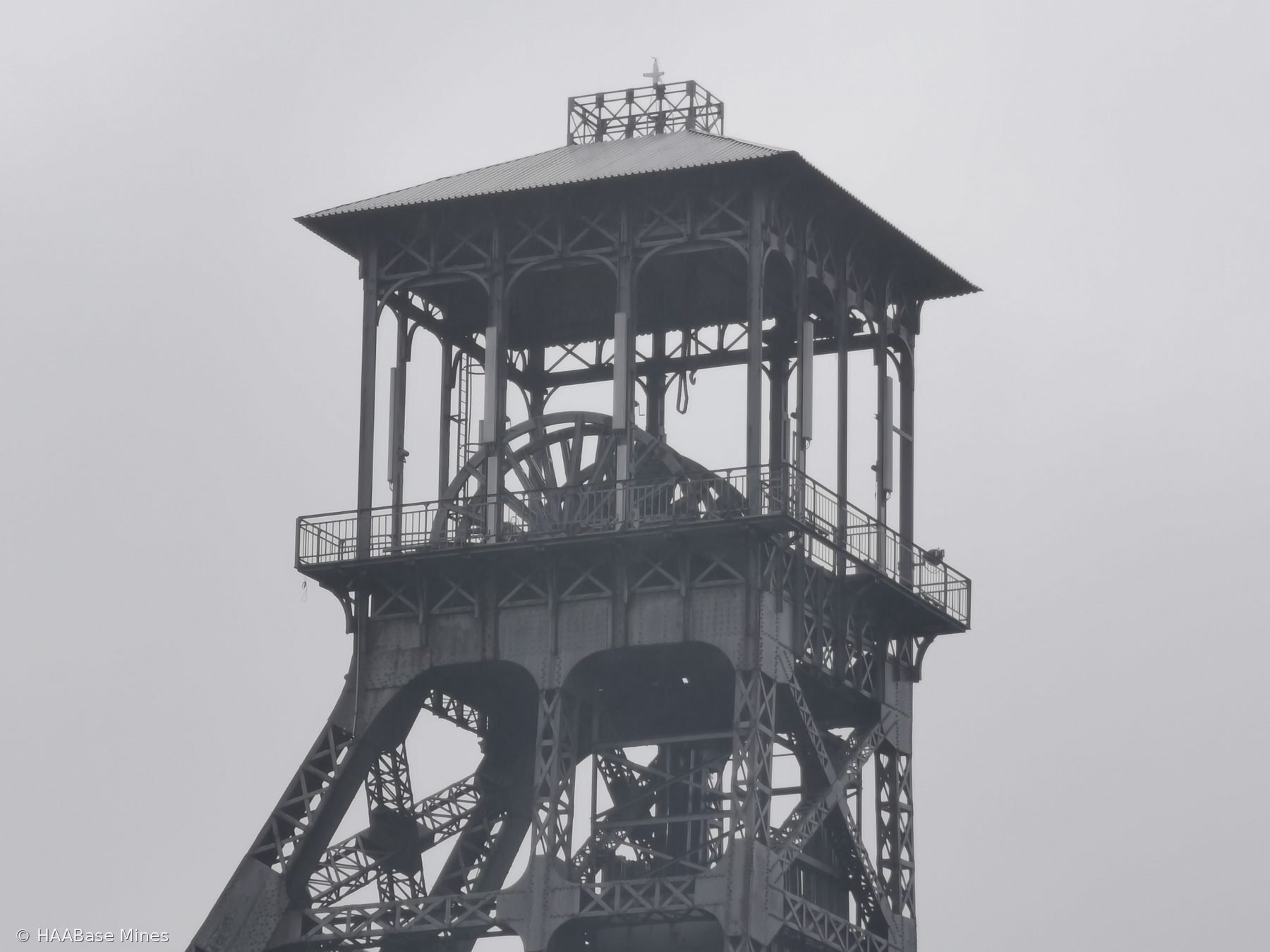
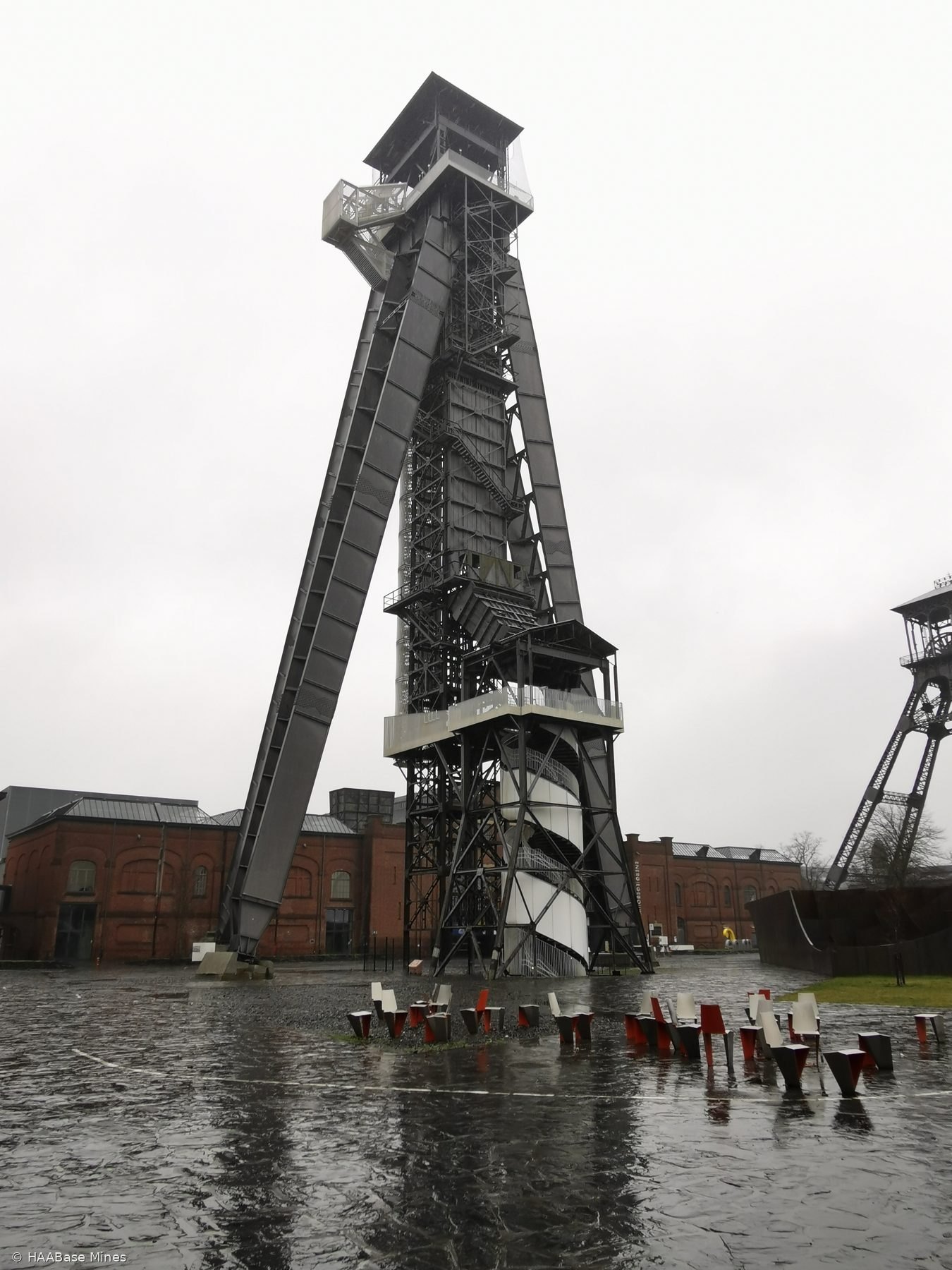
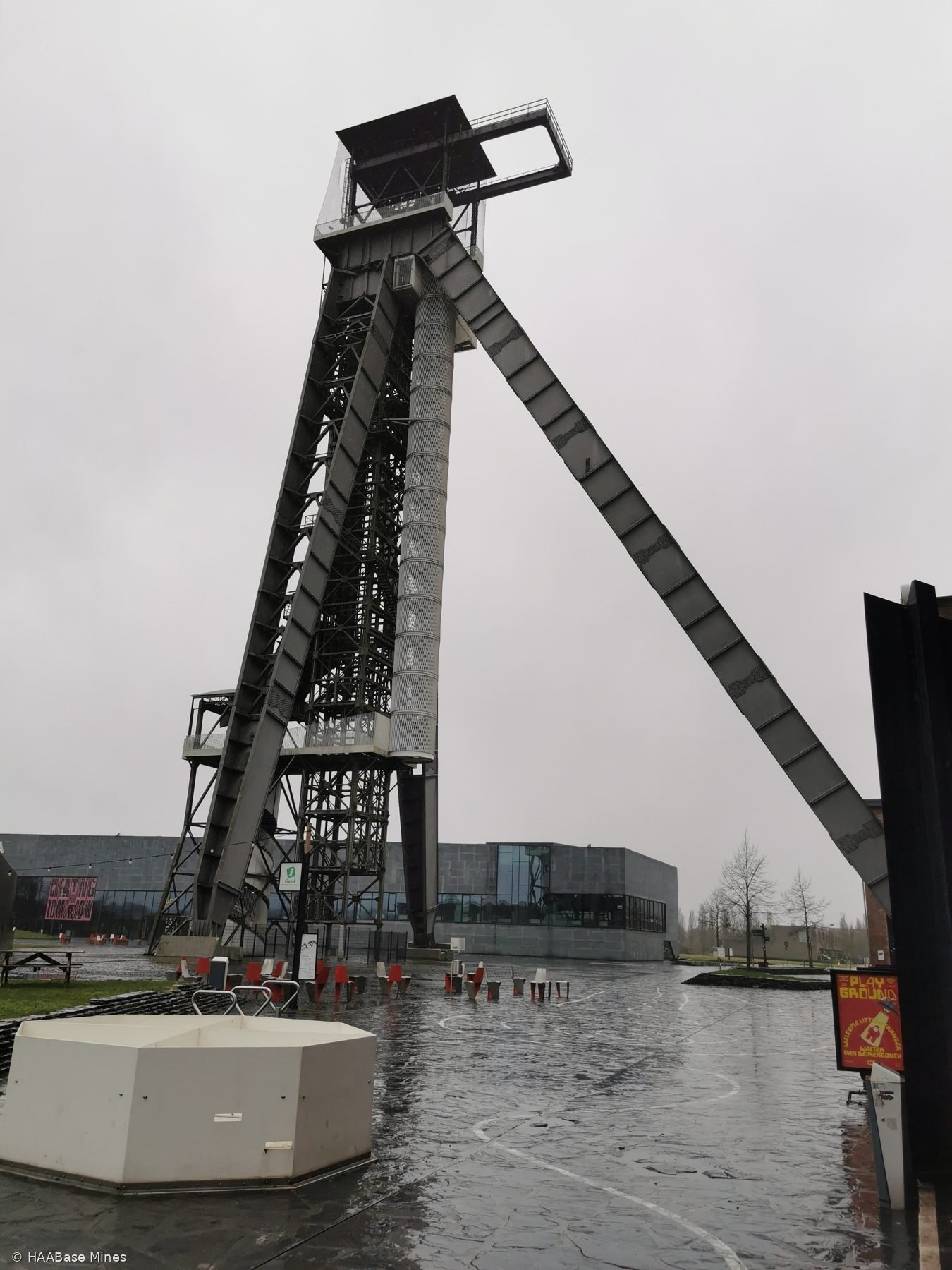
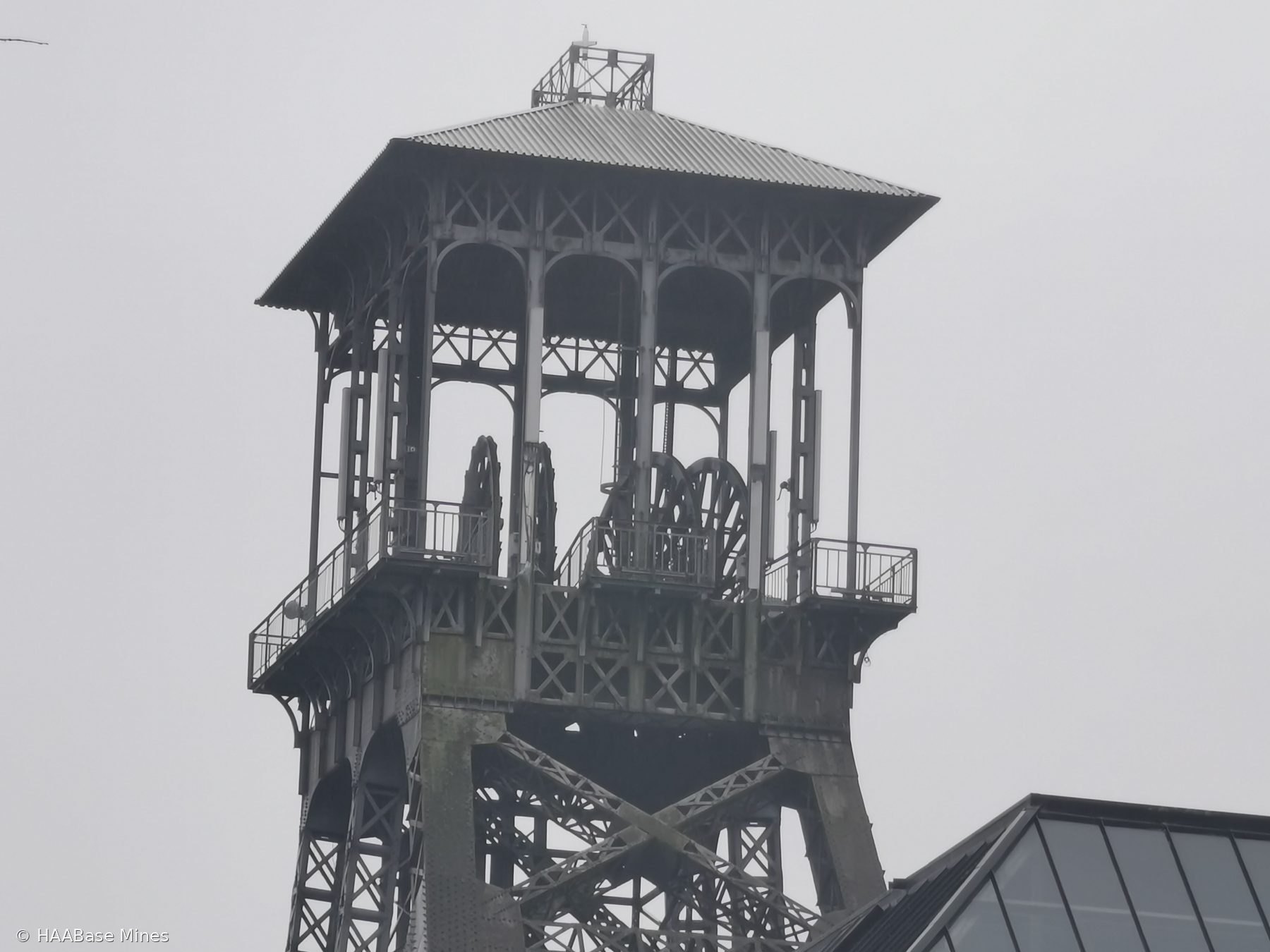
Schacht II’s 45-metre headframe dates from 1915 and is the oldest surviving in the Kempen; Schacht I’s 71.62-metre headframe was erected in 1963 for automatic skip winding. The surviving winding houses, machinery, power-station equipment, baths, lamp room and other buildings reflect decades of mining and later reuse. Following the final closure on 31 March 1988, the site received monument protection from 1993 and was acquired by the city of Genk in 2001.
The name C-mine followed in 2005. Extensive washery, workshops and cooling-tower installations were demolished, making the retained historic core important both for what remains and for the lost scale of industrial production.
Winterslag began as a coal mining venture on the heathlands around Genk, where systematic exploration at the beginning of the twentieth century transformed a predominantly rural landscape into one of the principal industrial districts of Belgian Limburg. Test borings at Gelieren and Winterslag in 1901–02, alongside investigations at Zutendaal, demonstrated the promise of deep coal seams. Further drilling during 1908–09 established the geological conditions, including the position of the coal measures and the thick water-bearing strata above them. One exploratory borehole, Genk 69, reached about 1,050 metres. The original Genck-Sutendael concession, granted by royal decree on 3 November 1906, covered 3,963 hectares and involved companies associated with the Ressaix coal interests and the research syndicates of Evence Coppée and his partners. In 1908 Genk was authorised to provide land for mining infrastructure and houses.
A separate 960-hectare Winterslag concession was established on 23 November 1912. A week later, on 30 November, the Société anonyme des Charbonnages de Winterslag was founded in partnership between the Ressaix interests and Schneider et Compagnie of France. Schneider’s iron and steel enterprises had a commercial interest in securing supplies of coal. The Ressaix side contributed mining rights, land, existing works and housing, while Schneider supplied finance for completing the pit. These connections with both Walloon mining capital and French heavy industry were important to the financing and organisation of what became the first producing colliery in the Kempen basin.
Engineering work had begun before the independent company was formed. Freezing boreholes for Schacht I started on 19 March 1910 under the direction of specialist contractors including Foraky and a Paris-based shaft-sinking company. The engineers faced about 430 metres of water-bearing overburden, demanding a far larger application of frozen-ground sinking than had previously been usual. The shaft was intended to have a useful diameter of six metres. By 20 October 1911, the 53 freezing boreholes for Schacht I had been completed and cooling had begun. Actual shaft excavation commenced on 4 March 1912 for Schacht I and 10 February 1913 for Schacht II. The comparatively favourable local geology, without the particularly troublesome lower Hervian quicksand encountered elsewhere in the Kempen, helped development. The first coal seam was encountered at approximately 485 metres, and on 28 July 1914 miners raised the first lump of coal produced in the Limburg basin. Shaft sinking and development continued during the First World War despite periods of restriction and occupation. Commercial coal production commenced in October 1917.
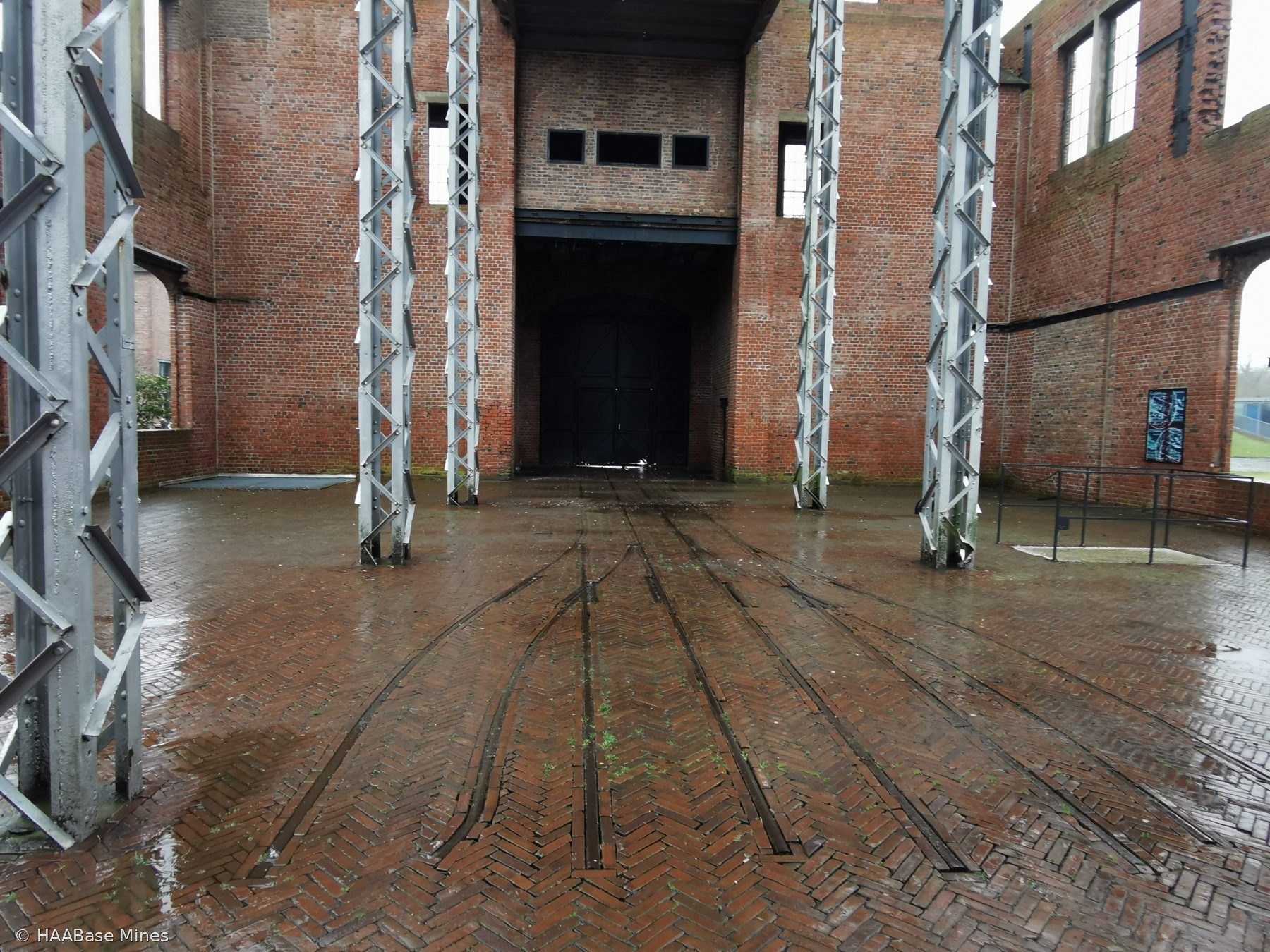
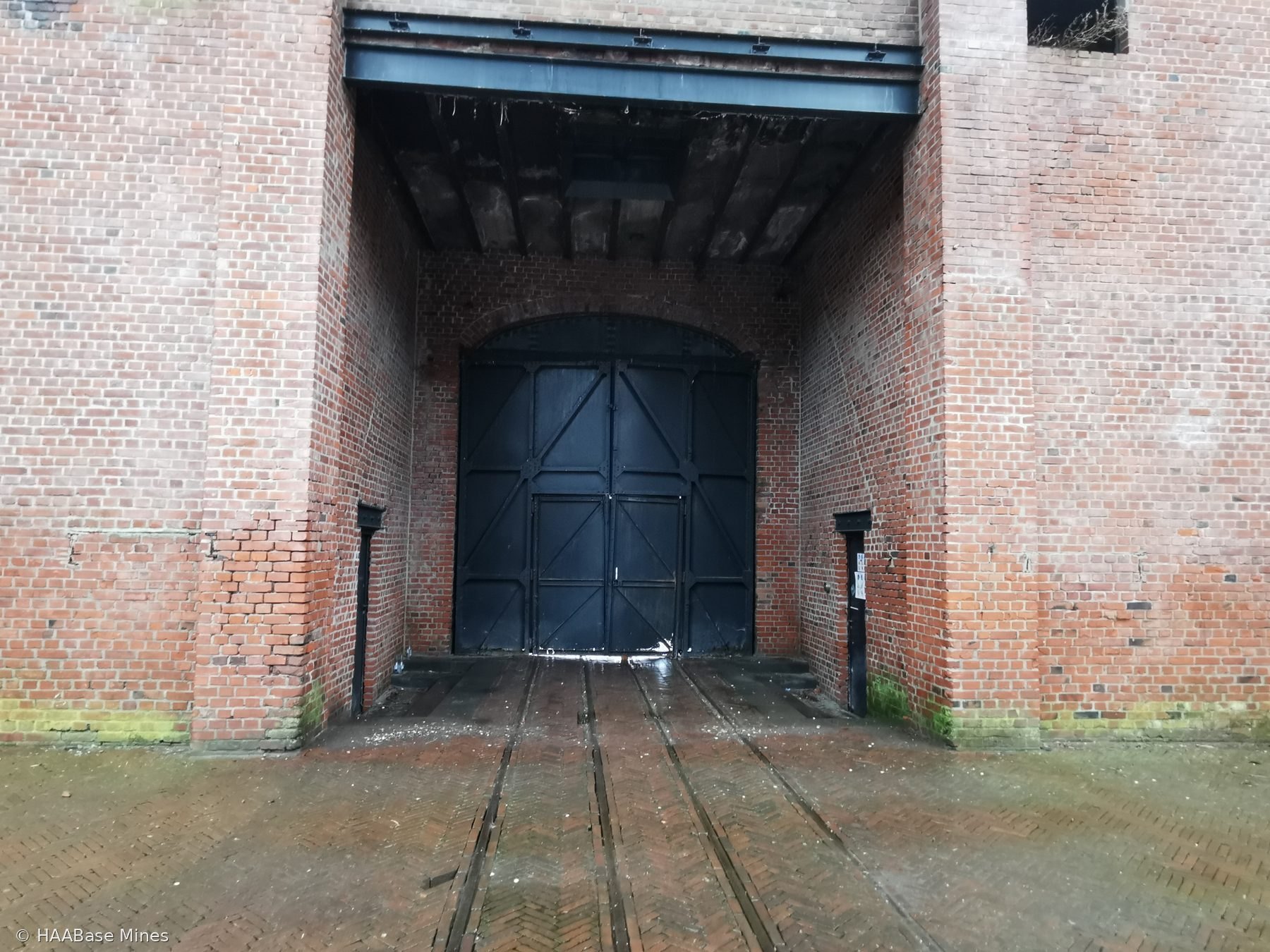
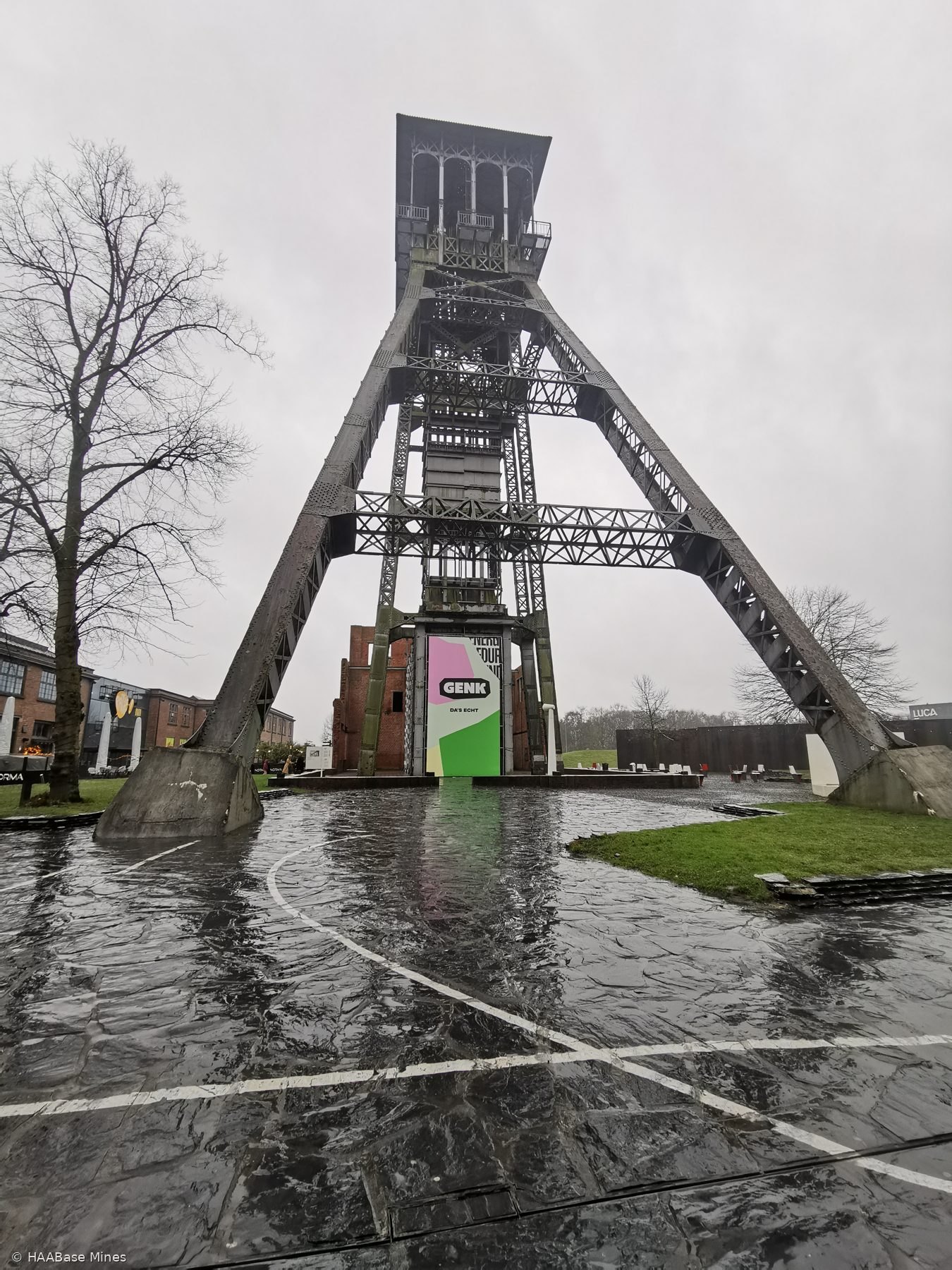
The early mining installations were designed as a coherent complex of substantial brick industrial buildings and steel winding structures. Schacht II received a 45-metre-high riveted lattice-steel headframe designed and built by Société de la Meuse of Liège in 1915; it is regarded as the oldest surviving headframe in the Kempen coalfield. The reception building associated with this shaft dates from 1916–17, and its winding house retains much historic machinery and building fabric. The compressor and ventilation building between the winding houses was built in 1918. From 1919 the mine developed an electric power station, whose original control and switching equipment became an important part of the surviving industrial collection. The winding houses, with generous windows and carefully detailed brick facades, demonstrate how even utilitarian mining buildings could be constructed with considerable architectural ambition. Both original shafts were lined extensively with cast-iron tubbing and were connected to working levels initially at roughly 600 and 650 metres.
Production steadily established Winterslag as a major employer and a focus of the expansion of Genk. The colliery was accompanied by planned workers’ housing estates, the first developed from the years before the First World War and followed by further neighbourhoods in the interwar and post-war periods. These residential areas formed the wider social setting of the mine but were separate from the pithead itself. At the colliery, coal travelled by surface handling and conveyor installations to the washing and screening plant, begun around 1920 and expanded after the Second World War. The power station, workshops, cooling towers and transport equipment provided the support required for a deep, mechanised coal operation. In 1929 the unworked Genk-Zutendaal concession was entrusted to Winterslag and the two concession areas were reunited by royal decree on 5 October 1931; subsequent adjustments in 1949 enlarged the holding to approximately 5,633 hectares.
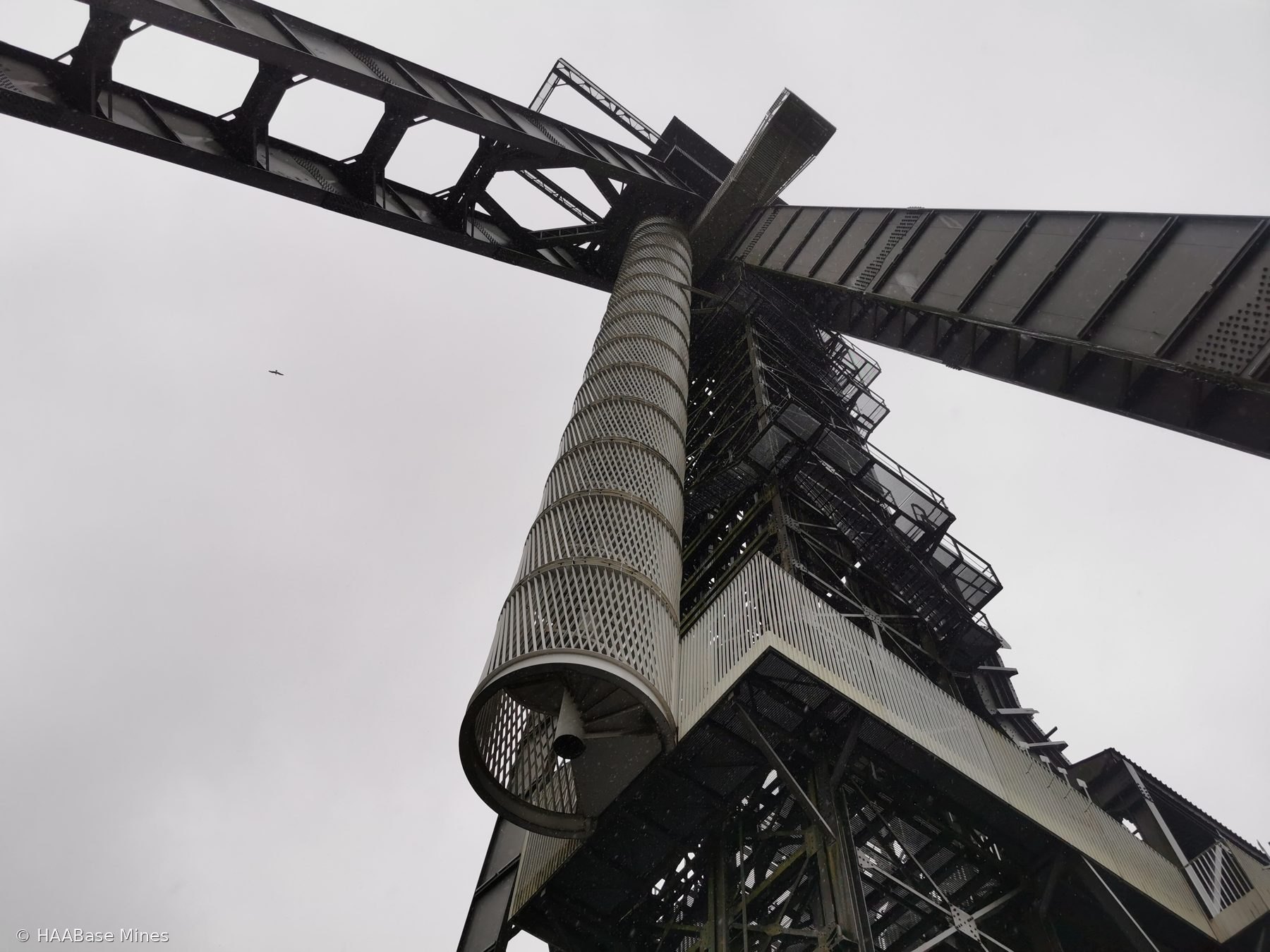
Post-war expansion brought new underground horizons and modern winding technology. From 1949 a working level at 850 metres was developed. The mine’s workforce reached about 6,250 in 1953, while the highest recorded annual production came in 1967, at approximately 1.635 million tonnes. During this period Schacht I underwent a dramatic alteration. Its earlier headframe was replaced by a much taller tower designed by the Ateliers de Construction de Jambes and completed in 1963. The surviving steel tower is 71.62 metres high, with winding-sheave axes at about 60 metres. It was built to accommodate an automatic skip system that could raise roughly 13 tonnes of coal in a single container, replacing the older system of hoisting coal in small mine cars. Alongside it, the lower 1915 Schacht II headframe continued to illustrate the mine’s first phase. Winterslag thus retains two highly contrasting structures, the oldest and one of the youngest headframes of the Kempen coalfield, standing beside each other on their original shaft positions.
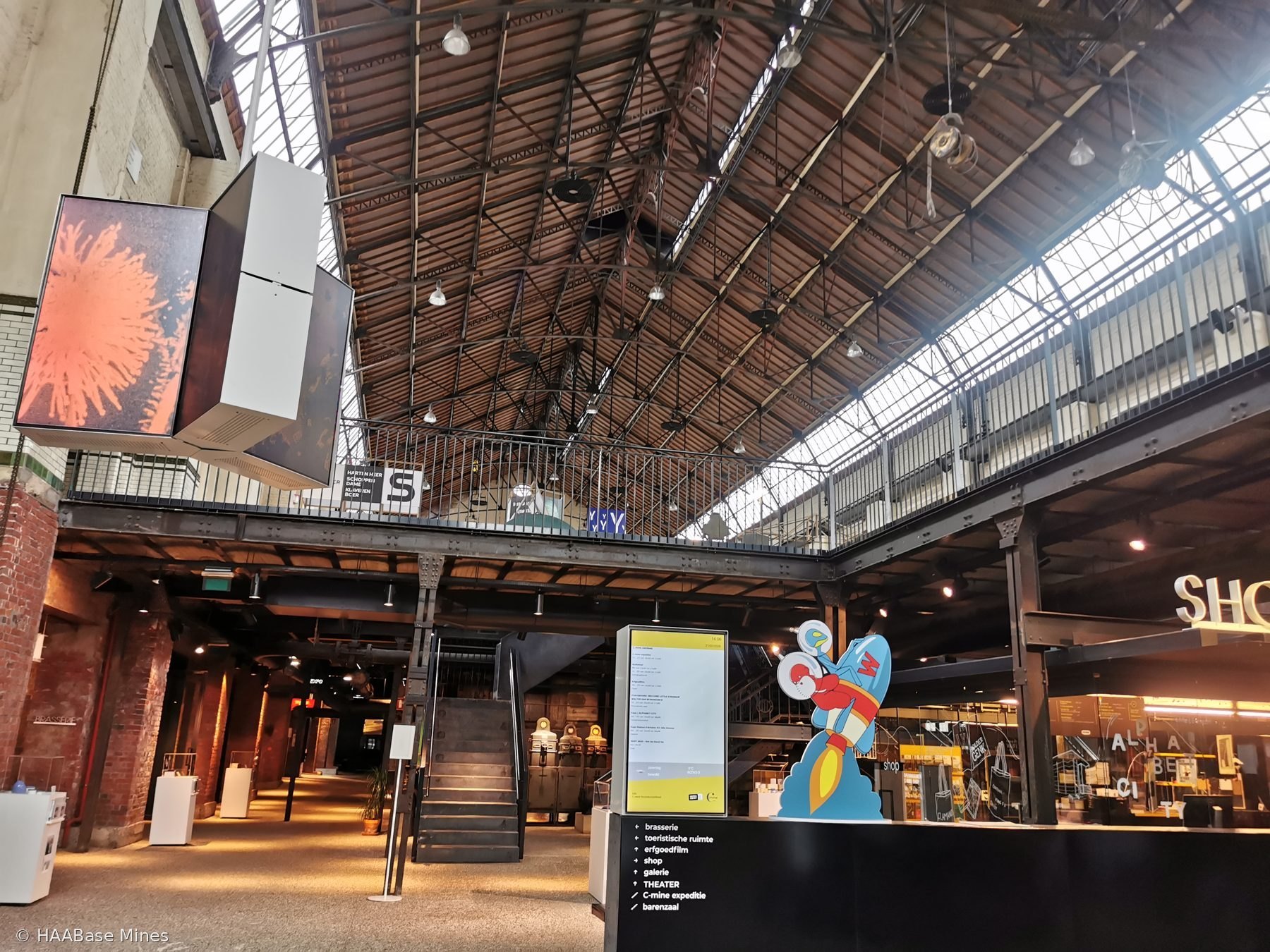
Winterslag remained an important part of the consolidated Kempen mining industry while the economics of Belgian deep coal mining deteriorated. The mine closed on 31 March 1988 after more than seven decades of commercial production. Over its working life more than 66 million tonnes of coal had been produced. Closure was followed by the removal of extensive production infrastructure, including the coal washery and screening plant, brickworks, workshops and four cooling towers. The remaining pithead retained both headframes, winding houses and substantial historic buildings, although individual structures, including the shaft reception buildings, were altered, partially lost or left in ruinous condition. The shafts and winding machinery received monument protection on 23 April 1993, followed by further protected areas and buildings in later orders. The two steel towers, important machine rooms, former power station, lamp room, baths, administration buildings, stores and stables testify to several different phases of the colliery’s life rather than to one untouched moment in its history.
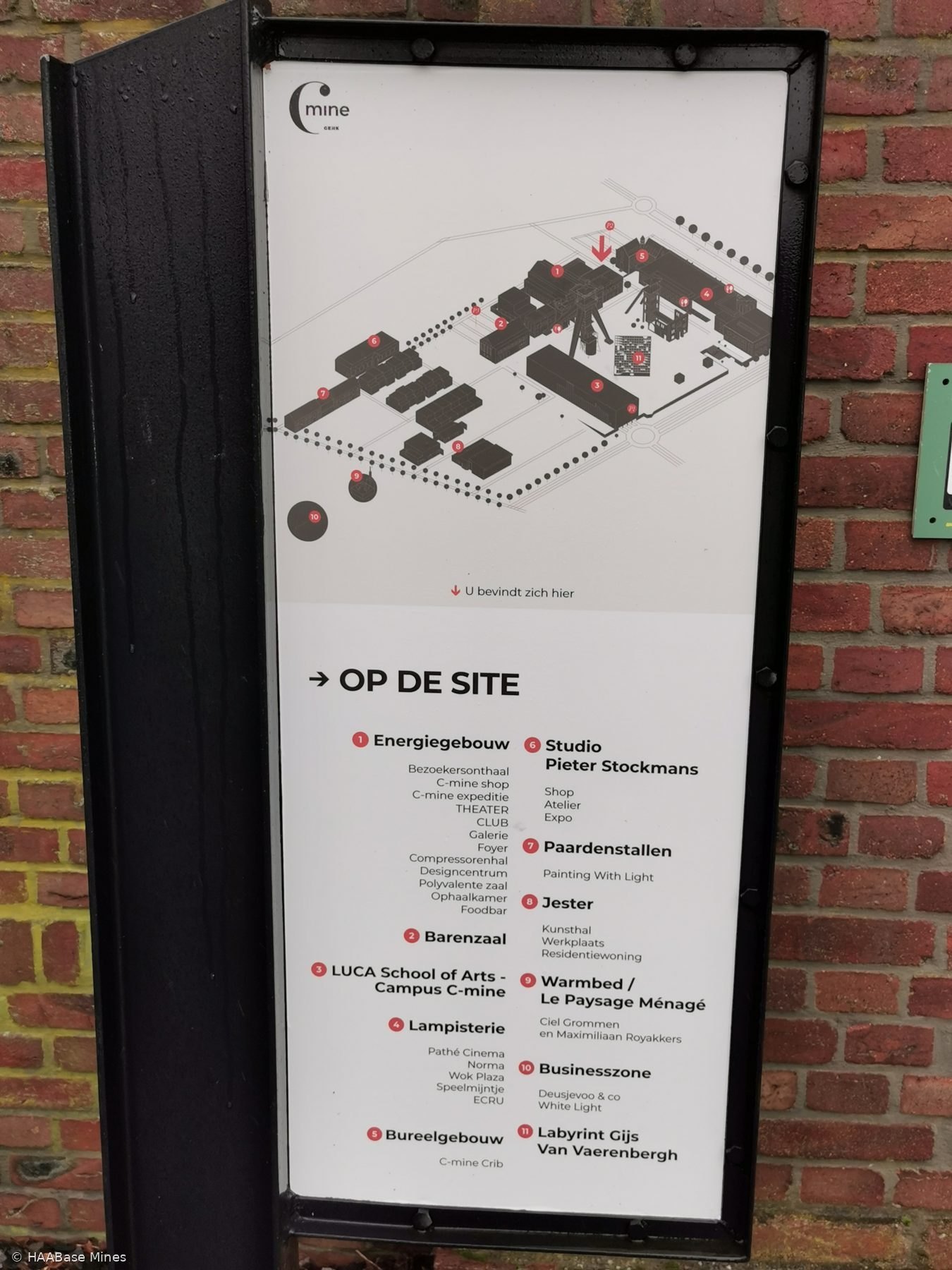
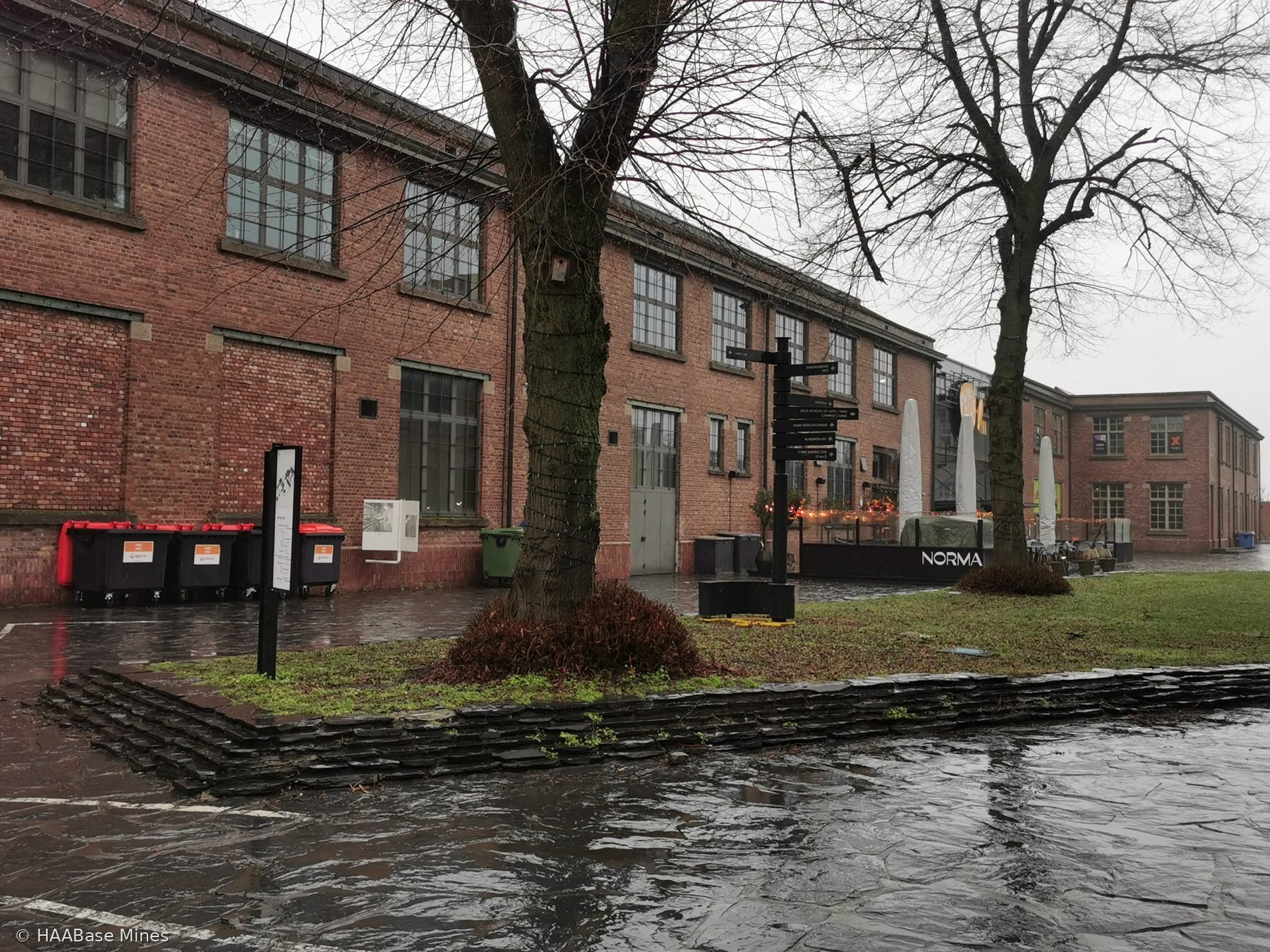
In 2001 the city of Genk acquired the site from the regional redevelopment company LRM, building on ideas for cultural and creative reuse that had been developing since around 2000. The name C-mine was adopted in 2005. Instead of presenting the surviving mine solely as a static industrial exhibit, the city gradually adapted its extensive brick buildings for arts, cinema, education, performance, business and visitors. The former lamp room and baths became part of a cinema complex, while former industrial and administrative spaces were given new uses. C-mine Expeditie offers an interpretation of the mining past through adapted underground and surface infrastructure. The two headframes remain the dominant landmarks of the regenerated complex, their very different dates and forms making visible the transition from the initial industrialisation of Limburg to the mechanised production of the 1960s. Their continuing conservation forms part of the long afterlife of the mine within a city whose identity was profoundly shaped by coal.
This list includes live sources already held for the record and any additional sources added or confirmed during the published fact-check review.