Site overview

The Mine du Pêchon, officially known as puits n°25 of the Charbonnages de Monceau-Fontaine, was a coal mine at Couillet on the boundary with Marcinelle, near Charleroi, in the province of Hainaut. The shaft, originally designated puits n°5 Blanchisserie by the S.A. des Charbonnages de Marcinelle-Nord, was sunk in 1910. It passed to the S.A. des Charbonnages de Monceau-Fontaine following a merger in 1931 and was renumbered puits n°25.

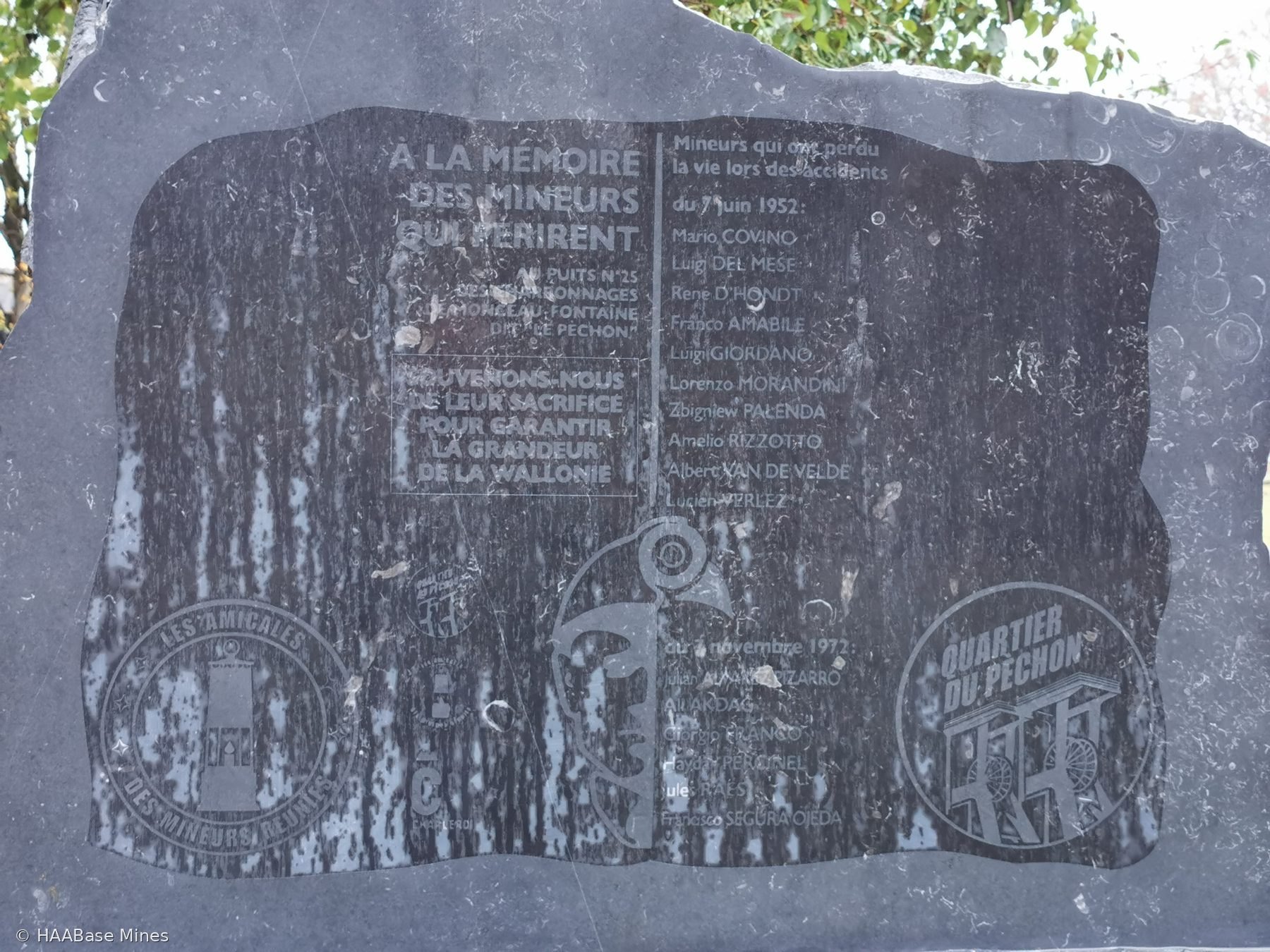
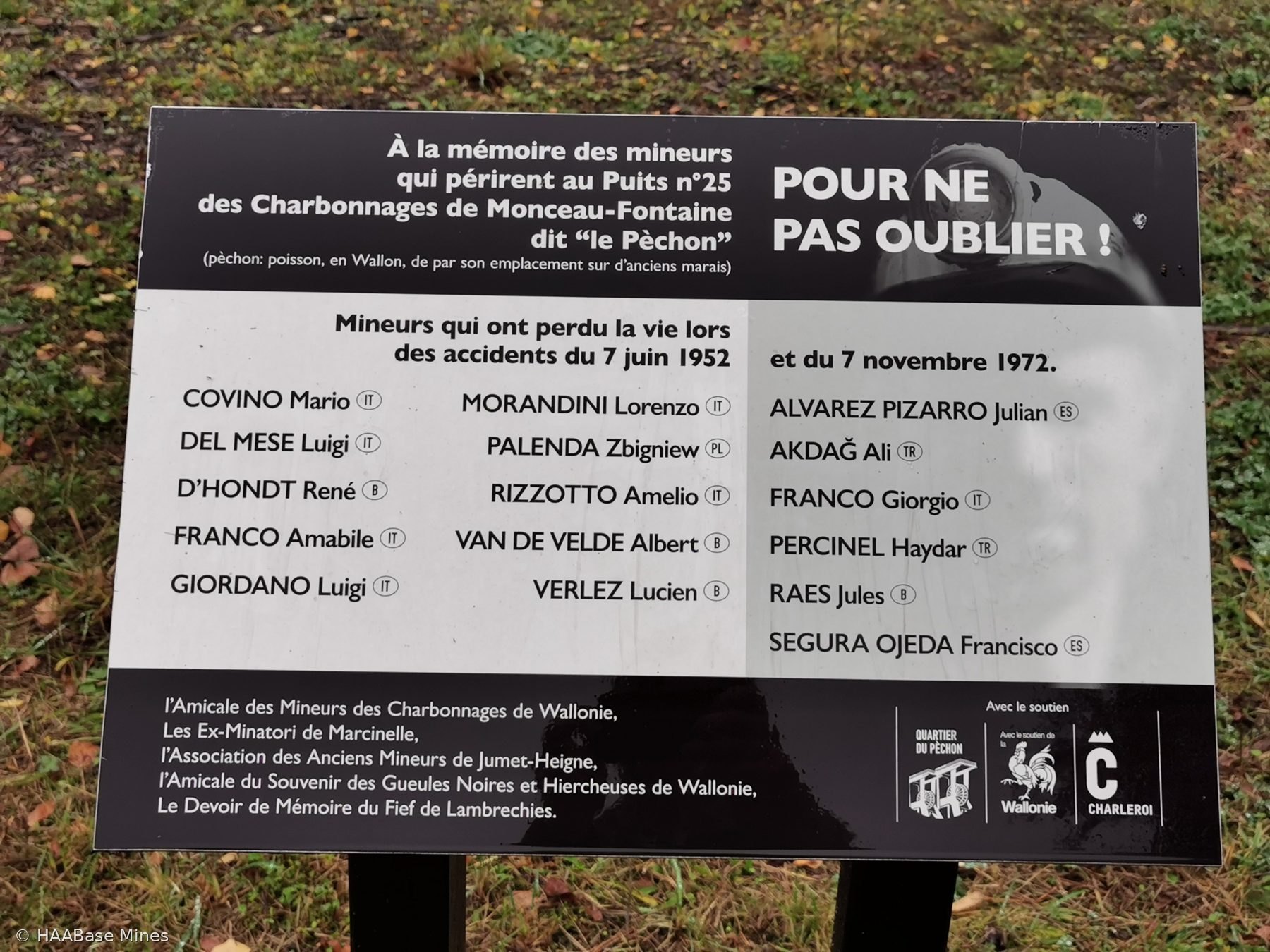
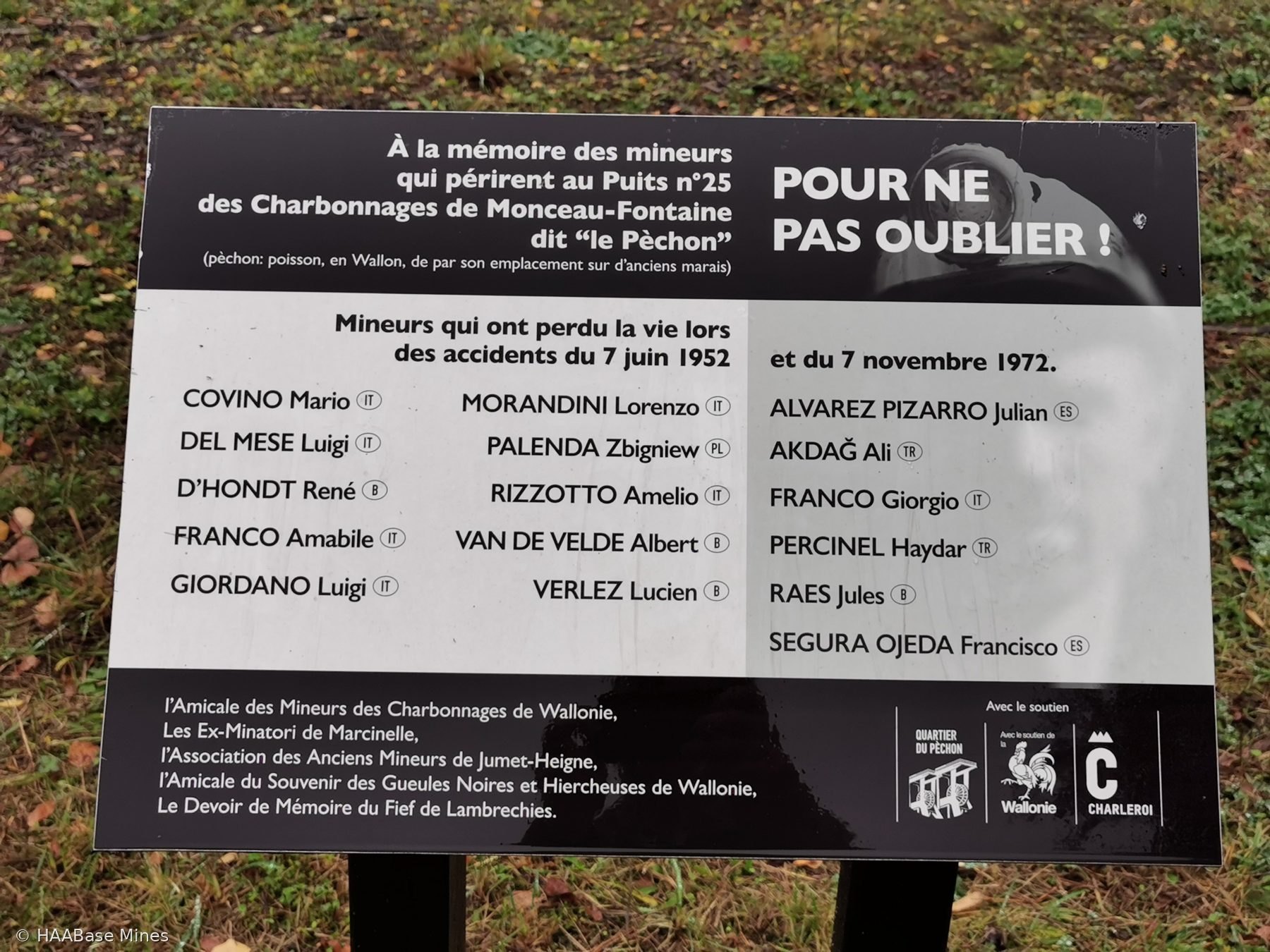
Known locally as Le Pêchon, a Walloon word for fish derived from the marshy valley floor on which it was situated, the colliery reached a maximum depth of 1,220 metres and was connected underground to the adjacent puits n°24 by a gallery at 797 metres depth. Firedamp explosions in 1952 killed ten miners, and a further explosion in 1972 killed six, the last major mining disaster in Wallonia. Extraction ceased on 31 March 1975.

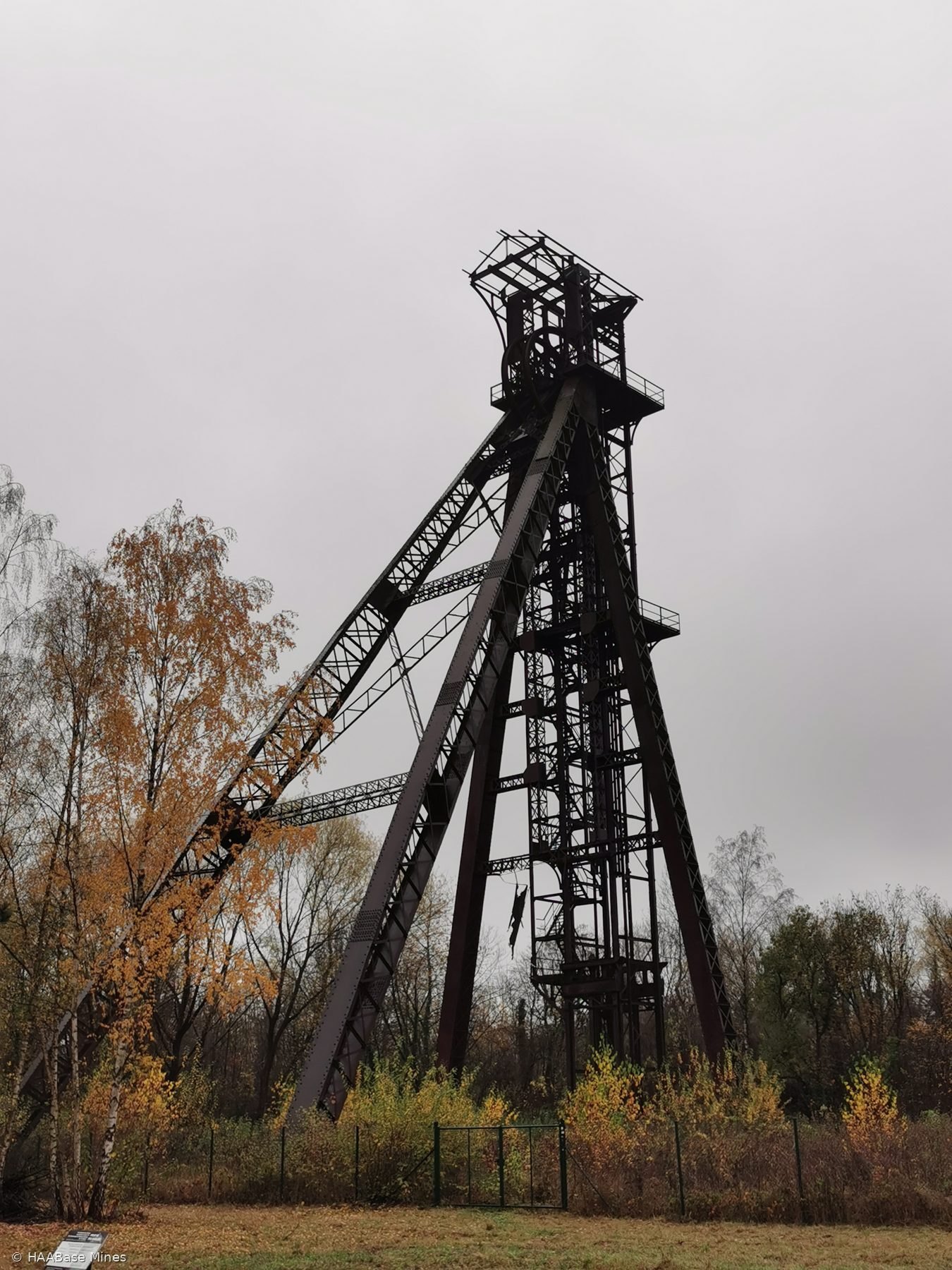
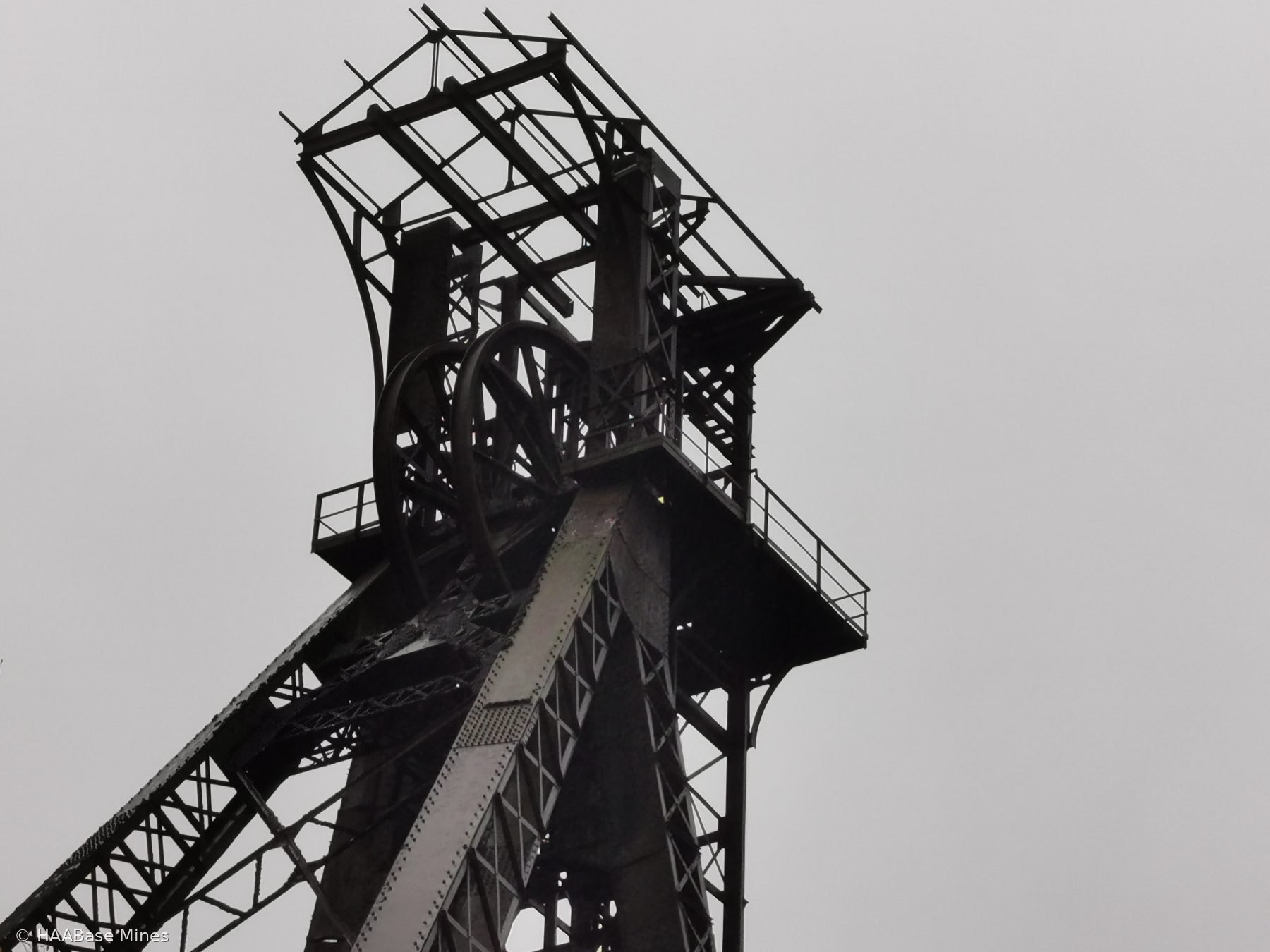
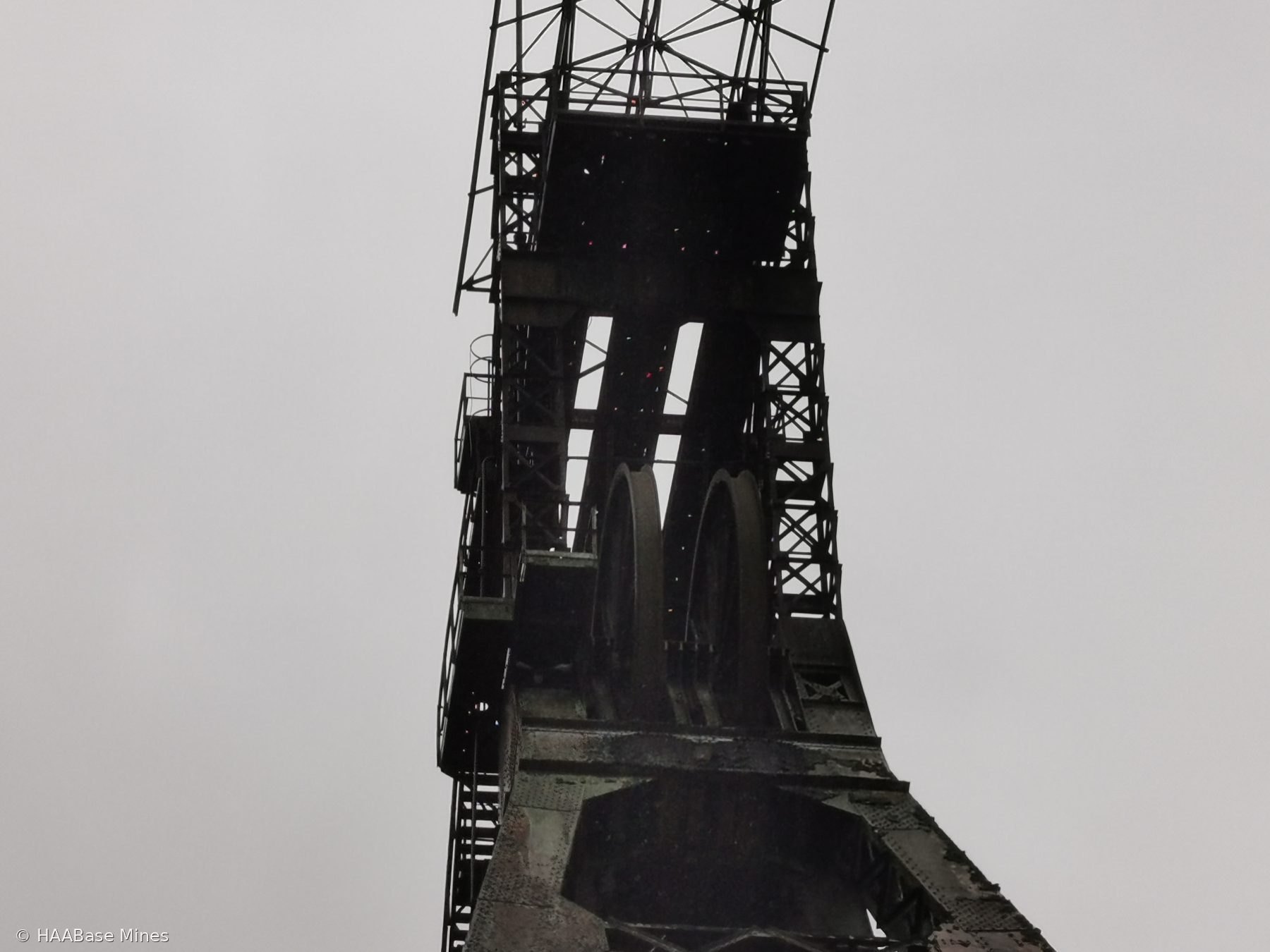
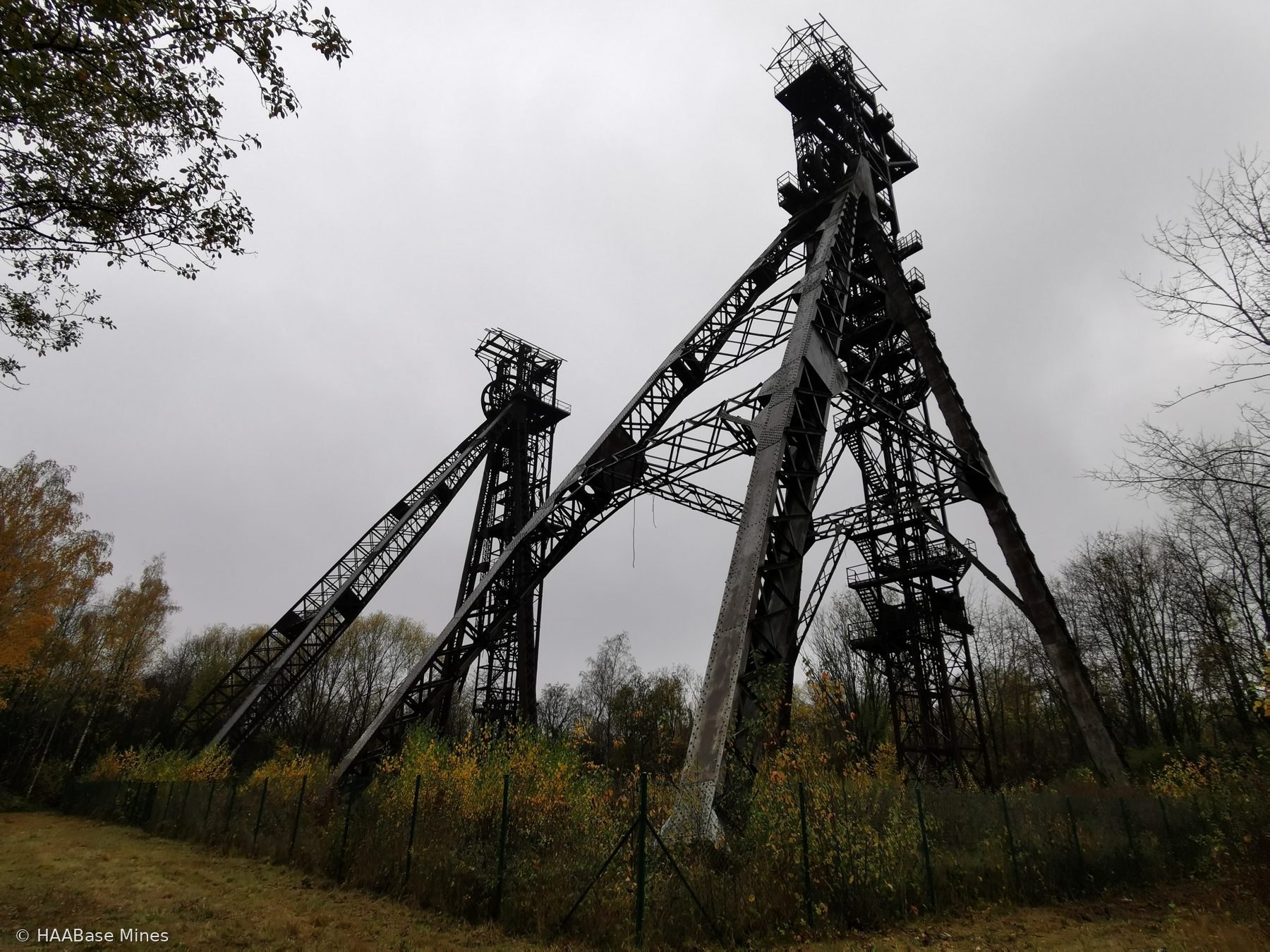
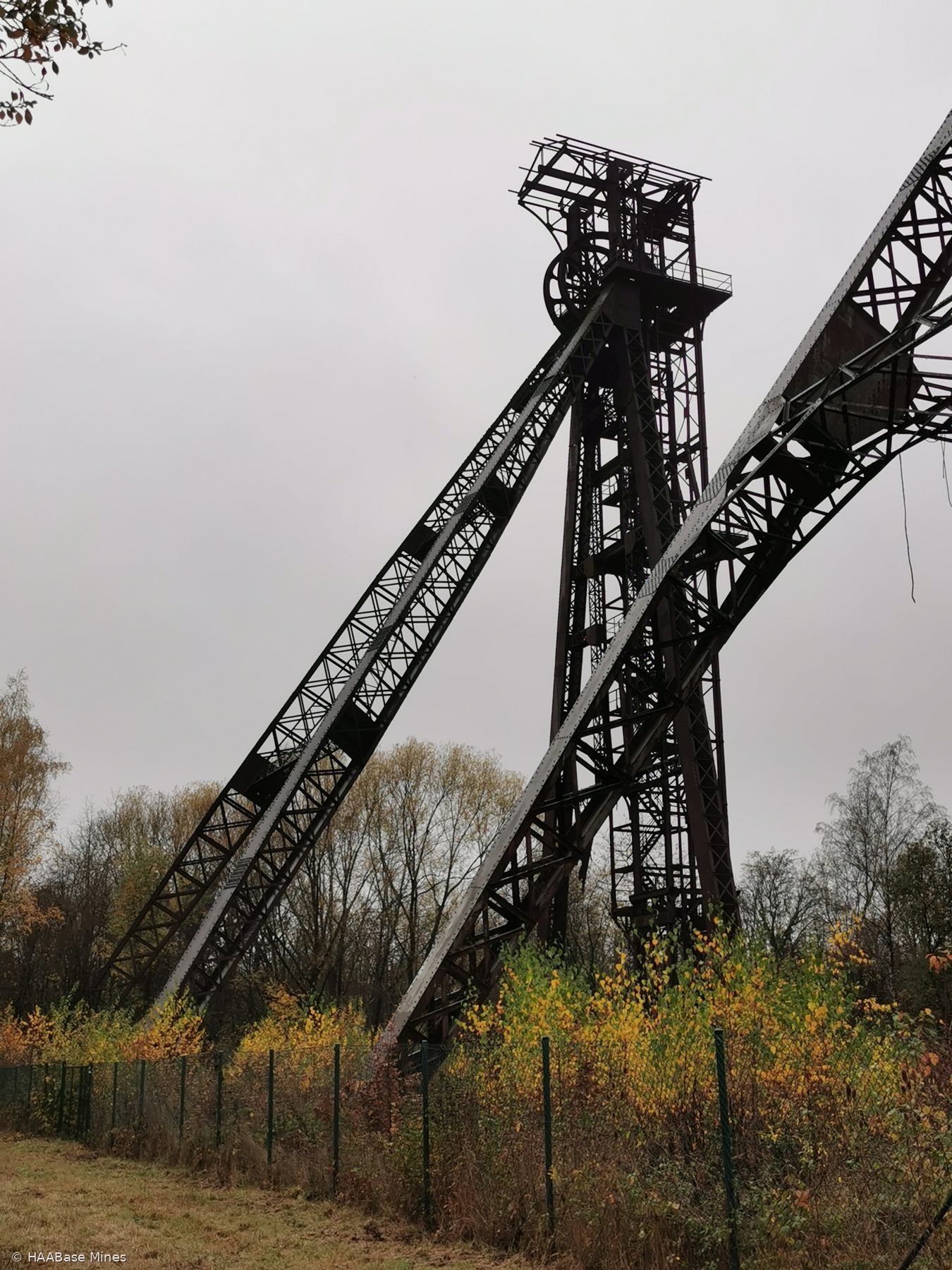
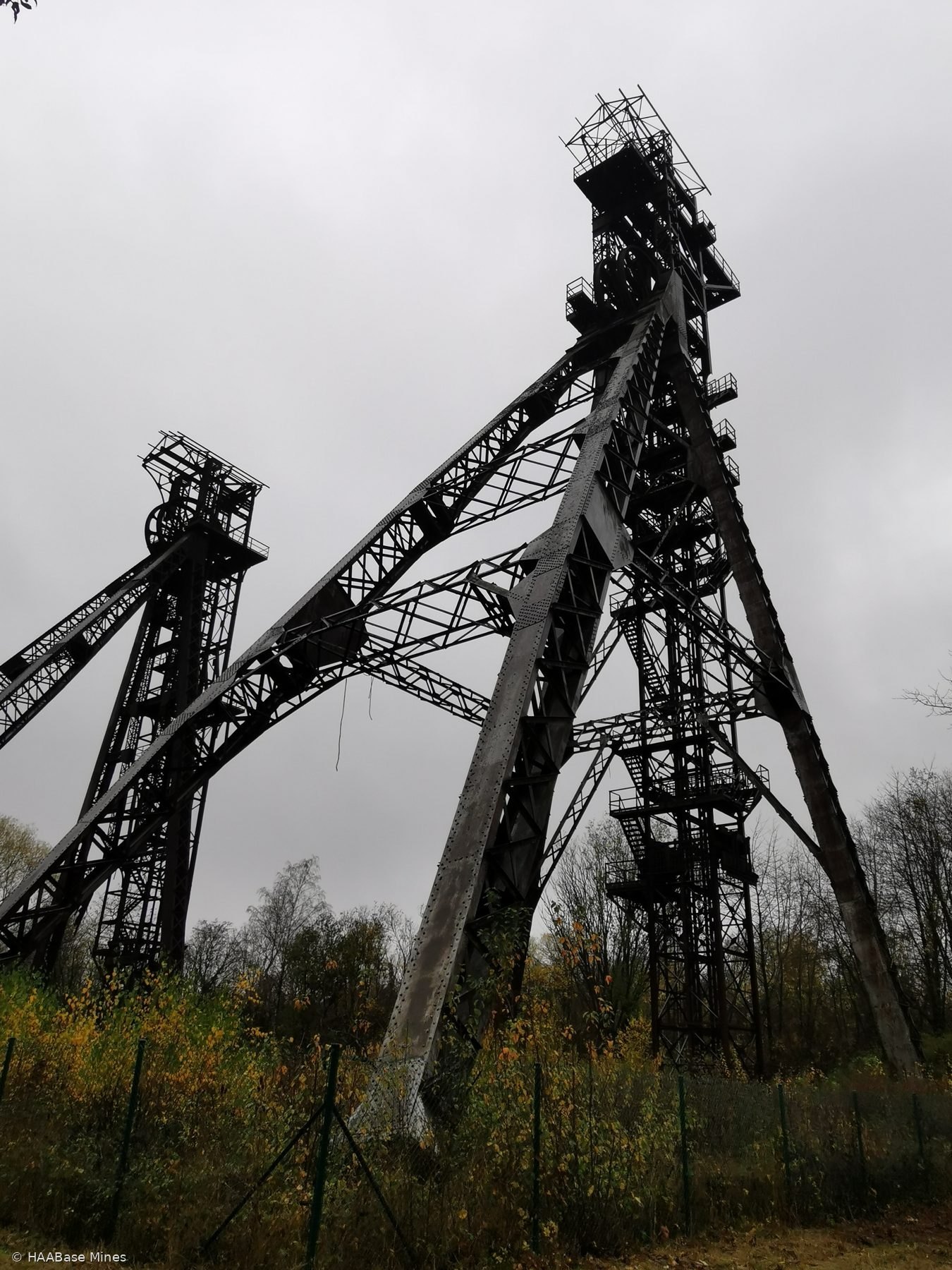
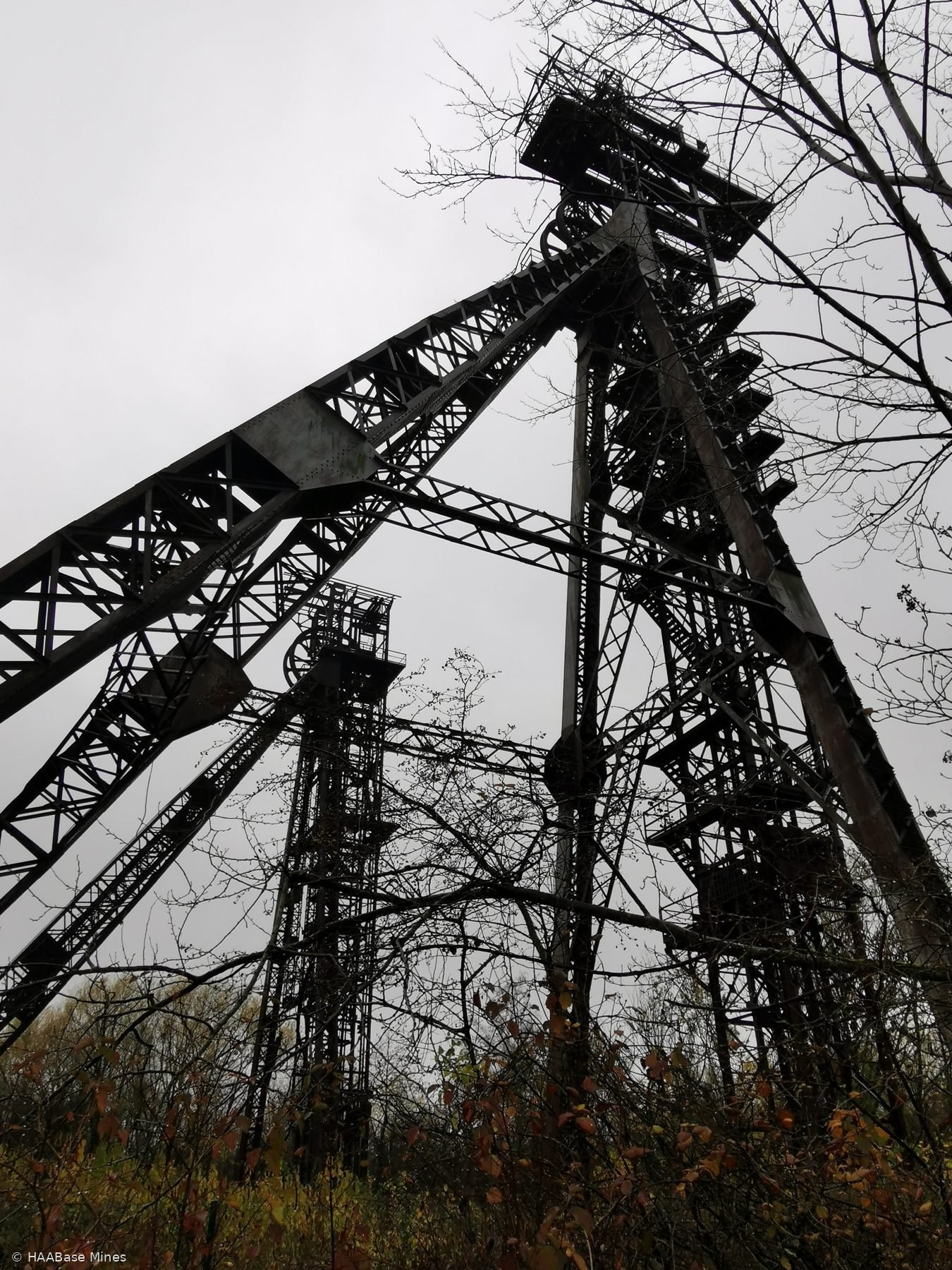
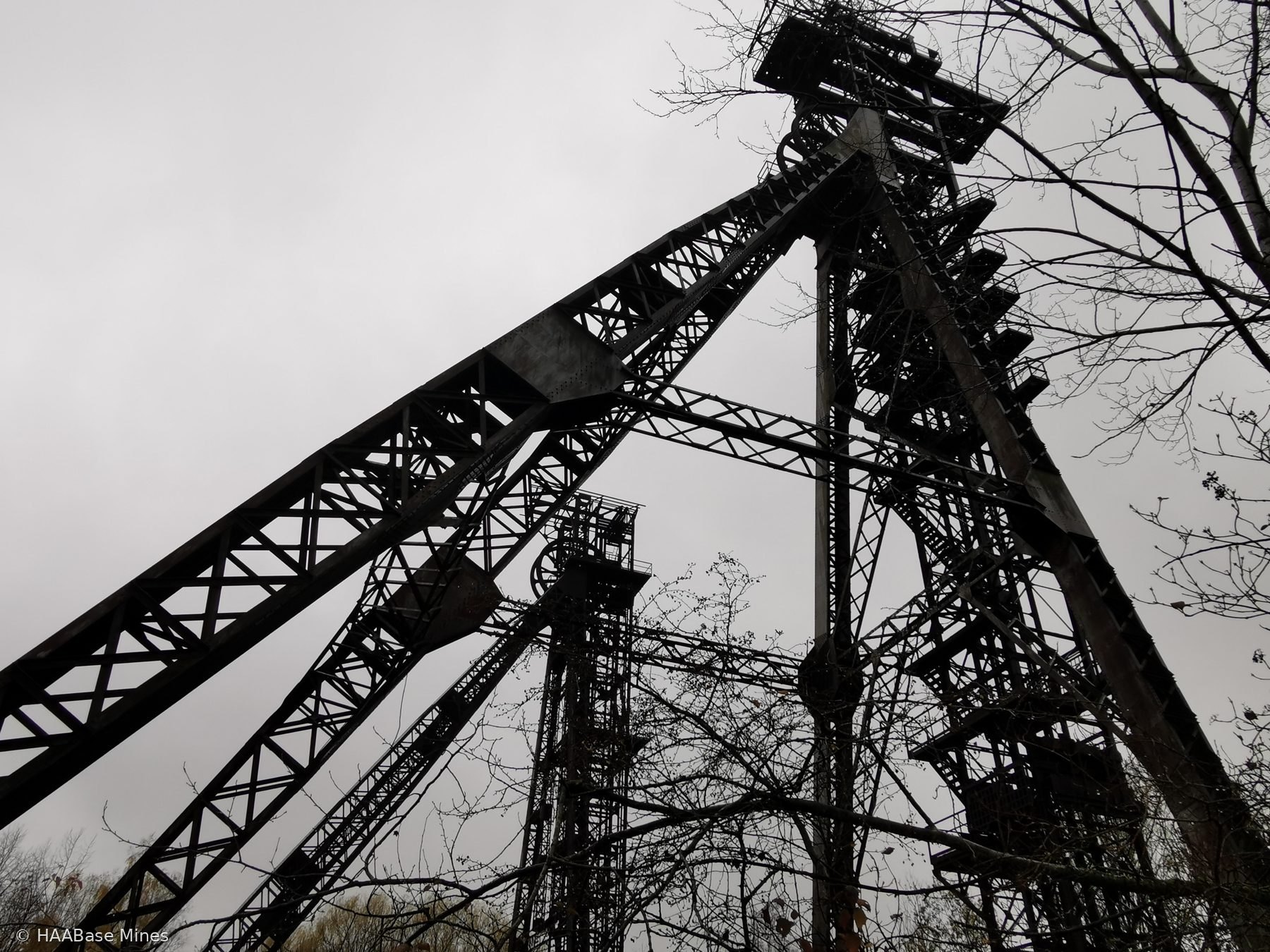
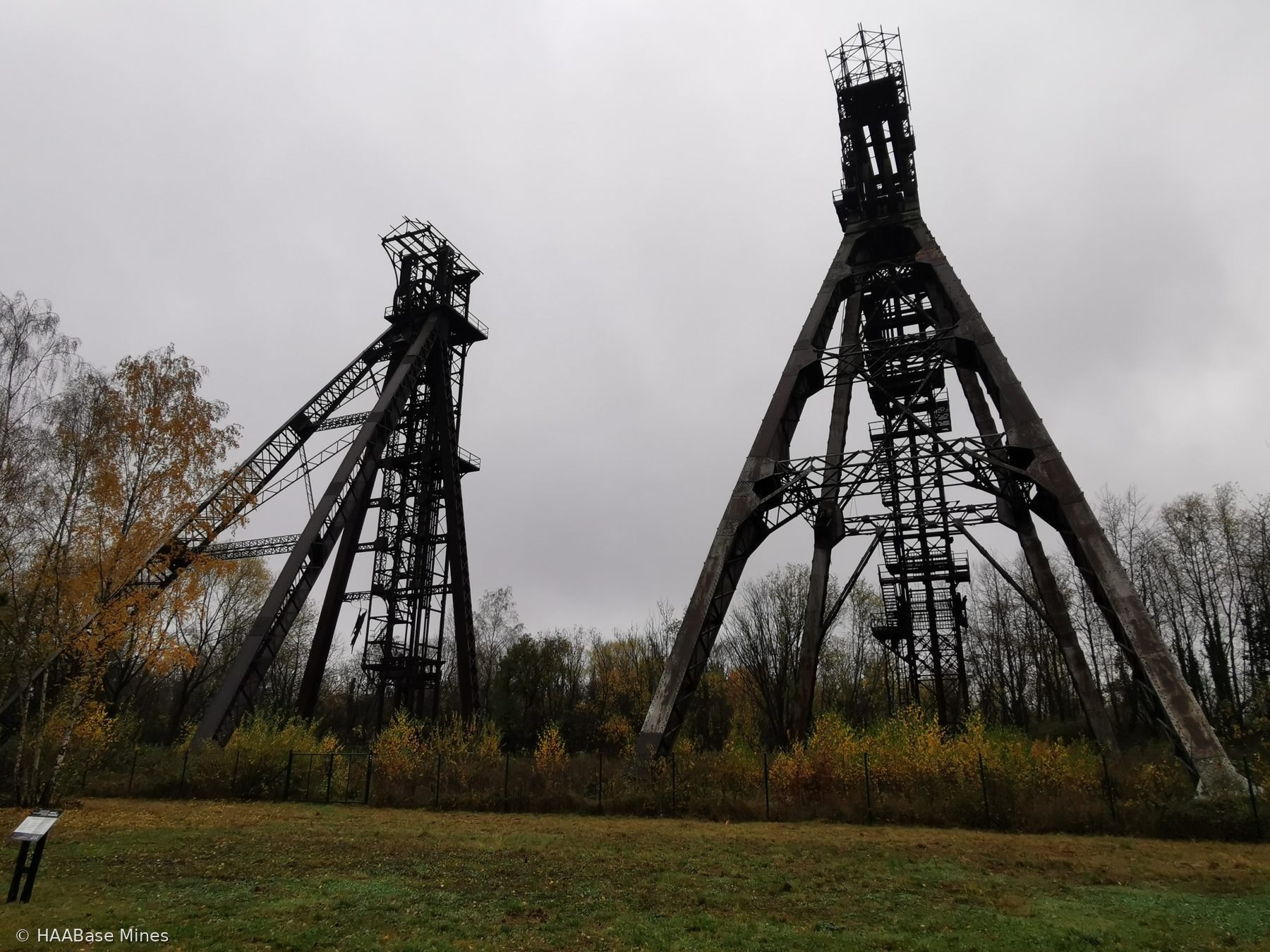
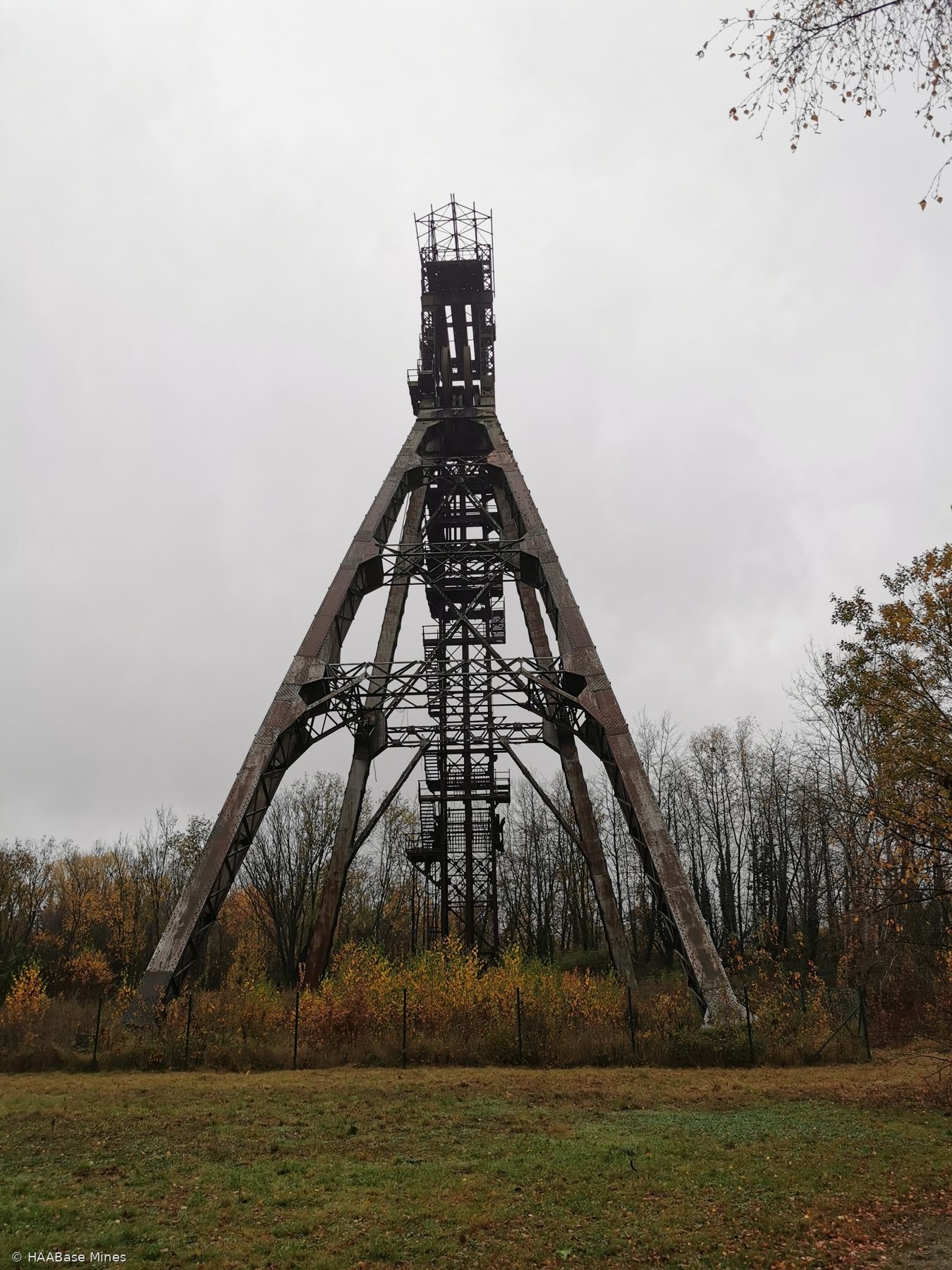
The Walloon Region acquired the site in 1984. Two steel headframes survive. A demolition permit sought by the Walloon Region was refused in 2019, and the structures remain inscribed in the regional heritage inventory.

The site stands on low ground within an urban valley setting, where the two surviving headframes rise above surrounding development and read as isolated remnants of the former colliery.

Map & photo

Charbonnages de Monceau-Fontaine — Siège n° 25 Le Pêchon mine headframe or winding tower site
Photograph taken: 16 November 2025
Map markers and directions links are provided for location reference only and do not indicate public access or permission to enter a site.

History

The shaft that would become known as Le Pêchon was sunk in 1910 at Couillet, on the boundary between Couillet and Marcinelle, in a low-lying section of the valley. It belonged initially to the S.A. des Charbonnages de Marcinelle-Nord and was designated puits n°5 Blanchisserie. The S.A. des Charbonnages de Marcinelle-Nord held a concession of 2,317 hectares covering Marchienne-au-Pont, Montigny-le-Tilleul, Mont-sur-Marchienne, Marcinelle, Charleroi, Montignies-sur-Sambre, Couillet, Bouffioulx, Loverval, Acoz, Joncret, and Gerpinnes, substantially enlarged after the grant of additional concession on 12 January 1921 and a boundary adjustment with the Bois du Cazier on 3 October 1922. At the time the shaft was sunk in 1910, Marcinelle-Nord operated it alongside puits n°4 Fiestaux at Couillet and three further pits at Marcinelle. Frequent marshy conditions underground rendered the work particularly difficult and gave the shaft its popular nickname Le Pêchon.

On 30 October 1931, before the notary Scheyven in Brussels, the Charbonnages de Monceau-Fontaine merged with the S.A. des Charbonnages de Marcinelle-Nord, then in liquidation. After the merger the shaft was renumbered puits n°25 within the Monceau-Fontaine system. The Charbonnages de Monceau-Fontaine, which described itself as the largest mining company in the Charleroi basin, had by 1948 absorbed further companies including the Charbonnages du Nord de Charleroi, and by 1953 employed approximately 10,000 persons and produced around 1,750,000 tonnes of coal annually across its twelve pits.

One of the two original headframes at the Pêchon site was at some point dismantled and reassembled at the Bonne Espérance colliery at Herstal; a replacement was erected at Marcinelle in the early 1950s. The puits n°25 communicated underground with the adjacent puits n°24 by a gallery at a depth of 797 metres. The maximum exploitation depth reached 1,220 metres.

In 1952, a firedamp accident linked to a locomotive breakdown in a gallery connecting puits n°25 and puits n°24 caused the deaths of ten miners. A further firedamp explosion on 7 November 1972 killed six workers who were timbering a gallery at 800 metres depth; the victims included two Turkish, two Spanish, one Italian, and one Belgian worker. This 1972 accident was the last major collective mining disaster in Wallonia.

Extraction at puits n°25 continued despite these tragedies and ceased on 31 March 1975. The Monceau-Fontaine company went on to close its remaining pits and the last, puits n°18 Parent, closed on 31 March 1978, bringing Monceau-Fontaine to an end.

The Walloon Region acquired the Pêchon site in 1984. An initial restoration of the headframes was started in the same year but quickly abandoned. The site passed into a state of deterioration. It is inscribed in the Inventaire du Patrimoine monumental but, as of 2018, was not included in the cadastre of industrial sites of strategic importance prepared at ministerial request. In 2019, the Walloon Region submitted a permit application to demolish the two headframes; this was refused by the Délégué du Fonctionnaire of the Service public de Wallonie on grounds that the structures are inscribed in the regional heritage inventory. The Amicale des Mineurs des Charbonnages de Wallonie subsequently pursued formal listing procedures with the Agence wallonne du Patrimoine. The two steel headframes remain standing in a landscaped area at the former mine site on the rue de Marcinelle at Couillet, visible from the chaussée de Philippeville.
Timeline

1910
Construction

Shaft sunk as puits n°5 Blanchisserie

The shaft was sunk in 1910 at Couillet on the boundary with Marcinelle by the S.A. des Charbonnages de Marcinelle-Nord, under the designation puits n°5 Blanchisserie.
1931
Operation

Merger with Charbonnages de Monceau-Fontaine; shaft renumbered puits n°25

Before the notary Scheyven in Brussels on 30 October 1931, the Charbonnages de Monceau-Fontaine merged with the S.A. des Charbonnages de Marcinelle-Nord, then in liquidation. The shaft was renumbered puits n°25 within the enlarged Monceau-Fontaine system.
1950–1953
Construction

One headframe replaced

One of the original two headframes was dismantled and reassembled at the Bonne Espérance colliery at Herstal; a replacement headframe was erected at the Pêchon site in the early 1950s.
1952
Operation

Firedamp accident kills ten miners

A firedamp accident in 1952 linked to a locomotive breakdown in a gallery connecting puits n°25 and puits n°24 killed ten miners.
1972
Operation

Last major mining disaster in Wallonia: six killed

On 7 November 1972 a firedamp explosion killed six workers who were timbering a gallery at approximately 800 metres depth in veine A. The victims included two Turkish, two Spanish, one Italian, and one Belgian worker. This was the last major collective mining disaster in Wallonia.
1975
Closure

Final closure

Extraction at puits n°25 ceased on 31 March 1975. The shaft had reached a maximum exploitation depth of 1,220 metres.
1984
Redevelopment

Walloon Region acquires site

The Walloon Region became owner of the Pêchon site in 1984. Initial restoration works on the headframes were started but quickly abandoned.
2019
Heritage

Demolition permit refused; headframes preserved

A permit application submitted by the Walloon Region to demolish the two headframes was refused in 2019 by the Délégué du Fonctionnaire of the Service public de Wallonie, on the grounds that the structures are inscribed in the Inventaire du Patrimoine monumental.

Sources and records

French Wikipedia article: Charbonnage de Monceau Fontaine
Charleroi-decouverte.be: Le charbonnage du Pêchon
Chemins des Terrils: Vers les puits n°24 et 25, Marcinelle et Couillet
Centre Régional d'Intégration de Charleroi (CRI Charleroi): Saudade #19 article, November 2024
Patrimoine Industriel Wallonie-Bruxelles: Le puits 25 à Couillet
La DH / Les Sports+: Couillet, le charbonnage du Pêchon entre désolation et espoir, December 2021
La DH / Les Sports+: Les châssis à molette du Pêchon ne seront pas démolis, December 2019
Exxplore.fr: Charbonnages de Monceau-Fontaine
Arkland-urbex.com: Charbonnage Marcinelle
Focale-alternative.be: Mine de Couillet
Patrimoine-minier.fr: Belgique, bassin houiller de Charleroi
This researched site record is part of the HAABase Mines database. Normal personal research and browsing is welcome. Automated bulk extraction, republication, or harvesting of site text and images is not permitted without written consent.