Coal extraction on the Bois du Cazier concession has roots reaching at least to the early nineteenth century. The name of the site derives from Baron Jean-Baptiste de Cazier, who died without heirs in 1812 and bequeathed his wooded properties at Marcinelle, including the woodland parcels known as Bonbois and Hublinbut, to Eulalie Desmanet de Biesme and a nephew René-Albert de Cazier; the two bois, divided by a notarial act dated 1 May 1813, subsequently took the designation Bois de Cazier. A probable transcription error later transformed this to Bois du Cazier. The coal concession on this land was granted by royal decree of King Willem I of the Netherlands on 30 September 1822 to Eulalie Desmanet de Biesme. Exploitation of the puits Saint-Charles commenced in 1868.
In 1861, a company was constituted in the names of the proprietors under the style Tournay, de Decker, Brichart et Cie. This was reconstituted on 5 August 1874 as the Société anonyme du charbonnage du Bois de Cazier. Despite being profitable, the concession was abandoned in 1898 owing to repeated firedamp releases. On 4 February 1899 the S.A. des Charbonnages d'Amercœur acquired the concession. Under Amercœur the site was developed vigorously. Two new shafts were sunk in the early twentieth century, reaching 765 and 1,035 metres depth respectively. Production at the start of the century was estimated at approximately 130,000 tonnes per year. The concession was enlarged in stages: the Marcinelle-Sud concession was merged with it in 1904; the Bois du Prince concession was added on 26 April 1910; and two further extensions on 13 November 1922 brought the total exploitable area to 875 hectares, extending under the communes of Marcinelle, Couillet, Loverval, and Gerpinnes.
In 1930, sixteen miners were killed by a firedamp explosion at the colliery. By 1929, Amercœur was operating five seats of production, of which the puits Saint-Charles at the Bois du Cazier was the principal. In 1954, a third shaft was commenced, designated the Foraky shaft after the drilling firm, planned to reach a depth of approximately 1,175 metres and intended to improve ventilation and increase output capacity; it was still under construction at the time of the 1956 disaster. By 1955 the mine produced 170,557 tonnes annually with a workforce of 779 men, many of them migrant workers from Italy accommodated in former prisoner-of-war camp barracks near the site.
On the morning of 8 August 1956, 274 or 275 workers descended as usual. At 8:10 am, the winding mechanism in one shaft was started before the coal wagon had been fully loaded into the cage. Two high-voltage electric cables were severed and an oil pipe under pressure was ruptured; the oil ignited on contact with the resulting electrical arc, starting an underground fire. Smoke and carbon monoxide spread rapidly through the galleries. A few workers managed to reach the surface almost immediately. Despite rescue operations conducted over the following fifteen days, with assistance from the rescue stations of the Nord-Pas-de-Calais and the Ruhr, only thirteen miners survived. The last bodies were recovered in December 1957. The final toll was 262 dead of twelve nationalities: 136 Italians, 95 Belgians, 8 Poles, 6 Greeks, 5 Germans, 3 Hungarians, 3 Algerians, 2 French, 1 Briton, 1 Dutchman, 1 Russian, and 1 Ukrainian. The disaster was the largest mining accident in Belgian history, and its impact was felt acutely in Italy, where the Calabrian communities whose men had been recruited by the village were left with large numbers of widows. The Italian government suspended its labour supply agreement with Belgium in the immediate aftermath. Mining safety legislation was revised across Belgium and at the level of the European Coal and Steel Community, and a Mines Safety Commission was established.
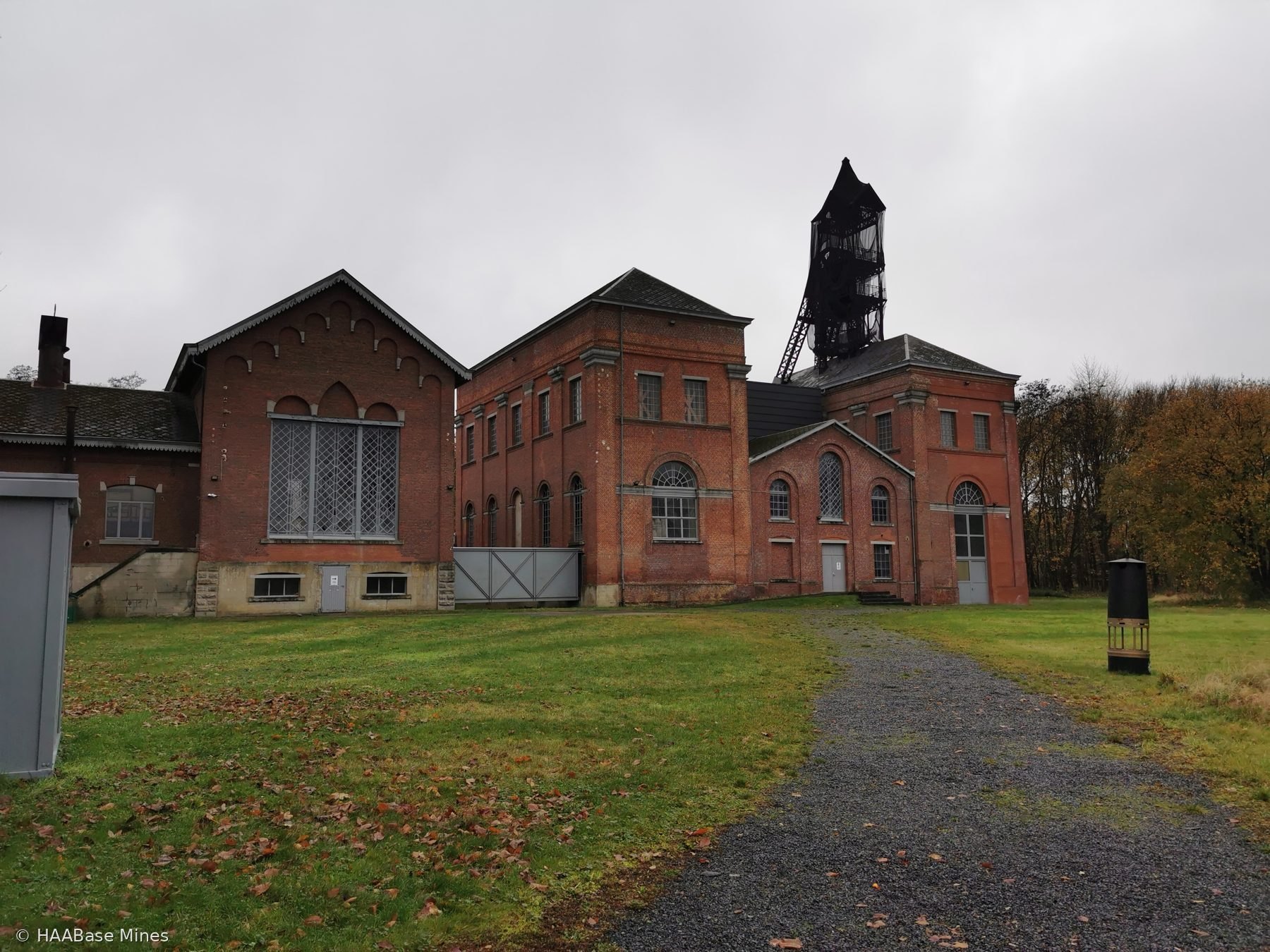
Full production at the Bois du Cazier resumed in 1957. The Société anonyme des Charbonnages d'Amercœur was placed in liquidation on 15 January 1961. Partial extraction was recommenced in 1963 under residual arrangements, but the mine finally ceased all operations on 9 December 1967, after approximately 145 years of activity. The Foraky headframe, erected in the 1960s, fell into dereliction after closure.
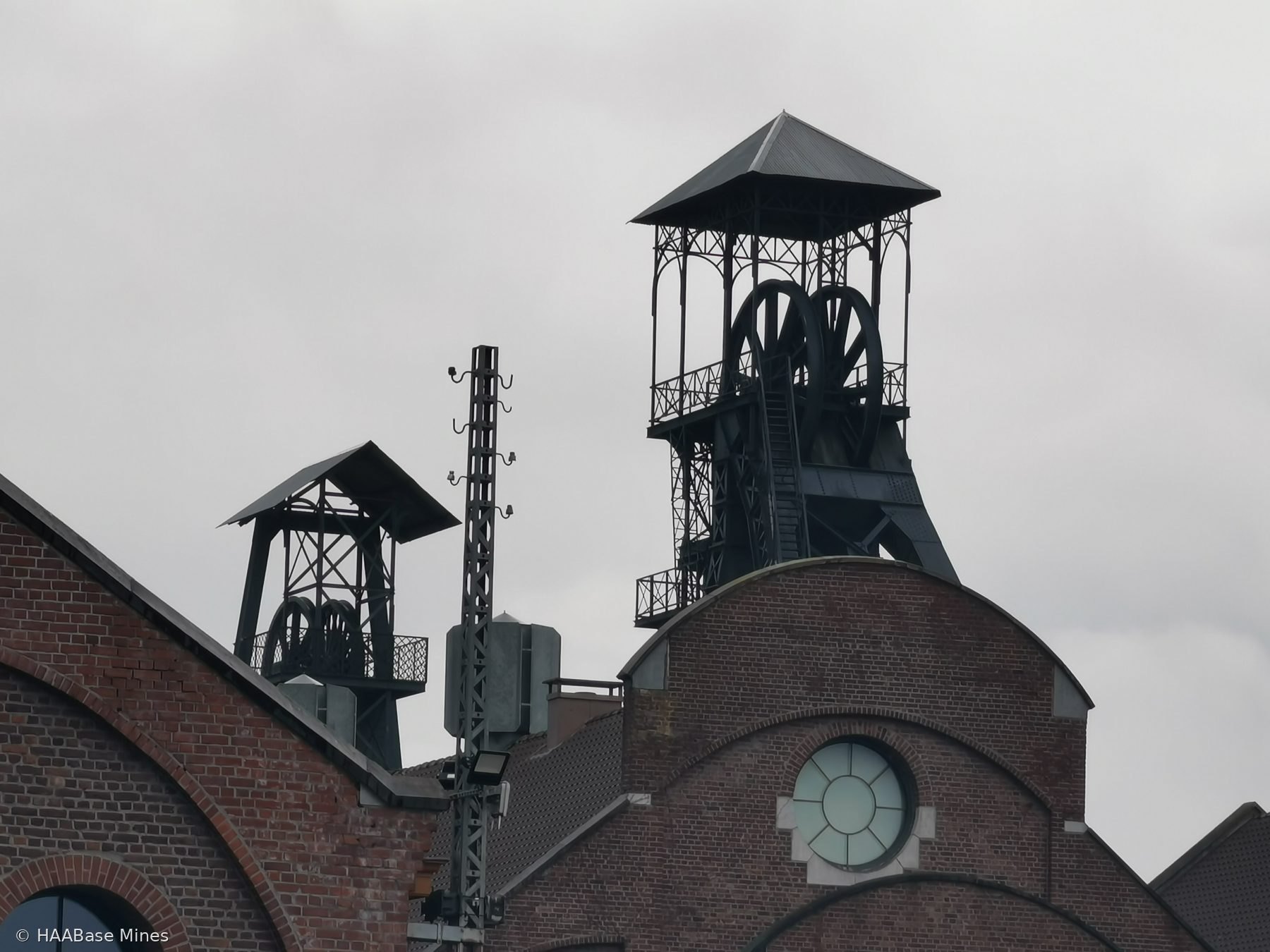
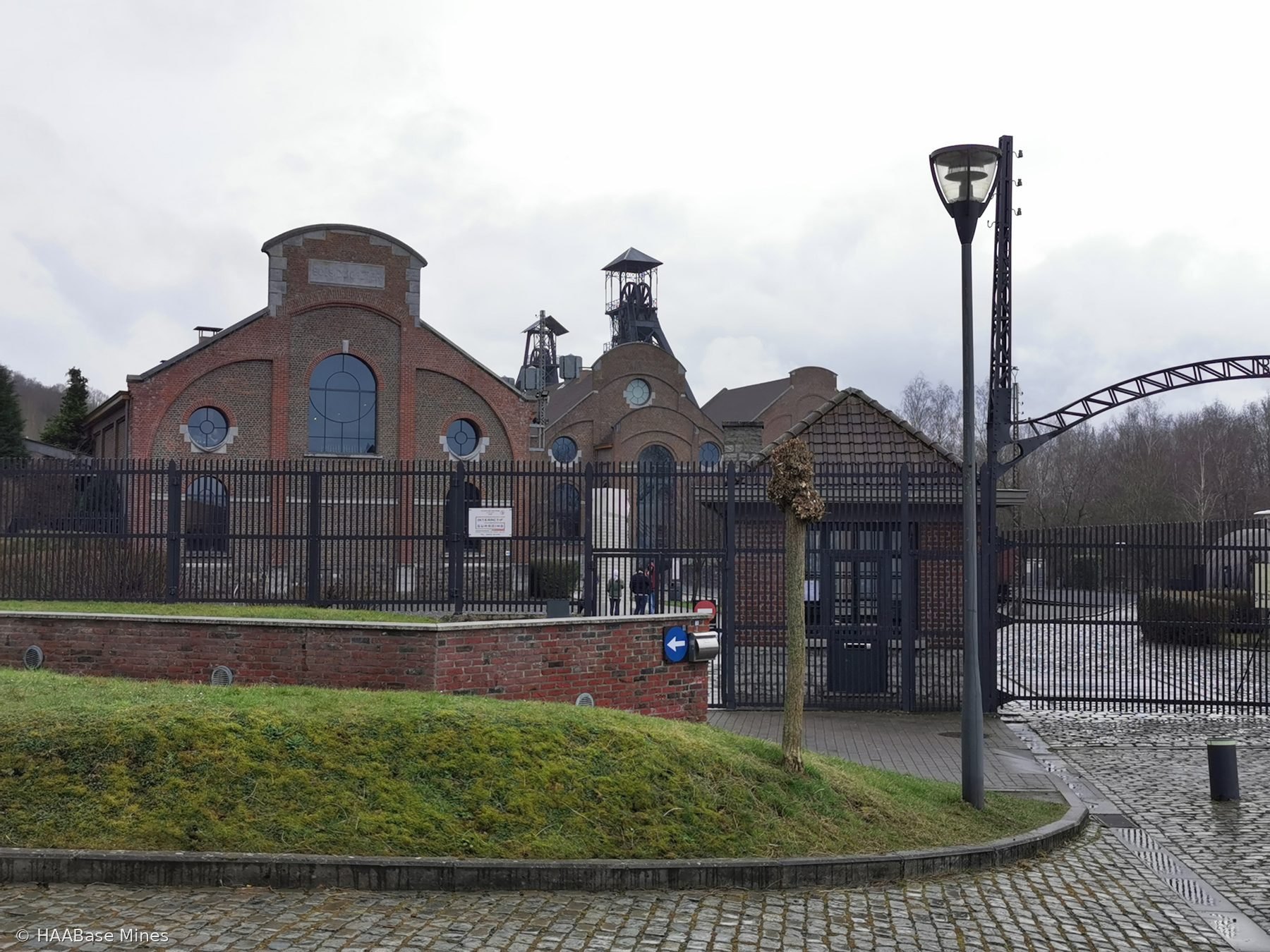
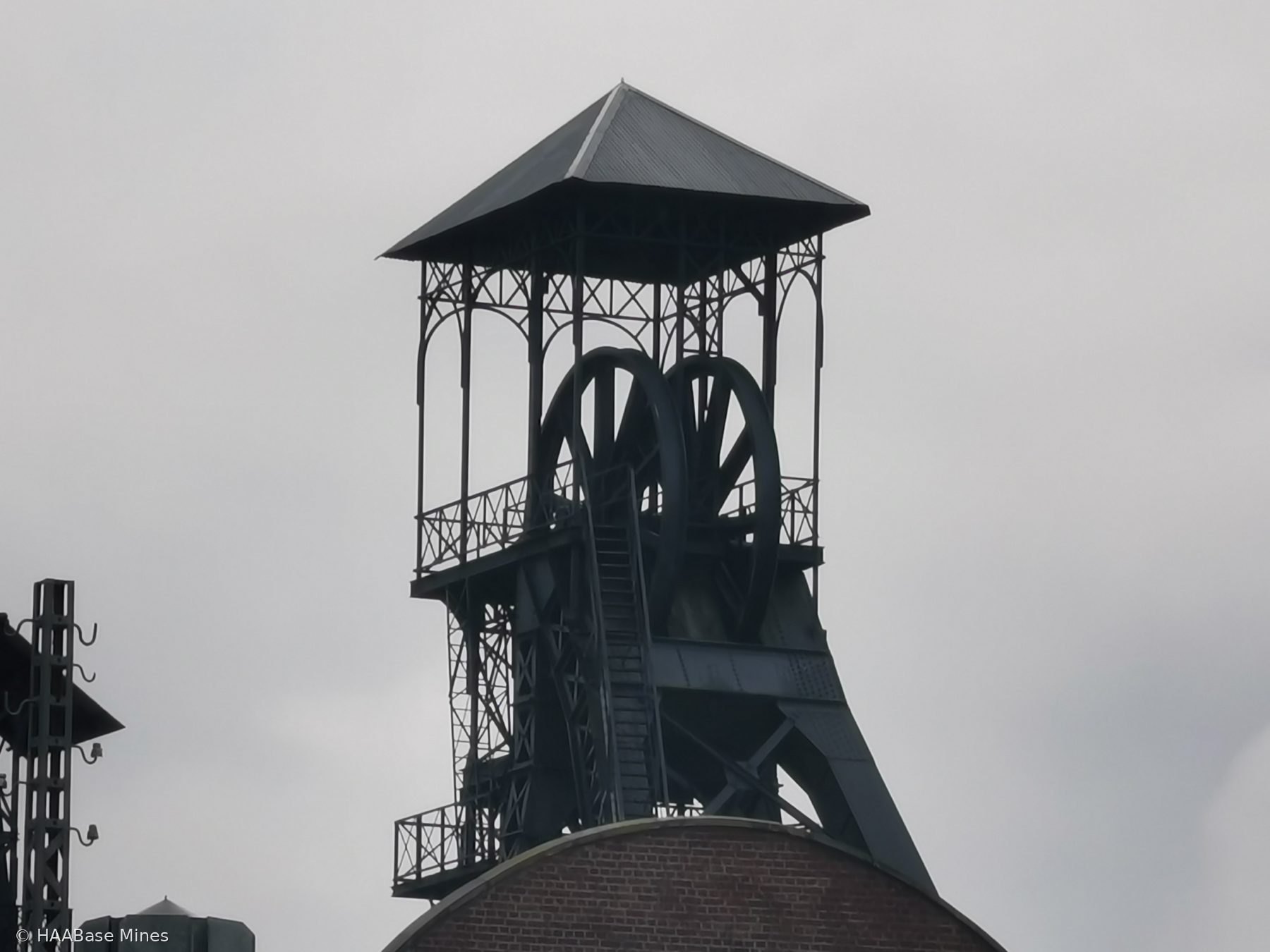
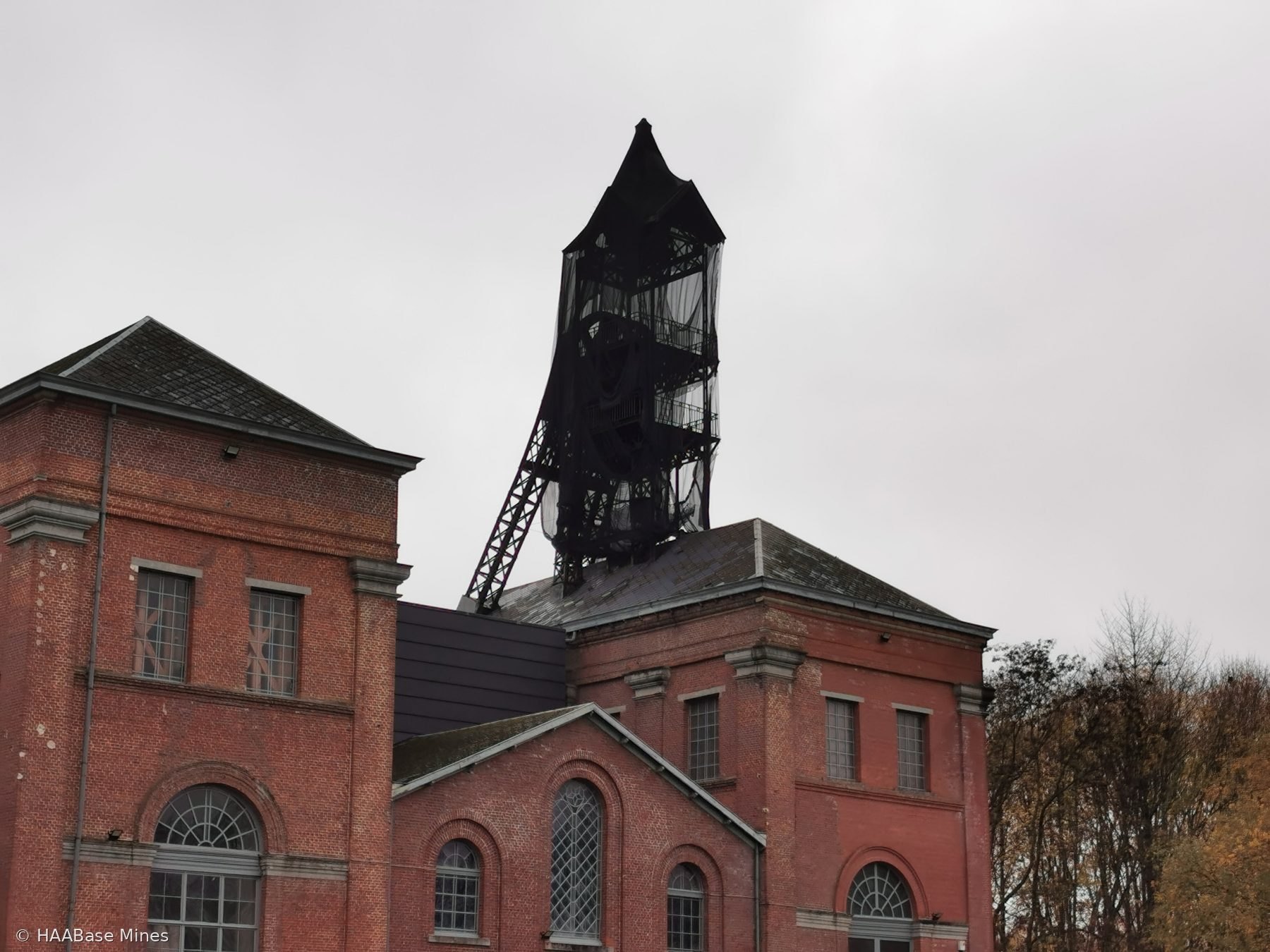
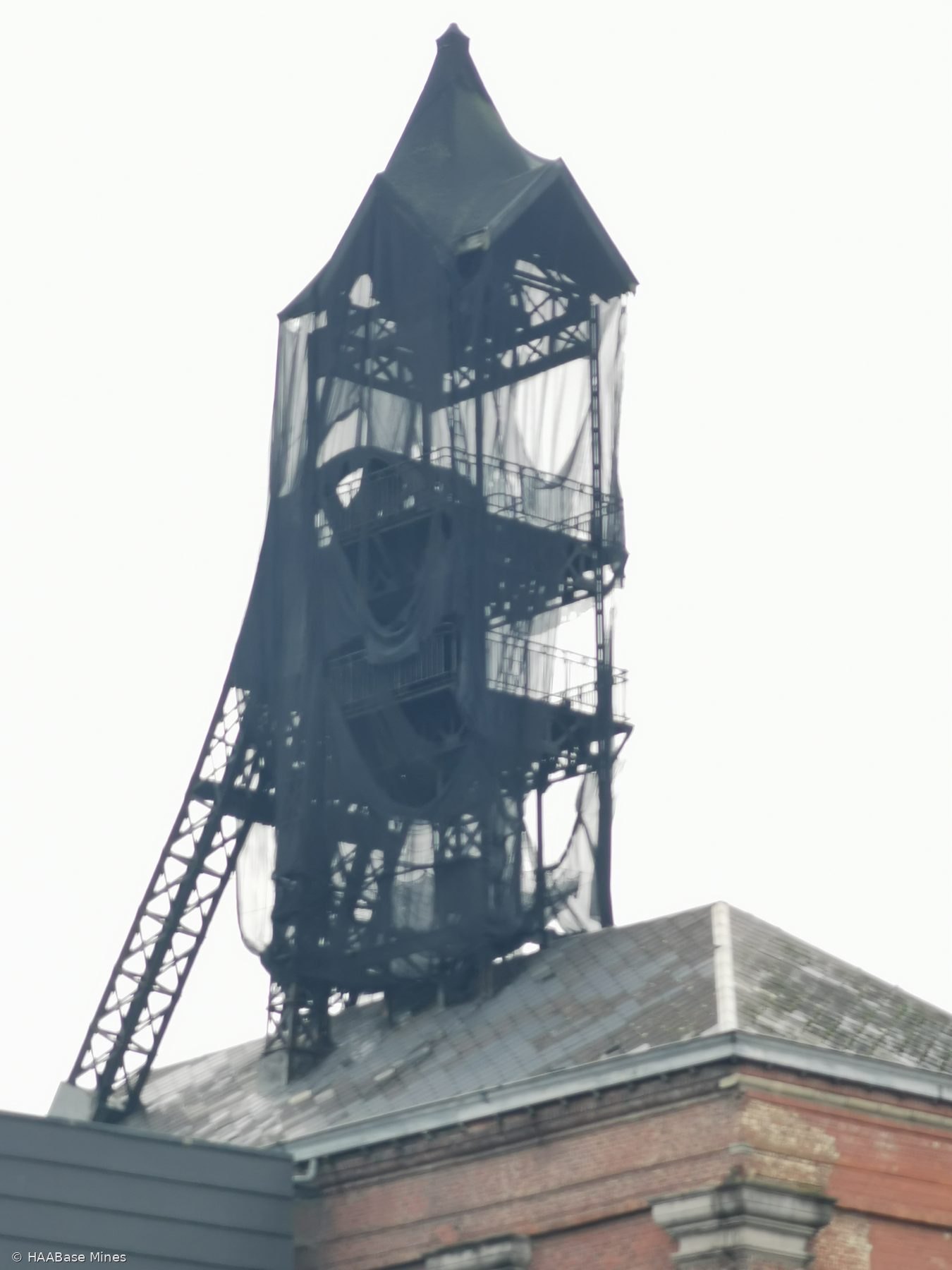
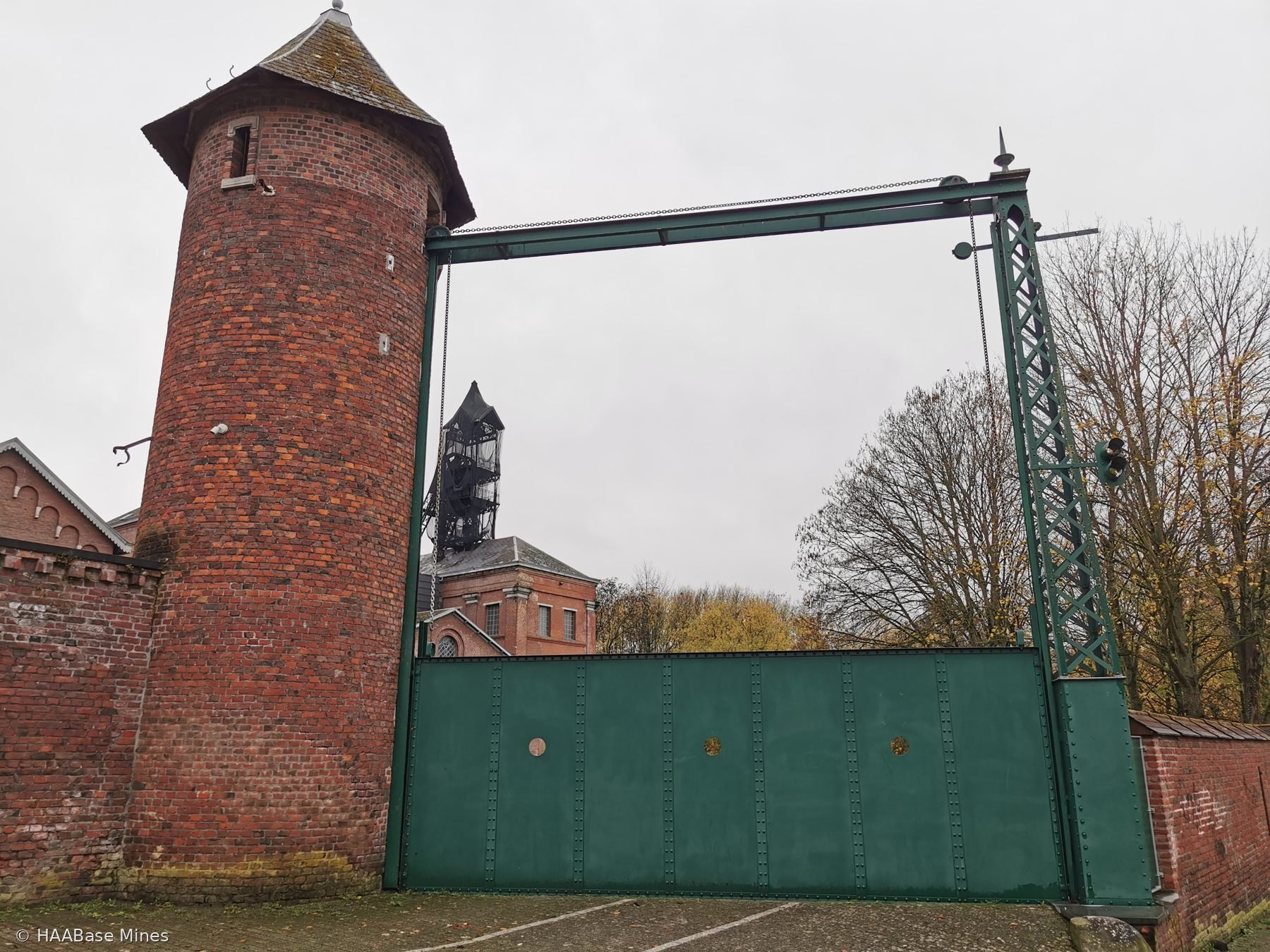
Following a prolonged period of abandonment during which most installations were scrapped, the site was listed as a national monument on 28 May 1990. A campaign by local miners and supporters resisted plans by the municipality to demolish the site and develop it as a retail centre. The site was restored with European Union and Walloon Region funding. On 1 March 2002 the Bois du Cazier opened to the public as a museum complex. The Musée d'Industrie, housed in the former baths and lamp room, displays artefacts relating to the coal, steel, glass, metal, mechanical, electrical, chemical, and printing industries of the Charleroi region. The Musée du Verre de Charleroi reopened in the same complex in 2007. The 8 August memorial space and the preserved headframes and pithead buildings form a third component. The derelict Foraky headframe was demolished in 2004. The three slag heaps were landscaped for public access. The site became one of the four Walloon mining sites inscribed on the UNESCO World Heritage List as Major Mining Sites of Wallonia in 2012, and also features on the European Route of Industrial Heritage. Each year on 8 August, a commemoration is held at the site, at which a bell inscribed Maria Mater Orphanorum chimes 262 times.